7 Signs Your Workplace Safety Program Is Overdue for a Reset
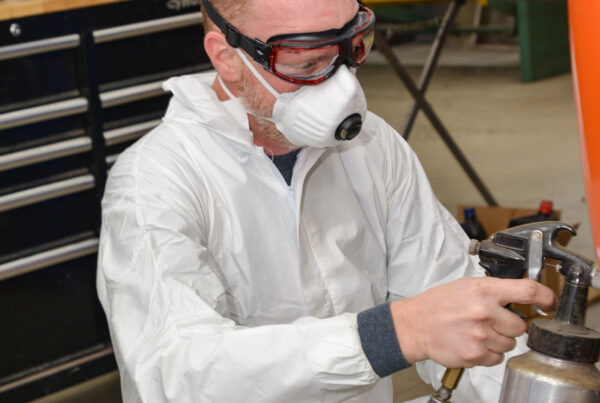
Most safety programs start with good intentions and sound thinking, but workplaces change constantly with new equipment, processes, regulations, and people. Programs that are not regularly reviewed lag behind this change..
What OSHAs Top 10 Violations Tell Us About Where Safety Programs Still Break Down
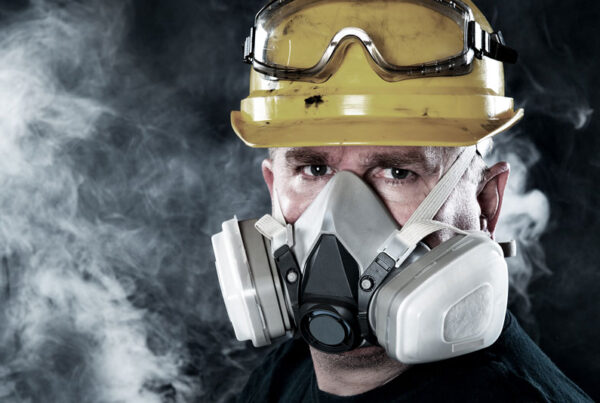
Each fall, the safety community awaits the release of OSHA's Top 10 Most Frequently Cited Violations at the National Safety Council Safety Congress & Expo. The list is widely anticipated and reviewed, but for many organizations, its lessons are often overlooked.
What Is an EHS Assessment and Why Every Manufacturer Needs One
An EHS assessment, short for Environmental, Health, and Safety assessment, is a systematic review of how well your workplace identifies, manages, and mitigates safety risk. It examines everything from physical hazards to safety program documentation.
Staying Safe in the Cold: Essential Winter Workplace Protection
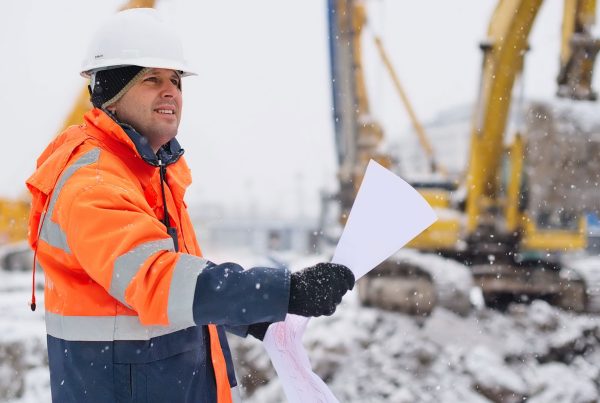
Under the Occupational Safety and Health Act (OSH Act) of 1970, employers have a duty to protect workers from recognized hazards, including cold stress hazards, that are causing or likely to cause death or serious physical harm in the workplace.
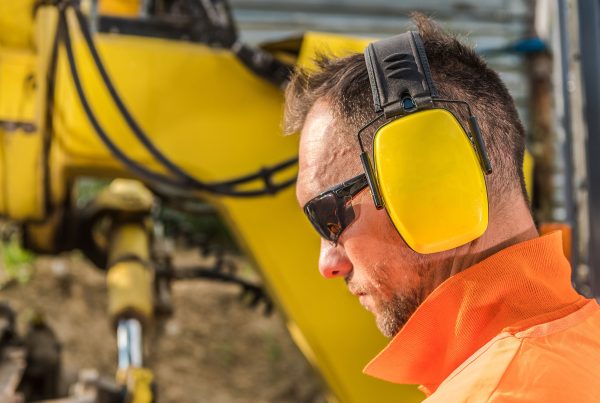
Protecting hearing is simple when you match protection to the task—and wear it correctly. Arbill provides a quick guide that combines how to choose, how to fit, and how to avoid over-protection, plus easy ways to stage earplugs.
Head protection is your last line of defense against falls and struck by events. The right choice depends on hazards, environment, and whether the helmet will stay on and perform under real conditions—slips, trips, side impacts, heat, and add on accessories your crews use.
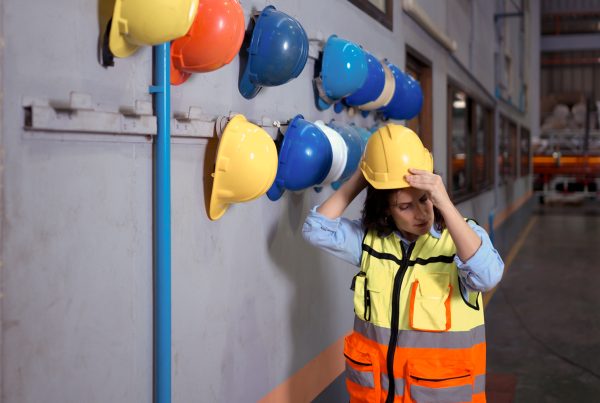
Top PPE Mistakes in Hot Weather and How to Prevent Them
Heat, humidity, and sun exposure can reduce the PPE’s effectiveness—putting lives at risk if not properly maintained. Here are the most common PPE mistakes in hot weather and how safety managers can proactively prevent them.
Enhancing Workplace Safety During National Safety Month
National Safety Month, every June, is a time to spotlight various safety concerns within the workplace. This initiative offers businesses the chance to prevent injuries and cultivate a robust safety culture.
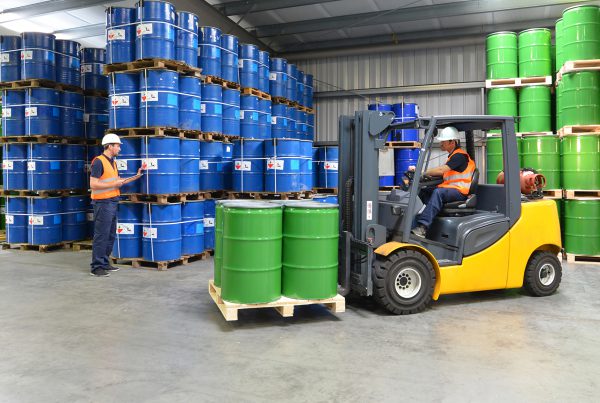
Creating a Safe Workplace: Forklift and Pedestrian Safety
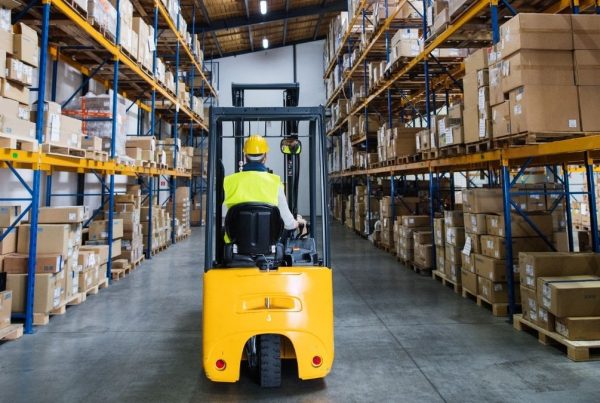
By integrating smart safety solutions, businesses can significantly decrease the likelihood of forklift-related injuries. TruSense Forklift is a proactive safety solution designed to reduce collisions and increase awareness in busy industrial settings.
Complete the short form below and an Arbill representative will get back to you within 24 hours.
* Required Fields
ARBILL RESPECTS YOUR PRIVACY AND YOUR INFORMATION: By submitting the form above you agree to receiving emails from Arbill. Your submitted information is NEVER shared. You may unsubscribe at any time via the "unsubscribe" link in our emails. You can view our Privacy Policy HERE.