
Heat stress prevention is one of the most critical and consistently underestimated responsibilities in industrial and outdoor workplace safety. Unlike a forklift incident or a fall, heat stress builds gradually through rising core temperatures, reduced judgment, and slowing motor function, until a worker is in crisis and everyone around them is asking how it got that far. By the time a heat-related illness becomes visible, the conditions that caused it have typically been present for hours.

For facilities heading into summer, the window to build an effective program is now, before the first heat spike, before the first acclimatization period passes, and before the regulatory environment moves faster than your protocols. Arbill’s approach to heat stress monitoring is built around exactly this kind of proactive planning.

The Scale of the Problem in 2026

Research from George Washington University and Harvard, published in October 2025, found that hot weather causes approximately 28,000 workplace injuries annually, and that these figures do not capture heat-related illnesses that send workers to emergency rooms or cause lost productivity before a formal incident is recorded. The same research found that even moderate heat conditions, well below the thresholds most employers consider dangerous, increased the risk of injury across nearly every industry studied.

The NSC recorded 48 heat-related workplace deaths in 2024 and 7,100 DART cases in the 2023 to 2024 reporting period, and those numbers are widely acknowledged to undercount the true impact because heat is frequently not listed as a contributing cause when workers experience injuries resulting from heat-impaired judgment or coordination.

The regulatory environment is also shifting. OSHA revised and extended its Heat-Related Hazards National Emphasis Program in April 2026, directing inspectors to conduct unplanned heat inspections in high-risk industries. Combined with OSHA’s proposed rule on Heat Injury and Illness Prevention, which would require written prevention plans, heat monitoring, rest breaks, water provision, and acclimatization protocols, compliance pressure on employers is building regardless of whether a final rule has been issued.

Find Hydration Solutions
Heat stress and Hydration

What a Real Heat Safety Program Looks Like

Effective heat illness prevention requires more than posting a reminder to drink water. The elements that consistently reduce heat-related incidents focus on proactive monitoring, structured acclimatization, and active supervision rather than on individual worker awareness alone.

Acclimatization. OSHA data shows that 50 to 70 percent of outdoor heat fatalities occur in the first few days of working in warm conditions, before the body has had time to adapt. New workers, those returning from an extended absence, and workers transitioning to hotter facility areas all need a structured acclimatization period in which workload and heat exposure are gradually increased over five to fourteen days. Skipping this step because someone looks fit or experienced is one of the most common contributing factors in serious heat incidents.

Environment-specific heat monitoring. Checking an outdoor temperature reading does not capture heat conditions inside a steel mill, a bakery, a warehouse with limited air circulation, or any indoor environment with heat-generating equipment. OSHA recommends using a wet-bulb globe temperature meter as the most accurate way to measure the environmental heat impact on the body because it accounts for humidity, radiant heat, and air movement alongside ambient temperature. Facilities that rely on thermometer readings alone routinely underestimate the actual heat load their workers are experiencing.

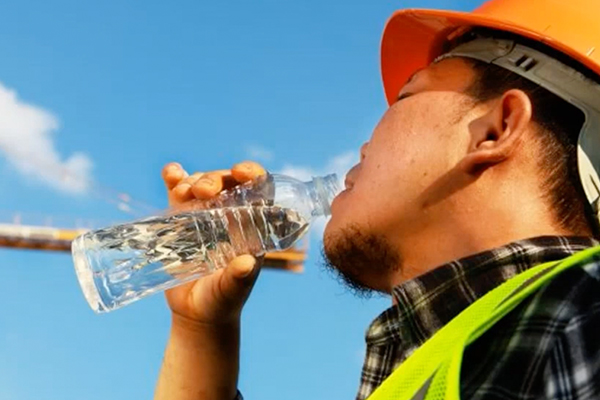
Structured hydration. Workers do not reliably self-regulate fluid intake when focused on production tasks. An effective hydration program establishes scheduled water breaks, provides cool water in accessible locations throughout the work area, and ensures that supervisors actively monitor intake rather than assuming workers manage it. In environments where workers wear heavy PPE, hydration needs are significantly higher than standard guidance suggests. For a deeper look at proper hydration in these environments, Arbill’s guide to hot weather PPE mistakes covers the most common gaps.

Supervisor training on early symptom recognition. Heat exhaustion and heat stroke do not always present themselves obviously, particularly among workers pushing through discomfort due to production pressure or cultural norms. Supervisors who know what to look for, including subtle behavioral changes like slowed decision-making, irritability, or unusual clumsiness, can intervene before a situation becomes a medical emergency.

What to Do Now

Safety and operations leaders can take concrete steps before the first heat spike of the season to build a program that protects workers from day one:

  • Establish your acclimatization protocol now. Identify all workers who will need a structured acclimatization period this summer: new hires, returning workers, and anyone moving to hotter areas of the facility. Build the five- to fourteen-day ramp-up schedule before temperatures require it.
  • Audit your heat monitoring equipment. Confirm that your facility has wet bulb globe temperature meters available and that supervisors know how to use them. If your current practice relies on outdoor thermometer readings, that gap needs to close before the season peaks.
  • Map hydration station locations against actual work areas. Walk the floor and identify every high-heat work area. Verify that cool water is accessible at the point of work, not just in break rooms or common areas.
  • Train supervisors on early symptom recognition. Schedule a brief training session for every supervisor who oversees workers in hot environments. Cover the early behavioral signs of heat strain: slowed decision-making, irritability, unusual clumsiness, and withdrawal from activity.
  • Review PPE requirements for thermal load. Identify every role that requires flame-resistant clothing, chemical suits, or multiple protective layers. Confirm that hydration and rest break schedules account for the additional heat burden those workers carry.
heat stress webinar

Getting Ahead of the Season

The time to build a heat safety program is before the first hot week of the year. By the time temperatures spike and workers are already under thermal load, the window for acclimatization has passed, gaps in monitoring and hydration infrastructure are present, and the conditions for a serious incident are in place.

Building that program now, with the right structure around acclimatization, monitoring, and hydration, is the most effective thing a safety team can do for summer workplace safety and outdoor worker protection before the season demands it. Safer. Every Day.

Frequently Asked Questions

What is heat stress prevention in the workplace? 

Heat stress prevention is the set of policies, protocols, and controls that an employer implements to protect workers from heat-related illness and injury. Key elements include acclimatization programs, environment-specific heat monitoring, structured hydration schedules, PPE selection that accounts for thermal load, and supervisor training on early symptom recognition.

What are the most common signs of heat stress in workers? 

Early signs include heavy sweating, fatigue, dizziness, irritability, and slowed reaction time. As heat strain progresses, workers may experience confusion, nausea, or loss of coordination. Supervisors trained to recognize these early behavioral changes can intervene before a situation becomes a medical emergency.

When should employers start heat stress prevention programs? 

Before the hottest weeks of the year. Acclimatization protocols require five to fourteen days to take effect, meaning the program needs to be operational before peak heat conditions, not in response to them.

What does OSHA require for heat illness prevention? 

OSHA requires employers to provide a workplace free from recognized hazards under the General Duty Clause, which includes heat. OSHA’s proposed Heat Injury and Illness Prevention rule would formally require written prevention plans, heat monitoring, rest breaks, water provision, and acclimatization protocols. OSHA’s revised Heat National Emphasis Program, effective April 2026, also directs unplanned inspections in high-risk industries.

Let’s Talk About Heat Safety

Recent Posts

Heat Stress Prevention: How to Protect Workers This Summer

Heat Stress Prevention: How to Protect Workers This Summer

National Safety Month
National Safety Month 2026: A Practical Guide for EHS Leaders

National Safety Month 2026: A Practical Guide for EHS Leaders

Worker with Fall Protection Equipment
Fall Protection on Rigs and Elevated Platforms: The Compliance Standards That Can’t Be Cut With the Budget

Fall Protection on Rigs and Elevated Platforms: The Compliance Standards That Can’t Be Cut With the Budget

Worker Use Portable Gas Monitors Before Entering Confined Spaces
Gas Detection in the Field: What Your Oilfield Workers Need to Know Before Entering Any Confined Space

Gas Detection in the Field: What Your Oilfield Workers Need to Know Before Entering Any Confined Space

PPE for Utility Field Workers
From Substations to Stormwork: Building a Weather-Ready PPE Program for Utility Field Workers

From Substations to Stormwork: Building a Weather-Ready PPE Program for Utility Field Workers