High-visibility gear is not just a compliance item for waste management teams. It is a daily line of defense for workers who operate near moving vehicles, backing trucks, heavy equipment, low-light conditions, and unpredictable roadside environments.

Collection crews may begin before sunrise. Transfer station workers may move through areas with loaders, compactors, trucks, conveyors, and forklifts. Roadside workers may step in and out of traffic zones while drivers are distracted, impatient, or unable to see them clearly. In these conditions, visibility can determine whether a driver or equipment operator has enough time to react.

That is why choosing the right safety vest or high-visibility apparel matters. Workers need gear that meets the right ANSI/ISEA class, fits the job environment, supports movement, stands up to washing and contamination, and remains wearable during heat, cold, rain, and long physically demanding shifts.

For safety teams managing these risks, Arbill provides practical PPE support through workplace safety solutions, product access, and industry-focused guidance for high-risk operations.

Why High-Visibility Gear Matters in Waste Management

Waste management workers often operate in environments where visibility can change from minute to minute.

A worker may be clearly visible beside a truck one moment and hidden by parked cars, shadows, glare, containers, or traffic the next. On collection routes, workers bend, lift, walk between vehicles, move around the rear of trucks, and step into roadways repeatedly. In transfer stations and processing facilities, they may work around equipment that has limited sightlines and constant movement.

High-visibility apparel helps drivers and equipment operators identify workers sooner. That extra visibility gives others more time to slow down, stop, change direction, or communicate before an incident occurs.

For waste operations, Arbill’s waste management safety solutions can help teams think through PPE, visibility, worker protection, and operational safety needs across collection routes, sorting areas, facilities, and roadside work.

Roadside Collection Hazards and Traffic Risks

Roadside collection is one of the clearest examples of why visibility matters.

Workers often operate within feet of moving vehicles. They may walk from house to house, lift containers, guide carts, step between parked cars, or work near the back of collection trucks. Drivers may be focused on getting around the truck, watching oncoming traffic, or checking for gaps in the road, not scanning for workers around the vehicle.

Backing trucks create another major hazard. A worker can disappear into a blind spot in seconds, especially when the route is busy or visibility is limited. Reflective striping, bright background fabric, and 360-degree visibility help workers stand out from the surrounding road, buildings, parked cars, and street infrastructure.

High-visibility gear is especially important when workers move quickly between collection points. The more often workers change position, the more important it becomes for drivers to detect them from multiple angles.

Low-Light, Dawn, and Weather Conditions

Many collection routes begin before sunrise to avoid traffic and complete routes earlier in the day. That creates low-light exposure during some of the most active parts of the shift.

Dawn and dusk can be dangerous because glare, shadows, and changing light conditions make workers harder to distinguish. Fog, rain, overcast skies, and wet reflective surfaces can reduce visibility even more. Standard clothing may blend into the background, especially when workers are near dark vehicles, shaded areas, or road surfaces.

High-visibility apparel should help workers remain visible in these changing conditions. Reflective tape supports visibility when headlights or equipment lights hit the garment. Bright background materials help workers stand out during daylight and transitional light.

For early morning routes, foggy conditions, or emergency response work, some teams may also consider LED-enhanced options when reflective tape alone may not provide enough active visibility.


Explore Our Solutions!
Hazardous Waste Environmental Training

Transfer Station and Processing Facility Visibility

Waste management visibility hazards are not limited to public roads.

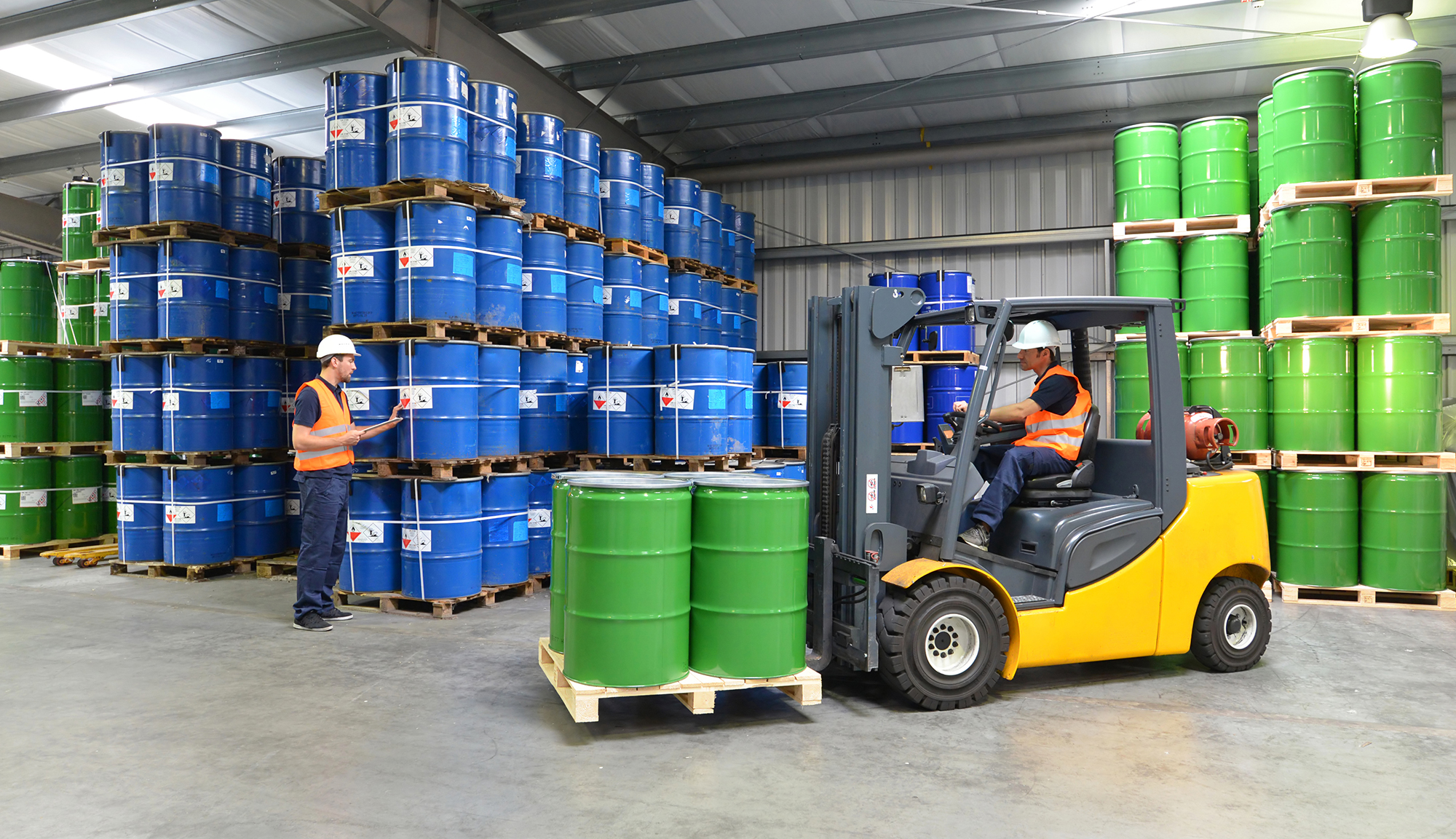
Transfer stations, recycling centers, sorting lines, and processing facilities have their own visibility challenges. Workers may be near compactors, loaders, trucks, conveyors, forklifts, and mixed traffic areas. Blind corners, indoor lighting changes, dust, debris, and constant material movement can make it harder for equipment operators to track pedestrians.

In these facilities, high-visibility apparel helps create separation between workers and visual clutter. A worker checking equipment, retrieving material, crossing a yard, or moving between work zones needs to be seen quickly by operators.

High-visibility gear should be paired with traffic management, pedestrian lanes, equipment rules, lighting, training, and housekeeping. The vest helps, but it should be part of a broader safety system.

Understanding ANSI/ISEA Safety Vest Classes

ANSI/ISEA 107 provides a framework for selecting high-visibility apparel based on work exposure. The class of garment is tied to the amount and placement of background material and retroreflective tape.

Class 1 provides the lowest visibility level and is generally limited to lower-risk environments with slow-moving traffic and clear separation from vehicles. In waste management, Class 1 use is limited because most collection and facility environments involve vehicle movement, equipment, or changing visibility.

Class 2 is the standard choice for many waste management roles. It provides more background material and reflective tape, helping workers remain visible from greater distances and multiple angles. Collection routes, transfer stations, recycling centers, landfill operations, and facility access roads often call for Class 2 protection.

Class 3 provides the highest visibility level. It is commonly used for high-risk areas, high-speed traffic exposure, traffic control duties, highway collection, roadside incidents, and work where arm movement needs to be visible. Sleeve striping helps drivers identify workers even when torso visibility is partially blocked.

The right class should be selected based on the actual traffic exposure, speed, work location, lighting, and job task.

Matching High-Visibility Gear to Waste Management Roles

Different waste management roles need different visibility features.

Collection crews working near roadways often need Class 2 or Class 3 apparel depending on traffic speed and route conditions. Residential routes may use Class 2, while busy commercial roads, highways, and traffic control situations may require Class 3.

Sorting line and recycling center workers typically need Class 2 visibility in areas where vehicles, conveyors, forklifts, and moving materials are present. Because these workers may face abrasion, dust, debris, and contamination, durability and washability matter.

Landfill and transfer station operators also need strong visibility because loaders, trucks, compactors, and other equipment move through large active work zones. In low-light or poor-weather conditions, enhanced reflective coverage or LED options may help workers stand out.

Maintenance and equipment repair teams may need breakaway vests when working around conveyors, compactors, moving parts, or equipment where snagging is possible. Supervisors and site inspectors may prefer surveyor-style vests with pockets for radios, clipboards, or documentation.

Arbill’s guide on waste collection and sorting worker PPE provides a broader look at how different waste roles require PPE matched to traffic, material handling, biological hazards, chemical exposure, and physical injury risks.

As long as people go to work, we have an opportunity to help protect them.

Julie Copeland
Arbill CEO

Julie Copeland Arbill CEO

Key Features to Look for in Safety Vests

A safety vest should do more than meet a label requirement. It should perform under actual waste management conditions.

Reflective tape should provide visibility from all angles. Horizontal bands across the torso and vertical shoulder striping help drivers and equipment operators identify workers from the front, back, and sides. Gaps in reflective coverage can create blind spots, especially when workers bend, turn, or work around trucks.

Color selection also matters. Lime yellow often provides strong contrast in many roadside and facility environments. Orange may work better in certain construction-style areas or where teams want to distinguish specific roles. The best choice depends on the background where workers operate.

Breathability is important for collection crews and outdoor workers. Mesh vests allow airflow during hot routes, while solid fabric vests may offer more durability and wind resistance in cooler conditions. Closure type also matters. Hook-and-loop closures allow seasonal adjustment, zippers can provide a secure fit, and breakaway closures help reduce entanglement risk near moving equipment.

Durability should not be overlooked. Waste work exposes vests to dirt, moisture, abrasion, contamination, and frequent washing. A vest that loses brightness or reflective performance too quickly may no longer provide the visibility workers need.

High-Visibility Gear and Heat Stress

Waste workers often wear high-visibility apparel during physically demanding work in hot weather.

Collection crews lift, carry, walk, climb in and out of trucks, and work on pavement that radiates heat. Protective layers can trap body heat, especially during summer routes. If a vest is uncomfortable or overheats the worker, compliance may suffer.

Mesh vests, breathable materials, moisture-wicking fabric, proper sizing, hydration planning, and rest breaks can help keep visibility gear wearable during hot conditions. Safety teams should also watch for signs that workers are modifying or removing PPE because of heat discomfort.

Arbill’s article on heat stress hydration programs for waste workers explains why hydration, rest, training, shade, and heat illness prevention are important for outdoor waste teams during physically demanding routes.

High-visibility protection should remain in place, but the program should also account for heat stress so workers can stay protected without unnecessary strain.

Hazardous Waste and Specialized Visibility Needs

Some waste management teams handle more than standard collection.

Hazardous waste operations, chemical waste facilities, spill response, and specialized disposal work may require high-visibility apparel that also supports chemical, flame, or contamination protection. In these environments, a basic vest may not be enough.

Workers may need flame-resistant high-visibility apparel, chemical-resistant layers, disposable coveralls, or specialized PPE depending on the hazard. The visibility requirement still matters, but it must be integrated with the rest of the protection system.

Arbill’s hazardous waste EHS program expectations article explains how PPE, labeling, storage, emergency planning, and documentation work together in hazardous waste environments.

The key is to avoid treating high-visibility gear as separate from the rest of the PPE program. For specialized waste work, visibility, chemical protection, respiratory protection, gloves, eye protection, and emergency response planning may all need to work together.

See Our Safety Services!
Safety Vests for Waste Management & Roadside Workers

Inspection, Cleaning, and Replacement

High-visibility gear only works when it remains visible.

Waste work subjects vests to frequent dirt, moisture, contamination, washing, abrasion, and physical wear. Reflective tape can crack, peel, fade, or lose performance. Background fabric can become dull or stained. Closures can fail. Pockets can tear. Contamination may make a garment unsafe to reuse.

Workers should inspect high-visibility apparel before use. A vest should be replaced when it is faded, torn, heavily stained, contaminated, missing reflective material, or no longer closes properly.

Cleaning should follow the manufacturer’s instructions. Too much heat, harsh chemicals, or repeated improper washing can reduce reflective performance and shorten service life. Supervisors should make replacement easy so workers are not forced to wear gear that no longer protects them.

Building a Better High-Visibility PPE Program

A strong program starts with a task-based hazard review.

Safety managers should look at where workers operate, what traffic speeds are present, what equipment is nearby, when shifts begin, what weather conditions are common, how often garments are washed, and whether workers are comfortable enough to wear the gear consistently.

For many waste operations, the program should define which vest class is required for collection routes, transfer stations, sorting lines, landfills, maintenance work, roadside emergencies, and supervisory tasks. It should also define when Class 3 apparel is required and when specialized options like breakaway, mesh, LED, surveyor-style, or flame-resistant vests are needed.

A good program also includes worker feedback. Employees know when a vest snags, overheats, restricts movement, lacks useful pockets, or fails after repeated washing. Their input helps safety teams select gear that workers will actually wear correctly.

Conclusion

High-visibility gear for waste management and roadside workers must be selected around real exposure.

Collection crews face moving traffic, backing trucks, low-light routes, weather, uneven surfaces, and heavy containers. Transfer station and processing facility workers face loaders, compactors, forklifts, conveyors, trucks, and busy shared work zones. Roadside workers need visibility that gives drivers enough time to react.

Class 2 vests suit many collection and facility operations, while Class 3 protection is important for high-speed traffic, roadside incidents, highway routes, and traffic control work. Features such as reflective tape placement, breathable materials, breakaway closures, durability, and proper fit can directly affect both safety and worker comfort.

The right high-visibility gear helps workers stand out in dangerous environments where seconds matter. When selected properly, inspected regularly, and supported by a strong PPE program, it becomes a practical defense against struck-by incidents, vehicle hazards, and equipment-related injuries.

Request a Safety Assessment

Recent Posts

Warehouse Safety Equipment & PPE for 3PL Operations

Warehouse Safety Equipment & PPE for 3PL Operations

Chemical-Resistant PPE for Petrochemical & Plastics Plants

Chemical-Resistant PPE for Petrochemical & Plastics Plants

Safety Vests for Waste Management & Roadside Workers
High-Visibility Gear for Waste Management & Roadside Workers

High-Visibility Gear for Waste Management & Roadside Workers

Arc Flash PPE for Utilities & Power Companies

Arc Flash PPE for Utilities & Power Companies

Respiratory Protection for Oil & Gas Operations

Respiratory Protection for Oil & Gas Operations

  • Previous ProjectChemical-Resistant PPE for Petrochemical & Plastics Plants

  • Next ProjectArc Flash PPE for Utilities & Power Companies

CUSTOMER SERVICE

800-523-5367

CONTACT US

Complete the short form below and an Arbill representative will get back to you within 24 hours.
* Required Fields

    ARBILL RESPECTS YOUR PRIVACY AND YOUR INFORMATION: By submitting the form above you agree to receiving emails from Arbill. Your submitted information is NEVER shared. You may unsubscribe at any time via the "unsubscribe" link in our emails. You can view our Privacy Policy HERE.