Outdoor waste workers do not get to pause operations every time the temperature rises.
Collection routes still need to run. Containers still need to be lifted. Trucks still need to move through neighborhoods, commercial sites, transfer stations, and disposal areas. In the heat, that work becomes more physically demanding and more dangerous.
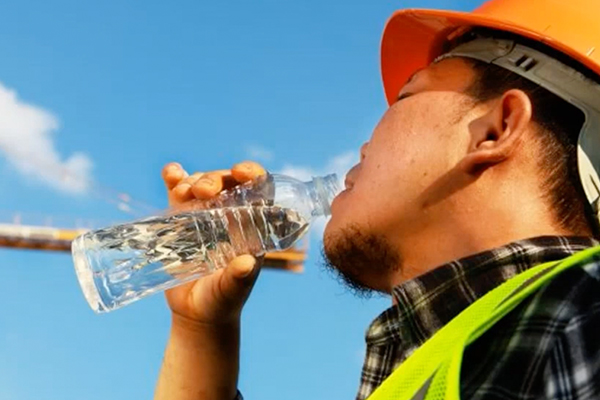
Waste workers face a unique combination of heat stress risks: direct sun, heavy lifting, repeated climbing, walking long routes, working near hot pavement, wearing protective clothing, and moving quickly to stay on schedule. When hydration is left up to chance, workers can become dehydrated before they realize how serious the situation has become.
That is why hydration programs are not optional. They are a core part of protecting outdoor waste workers from heat exhaustion, heat illness, lost productivity, medical emergencies, and preventable injuries.
A strong hydration program gives workers access to water, electrolytes, shade, rest, training, and supervisor support before heat stress becomes a crisis.
Why Waste Workers Face Serious Heat Stress Risks
Waste collection is physically intense work. Crews may lift heavy bags, roll containers, climb on and off trucks, walk long distances, handle bulky waste, and work around traffic while staying alert to changing route conditions.
During hot weather, the body has to work harder to cool itself. Sweat helps release heat, but it also removes fluid and electrolytes. When workers do not replace what they lose, dehydration can set in. As dehydration worsens, the body has a harder time regulating temperature, and heat exhaustion can develop.
Outdoor waste workers may also face heat exposure from several sources at once:
- Direct sunlight during collection routes
- Heat radiating from pavement and concrete
- Warm truck cabs and frequent cab entry
- Protective clothing and gloves that trap body heat
- Repetitive lifting and carrying
- Limited shade in open collection areas
- Long routes during peak heat hours
- Pressure to maintain pickup schedules
This combination makes heat safety a daily operational issue, not just a summer reminder.
Heat Exhaustion Can Build Quietly
One of the biggest dangers of heat stress is that symptoms may start subtly.
A worker may feel tired, thirsty, lightheaded, or slightly nauseated and assume it is normal fatigue from the route. A supervisor may notice slower movement or irritability but not immediately connect it to heat stress. By the time symptoms become obvious, the worker may already need urgent attention.
Early warning signs can include:
- Heavy sweating
- Thirst
- Fatigue
- Weakness
- Dizziness
- Headache
- Muscle cramps
- Nausea
- Cool, clammy skin
- Faster heartbeat
- Trouble concentrating
- Irritability or confusion
Waste workers should be trained to report symptoms early, and supervisors should treat those reports seriously. Waiting for a worker to “push through” can turn a manageable heat-stress situation into a medical emergency.