
The cheapest glove on a bid sheet is rarely the cheapest glove on the plant floor. Arbill’s longest client relationships began when someone on the client side stopped comparing unit prices and started asking what an injury costs.

That shift in thinking drives workplace safety partnership ROI more than any discount does. It changes what gets measured and who sits at the table when safety decisions get made.

What Injuries Cost Before Anyone Calls a Supplier

The 2025 Liberty Mutual Workplace Safety Index puts the direct cost of serious, nonfatal workplace injuries at $58.78 billion a year. Those figures cover medical and lost-wage payments only. Overtime and lost production add to that total.

At the claim level, the average workers’ compensation claim runs $41,003. A single serious OSHA citation can add up to $16,550 under current penalty levels. Against numbers like these, a few cents saved per pair of gloves rarely changes the total.

Why a Safety-Only Partner Looks at Cost Differently

Arbill sells safety and nothing else. The specialists who visit your sites spend their entire careers on PPE and compliance, and a safety recommendation never competes with janitorial supplies or MRO parts for attention.

That focus changes the first conversation. Instead of a line card, it starts with your injury history and your highest-risk tasks. Price still matters. It just stops being the only number on the table.

Explore Safety Solutions

What a Strong Safety Company Partnership Looks Like

We have worked alongside some of these organizations for decades. The patterns repeat across very different industries.

They let us see the work

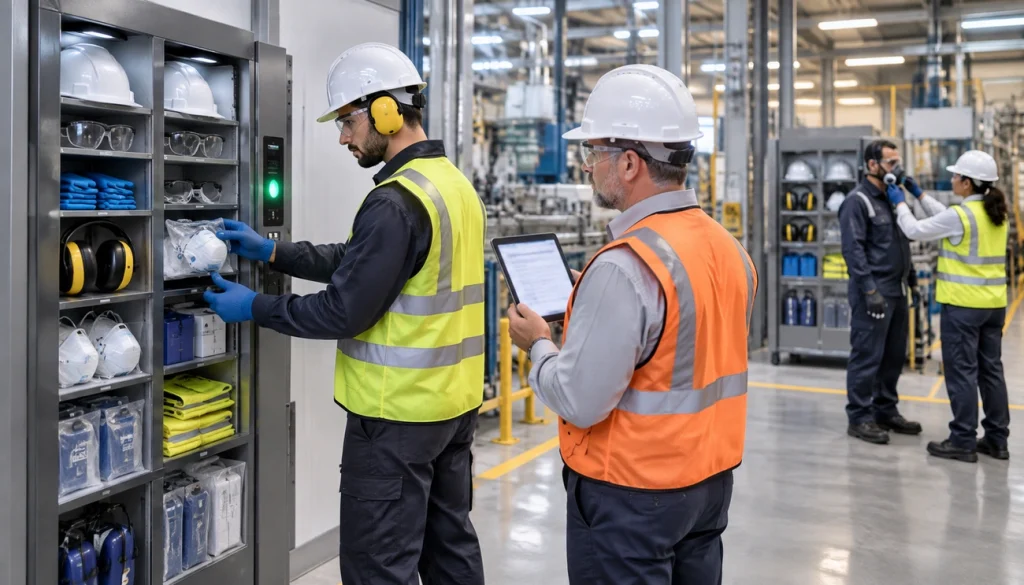
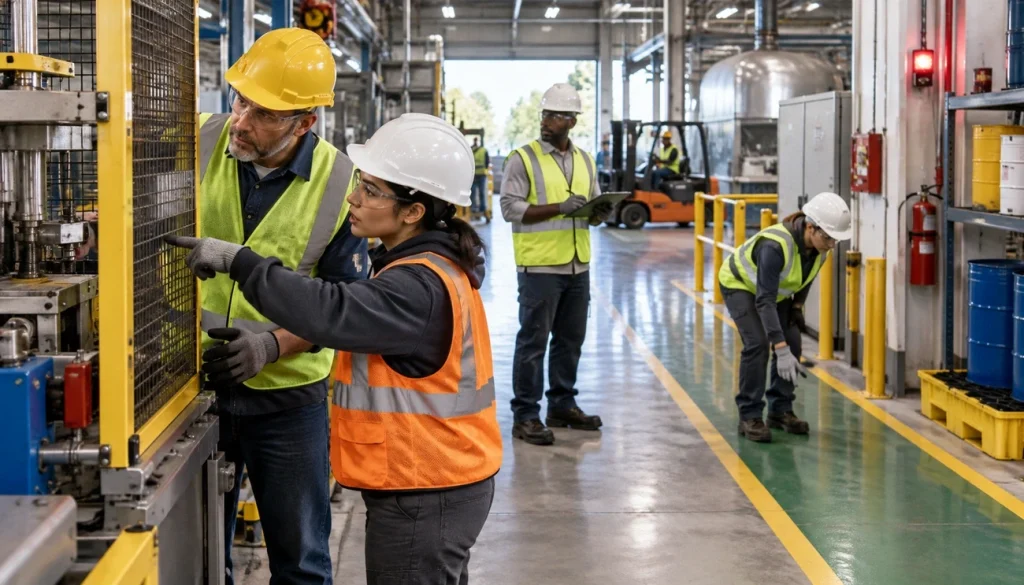
A large waste management company with more than 20,000 workers asked Arbill to sort out its glove program. Our safety specialists visited more than 20 of its facilities to watch the actual tasks before recommending anything. On those walks, specialists watch how a glove fails and which tasks never made it into a written procedure. Product decisions made after a site walk hold up far longer than decisions made from a catalog.

They standardize before they shop

That same client was buying more than 250 glove SKUs. The program moved to 33, then consolidated to two manufacturers with ANSI A4 cut protection as the baseline. Supervisors could recognize the right glove at a glance, and the number of participating locations doubled as sites saw the results.

They measure what happens on the floor

A steel manufacturer with more than 25,000 workers, nearly half of them in hot environments, asked Arbill to evaluate its safety programs and PPE use. A company-wide hydration program led to zero heat stress incidents, even after an additional layer of PPE was added. Replacing welding uniforms with high-visibility, flame-resistant welding jackets improved visibility for overhead crane operators and saved more than $400,000 a year in that program alone.

Smaller changes added up as well. Upgraded safety glasses cut lens fogging between cold yards and hot mill floors, and each pair cost $4 less than the glasses they replaced.

They bring us the hard specifications

An agricultural agency issued a bid for protective clothing against unknown contaminants. The garment in its specification had been tested against 30 contaminants. Arbill recommended the agency revisit the specification and offered an alternative tested against more than 3,000. The agency updated its requirements, and its people now wear PPE matched to the environment they work in.

They give a program time to work

First-year savings usually come from consolidation and pricing. The larger returns arrive in years two and three, as injury trends shift and the program becomes part of how each site operates. Clients who judge a partnership on its first quarter rarely see that second wave.

How to Measure EHS Consulting ROI

Partnership value shows up in four places. Avoided injuries are the largest, and OSHA’s Safety Pays estimator helps put a dollar figure on each one. 

Inventory savings come next, from fewer SKUs and less waste. Cutting 250 glove SKUs to 33 also cuts the items purchasing has to source and store. Compliance exposure and administrative time round out the picture, and both get easier to see once the product side is standardized.

The clients who see the clearest return set a baseline before any program changes, then measure the same numbers each quarter. Without a baseline, real savings turn into anecdotes.

Here is a simple example. If a program change prevents two injuries that would otherwise have become average workers’ compensation claims, the avoided direct cost is about $82,000 before overtime and lost production are counted. Set that figure beside the program’s annual cost, and the conversation with finance gets much shorter.

Questions Worth Asking Any Safety Partner

Two questions separate a supplier from a partner. Will they visit your sites before recommending products? Can they show documented cost savings from clients with similar operations?

Reporting comes next, including how often results get shared and in what format. The most important question over time is who owns the data your program generates. In the partnerships that last, the answer is always the client.

Discover EHS Services

”As long as people go to work, we have an opportunity to help protect them.

Julie Copeland
Arbill CEO

Julie Copeland Arbill CEO

Outsourced Safety Management That Keeps You in Charge

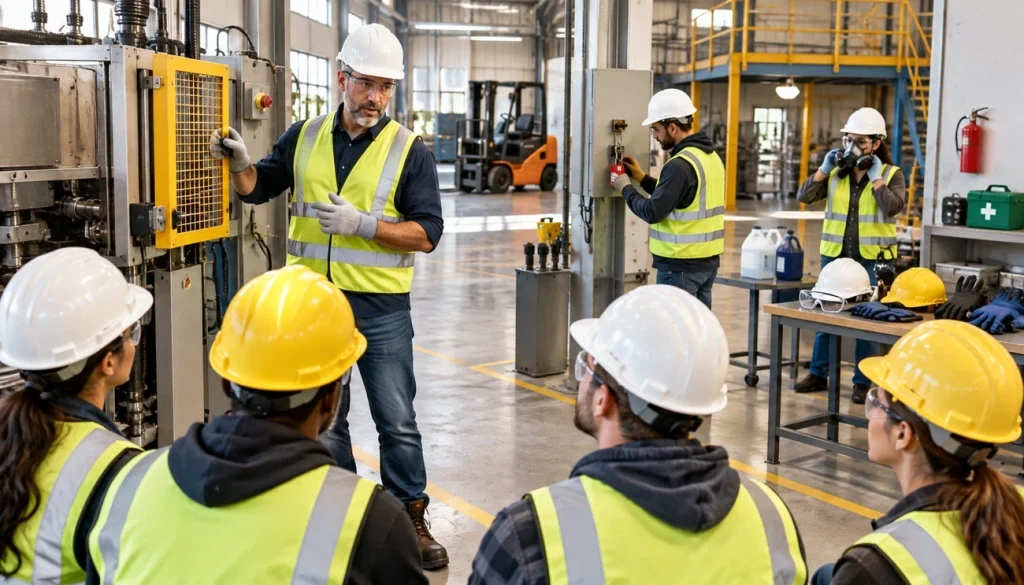
Some EHS leaders worry that bringing in a partner means handing over control. The arrangements that last work the other way. The client sets priorities and owns decisions, while Arbill handles assessments, training delivery, PPE programs and the data behind them.

In practice, the client’s EHS lead sets the year’s priorities after an assessment, and Arbill reports back each quarter on training completion and PPE usage. Decisions stay with the people who know the site best.

Arbill has protected workers since 1945, under three generations of family leadership. Through all of it, the business has held to one idea about partnerships: they work best when both sides come out ahead. That idea still shapes how we structure every client relationship.

Many of our longest partnerships started with a single assessment. Schedule an EHS Assessment and let’s look at what your safety program costs today and where it could deliver more.

Always Safety.

Recent Posts

The ROI of a Safety Partnership: What Our Longest-Running Clients Have in Common

The ROI of a Safety Partnership: What Our Longest-Running Clients Have in Common

How to Conduct a Risk Assessment That Actually Prevents Workplace Injuries
How to Identify Workplace Hazards Before They Lead to Injuries

How to Identify Workplace Hazards Before They Lead to Injuries

How Managed Personal Protective Equipment Programs Cut Costs While Keeping You Compliant
How Managed PPE Programs Help Businesses Reduce Costs and Improve Compliance

How Managed PPE Programs Help Businesses Reduce Costs and Improve Compliance

How to Build an Effective Workplace Safety Program for Your Business

How to Build an Effective Workplace Safety Program for Your Business

Workplace Safety Training Requirements Every Employer Must Follow
Workplace Safety Training Requirements: What Employers Need to Know

Workplace Safety Training Requirements: What Employers Need to Know

  • Next ProjectHow to Identify Workplace Hazards Before They Lead to Injuries

CUSTOMER SERVICE

800-523-5367

CONTACT US

Complete the short form below and an Arbill representative will get back to you within 24 hours.
* Required Fields

    ARBILL RESPECTS YOUR PRIVACY AND YOUR INFORMATION: By submitting the form above you agree to receiving emails from Arbill. Your submitted information is NEVER shared. You may unsubscribe at any time via the "unsubscribe" link in our emails. You can view our Privacy Policy HERE.