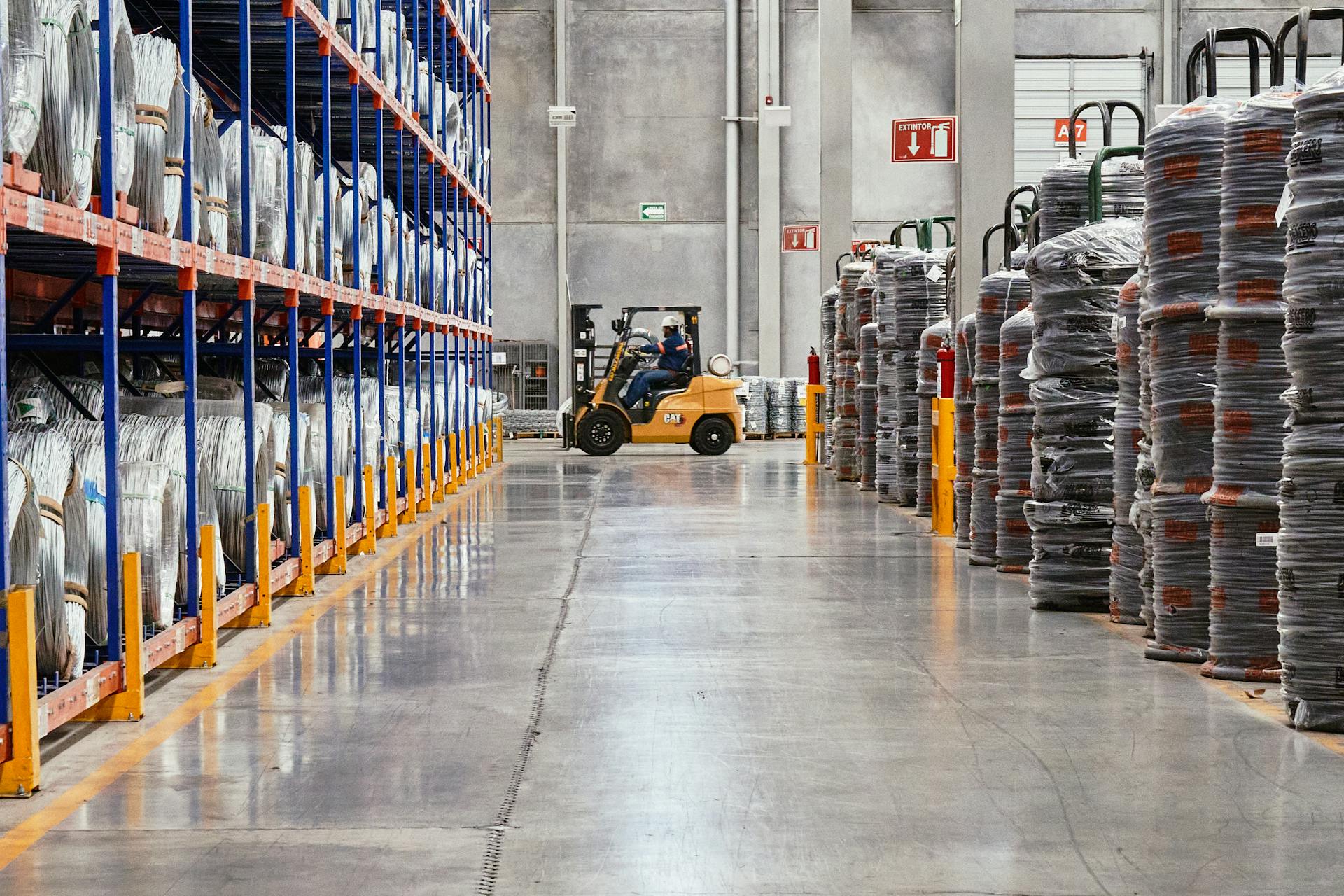
The safety manager at a high-volume distribution center had done everything right on paper. Forklift operators were certified, pedestrian walkways were marked and enforced, speed limits were posted throughout the facility, and mirrors were installed at every major intersection. A near-miss reporting system was in place, and workers were trained on how to use it.
Close calls kept happening regardless.
The issue was the challenge of physics and attention in a shared space, where forklift accidents account for 30% of warehouse incidents. Blind corners, dock areas with reduced visibility, and crowded aisles all created conditions for rapid movement of both forklifts and pedestrians. The mirrors and markings helped, but couldn’t address distractions, obstructed sightlines, or inexperienced workers. That is where serious incidents occur.
The Decision to Pilot Something Different
When the safety team evaluated TruSense Forklift, the initial conversation was straightforward. They were looking for a layer of protection that would work even when human awareness failed, because on a busy warehouse floor, human awareness always fails eventually.
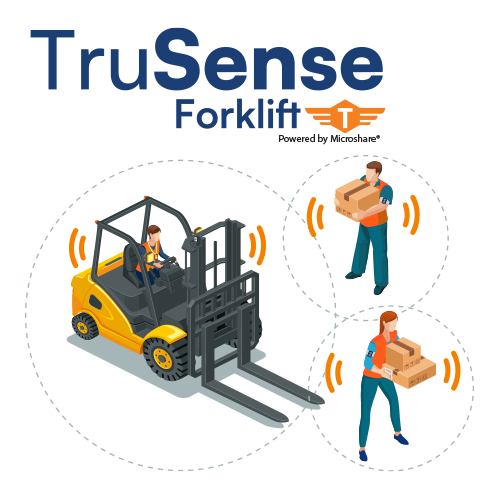
TruSense uses wearable sensors for pedestrians and mounts them on forklifts. When a forklift comes within six feet of a sensor-wearing person, both receive instant vibration and light alerts. The response is automatic, needing no action from workers, and works in real time regardless of visibility. It does not require eye contact, workers looking up, or remembering to check a mirror.
The pilot began in the two highest-risk facility areas: the inbound dock zone, where forklifts and delivery workers frequently crossed paths, and the main cross-aisle, where office pedestrians regularly crossed primary forklift lanes. Setup took under a day. Sensors were attached with Velcro, pedestrian units distributed at shift start and worn at the waist or in vest pockets, with no forklift modifications. Warranties remained intact, and operations proceeded without disruption.