
Cut-resistant gloves represent one of the most critical investments for metal fabrication facilities where sharp edges, jagged materials, and cutting tools create constant hand injury risks. Hand lacerations account for a significant portion of workplace injuries in this industry, resulting in substantial medical expenses and lost productivity. Selecting the appropriate glove protection can dramatically reduce these incidents while improving your bottom line. This guide walks you through understanding cut hazards specific to metal fabrication, explaining cut-level ratings, choosing the right gloves for different tasks, implementing an effective glove program, and calculating the return on investment from reduced injury costs.

Understanding Cut Hazards in Metal Fabrication

Metal fabrication shops expose workers to multiple cutting hazards every shift. Understanding where these risks originate and how they manifest helps facilities select appropriate hand protection and establish better safety protocols.

Common sources of hand injuries

Sheet metal poses one of the most frequent cutting hazards. The edges remain razor-sharp after cutting operations, whether from shears, plasma cutters, or laser systems. Workers handle these pieces throughout fabrication, from initial cutting through bending, forming, and final assembly. Burrs created during machining and drilling operations add another layer of risk, creating sharp protrusions that catch skin unexpectedly.

Metal fabrication equipment introduces mechanical cutting hazards. Press brakes, punch presses, and stamping equipment create pinch points where sharp edges meet with tremendous force. Similarly, grinding and deburring tools generate metal shavings and sharp particles that can lacerate hands during operation or cleanup. Even hand tools like files, scrapers, and chisels present cutting edges that require careful handling.

Raw materials arrive with inherent hazards. Steel plates, aluminum extrusions, and metal rods often feature sharp corners and edges from manufacturing and transportation. Workers moving these materials from storage to workstations face exposure before fabrication even begins.

Types of cuts and lacerations in metal work

Superficial cuts occur most frequently when workers brush against sharp edges or handle materials without adequate protection. These injuries may seem minor but accumulate over time, leading to chronic hand problems and increased infection risk.

Deep lacerations result from higher force contact with sharp edges or tools. These injuries penetrate beyond the skin into underlying tissue, potentially damaging tendons, nerves, and blood vessels. Such wounds require immediate medical attention and often result in extended recovery periods.

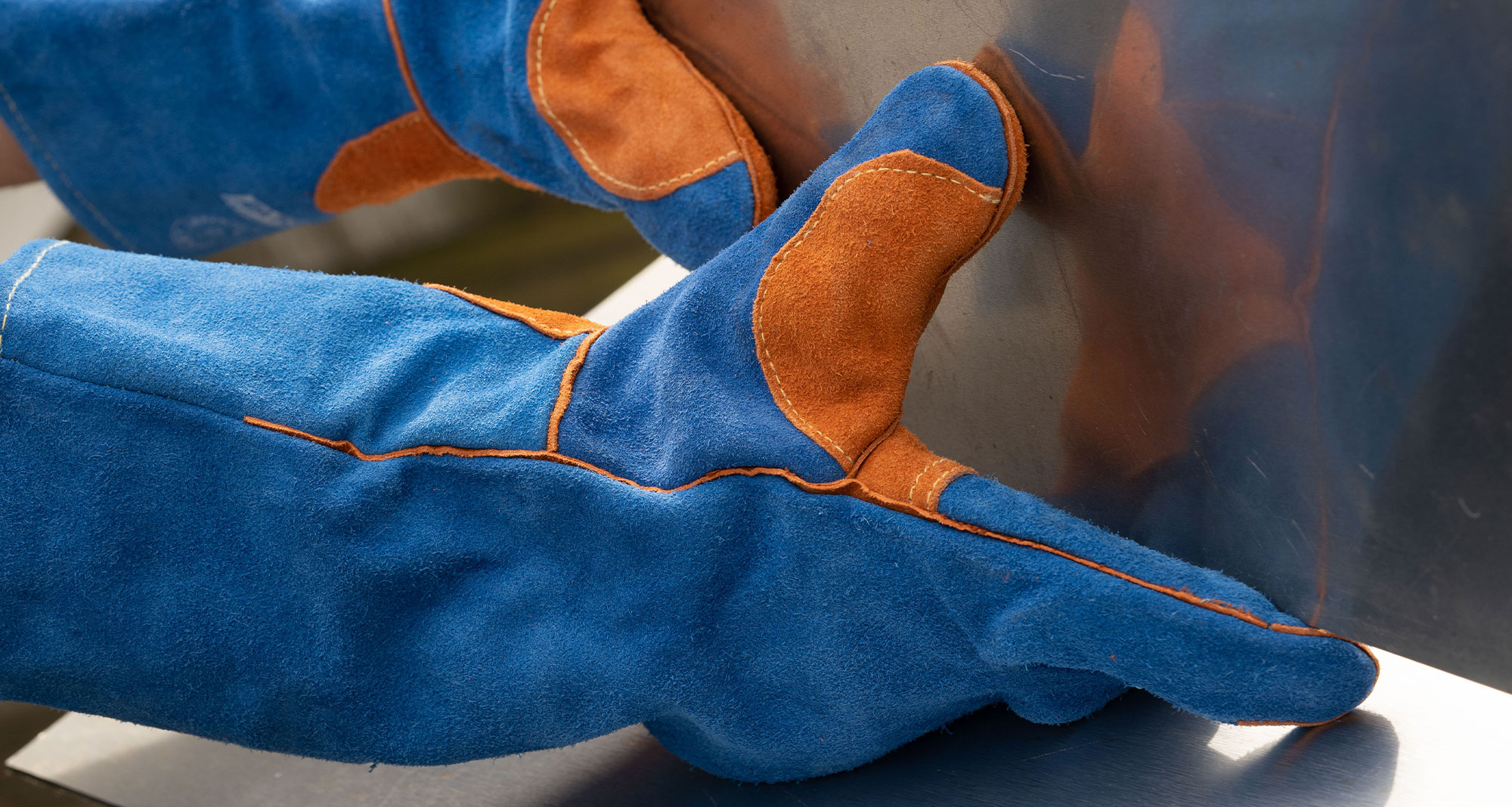
Puncture wounds happen when workers grip materials with protruding burrs or sharp points. The thumb area proves particularly vulnerable during gripping operations, which explains why many cut-resistant gloves feature reinforced thumb patches for this high-wear zone.

Slicing injuries occur during material handling when sheets or plates slide across palms or fingers. The combination of weight, momentum, and sharp edges creates clean cuts that bleed profusely and heal slowly.

High-risk tasks and processes

Material sorting and stock selection present significant hazards. Workers reach into bins, sort through stacked materials, and select pieces for projects, all while navigating sharp edges in confined spaces with limited visibility.

Deburring operations require direct hand contact with sharp edges and abrasive surfaces. Workers must apply pressure and maintain control while removing burrs, increasing both contact force and duration of exposure.

Assembly work combines multiple hazards. Positioning parts, aligning holes, and holding pieces during welding or fastening all require precision hand movements around sharp edges. The focus on alignment and fit can distract from hand safety.

Quality inspection processes require hands-on examination of finished parts. Inspectors run fingers along edges to detect defects, check for burrs, and verify smooth transitions between surfaces. This tactile inspection method puts hands in direct contact with potential cutting hazards while requiring enough dexterity to detect subtle imperfections.

Scrap removal and cleanup operations often receive less attention in safety planning, yet workers handle sharp offcuts, metal shavings, and damaged pieces without the same caution applied during production. The combination of haste and sharp materials creates a perfect storm for hand injuries.

Explore Our Solutions!
Arbill cut-resistant gloves

What Are Cut-Resistant Gloves and How They Work

Cut-resistant gloves function as a barrier between workers’ hands and sharp materials by incorporating specialized fibers that resist cutting forces. These gloves don’t make hands invincible, but they significantly reduce the depth and severity of cuts when contact with sharp edges occurs. The protection level varies based on the materials used in construction, the thickness of the glove, and the type of coating applied to the surface.

Cut-resistant materials explained

High Performance Polyethylene (HPPE) forms the foundation of most modern cut-resistant gloves. This engineered fiber creates a flexible yet tough shell that resists cutting and slicing forces while maintaining enough flexibility for workers to grip tools and materials. The gage of the glove determines its thickness and weight. An 18-gage construction offers high dexterity, allowing workers to handle small fasteners, align precision parts, and operate controls without removing their gloves. Thicker gages provide more protection but sacrifice tactile sensitivity and finger mobility.

The knitting pattern also affects protection levels. Tighter knits create more resistance to sharp edges, while looser patterns improve breathability and comfort. Manufacturers balance these factors based on the intended application and required protection level.

ANSI cut level ratings (A1-A9)

The American National Standards Institute established a nine-level rating system to standardize cut resistance measurements. This system tests how much force a blade requires to cut through the glove material under controlled conditions. The ratings range from A1 (lowest protection) to A9 (highest protection), with each level representing a specific gram weight of cutting force the material can withstand.

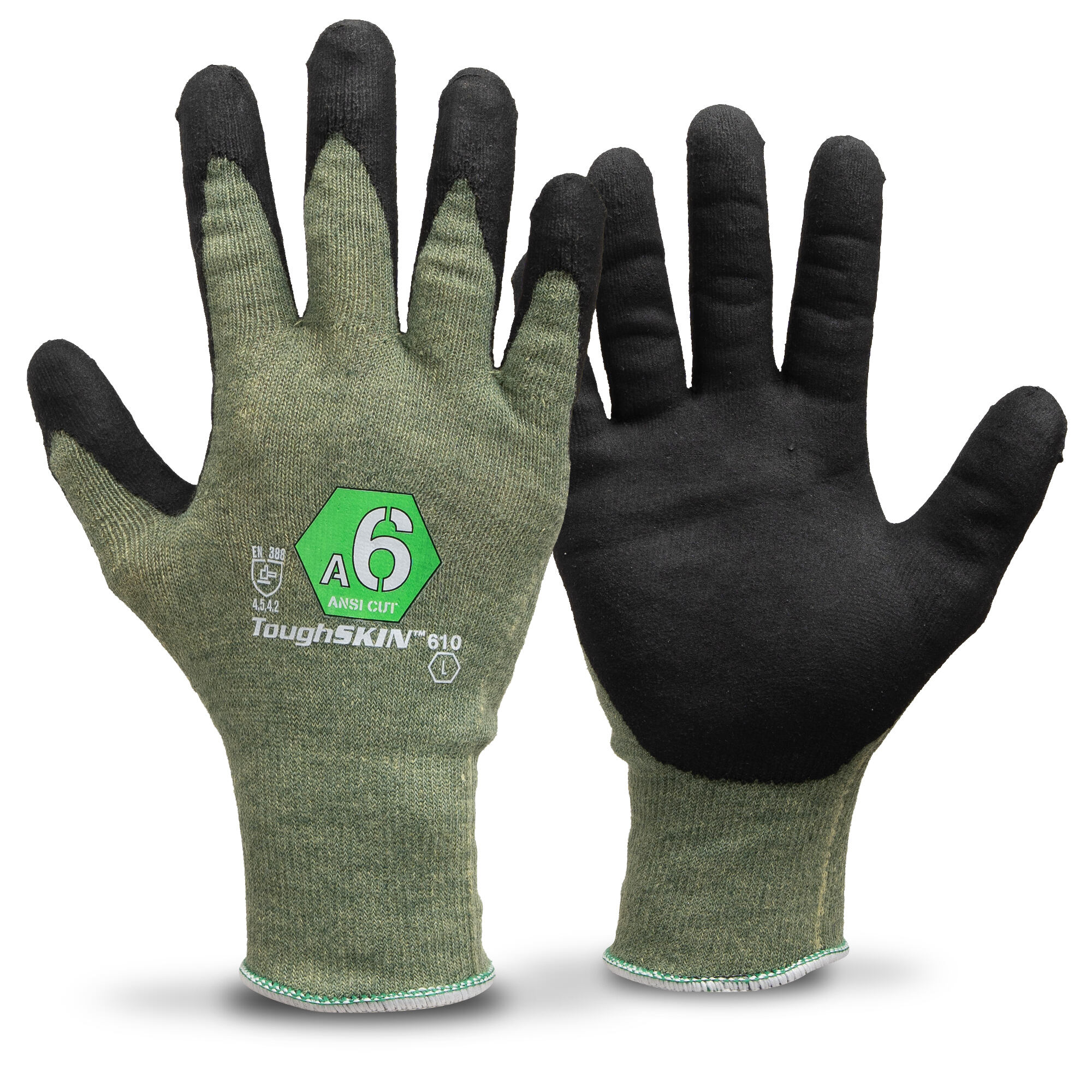
A Level A4 cut protection represents a mid-to-high protection tier suitable for metal fabrication tasks. This rating provides what industry professionals describe as top-notch protection for handling sheet metal, deburred parts, and general fabrication materials. Workers can safely grip sharp edges and handle materials with burrs without suffering lacerations during normal operations. The A4 level strikes a balance between protection and usability, whereas higher levels might restrict movement and lower levels leave workers vulnerable to common fabrication hazards.

Coating types and their benefits

Microfoam nitrile coating transforms the base cut-resistant shell into a practical work glove. This coating material adheres to the palm and fingers, creating a textured surface that improves grip performance. The microfoam structure ensures reliable grip even in wet conditions, allowing workers to maintain control of oily parts, materials covered in cutting fluid, or components handled with sweaty hands.

Nitrile resists oils, greases, and many chemicals common in metal fabrication environments. The coating also adds durability to high-wear areas. In addition, reinforced thumb patches address the vulnerability of this frequently exposed area during gripping operations, adding crucial protection exactly where workers need it most.

The coating thickness affects both grip and dexterity. Thinner coatings maintain tactile sensitivity for precise work, while thicker applications improve durability and chemical resistance. Modern formulations can incorporate touchscreen compatibility, enabling workers to operate digital measuring tools, tablets, and control panels without removing their gloves.

Choosing the Right Cut-Resistant Gloves for Metal Fabrication

Selecting appropriate cut-resistant gloves requires matching protection levels with actual workplace hazards rather than defaulting to maximum protection for every task. The decision involves balancing multiple factors that affect both safety and productivity.

Matching cut levels to specific tasks

Metal fabrication tasks demand different protection tiers based on the sharpness of materials and force of contact. General material handling with deburred parts works well with A2 or A3 protection. However, working with freshly cut sheet metal, handling parts with remaining burrs, or gripping materials during assembly operations requires A4 level protection. This mid-to-high tier handles the sharp edges and potential puncture points common in fabrication without the bulk of higher-rated gloves. Tasks involving extremely sharp or serrated edges, such as working with expanded metal or handling scrap with jagged tears, may warrant A5 or A6 protection.

Dexterity vs. protection trade-offs

Gage selection determines how well workers can perform detail-oriented tasks while protected. An 18-gage construction provides high dexterity, enabling workers to handle small fasteners, operate equipment controls, and maintain precision during assembly. This gage allows impressive tactile sensitivity, meaning workers can feel part alignment, detect surface irregularities during inspection, and maintain control during delicate operations.

Thicker 13-gage or 15-gage options offer more protection but restrict finger movement and reduce sensitivity. Workers may struggle with small parts or resort to removing gloves for precision work, defeating the safety purpose. Accordingly, facilities should assign gloves based on task requirements rather than issuing one type for all applications.

Coating selection for grip and durability

Beyond the cut-resistant shell, coating choice affects daily performance. Microfoam nitrile creates a textured surface that maintains grip on oily components and metal stock covered in cutting fluids. The microfoam structure works equally well in dry conditions, eliminating the need to switch gloves between different materials or processes.

Reinforced patches in high-wear areas extend glove life while adding protection where contact occurs most frequently. The thumb area suffers constant abrasion during gripping, and reinforced coverage in this zone prevents premature failure. Some gloves feature reinforced fingertips as well as palm areas for workers who frequently push or position sharp-edged materials.

Size and fit considerations

Proper sizing affects both protection and usability. Gloves available in sizes from small through 2X accommodate different hand dimensions, but workers must select the correct size rather than making do with what’s available. Loose gloves bunch in the palm, reducing grip and creating snag hazards around rotating equipment. Tight gloves restrict blood flow during extended wear and fatigue hands faster.

Workers should be able to make a fist without excess material pooling between fingers. The glove should reach the wrist without gaps but not extend so far up the forearm that it interferes with sleeve cuffs or catches on materials.

Touchscreen compatibility and additional features

Modern fabrication environments incorporate digital tools for measurements, work orders, and quality documentation. Touchscreen-compatible gloves allow workers to operate tablets, digital calipers, and control panels without removing hand protection. This feature maintains workflow efficiency while keeping hands protected between tasks.

Following the same principle, some gloves incorporate color coding for quick visual identification of protection levels, helping supervisors verify workers wear appropriate protection for their assigned tasks.

As long as people go to work, we have an opportunity to help protect them.

Julie Copeland
Arbill CEO

Julie Copeland Arbill CEO

Implementing a Cut-Resistant Glove Program

Program success depends on systematic implementation rather than simply purchasing gloves and distributing them to workers. A structured approach ensures workers receive appropriate protection while maintaining compliance and controlling costs.

Conducting a workplace hazard assessment

Walk through your facility and document every task where workers handle materials or tools. Note the type of sharp edges present, the force of contact, and how frequently exposure occurs. This assessment identifies which areas require A4 protection versus lower-rated gloves for less hazardous tasks. Safety assessments should involve supervisors who understand daily operations and workers who can describe actual hand positions and contact points during their tasks.

Map your findings to specific work zones and shifts. Different departments may have varying hazard profiles even within the same facility. Following this assessment, create a matrix matching job roles to required glove specifications.

Training workers on proper glove selection

Workers need to understand why different gloves exist and how to select appropriate protection for each task. Multilingual training materials ensure every team member comprehends the selection criteria, particularly in diverse workforces. Product descriptions and pictures help workers identify correct gloves from available inventory.

Demonstrate proper donning techniques and explain how fit affects protection. Show workers how to inspect gloves before use and recognize signs of damage that compromise safety. On this occasion, hands-on training proves more effective than written instructions alone.

Establishing glove replacement schedules

Cut-resistant gloves don’t last indefinitely. Set replacement intervals based on usage intensity rather than calendar time. Workers handling sharp materials continuously may need fresh gloves weekly, whereas those with intermittent exposure might use pairs for several weeks.

Stock only the sizes and quantities your workers need based on your hazard assessment. This approach prevents excess inventory while ensuring availability. Generate reports that provide visibility into which PPE is being used, allowing you to adjust stock levels and identify unusual consumption patterns that might indicate improper use or inadequate training.

Monitoring compliance and usage

Implement systems that track glove distribution and usage patterns. PPE vending solutions with touchscreen displays can control access while documenting who takes which gloves and when. These systems hold between 810 and 1,080 different products, accommodating various protection levels and sizes in one location.

Regular observations confirm workers wear appropriate gloves for their assigned tasks. Correspondingly, usage data reveals whether certain departments exhaust supplies faster than expected, signaling either higher hazard levels or training gaps requiring attention.

See Our Safety Services!
Truline Tougskin 418 Gloves

How Cut-Resistant Gloves Reduce Injury Costs

The financial burden of hand injuries extends far beyond the immediate medical treatment, creating cascading costs that impact every aspect of operations. Understanding these expenses helps justify protective equipment investments and demonstrates why cut-resistant gloves deliver measurable returns.

Direct costs: medical expenses and workers’ compensation

Emergency room visits, sutures, antibiotics, and follow-up appointments create immediate expenses. Deep lacerations requiring tendon repair or nerve reconstruction generate surgical costs and extended medical care. Workers’ compensation premiums increase following claims, and experience modification rates rise with injury frequency. Multiple incidents within a rating period compound these premium increases, affecting insurance costs for years after the injuries occur.

Indirect costs: productivity loss and training replacements

Injured workers miss shifts during recovery, forcing supervisors to redistribute work among remaining staff or hire temporary replacements. Production schedules slip when experienced workers sit idle. Training replacement workers consumes supervisor time and reduces output quality during the learning curve. Even after returning to work, injured employees may require light duty assignments, limiting their contribution while drawing full wages. Incident investigations, paperwork processing, and safety meetings following injuries consume management hours that could drive revenue-generating activities.

Calculating ROI on cut-resistant gloves

Compare annual injury costs against glove program expenses. Total your medical claims, workers’ compensation increases, and productivity losses from the previous year. Set this against your glove investment, including purchase costs and program administration time. Most facilities discover that preventing even one serious laceration justifies the entire annual glove budget.

Real-world cost savings examples

A dozen pairs of A4-rated cut-resistant gloves with microfoam nitrile coating, touchscreen compatibility, and reinforced wear areas costs $169.71. This investment equips multiple workers or provides replacement inventory for high-use areas. One prevented laceration requiring emergency treatment and missed work time typically exceeds this cost many times over, demonstrating immediate positive returns on protection investments.

Conclusion

Cut-resistant gloves protect your workforce while delivering measurable financial returns through reduced injury costs. A4-rated gloves with microfoam nitrile coating handle most metal fabrication tasks effectively, providing the balance between protection and dexterity your workers need.

As demonstrated, preventing just one serious laceration typically justifies your entire annual glove investment. The key lies in matching protection levels to specific tasks, training workers on proper selection, and monitoring usage through structured programs.

Start by conducting a thorough hazard assessment of your facility. Identify high-risk tasks, select appropriate gloves for each application, and implement a tracking system to ensure compliance. The results should appear quickly as hand injury rates decline and associated costs drop.

Request a Safety Assessment

Recent Posts

TruSense Forklift Safety
Forklift Blind Spots Are Killing Workers: How TruSense Is Changing Warehouse Safety in Real Time

Forklift Blind Spots Are Killing Workers: How TruSense Is Changing Warehouse Safety in Real Time

importance of PPE
Roadside to Processing Plant: A Head-to-Toe PPE Guide for Waste Collection and Sorting Workers

Roadside to Processing Plant: A Head-to-Toe PPE Guide for Waste Collection and Sorting Workers

Crystalline Silica Protection
Silica Dust, Fumes, and Grinding Debris: Building a Respiratory Protection Program That Actually Gets Used

Silica Dust, Fumes, and Grinding Debris: Building a Respiratory Protection Program That Actually Gets Used

Welding Hot Work Glove
The Hidden Hand Hazards in Metal Fabrication and How the Right Cut-Resistant Gloves Save Fingers

The Hidden Hand Hazards in Metal Fabrication and How the Right Cut-Resistant Gloves Save Fingers

Woman checking safety program on laptop
7 Signs Your Workplace Safety Program Is Overdue for a Reset

7 Signs Your Workplace Safety Program Is Overdue for a Reset