Preventing respiratory exposure sounds simple on paper. Identify the hazard, choose the right protection, train the team, and move forward.
In the real world, it is not always that easy.
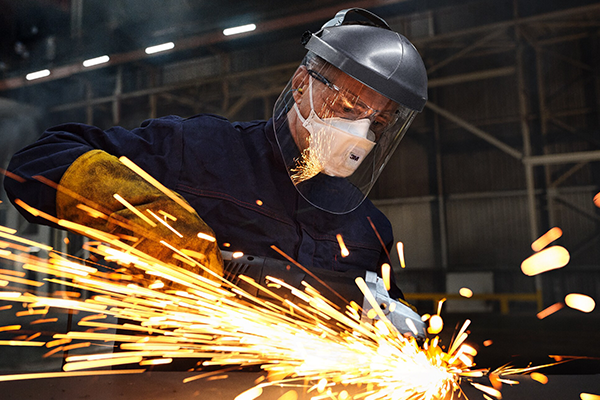
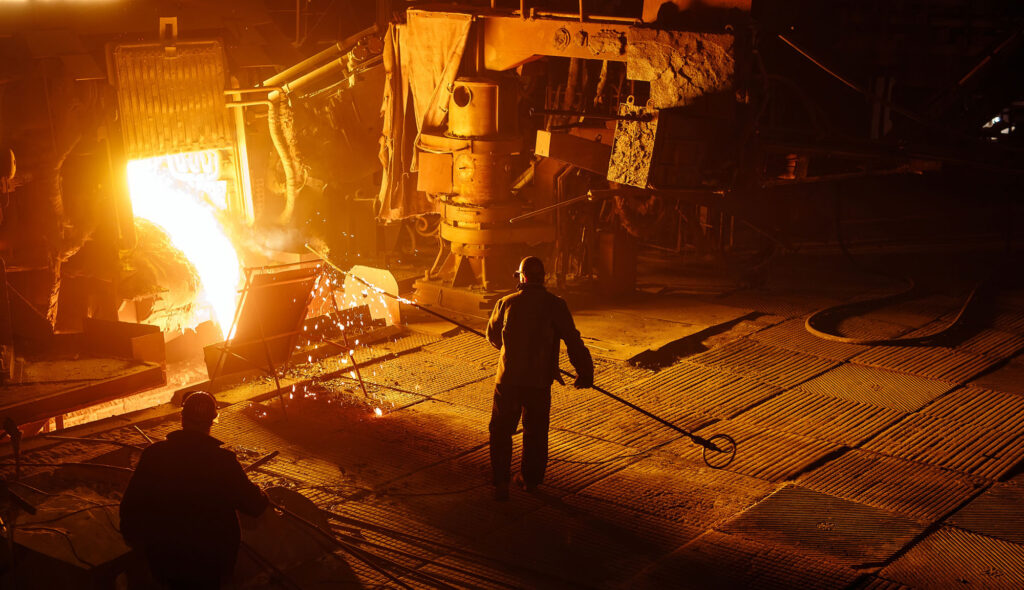
Respiratory hazards show up in active work zones, fabrication shops, construction sites, maintenance areas, and industrial facilities where cutting, grinding, drilling, sanding, welding, blasting, or cleanup activities are part of the job. Silica dust, metal fumes, and grinding debris may not always be visible, but they can create serious long-term health risks when workers breathe them in day after day.
The challenge is not just building a respiratory protection program. The challenge is building one workers actually understand, trust, and use consistently.
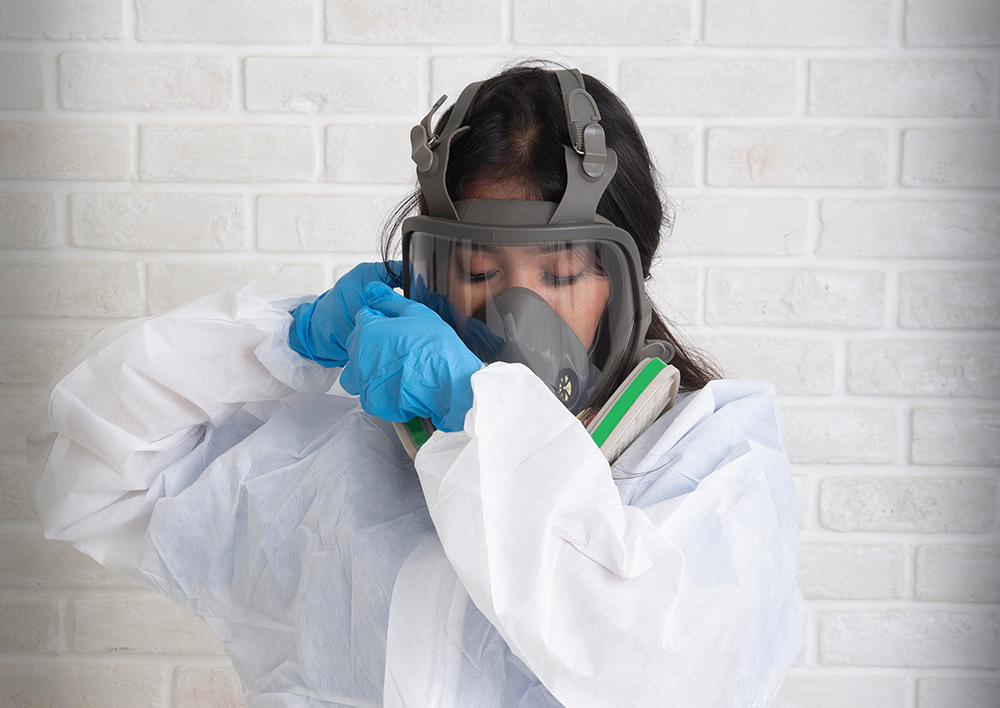
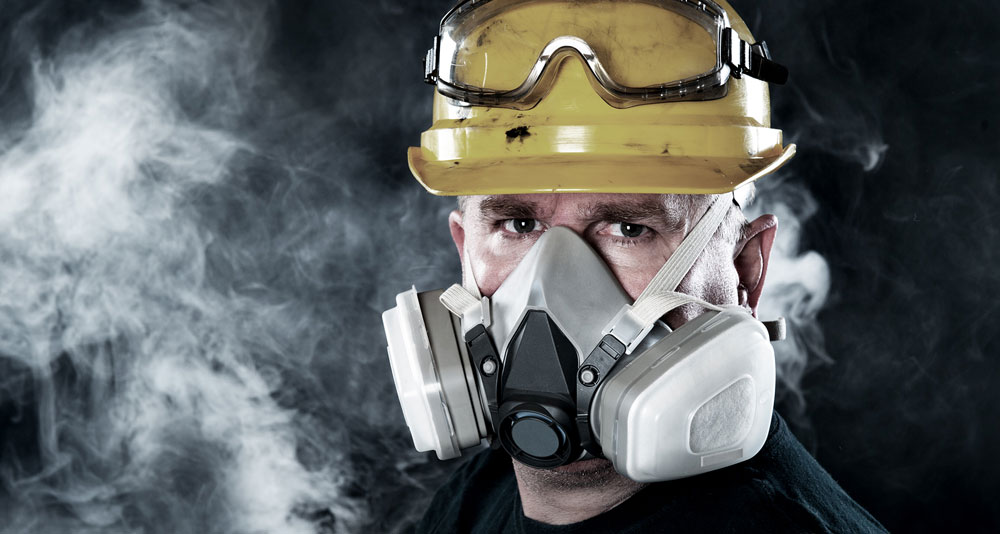
This guide explains how to create a practical respiratory protection program for silica dust, fumes, and grinding debris by focusing on hazard assessment, exposure controls, respirator selection, training, fit, maintenance, and everyday usability.
Why Respiratory Hazards Are Easy to Underestimate
Respiratory hazards are different from many other workplace risks. A cut, burn, or fall is immediate. Dust and fumes can feel less urgent because the damage may not show up right away.
That delay is what makes them dangerous.
Respirable crystalline silica, for example, is created when materials such as concrete, stone, brick, mortar, sand, and similar silica-containing materials are cut, drilled, crushed, or ground. These particles are small enough to travel deep into the lungs. OSHA notes that respirable crystalline silica exposure can cause silicosis, lung cancer, COPD, kidney disease, autoimmune disorders, and cardiovascular impairment.
Grinding debris and airborne particles can also irritate the respiratory system, especially when dry grinding, sanding, abrasive blasting, or cleanup activities release fine dust into the air. Fumes from welding, thermal cutting, and other hot work may contain hazardous airborne contaminants depending on the base metal, coatings, consumables, and work environment.
The key point is simple: if workers can breathe it in, the hazard needs to be assessed and controlled.
Where Silica Dust, Fumes, and Grinding Debris Come From
Respiratory hazards often appear during routine tasks. That is why programs fail when they only focus on obvious high-risk operations.
Common sources include:
- Cutting, drilling, grinding, or crushing concrete, masonry, brick, stone, tile, mortar, or asphalt
- Dry sweeping or using compressed air to clean dusty work areas
- Grinding, sanding, or polishing metal surfaces
- Welding, brazing, soldering, or thermal cutting
- Abrasive blasting or surface preparation
- Demolition and renovation work
- Material handling in dusty environments
- Maintenance tasks performed near settled dust or airborne residue
The original draft correctly identifies construction, manufacturing, stone fabrication, sandblasting, mining, quarrying, landscaping, and maintenance work as common exposure areas. It also explains that secondary exposure can occur when settled dust is stirred back into the air during cleanup.
A strong respiratory protection program should account for both primary exposure and secondary exposure. Workers who do not directly cut, grind, or weld may still be at risk if they work nearby or clean contaminated areas.