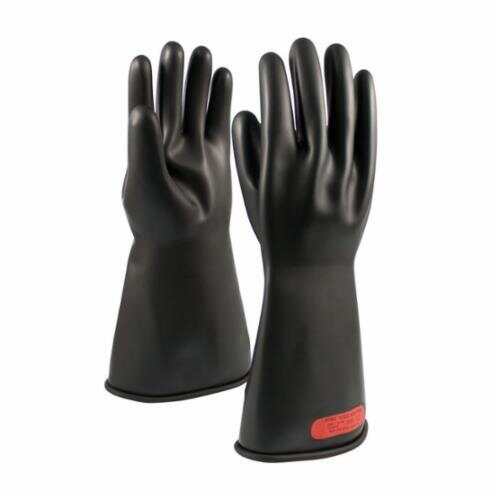
Rubber insulating gloves are one of the most important pieces of PPE a utility worker can wear.
They are also one of the easiest pieces of PPE to mismanage.
Many utility teams purchase quality voltage-rated gloves, issue them to crews, and assume the protection is handled. But electrical gloves do not stay compliant simply because they look intact. Rubber can degrade. Gloves can be punctured, contaminated, crushed, stored incorrectly, or used past their testing window.
That creates a serious problem.
A glove that appears fine may no longer protect against electrical shock. A crew may believe they are protected while using equipment that should have been removed from service. A safety manager may not realize a testing deadline was missed until an audit, incident, or near miss exposes the gap.
Electrical glove testing is not a paperwork detail. It is a core part of worker protection.
For utilities, power plants, substations, service yards, field crews, and emergency response teams, a structured glove testing program helps keep workers protected, equipment compliant, and documentation ready when it matters.
Why Electrical Glove Testing Matters
Utility workers face electrical hazards in environments that change constantly.
They may work in substations, near energized conductors, around switchgear, inside power generation facilities, along roadside service areas, or in storm-damaged environments. In these settings, electrical shock can happen in seconds, and the consequences can be severe.
Rubber insulating gloves are designed to create a barrier between the worker and energized electrical parts. But that barrier only works if the glove still has the insulating strength required for the voltage exposure.
The uploaded draft makes this point clearly: rubber insulating gloves protect workers only when they are tested, tracked, and replaced on schedule. A glove may appear intact but still have microscopic damage, chemical contamination, or age-related deterioration that reduces its protective ability.
Visual inspection is important, but it is not enough. Workers cannot see dielectric weakness with the naked eye. That is why OSHA requires electrical testing at specific intervals.
What OSHA Requires Under 1910.137
OSHA 1910.137 covers electrical protective equipment, including rubber insulating gloves, sleeves, blankets, covers, line hose, and other insulating equipment.
For rubber insulating gloves, OSHA requires electrical testing before first issue and every six months thereafter. Testing is also required when the insulating value is suspect, after repair, and after use without protector gloves. OSHA also requires insulating equipment to be inspected for damage before each day’s use and immediately after any incident that could reasonably be suspected of causing damage.
For utility safety managers, that creates several responsibilities:
- Gloves must be tested before being issued.
- Gloves in service must be retested every six months.
- Gloves must be inspected before daily use.
- Gloves must be removed if damage or contamination is suspected.
- Testing records must be maintained.
- Crews must have access to compliant replacement gloves.
- Gloves must be properly stored and protected between uses.
The requirement sounds simple. Managing it across multiple crews, locations, shifts, and emergency response needs is not.
Why Utility Programs Often Fall Behind
Electrical glove testing is often missed because it sits in the space between PPE management, field operations, and compliance documentation.
The gloves may be in trucks, substations, tool rooms, service yards, job trailers, or personal kits. Different crews may work different schedules. Emergency response teams may pull spare gloves during storms. Some gloves may be issued but rarely used. Others may be heavily used and wear out quickly.
Without a centralized tracking system, it becomes difficult to answer basic questions:
- Which gloves are currently in service?
- When was each pair last tested?
- Which gloves are due for testing soon?
- Which gloves are stored as backup inventory?
- Which gloves failed testing?
- Which crews need replacements?
- Are any gloves past their test date?
- Are records available for inspection?
When those answers are not clear, compliance can drift quietly. The program may look fine until someone checks the stamp date, reviews the inventory, or asks for documentation.
The Risk of “Looks Fine” PPE
Rubber insulating gloves can fail for reasons that are not obvious at first glance.
A tiny puncture, crease, abrasion, or contaminated area can reduce protection. Gloves may also degrade from heat, sunlight, ozone, chemicals, petroleum products, improper storage, or repeated flexing during work.
The uploaded draft explains that field work creates many opportunities for glove damage, including contact with tools, sharp edges, wire ends, metal burrs, oils, solvents, greases, transformer oil, hydraulic fluid, and other contaminants.
That is why “looks fine” is not a testing program.
Workers should inspect gloves before use, but the formal dielectric test is what verifies whether the glove still performs as electrical protective equipment.