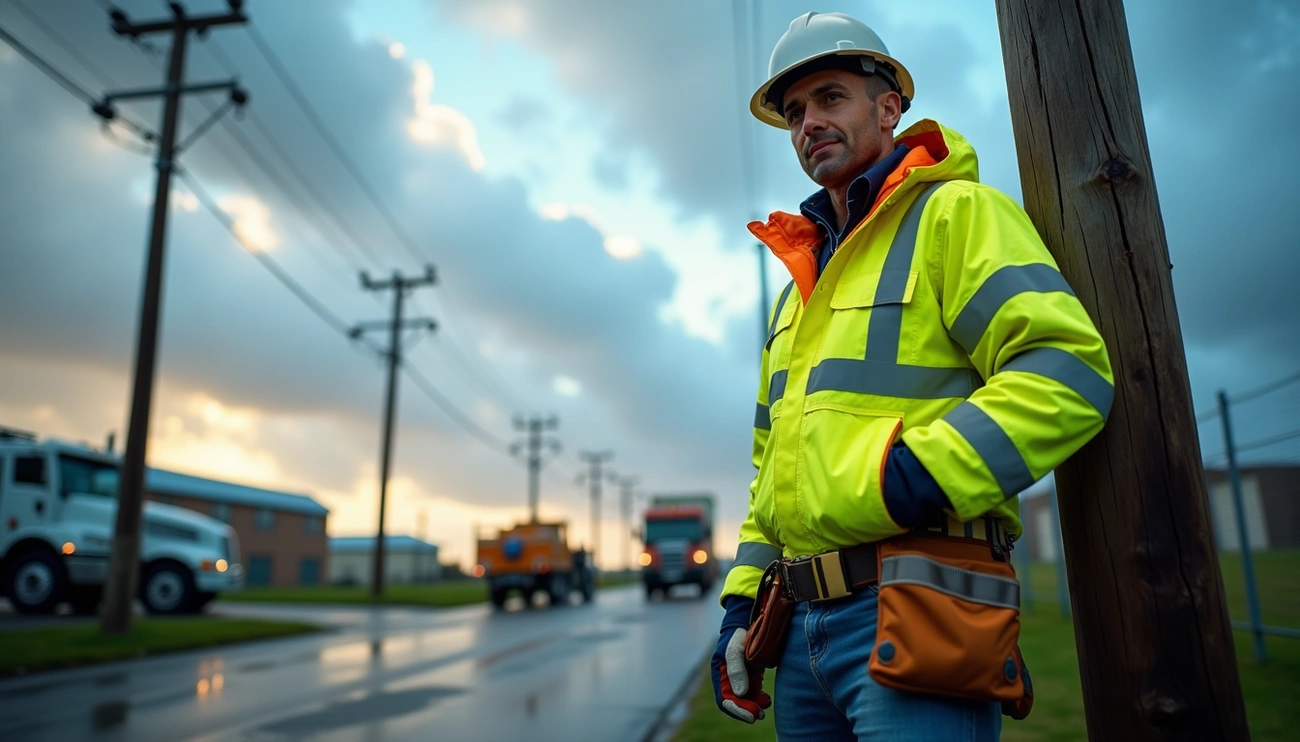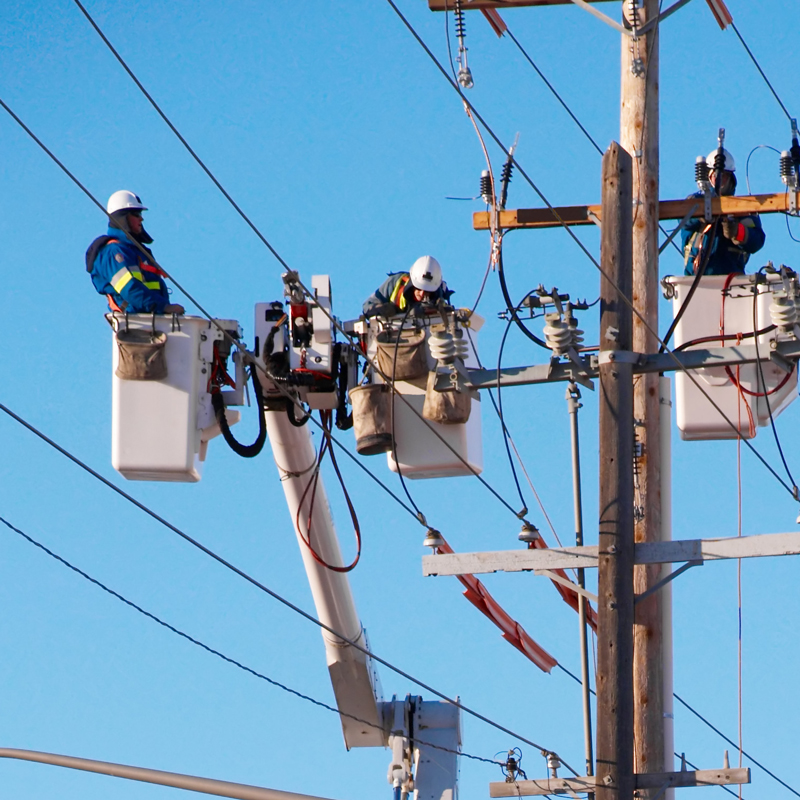
Utility field work does not happen in one controlled environment.
A crew may start the day in a substation, move to a roadside repair, respond to a customer outage, and end the shift on storm restoration. Each location brings different hazards. Each weather condition changes the risk. Each task may require a different combination of electrical protection, visibility, respiratory protection, weather gear, and field-ready PPE access.
That is why utility PPE programs cannot rely on a static checklist alone.
A checklist can help workers confirm basic steps, but it cannot fully account for rain, wind, heat, cold, damaged infrastructure, roadside traffic, changing voltage exposure, or emergency response pressure. Utility field workers need a weather-ready PPE program that adapts to real conditions.
A strong program starts with hazard assessment, task-specific PPE selection, proper training, reliable equipment access, and worker authority to stop and reassess when conditions change.
For utility teams looking to strengthen field protection, Arbill supports safety programs with PPE, training, services, and practical solutions built around real work environments.
Why Utility Field Work Creates Variable PPE Risk
Utility work is different from many industrial environments because the worksite keeps changing.
Controlled facilities have predictable layouts, known equipment, consistent access points, and managed environmental conditions. Utility field crews do not always have that advantage. They work in substations, service yards, roadside locations, customer sites, aerial lifts, utility poles, underground spaces, and storm-damaged areas.
That means the hazard profile can shift several times in one day.
A substation task may involve arc flash exposure, shock hazards, and switching equipment. A roadside repair may add traffic visibility, uneven terrain, and weather exposure. Stormwork may involve downed lines, damaged structures, wet conditions, high winds, and extended shifts under pressure.
The uploaded draft makes this point clearly: utility field workers face constantly changing environments, and a one-size-fits-all PPE approach fails when crews move between locations and hazards throughout the shift.
A weather-ready PPE program should reflect that reality.
Substation Work: Electrical Hazards in Outdoor Conditions
Substations may feel more controlled than roadside or storm response work, but they still create serious PPE challenges.
Workers may operate near energized equipment, transformers, switchgear, bus systems, and multiple voltage levels. Arc flash risk can vary based on available fault current, protective device clearing time, working distance, equipment condition, and the task being performed.
Weather adds another layer.
Rain can affect footing and increase concern around energized work. Cold weather can reduce dexterity and make glove use more difficult. Heat can create fatigue under arc-rated clothing. Wind can affect communication and stability when workers are handling equipment or moving through open areas.
Substation PPE planning should account for:
- Arc-rated clothing
- Voltage-rated gloves and sleeves
- Face and head protection
- Safety glasses
- Insulating tools and barriers
- Weather-rated outerwear compatible with arc flash protection
- Slip-resistant footwear
- High-visibility elements when vehicles or equipment are moving nearby
- Task-specific PPE based on hazard analysis
The key is compatibility. Weather gear should not compromise electrical protection.