Confined space work in oil and gas can turn dangerous before a worker sees, smells, or feels anything unusual.
A tank may look empty. A pit may seem quiet. A vessel may appear ready for entry. But oxygen deficiency, hydrogen sulfide, flammable vapors, carbon monoxide, and other atmospheric hazards can be present long before workers recognize the danger.
That is why gas detection is not a formality before confined space entry. It is one of the most important layers of protection oilfield workers have.
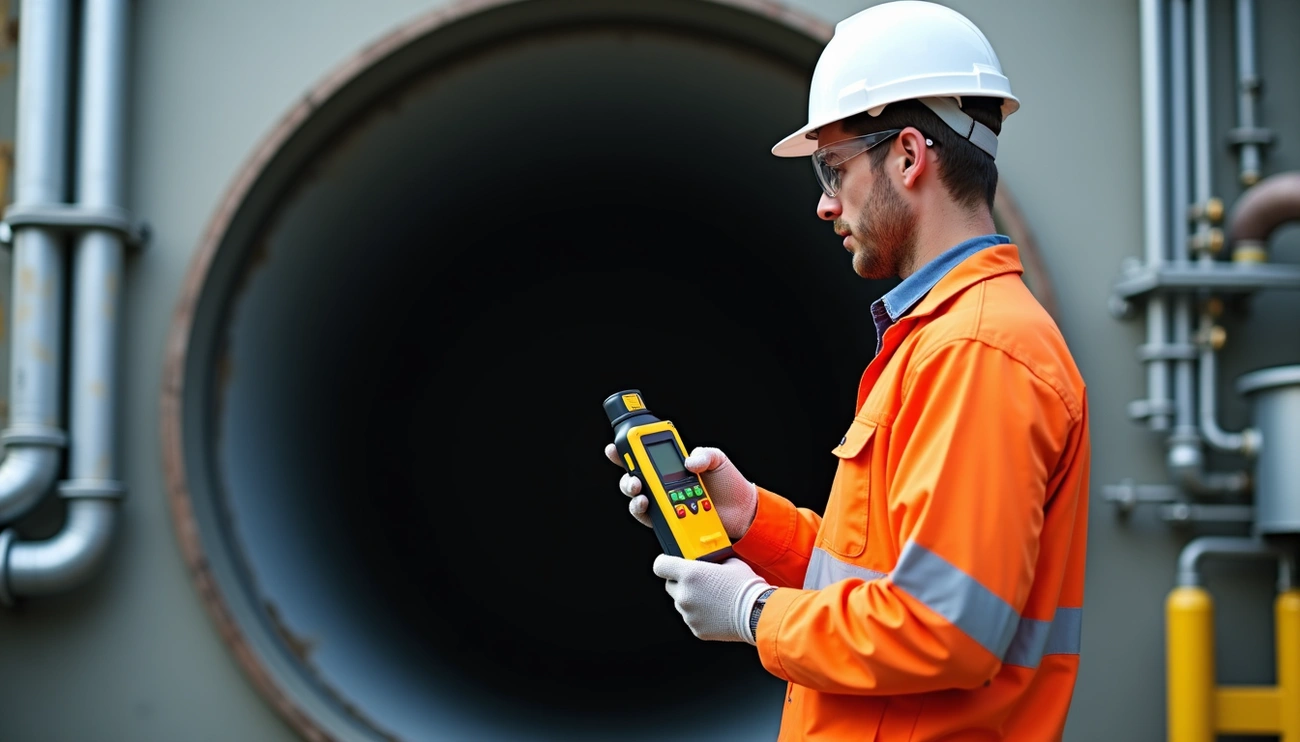
Before any worker enters a tank, vessel, pit, vault, manhole, or process area, the atmosphere must be tested, readings must be understood, and monitoring must continue while the work is being performed. A single pre-entry reading is not enough if the atmosphere can change during cleaning, welding, cutting, agitation, or ventilation changes.
For oil and gas teams, confined space safety starts before entry — with the right equipment, the right testing process, and the discipline to stop when readings are unsafe.
Companies looking to strengthen field safety can work with Arbill for PPE, safety products, services, and practical support built around real workplace hazards.
Why Confined Spaces Are So Dangerous in Oilfield Work
Oil and gas operations create confined space hazards that are often invisible.
Storage tanks, process vessels, pits, vaults, separators, manholes, and underground spaces may have limited openings, poor ventilation, and changing atmospheric conditions. These spaces can trap gases, vapors, fumes, and oxygen-deficient air.
The uploaded draft correctly identifies oxygen deficiency, toxic gases, and explosive vapors as major risks in oilfield confined spaces. It also notes that these hazards can exist in tanks, vessels, pits, and poorly ventilated areas where conditions may shift without warning.
Common confined space hazards in oilfield work include:
- Low oxygen levels
- Oxygen enrichment
- Hydrogen sulfide
- Carbon monoxide
- Methane and other combustible gases
- Hydrocarbon vapors
- Benzene, toluene, and xylene exposure
- Chemical cleaning vapors
- Welding and cutting fumes
- Poor ventilation
- Atmospheric changes during work
These hazards can disable a worker quickly. In some cases, they can also endanger would-be rescuers who enter without proper testing and rescue planning.
Oxygen Levels Must Be Checked First
Normal air contains about 20.9% oxygen. In confined spaces, oxygen can drop below safe levels because of displacement, rusting, decomposition, purging, chemical reactions, or poor ventilation.
The uploaded draft notes that oxygen levels below 19.5% indicate oxygen deficiency. In oilfield spaces, this can happen when inert gases displace breathable air, biological activity consumes oxygen, or oxidation occurs inside steel vessels.
Low oxygen can cause dizziness, confusion, loss of coordination, unconsciousness, and death. The danger is that a worker may not have enough time or awareness to self-rescue once symptoms begin.
Oxygen enrichment also creates risk. When oxygen rises above normal levels, materials can ignite more easily and fires can spread faster. That is why gas detection must check both low and high oxygen conditions before entry.
Flammable Vapors Can Build Without Warning
Oilfield confined spaces may contain methane, propane, butane, crude oil vapors, condensate vapors, and other hydrocarbons. These gases can collect inside tanks, vessels, pits, and piping systems.
The risk becomes critical when vapor concentrations approach the lower explosive limit, or LEL. The uploaded draft explains that portable gas monitors measure flammable gas readings as a percentage of LEL so workers can understand how close the atmosphere is to becoming explosive.
A low LEL reading does not mean workers can ignore the hazard. It means the atmosphere must continue to be monitored because concentrations can change during work. Agitation, cleaning, temperature changes, or disturbance of residue can increase vapor release.
No hot work, cutting, welding, grinding, or spark-producing activity should proceed unless the atmosphere has been tested, confirmed safe, and controlled according to the entry procedure.