Workplace injuries create costs that extend far beyond immediate medical treatment.
A cut hand may lead to an emergency-room visit and lost production time. A fall can create weeks or months of restricted work. A respiratory exposure may develop into a longer-term health problem. Each incident can contribute to workers’ compensation claims, administrative work, overtime, replacement labor, training expenses, and operational disruption.
Safety equipment cannot eliminate every workplace hazard, but properly selected and correctly used PPE can reduce the likelihood and severity of many injuries.
That connection matters financially.
When employers identify hazards early, provide equipment matched to the task, train employees to use it correctly, and replace damaged PPE before protection fails, they strengthen worker protection and reduce the conditions that lead to preventable claims.
The key is treating PPE as part of a complete safety program rather than as a supply-room expense.
How PPE Can Reduce Injury Frequency and Severity
Personal protective equipment creates a barrier between a worker and a hazard that cannot be completely eliminated through other controls.
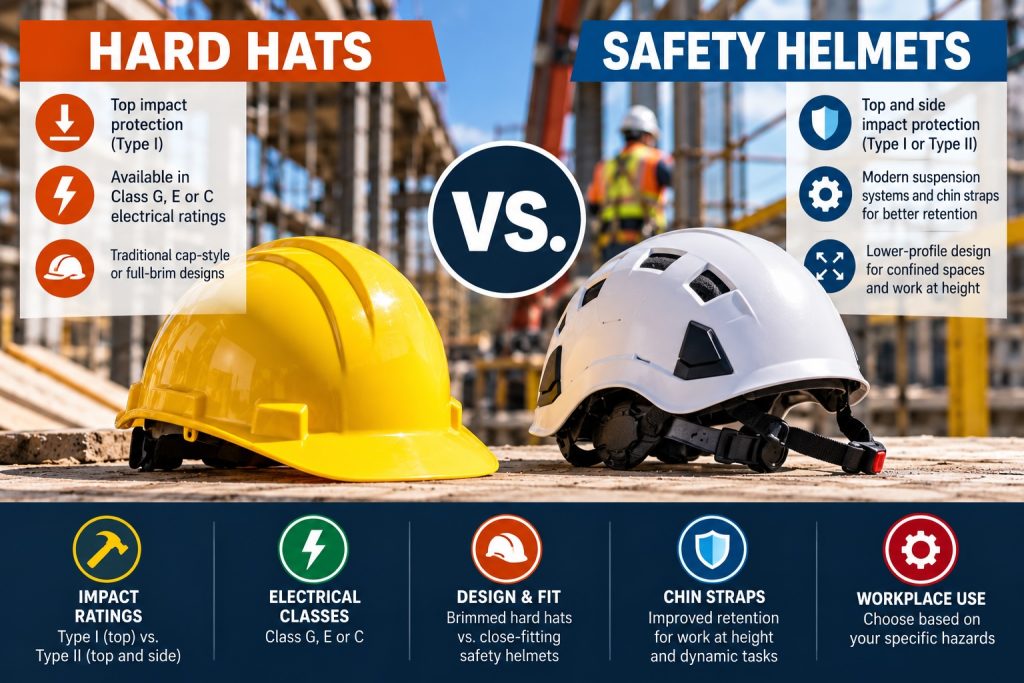
Depending on the job, PPE may include gloves, safety glasses, face shields, protective footwear, hard hats, hearing protection, respirators, fall protection, and protective clothing.
Each product serves a different purpose, but the objective is the same: reduce the amount of hazardous energy, material, noise, chemical, or physical contact that reaches the worker.
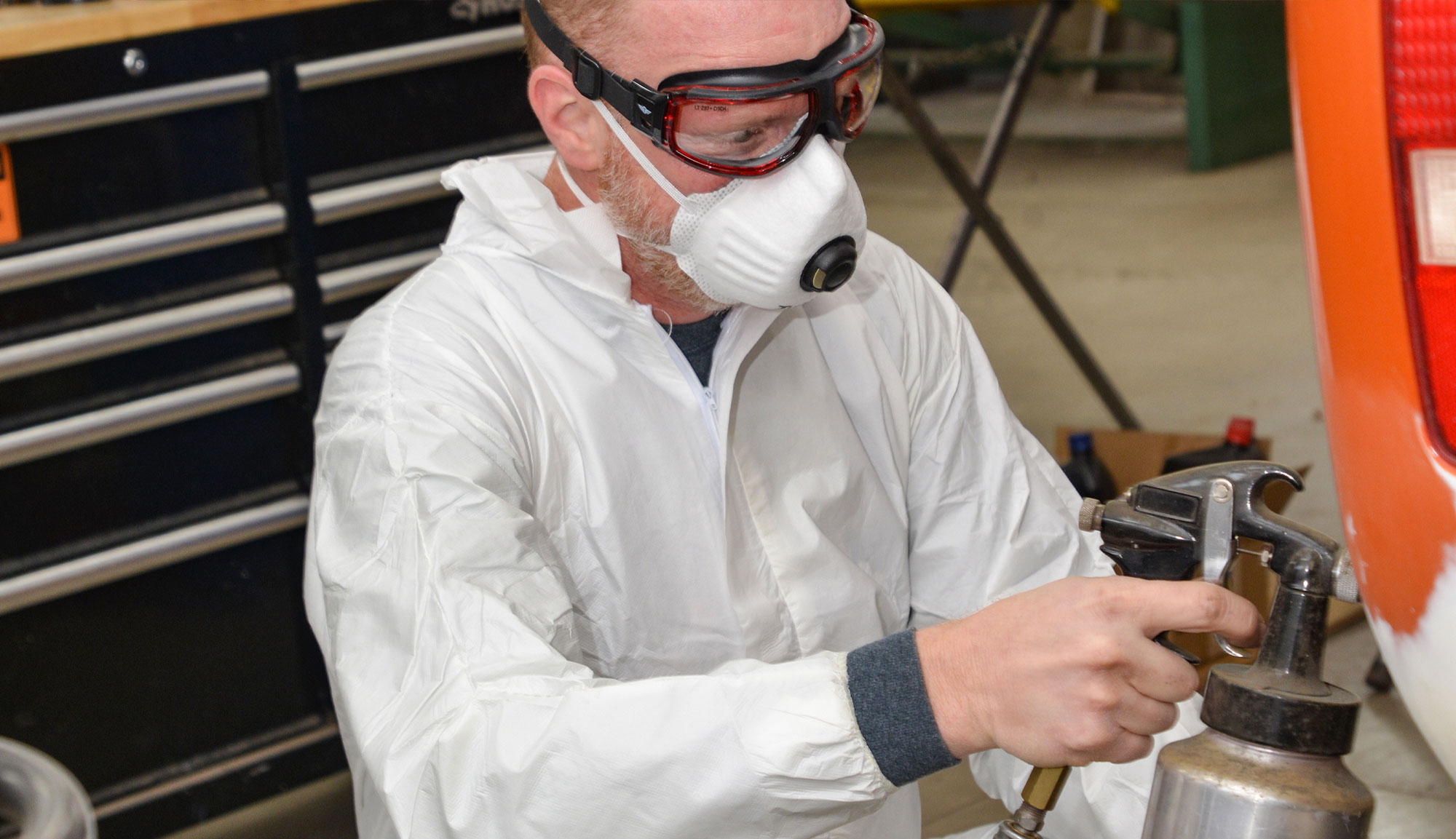
A properly selected cut-resistant glove may reduce the severity of a laceration. Appropriate eye protection can stop flying debris from reaching the eye. Safety footwear can reduce impact or puncture injuries. Respiratory protection can reduce inhalation exposure when the respirator is appropriate for the hazard and used within a complete program.
When those injuries are prevented—or their severity is reduced—the likelihood of related workers’ compensation claims can also decrease.
PPE Works Best as the Last Line of Defense
Safety equipment is important, but it should not become the primary solution to every workplace hazard.
OSHA’s hierarchy of controls places PPE below elimination, substitution, engineering controls, and administrative controls because PPE does not remove the hazard itself. (OSHA Hazard Prevention and Control)
A glove does not remove a sharp edge.
A respirator does not eliminate airborne contamination.
A harness does not remove an unprotected elevation.
PPE protects the employee from the remaining exposure after stronger controls have been considered.
That distinction is important when employers evaluate injury trends. If the same injury continues occurring despite PPE, the solution may require redesigning the process rather than simply purchasing a different product.
Start With a Workplace Safety Assessment
The strongest PPE purchasing decisions begin with an assessment of the work.
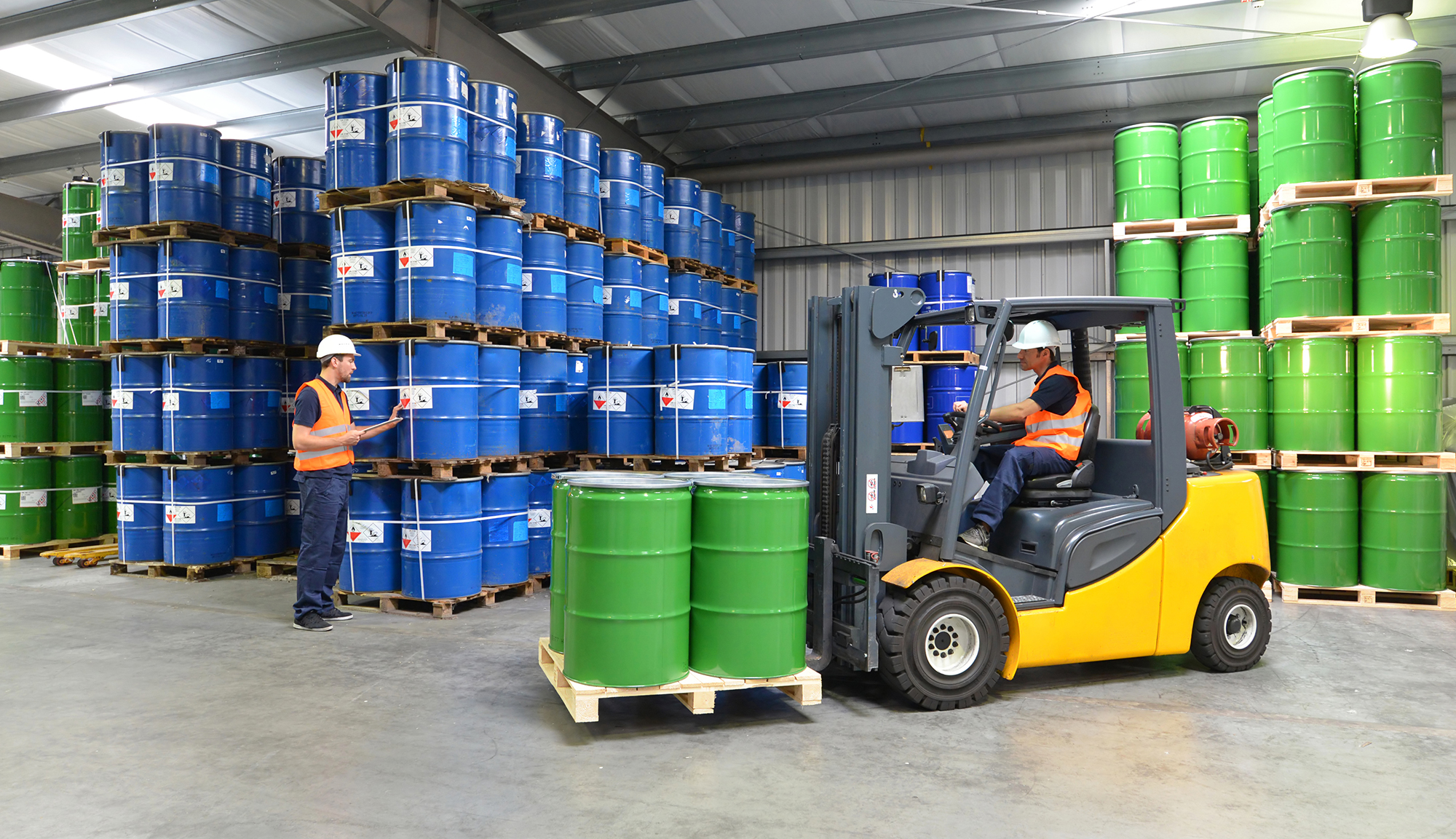
Employers should inspect tasks, equipment, materials, work areas, employee practices, and previous incidents before deciding which products belong in the program.
This helps avoid one of the most common safety-management problems: purchasing equipment based on habit, convenience, or price without confirming that it matches the hazard.
Arbill’s EHS safety assessments can help organizations evaluate workplace conditions, regulatory records, written programs, training, PPE, and other safety-system components.
A good assessment provides a more useful foundation for both injury prevention and cost control.
Review Where Injuries and Claims Are Occurring
Past incidents can reveal where protection is breaking down.
Employers should review workers’ compensation claims, injury reports, near misses, first aid cases, and recurring safety complaints for patterns.
Look for repeated injuries involving the same:
Department, task, body part, machine, shift, material, or location.
A cluster of hand injuries around one operation may indicate inadequate glove selection, poor guarding, insufficient training, or an unsafe work method.
Repeated eye injuries may point toward unsuitable eyewear, poor fit, or inconsistent enforcement.
Claims data becomes most useful when it leads to investigation rather than simply being tracked for insurance purposes.
Use Near Misses Before They Become Claims
Not every hazardous event results in an injury.
A worker may catch a falling object before it hits someone. A glove may tear without causing a cut. A chemical splash may strike a face shield instead of the employee’s face.
These events are valuable because they show where a claim could have occurred.
Near-miss reporting allows employers to address conditions before someone gets hurt.
A strong reporting system should encourage employees to speak up without fearing that reporting will make the department look unsafe.
Hidden incidents create hidden risk.