Workplace safety is much more than purchasing personal protective equipment or completing an annual compliance checklist.
A company may provide high-quality gloves and safety glasses while overlooking machine guarding. Another facility may have detailed written programs but inconsistent employee training. A warehouse may maintain strong forklift procedures while failing to address heat stress, emergency readiness, or recurring near misses.
Each individual safety measure can be valuable, but gaps remain when these pieces operate separately.
Comprehensive workplace safety solutions take a broader approach. They connect hazard assessment, risk reduction, PPE, employee training, written programs, emergency preparedness, safety technology, incident reporting, corrective action, and continuous review into one coordinated system.
For businesses, this approach helps move safety from a reactive function that responds after incidents occur toward an ongoing process for finding and controlling hazards before workers are injured.
What Are Comprehensive Workplace Safety Solutions?
Comprehensive workplace safety solutions bring multiple elements of worker protection together instead of treating each safety problem independently.
The exact combination varies by industry and workplace, but a complete program may include safety assessments, PPE selection, training, written procedures, environmental health and safety support, emergency equipment, industrial hygiene, technology, compliance management, and ongoing program evaluation.
The purpose is not to add as many safety products as possible.
It is to identify the organization’s actual hazards and build the right combination of controls around them.
Safety Begins With Understanding the Workplace
Every facility has a different risk profile.
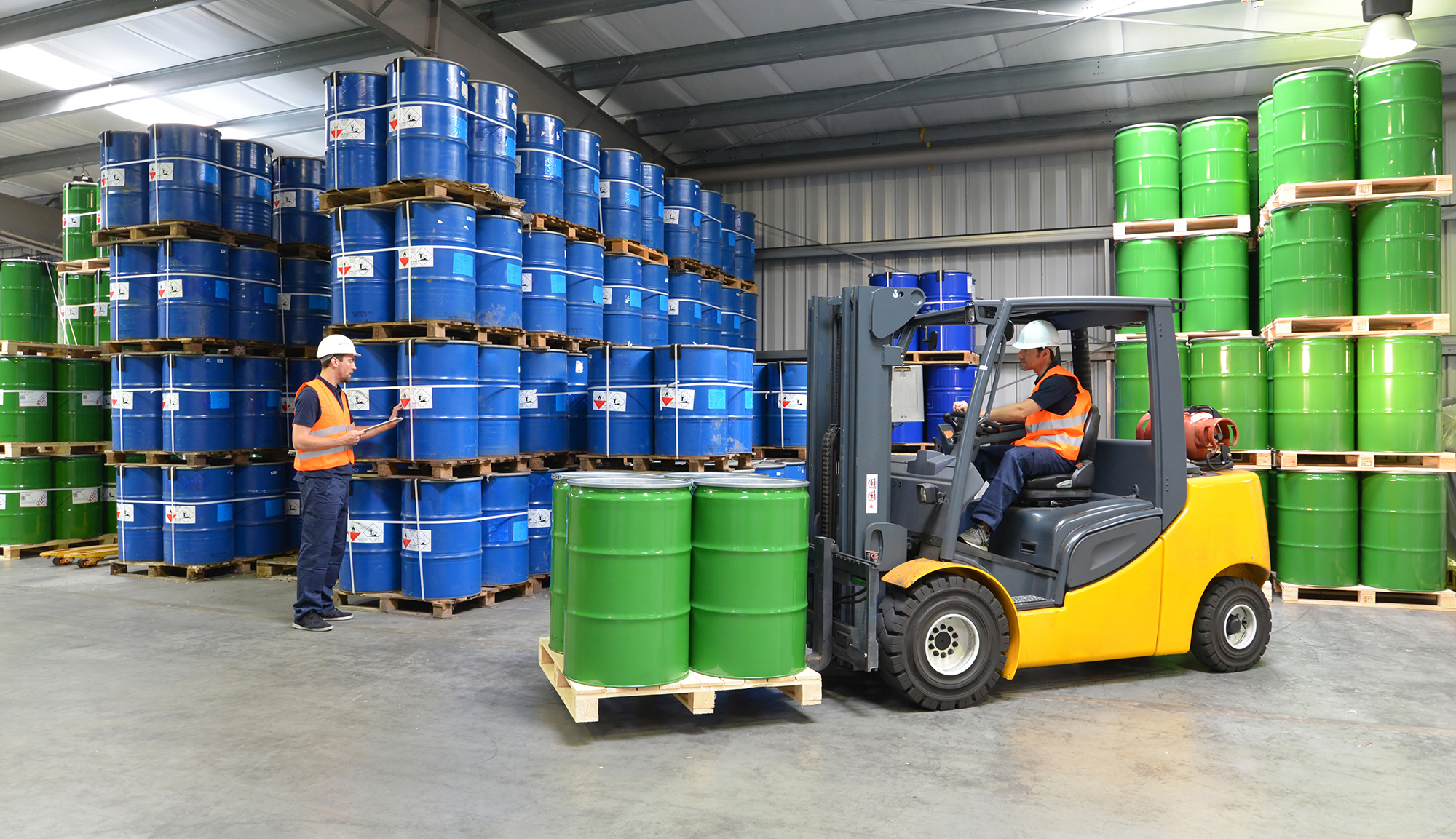
Manufacturing employees may encounter machinery, sharp materials, noise, heat, chemicals, and hazardous energy. Warehouse employees may work around forklifts, storage racks, loading docks, and repetitive material handling. Utility workers may face electrical exposure, work at height, traffic, and environmental conditions.
A comprehensive safety solution starts by identifying these exposures instead of assuming one standard program will fit every operation.
The Different Parts Need to Work Together
Safety programs become stronger when each component supports the others.
A hazard assessment identifies the exposure.
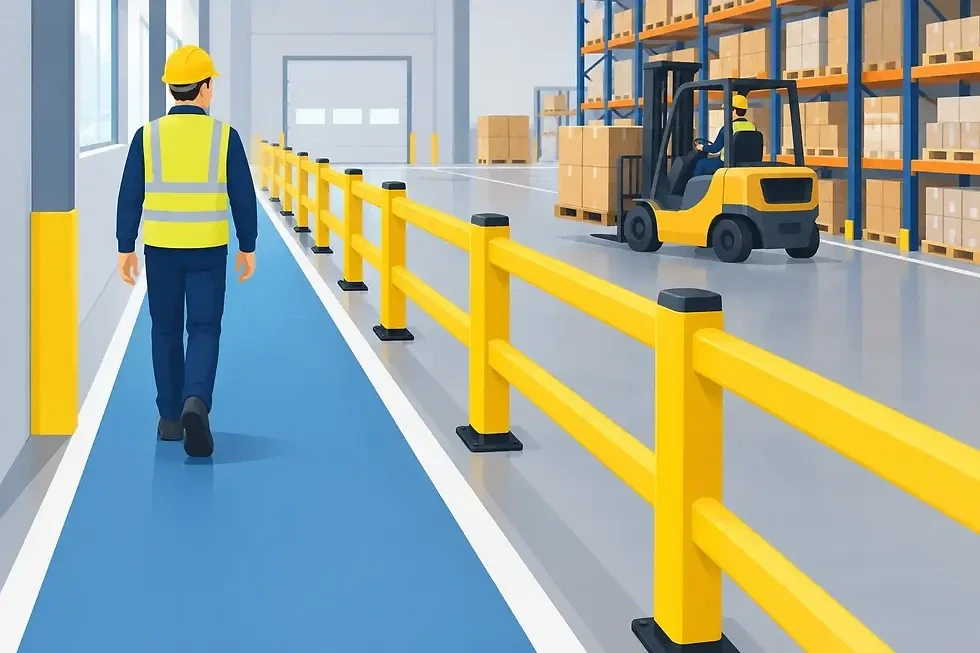
Engineering controls reduce the hazard.
PPE addresses remaining risk.
Training teaches employees how to work safely.
Technology makes reporting and tracking easier.
Audits and assessments show whether the controls continue to work.
When one element changes, the others may need review as well.
That connection is what makes the approach comprehensive.
Why Businesses Need More Than PPE
PPE is one of the most visible parts of workplace safety, but it should not be mistaken for the complete safety system.
A glove can protect a worker’s hand, but it cannot eliminate an exposed machine hazard. A respirator can reduce inhalation exposure, but it does not repair inadequate ventilation. A harness can protect an employee during certain fall exposures, but a guardrail may prevent the fall from occurring in the first place.
OSHA’s Recommended Practices for Safety and Health Programs emphasize proactive identification and control of hazards, worker participation, training, program evaluation, and continuous improvement rather than relying on one protective measure alone. (OSHA Recommended Practices)
PPE Addresses the Remaining Risk
Employers should first consider whether hazards can be eliminated, substituted, isolated, engineered out, or reduced through safer work practices.
PPE then protects employees from exposure that remains.
This approach results in more effective protection and can reduce the need to place excessive responsibility on workers to protect themselves from hazards the organization could control at the source.
Equipment Still Needs to Be Selected Correctly
Even where PPE is necessary, the product must match the hazard.
Different tasks may require different:
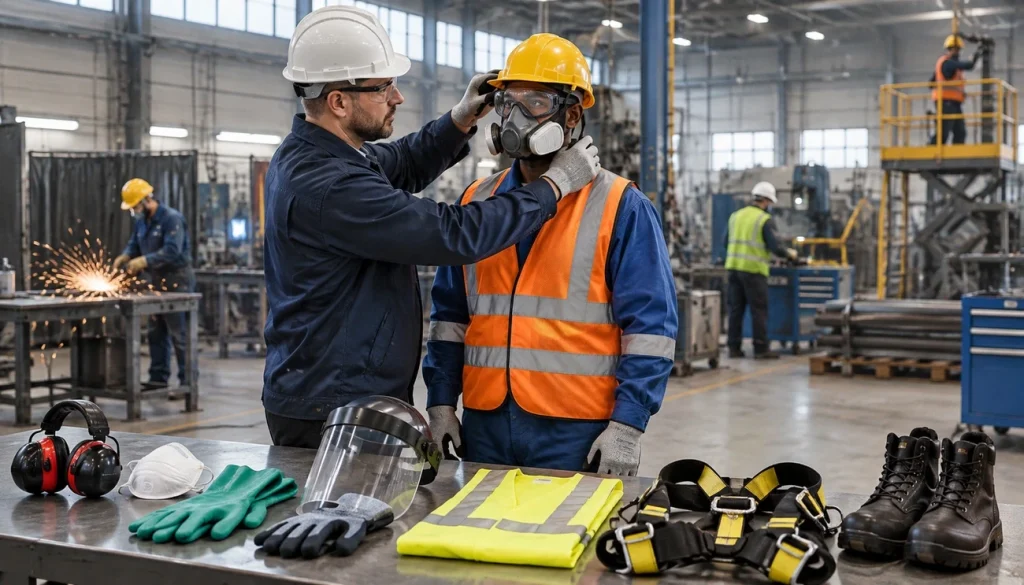
Gloves, respirators, head protection, eye protection, protective clothing, footwear, hearing protection, or fall protection.
Arbill’s guide on how to choose the right workplace safety equipment for employees explains how hazard assessment, PPE ratings, fit, compatibility, worker trials, and maintenance should guide equipment selection.