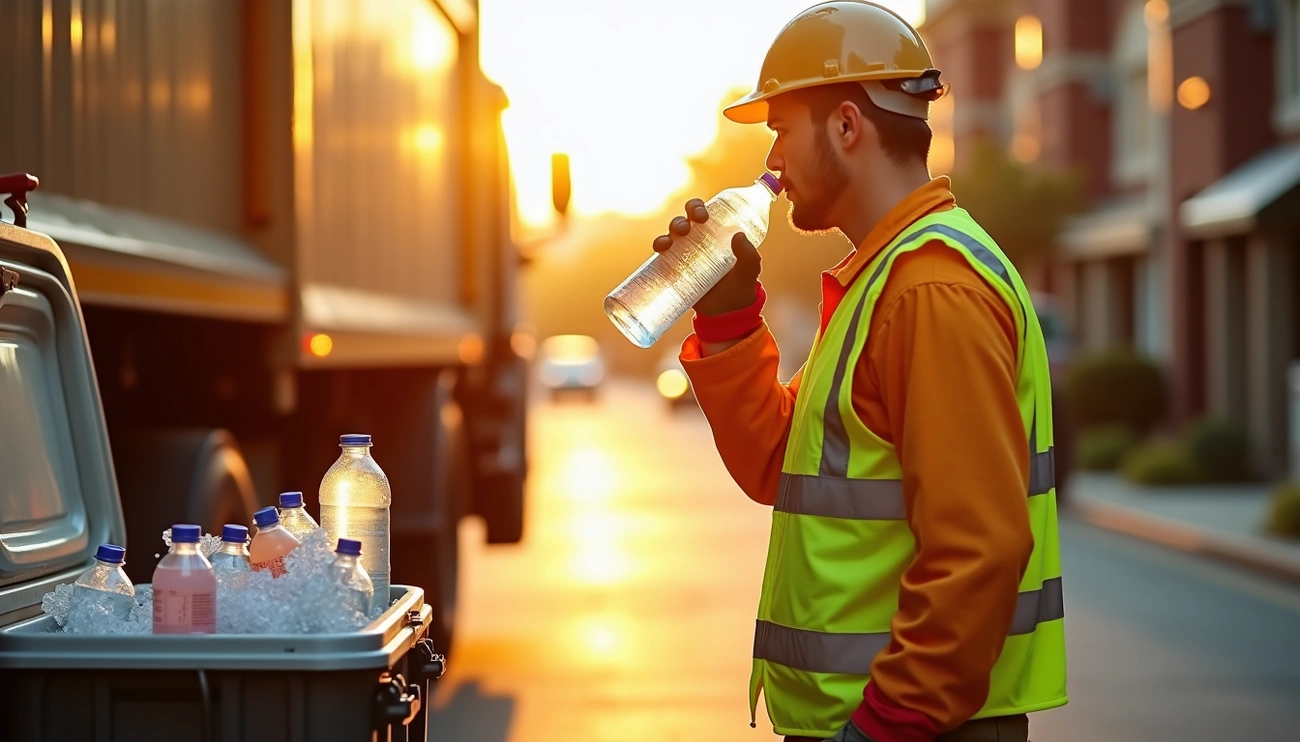
Outdoor waste workers do not get to pause operations every time the temperature rises.

Collection routes still need to run. Containers still need to be lifted. Trucks still need to move through neighborhoods, commercial sites, transfer stations, and disposal areas. In the heat, that work becomes more physically demanding and more dangerous.

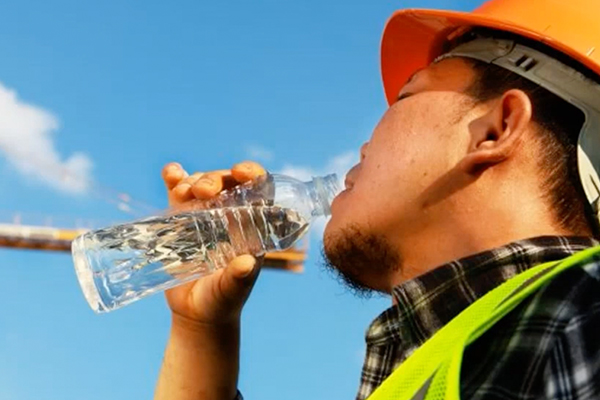
Waste workers face a unique combination of heat stress risks: direct sun, heavy lifting, repeated climbing, walking long routes, working near hot pavement, wearing protective clothing, and moving quickly to stay on schedule. When hydration is left up to chance, workers can become dehydrated before they realize how serious the situation has become.

That is why hydration programs are not optional. They are a core part of protecting outdoor waste workers from heat exhaustion, heat illness, lost productivity, medical emergencies, and preventable injuries.

A strong hydration program gives workers access to water, electrolytes, shade, rest, training, and supervisor support before heat stress becomes a crisis.

Why Waste Workers Face Serious Heat Stress Risks

Waste collection is physically intense work. Crews may lift heavy bags, roll containers, climb on and off trucks, walk long distances, handle bulky waste, and work around traffic while staying alert to changing route conditions.

During hot weather, the body has to work harder to cool itself. Sweat helps release heat, but it also removes fluid and electrolytes. When workers do not replace what they lose, dehydration can set in. As dehydration worsens, the body has a harder time regulating temperature, and heat exhaustion can develop.

Outdoor waste workers may also face heat exposure from several sources at once:

  • Direct sunlight during collection routes
  • Heat radiating from pavement and concrete
  • Warm truck cabs and frequent cab entry
  • Protective clothing and gloves that trap body heat
  • Repetitive lifting and carrying
  • Limited shade in open collection areas
  • Long routes during peak heat hours
  • Pressure to maintain pickup schedules

This combination makes heat safety a daily operational issue, not just a summer reminder.

Heat Exhaustion Can Build Quietly

One of the biggest dangers of heat stress is that symptoms may start subtly.

A worker may feel tired, thirsty, lightheaded, or slightly nauseated and assume it is normal fatigue from the route. A supervisor may notice slower movement or irritability but not immediately connect it to heat stress. By the time symptoms become obvious, the worker may already need urgent attention.

Early warning signs can include:

  • Heavy sweating
  • Thirst
  • Fatigue
  • Weakness
  • Dizziness
  • Headache
  • Muscle cramps
  • Nausea
  • Cool, clammy skin
  • Faster heartbeat
  • Trouble concentrating
  • Irritability or confusion

Waste workers should be trained to report symptoms early, and supervisors should treat those reports seriously. Waiting for a worker to “push through” can turn a manageable heat-stress situation into a medical emergency.

Explore Our Solutions!
Heat Exhaustion Symptoms Every Waste Worker

Why Hydration Cannot Be Left to Personal Choice Alone

Many workers know they should drink water in the heat. The problem is that knowing is not the same as doing.

During a busy route, workers may delay drinking because they want to finish a section, avoid slowing the crew, or wait until the next scheduled stop. Some may not feel thirsty until they are already dehydrated. Others may rely on energy drinks, soda, or coffee instead of consistent water intake.

That is why hydration has to be built into the workday.

A hydration program removes guesswork. It sets expectations for when workers drink, where water is available, who monitors conditions, and how the team responds when heat risk increases.

The goal is simple: workers should not have to choose between staying on schedule and staying hydrated.

What a Strong Hydration Program Should Include

A hydration program for outdoor waste workers should be practical enough to work in the field. It should account for route length, weather, staffing, truck access, break locations, PPE, and the physical demands of collection work.

At minimum, the program should include:

  • Cool drinking water that is easy to access
  • Scheduled hydration breaks
  • Electrolyte options for longer or high-heat work
  • Shaded or cooled rest areas when possible
  • Supervisor monitoring during hot conditions
  • Heat-stress training for workers and leads
  • Acclimatization procedures for new or returning workers
  • Emergency response steps for heat illness
  • Documentation of heat-safety practices

A written policy matters, but the real test is whether workers can follow it during a normal shift. Water stored back at the facility does not help a crew midway through a route. A break policy that workers feel pressured to skip will not protect them. A program only works when it fits the job.

Scheduled Hydration Breaks Protect Workers Before Symptoms Start

Hydration breaks should happen before workers feel sick.

Outdoor waste collection crews may not stop naturally. Routes are structured around timing, traffic, pickup volume, and customer expectations. Without scheduled breaks, workers may keep moving until symptoms force them to stop.

A better approach is to build hydration into the route plan.

Supervisors should identify natural stopping points where crews can drink water, cool down, and check in. During extreme heat, breaks may need to happen more frequently. Workers should also be encouraged to drink small amounts consistently rather than waiting until they feel extremely thirsty.

Hydration breaks should not be treated as lost productivity. They are preventive maintenance for the workforce. A worker who becomes overheated may require medical attention, route reassignment, emergency response, or lost time. A short water break is far less disruptive than a heat illness incident.

Water Access Must Be Visible, Reliable, and Field-Ready

Hydration programs fail when water access is inconsistent.

Workers need enough cool water for the entire shift, and it needs to be available where the work is happening. That may mean stocking trucks with coolers, water bottles, refill containers, or hydration stations at transfer points. Crews should not have to ration water or wait until they return to the yard.

Water should be:

  • Cool
  • Potable
  • Easy to reach
  • Available throughout the route
  • Replenished as needed
  • Protected from contamination
  • Part of pre-shift planning

Supervisors should confirm water availability before routes begin. This check should be as routine as confirming fuel, equipment, PPE, and route assignments.

Electrolytes Matter During Long, Hot Shifts

Water is essential, but it may not always be enough during long periods of sweating.

When workers sweat heavily, they lose electrolytes along with fluid. Electrolytes help support muscle function, fluid balance, and normal body function during physical work. For long shifts, high heat, or heavy exertion, electrolyte replacement can support better hydration.

That does not mean workers should rely on sugary drinks or salt tablets without guidance. A good program should provide approved electrolyte options and explain when they should be used.

For outdoor waste crews, electrolyte access may be especially useful during:

  • Long routes
  • High heat index days
  • Heavy lifting routes
  • Bulky waste pickup
  • New worker acclimatization periods
  • Overtime shifts
  • Routes with limited shade
  • Heat waves lasting multiple days

The key is consistency. Electrolytes should be part of the plan before workers become depleted.

As long as people go to work, we have an opportunity to help protect them.

Julie Copeland
Arbill CEO

Julie Copeland Arbill CEO

Supervisors Play a Critical Role in Heat Safety

Hydration programs need leadership in the field.

Supervisors and route leads should be trained to recognize heat-stress symptoms, monitor weather conditions, encourage water intake, and adjust the pace of work when needed. They should also know which workers may be at higher risk, including new workers, employees returning after time away, and workers assigned to unusually demanding routes.

Supervisors should watch for:

  • Slower movement
  • Confusion
  • Unusual irritability
  • Heavy sweating or sudden lack of sweating
  • Complaints of dizziness or nausea
  • Muscle cramps
  • Workers skipping water breaks
  • Workers trying to continue despite symptoms

The best supervisors do not wait for workers to collapse. They intervene early, encourage rest, and escalate concerns when symptoms appear.

Acclimatization Helps New and Returning Workers

Heat tolerance does not happen instantly.

Workers who are new, returning from time away, or moving into hotter conditions may need time to adjust. Even experienced employees can be at higher risk after vacation, illness, seasonal change, or a transfer from indoor work to outdoor routes.

A hydration program should include acclimatization. That means gradually increasing heat exposure and workload when possible, especially during the first days of hot weather or when a worker is not used to the conditions.

This is important because new and returning workers may not recognize their limits. They may try to keep pace with experienced crews and ignore early symptoms. Supervisors should check in more often during this adjustment period.

PPE and Uniforms Can Add Heat Load

Waste workers need PPE, but some protective gear can increase heat stress.

Gloves, high-visibility garments, protective sleeves, coveralls, boots, eye protection, and respiratory protection may be necessary depending on the task. However, extra layers can trap heat and make cooling harder.

That does not mean workers should remove required PPE. It means the EHS program should account for the added heat load.

Facilities should review:

  • Whether PPE is appropriate for the hazard and weather
  • Whether lighter-weight compliant options are available
  • Whether workers have shaded areas to cool down
  • Whether break frequency should increase when PPE adds heat stress
  • Whether uniforms allow safe movement and breathability
  • Whether workers understand how PPE affects heat strain

Heat safety and PPE compliance should work together. Workers should not have to choose between protection from waste hazards and protection from heat illness.

Adjusting Work Pace During Extreme Heat

Some heat conditions require operational changes.

When temperatures or heat index levels rise, EHS teams and supervisors should be ready to adjust the work plan. That may include starting routes earlier, rotating workers, adding rest breaks, increasing water supply, reducing nonessential tasks, or assigning extra support to physically demanding routes.

Waste collection is essential work, but essential work still needs heat controls.

Possible adjustments include:

  • Earlier start times
  • More frequent hydration breaks
  • Rotating heavy-lift tasks
  • Staging extra water along routes
  • Using shaded rest locations
  • Reducing overtime during extreme heat
  • Monitoring high-risk employees more closely
  • Increasing supervisor check-ins
  • Allowing workers to slow pace when symptoms appear

These changes should be planned before the hottest days arrive. Waiting until workers are already struggling puts crews at unnecessary risk.

Emergency Response When Heat Illness Occurs

Every crew should know what to do when a worker shows signs of heat exhaustion or heat illness.

The response should be simple, fast, and clearly understood. Workers should stop activity, move the affected person to a cooler or shaded area, notify a supervisor, begin cooling measures, and seek medical help when symptoms are severe or do not improve.

Emergency warning signs may include:

  • Confusion
  • Loss of consciousness
  • Seizure
  • Very high body temperature
  • Hot, dry skin or heavy sweating with worsening symptoms
  • Vomiting
  • Severe weakness
  • Symptoms that do not improve with rest and cooling

No worker should be left alone when heat illness is suspected. A designated person should stay with the affected worker while help is contacted and cooling begins.

The program should also define how incidents are reported, reviewed, and used to improve future prevention.

See Our Safety Services!
heat stress webinar

Training Makes the Program Real

Hydration programs only work when workers understand them.

Training should be clear, practical, and specific to outdoor waste work. It should not be limited to a poster or a seasonal reminder. Crews need to know what heat stress looks like, how dehydration develops, when to drink, how to report symptoms, and why early action matters.

Training should cover:

  • Heat exhaustion symptoms
  • Heat stroke warning signs
  • Hydration expectations
  • Electrolyte use
  • Break schedules
  • Shade and cooling procedures
  • Acclimatization
  • PPE and heat load
  • Emergency response steps
  • Supervisor responsibilities
  • Worker rights to report symptoms without retaliation

The message should be direct: heat illness is preventable, but only when workers and supervisors act early.

Tracking Hydration Compliance Across Shifts

A hydration program should be measurable.

EHS teams should not assume the program is working simply because water is available. They should review whether crews are actually taking breaks, whether water supplies are sufficient, whether supervisors are documenting heat checks, and whether symptoms or near misses are being reported.

Tracking can include:

  • Pre-shift water supply checks
  • Route heat-risk reviews
  • Break documentation
  • Heat index monitoring
  • Worker symptom reports
  • Supervisor observations
  • Incident and near-miss reviews
  • Water and electrolyte restocking records
  • Training completion records

This data helps leaders see where the program needs improvement. If one route repeatedly reports heat symptoms, the route may need schedule changes, more rest points, or additional staffing. If water runs low before the shift ends, the supply plan needs to change.

Hydration Is a Safety Culture Issue

Hydration programs send a message.

When workers see that the company provides water, electrolytes, shade, rest, training, and supervisor support, they understand that heat safety is not just a personal responsibility. It is part of the job plan.

That matters in waste collection, where workers may be used to pushing through discomfort. A strong program makes it clear that reporting symptoms is responsible, not weak. Taking water breaks is part of safe work, not a delay. Slowing down during extreme heat is prevention, not poor performance.

A good hydration program helps shift the culture from “tough it out” to “protect the crew.”

Conclusion

Heat stress is a serious risk for outdoor waste workers. Collection routes combine physical labor, direct sun, hot pavement, protective gear, and time pressure in ways that can quickly lead to dehydration and heat exhaustion.

That is why hydration programs are non-negotiable.

A strong program gives workers cool water, electrolyte support, scheduled breaks, shade, training, acclimatization, and clear emergency procedures. It also gives supervisors the tools to monitor conditions and act before symptoms become severe.

Outdoor waste work will always be demanding, especially in hot weather. But heat illness does not have to be treated as part of the job. With the right hydration program, facilities can protect workers, reduce emergencies, and build a stronger safety culture in the field.

Request a Safety Assessment

Recent Posts

Worker with Fall Protection Equipment
Fall Protection on Rigs and Elevated Platforms: The Compliance Standards That Can\’t Be Cut With the Budget

Fall Protection on Rigs and Elevated Platforms: The Compliance Standards That Can\’t Be Cut With the Budget

Worker Use Portable Gas Monitors Before Entering Confined Spaces
Gas Detection in the Field: What Your Oilfield Workers Need to Know Before Entering Any Confined Space

Gas Detection in the Field: What Your Oilfield Workers Need to Know Before Entering Any Confined Space

PPE for Utility Field Workers
From Substations to Stormwork: Building a Weather-Ready PPE Program for Utility Field Workers

From Substations to Stormwork: Building a Weather-Ready PPE Program for Utility Field Workers

Electrical Glove Testing During Work
Electrical Glove Testing Programs: The OSHA Requirement Most Utility Safety Managers Are Quietly Ignoring

Electrical Glove Testing Programs: The OSHA Requirement Most Utility Safety Managers Are Quietly Ignoring

Arc flash protection PPE
Arc Flash, Electrical Shock, and Line Work: Why Utilities Need a Layered PPE Strategy — Not Just a Checklist

Arc Flash, Electrical Shock, and Line Work: Why Utilities Need a Layered PPE Strategy — Not Just a Checklist