Arc flash protection cannot be reduced to a checklist.
For utility crews, the work changes too quickly. A crew may move from a substation to a roadside repair, then to storm restoration, then to work around damaged infrastructure. Conditions can shift by location, voltage, weather, equipment age, available fault current, and task. A completed form may show that a process was followed, but it does not guarantee workers are protected from the actual hazard in front of them.
That is the danger of treating arc flash PPE as a box-checking exercise.
Checklists have value. They can help workers verify steps, confirm equipment, and document compliance. But they should never replace hazard assessment, proper PPE selection, equipment testing, field training, and worker judgment.
Utilities need a layered PPE strategy because electrical work does not present one single risk. Crews may face arc flash, electrical shock, thermal burns, blast pressure, falling hazards, weather exposure, visibility issues, and emergency response conditions in the same shift.
A layered strategy helps ensure workers are protected for the task, the environment, and the exposure level — not just the checklist.
Why Arc Flash Checklists Became So Common
Arc flash events are severe, fast, and unforgiving.
The uploaded draft notes that arc flash events can reach temperatures of 35,000 degrees Fahrenheit and generate blast pressure strong enough to throw workers across rooms. It also points out that utility organizations face regulatory, legal, injury, and workers’ compensation exposure when electrical hazards are not properly controlled.
Given those stakes, it is easy to understand why checklists became common. They create documentation. They give crews a repeatable process. They help supervisors confirm that workers reviewed hazards before starting a job. They also provide an audit trail when regulators or internal safety teams ask what was done.
For utility companies managing multiple crews, substations, yards, service locations, and emergency response teams, checklists offer structure.
The problem starts when the checklist becomes the safety program instead of one tool inside the safety program.
The Difference Between Compliance and Protection
Compliance matters. Documentation matters. Procedures matter.
But worker protection depends on what happens in the field.
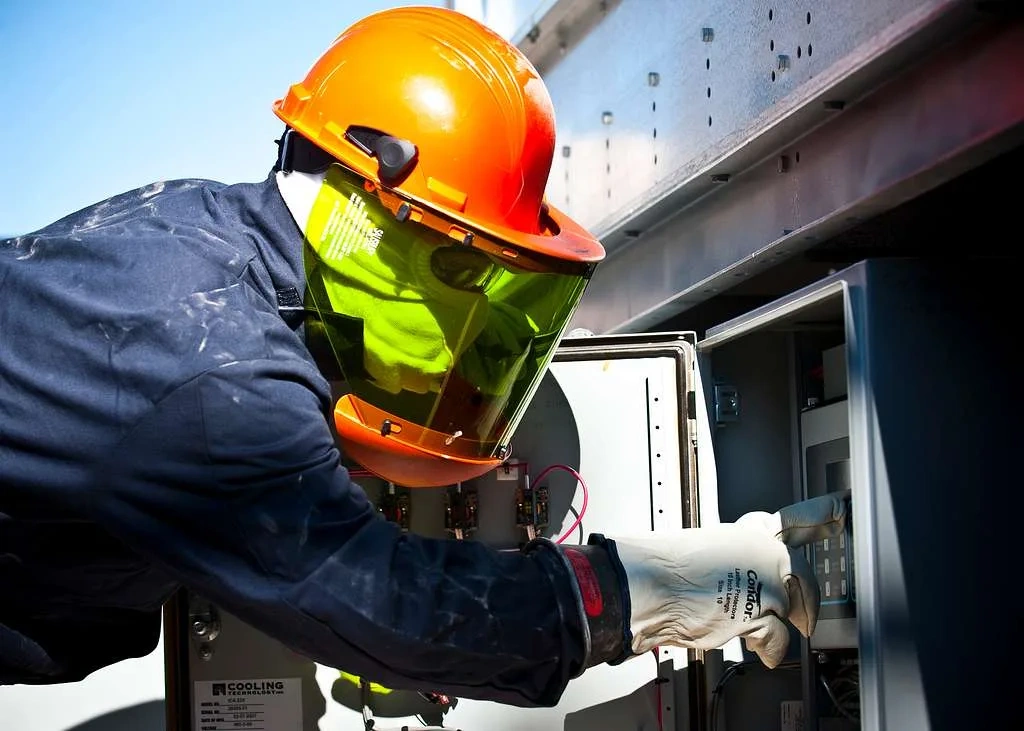
A checklist may confirm that arc-rated clothing was selected. It may confirm that gloves were required. It may confirm that a worker reviewed the task. But it cannot automatically confirm whether the PPE rating matches the incident energy level, whether the gloves were tested within the required cycle, whether the worker understands changing field conditions, or whether the task has shifted since the job briefing began.
That is where the gap appears.
Utilities need systems that ask deeper questions:
- Has the actual hazard been assessed?
- Does the PPE match the exposure level?
- Are voltage-rated gloves tested and in usable condition?
- Are workers protected from shock and arc flash?
- Does the task require face, head, hand, body, or insulating protection?
- Are weather and emergency conditions changing the work?
- Is PPE available where the crew needs it?
- Do workers understand when to stop and reassess?
A checklist can support these questions. It cannot answer all of them by itself.
Why Utility Work Creates Variable Electrical Risk
Utility work is different from controlled electrical work inside a predictable facility.
Crews may work in substations, service yards, roadside locations, customer sites, power plants, elevated platforms, aerial lifts, utility poles, underground areas, or storm-damaged environments. Each setting brings its own risks.
The uploaded draft correctly points out that field crews work around different voltage systems, switching equipment, transformer configurations, weather conditions, and emergency response situations. A static checklist may not account for these changing conditions.
That matters because arc flash risk is not fixed across every task. Incident energy can change based on system configuration, fault current, protective device clearing time, working distance, equipment condition, and the task being performed.
A crew opening equipment for visual inspection may face a different exposure than a crew troubleshooting energized conductors. A substation task may require a different PPE approach than a storm restoration job. A roadside repair may add visibility and traffic hazards that a checklist focused only on electrical risk may miss.
This is why utilities need a layered strategy.