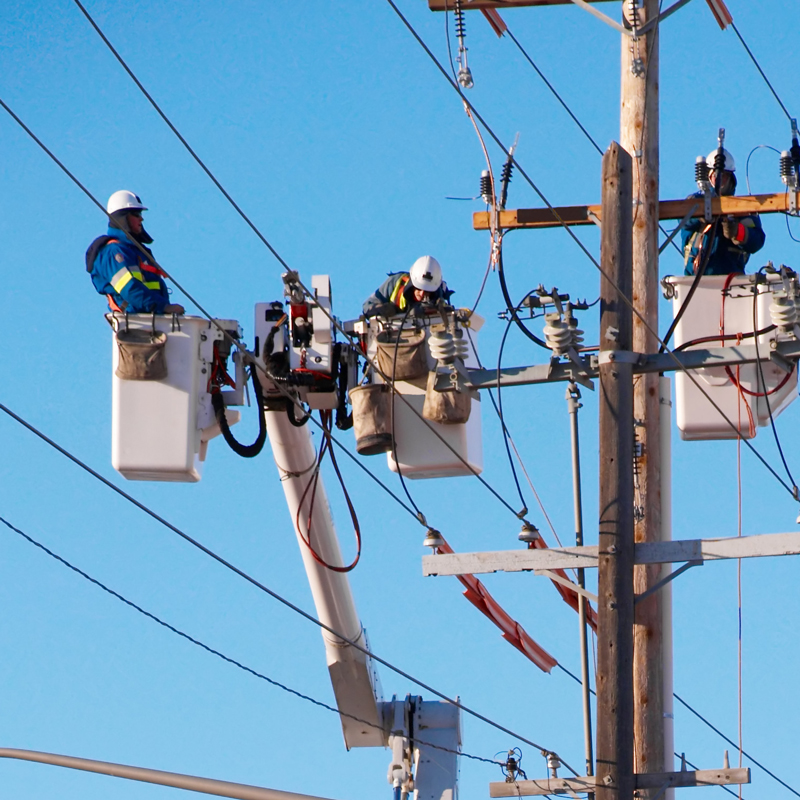
Utility field work does not happen in one controlled environment.

A crew may start the day in a substation, move to a roadside repair, respond to a customer outage, and end the shift on storm restoration. Each location brings different hazards. Each weather condition changes the risk. Each task may require a different combination of electrical protection, visibility, respiratory protection, weather gear, and field-ready PPE access.

That is why utility PPE programs cannot rely on a static checklist alone.

A checklist can help workers confirm basic steps, but it cannot fully account for rain, wind, heat, cold, damaged infrastructure, roadside traffic, changing voltage exposure, or emergency response pressure. Utility field workers need a weather-ready PPE program that adapts to real conditions.

A strong program starts with hazard assessment, task-specific PPE selection, proper training, reliable equipment access, and worker authority to stop and reassess when conditions change.

For utility teams looking to strengthen field protection, Arbill supports safety programs with PPE, training, services, and practical solutions built around real work environments.

Why Utility Field Work Creates Variable PPE Risk

Utility work is different from many industrial environments because the worksite keeps changing.

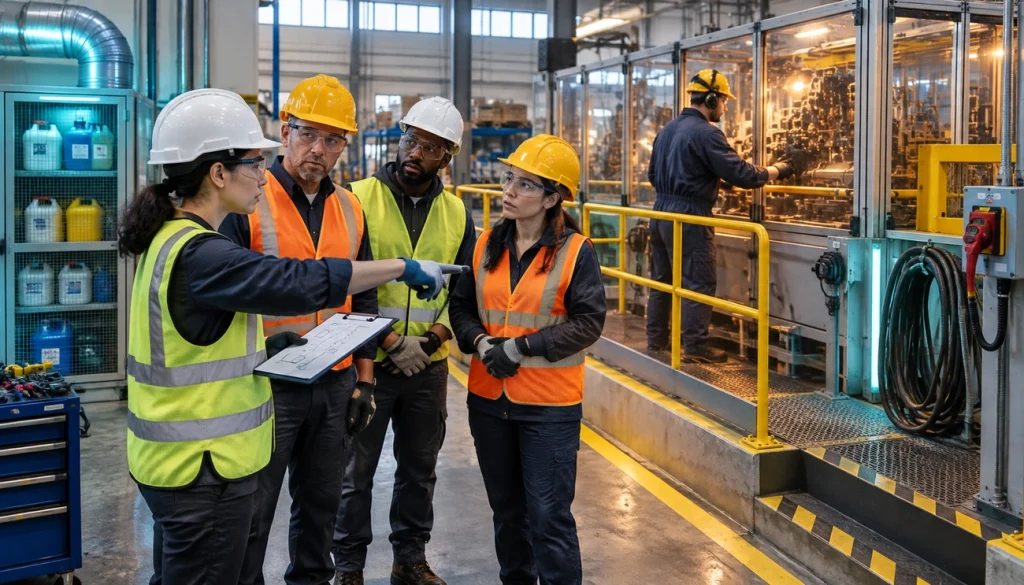
Controlled facilities have predictable layouts, known equipment, consistent access points, and managed environmental conditions. Utility field crews do not always have that advantage. They work in substations, service yards, roadside locations, customer sites, aerial lifts, utility poles, underground spaces, and storm-damaged areas.

That means the hazard profile can shift several times in one day.

A substation task may involve arc flash exposure, shock hazards, and switching equipment. A roadside repair may add traffic visibility, uneven terrain, and weather exposure. Stormwork may involve downed lines, damaged structures, wet conditions, high winds, and extended shifts under pressure.

The uploaded draft makes this point clearly: utility field workers face constantly changing environments, and a one-size-fits-all PPE approach fails when crews move between locations and hazards throughout the shift.

A weather-ready PPE program should reflect that reality.

Substation Work: Electrical Hazards in Outdoor Conditions

Substations may feel more controlled than roadside or storm response work, but they still create serious PPE challenges.

Workers may operate near energized equipment, transformers, switchgear, bus systems, and multiple voltage levels. Arc flash risk can vary based on available fault current, protective device clearing time, working distance, equipment condition, and the task being performed.

Weather adds another layer.

Rain can affect footing and increase concern around energized work. Cold weather can reduce dexterity and make glove use more difficult. Heat can create fatigue under arc-rated clothing. Wind can affect communication and stability when workers are handling equipment or moving through open areas.

Substation PPE planning should account for:

  • Arc-rated clothing
  • Voltage-rated gloves and sleeves
  • Face and head protection
  • Safety glasses
  • Insulating tools and barriers
  • Weather-rated outerwear compatible with arc flash protection
  • Slip-resistant footwear
  • High-visibility elements when vehicles or equipment are moving nearby
  • Task-specific PPE based on hazard analysis

The key is compatibility. Weather gear should not compromise electrical protection.
Explore Our Solutions!
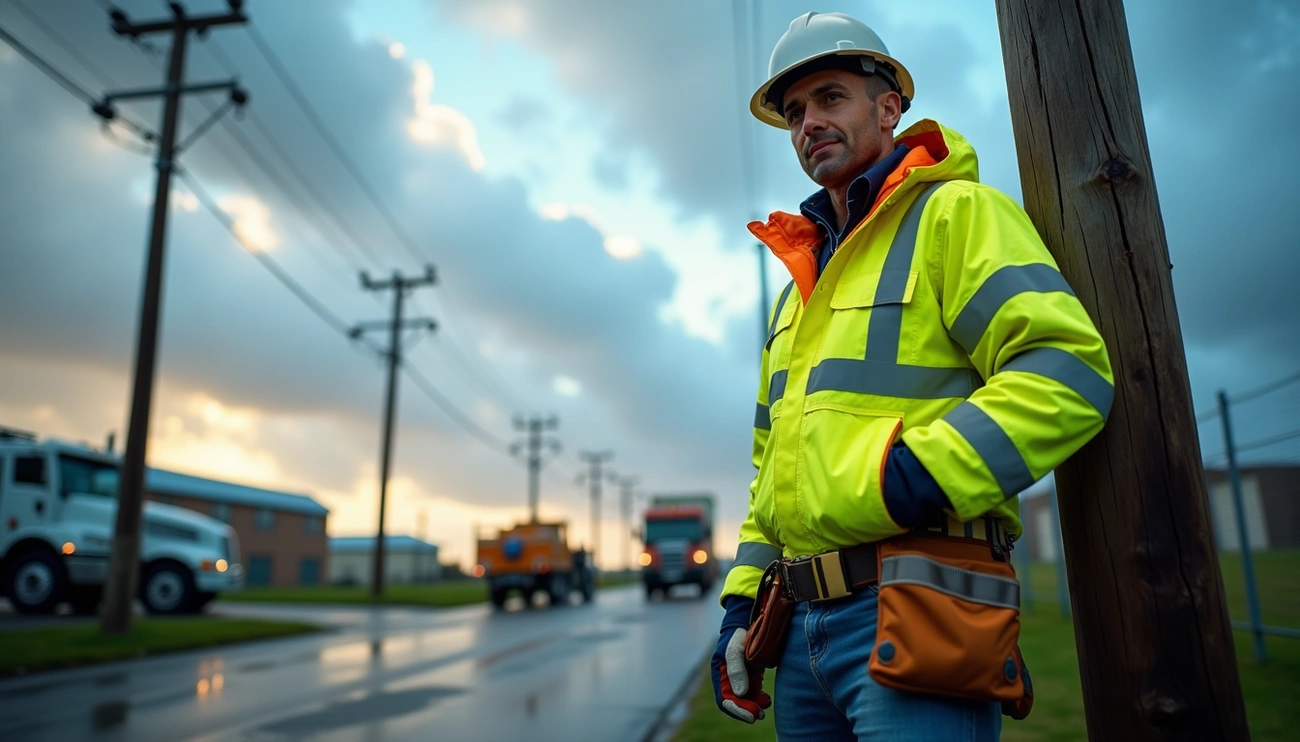
PPE for Utility Field Workers

Roadside Repairs: Visibility, Traffic, and Electrical Exposure

Roadside utility work adds hazards that do not exist inside a fenced substation.

Crews may work near moving traffic, in poor lighting, in rain, snow, fog, or high heat. They may need to set up quickly, maintain traffic awareness, and complete electrical tasks while staying visible to drivers and other workers.

That creates a multi-hazard PPE challenge.

Workers may need high-visibility apparel that is also compatible with arc flash protection. They may need weather protection that does not interfere with mobility. They may need gloves that protect against electrical shock while still allowing safe handling of tools and equipment.

Roadside utility PPE should consider:

  • High-visibility arc-rated garments where required
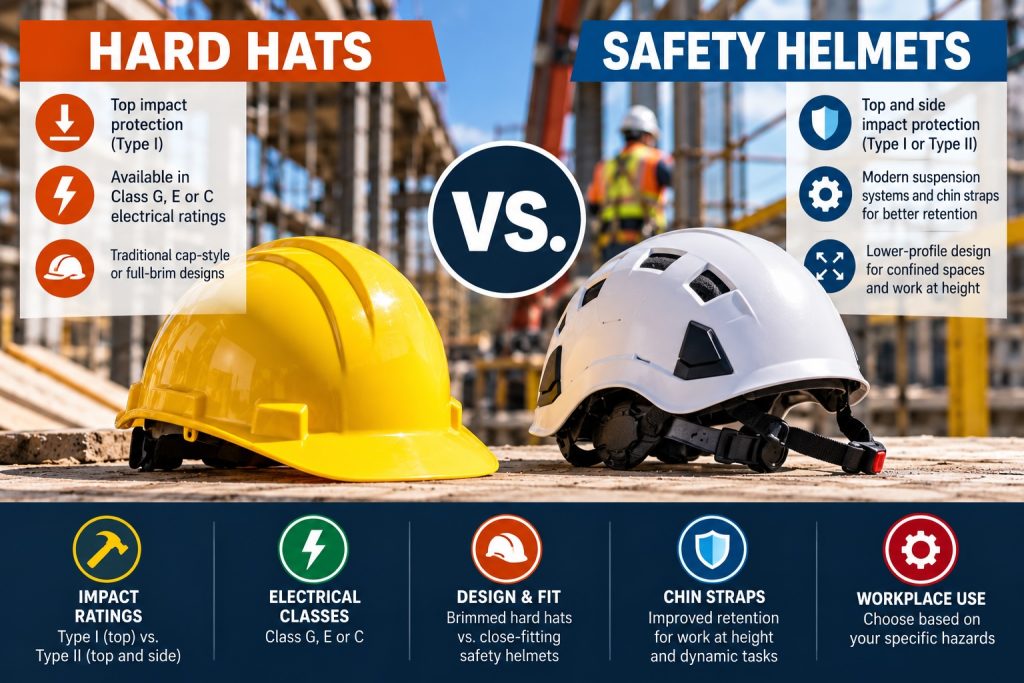
  • Hard hats and face protection
  • Voltage-rated gloves
  • Weather-ready outer layers
  • Slip-resistant and electrically appropriate footwear
  • Eye protection for wind, dust, rain, or debris
  • Hearing protection when working near heavy equipment
  • Traffic control and visibility equipment
  • Field-accessible PPE replacements

A roadside job can become more dangerous when PPE is uncomfortable, unavailable, or poorly matched to the task. Workers should not have to choose between visibility, weather protection, and electrical safety.

Stormwork: The Most Demanding PPE Scenario

Storm restoration is one of the most difficult environments for utility PPE planning.

Crews may work long shifts in rain, wind, cold, heat, mud, darkness, or debris-filled areas. Infrastructure may be damaged. Lines may be down. Equipment may be unstable. Visibility may be poor. Access may be limited. Workers may need to move quickly while still making careful safety decisions.

This is where a static PPE checklist can fall short.

Stormwork requires crews to reassess conditions continuously. What was safe at the start of a job may change as weather shifts, equipment moves, or damage becomes more visible.

Storm-ready PPE programs should address:

  • Arc flash and shock protection
  • Tested voltage-rated gloves
  • Weather-rated outerwear
  • High-visibility protection
  • Waterproof or water-resistant gear compatible with electrical safety
  • Slip-resistant footwear for mud, wet surfaces, and uneven ground
  • Head and face protection
  • Lighting and visibility tools
  • Respiratory protection where airborne hazards may be present
  • Backup PPE inventory for extended response

A storm response program should also include clear stop-work authority. If weather, infrastructure, or exposure changes, workers should be empowered to pause and reassess the PPE requirement before continuing.

Weather Changes the Way PPE Performs

Weather does more than make work uncomfortable. It can change the way hazards are managed.

Cold affects dexterity, grip, and endurance. Workers wearing bulky layers may have reduced mobility. Gloves may become harder to use. Materials may stiffen. Tasks that require careful hand positioning can become more difficult.

Heat creates a different problem. Arc-rated clothing and layered PPE may trap body heat. Workers may sweat heavily, lose focus, or experience heat stress during long shifts. Heat can affect decision-making at exactly the wrong time.

Rain and wet conditions can create slip hazards, affect visibility, and complicate electrical work. Wind can interfere with communication, balance, loose garments, and work from aerial lifts or elevated platforms.

A weather-ready PPE program should ask:

  • Does the PPE match the electrical exposure?
  • Does the weather layer maintain required protection?
  • Can the worker move safely in the full PPE system?
  • Does the gear support visibility in current conditions?
  • Are gloves usable for the task and weather?
  • Is footwear appropriate for terrain and moisture?
  • Does heat or cold require additional controls?
  • Should work pause until conditions improve?

These questions help move the program beyond basic compliance and toward real field protection.

As long as people go to work, we have an opportunity to help protect them.

Julie Copeland
Arbill CEO

Julie Copeland Arbill CEO

Building a Layered PPE Strategy

Utility field workers rarely face one hazard at a time.

A worker may need protection from arc flash, electrical shock, falling objects, rain, traffic, heat stress, respiratory hazards, and slips or falls in the same job. That is why PPE must be layered carefully.

A layered strategy considers the complete system, not just individual items.

The foundation is electrical protection. That may include arc-rated clothing, voltage-rated gloves, insulating sleeves, face shields, balaclavas, hard hats, and other equipment based on the task and hazard analysis.

The next layer addresses the environment. Weather-rated outerwear, high-visibility apparel, thermal layers, cooling options, rain protection, and footwear must support the electrical protection already required.

The final layer supports the work itself. Workers need mobility, communication, visibility, tool access, and enough comfort to wear PPE correctly through the full task.

A strong layered strategy should ensure:

  • Arc flash protection is not compromised by weather gear
  • Voltage-rated gloves are tested and usable
  • High-visibility garments meet field visibility needs
  • Footwear supports electrical, slip, and terrain hazards
  • Respiratory protection is available when airborne hazards exist
  • Fall protection works with arc-rated clothing and outer layers
  • Workers understand how each layer functions

Layering should make protection stronger, not more complicated.

PPE Access Matters in the Field

Even the best PPE plan fails if the right equipment is not available when crews need it.

Utility teams often work across service yards, substations, trucks, job trailers, warehouses, and emergency response locations. If required PPE is stored too far away, out of stock, or difficult to request, workers may face delays or be tempted to continue with incomplete protection.

That is why PPE access should be part of the program design.

PPE vending solutions can help organizations improve access, track usage, manage inventory, and support field and facility teams with frequently used safety equipment. For utility operations, this can help ensure essential PPE is available across shifts and locations instead of sitting in one central storage area.

Field-ready access should include:

  • Standardized PPE by role and task
  • Truck inventory controls
  • Replacement PPE for damaged or contaminated gear
  • Tested glove availability
  • Weather-specific PPE stock
  • High-visibility gear for roadside work
  • Emergency response inventory
  • Usage tracking across sites and crews

PPE access is not just a logistics issue. It is a safety issue.

Arc Flash Protection Must Stay Task-Specific

Arc flash PPE should be selected based on the task, equipment, and exposure level.

A crew performing a visual inspection may not face the same exposure as a crew troubleshooting energized equipment. Substation work may differ from line work. Storm restoration may involve damaged systems that require reassessment before work begins.

A strong utility program should include arc flash hazard analysis, clear PPE categories, worker training, and documented procedures for reassessing conditions when the task changes.

For a deeper look at this approach, Arbill’s guide on arc flash PPE strategy for utility worker safety explains why utilities need layered protection instead of relying on checklists alone.

In a weather-ready program, arc flash protection should be reviewed alongside:

  • Weather conditions
  • Work location
  • Electrical system configuration
  • Equipment condition
  • Task duration
  • Working distance
  • Shock exposure
  • Glove testing status
  • Visibility and traffic hazards
  • Emergency response pressures

This helps ensure the PPE strategy reflects the actual job, not just the original work order.

See Our Safety Services!
Utility Worker Safety

Training Workers to Reassess Conditions

Weather-ready PPE programs depend on worker judgment.

Crews need to understand when conditions have changed enough to require reassessment. That includes sudden rain, rising winds, heat stress concerns, damaged equipment, changing visibility, wet gloves, compromised outerwear, or new hazards discovered after arriving on site.

Training should teach workers how to identify those changes and what to do next.

Practical training should cover:

  • Arc flash and electrical shock hazards
  • Weather impacts on PPE and work conditions
  • High-visibility requirements
  • Voltage-rated glove inspection
  • Stop-work expectations
  • Storm response decision-making
  • Heat and cold stress awareness
  • PPE layering and compatibility
  • Respiratory protection triggers
  • Emergency response procedures

Utilities should also train supervisors to support field reassessment. A worker who stops to question changing conditions should be supported, not rushed.

Arbill’s EHS safety training resources can support organizations that need practical training programs built around real workplace hazards and compliance expectations.

Respiratory Protection in Utility Field Work

Respiratory protection may not be the first thing that comes to mind for utility field PPE, but it can matter in certain field conditions.

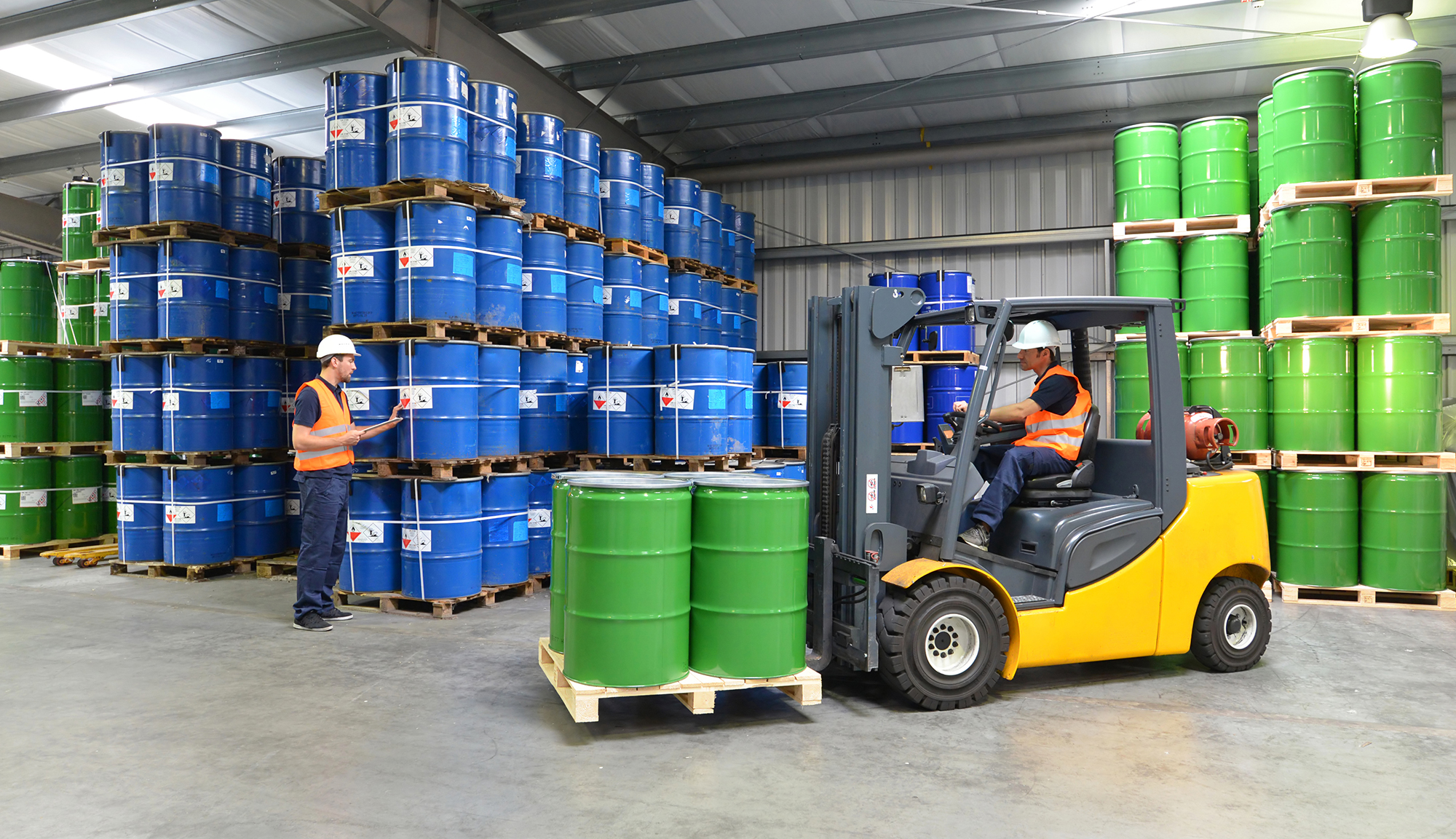
Storm damage, underground work, confined or poorly ventilated areas, smoke, dust, mold, chemical residues, and debris can create airborne hazards. Utility crews may also work near damaged infrastructure, cleanup operations, or environments where particulates and fumes are present.

When respiratory hazards are possible, the PPE program should define when workers need protection, what type is required, and how it will be accessed and maintained.

Options may include disposable respirators, reusable respirators, cartridges, PAPRs, supplied-air systems, or escape respirators depending on the exposure. Selection should be based on the hazard, work duration, environment, and respiratory protection program requirements.

For teams that need equipment options, respiratory protection should be selected as part of the broader field hazard assessment, not as an afterthought.

Maintaining and Testing Weather-Ready PPE

Weather-ready PPE programs need maintenance systems.

Arc-rated clothing can be damaged by wear, contamination, improper laundering, or exposure to harsh conditions. Voltage-rated gloves require inspection and scheduled testing. Rain gear can tear. High-visibility garments can lose reflectivity. Respirators need cartridges, cleaning, storage, and fit program support. Footwear wears down over time.

A program should define:

  • Inspection frequency
  • Removal-from-service criteria
  • Glove testing schedules
  • Replacement timelines
  • Cleaning and storage instructions
  • Field reporting procedures
  • Inventory review
  • Documentation requirements
  • Emergency replacement processes

This keeps PPE from becoming a “set it and forget it” purchase. Utility work is hard on gear, and PPE must be managed accordingly.

Creating a Weather-Ready PPE Program

A weather-ready PPE program should be built around real field conditions.

Start by mapping the types of work utility crews perform: substation maintenance, switching, line work, roadside repair, customer service, underground work, aerial lift work, storm restoration, and emergency response.

Then assess the hazards for each work type. Identify electrical exposure, weather conditions, visibility needs, respiratory risks, terrain challenges, fall hazards, and emergency response factors.

Next, build PPE matrices that connect tasks and conditions to required protection. Make the guidance clear enough for workers to use in the field.

Then confirm access. Crews should have the required PPE before they leave the yard and a way to replace damaged or missing equipment quickly.

Finally, train workers and supervisors. The program should make clear that changing conditions require reassessment. PPE decisions should not be locked to the morning plan when the afternoon job looks completely different.

Conclusion

Utility field workers need PPE programs that match the reality of their work.

From substations to storm restoration, crews face changing electrical hazards, weather conditions, visibility risks, terrain challenges, and emergency response pressures. A checklist alone cannot manage that complexity.

A weather-ready PPE program gives workers a better system. It combines hazard assessment, layered PPE selection, reliable access, training, maintenance, and the authority to reassess when conditions change.

That is how utilities move from basic compliance to real field protection.

When workers are prepared for the weather, the task, and the electrical exposure in front of them, they are better equipped to work safely — no matter where the next call takes them.

Request a Safety Assessment

Recent Posts

Worker with Fall Protection Equipment
Fall Protection on Rigs and Elevated Platforms: The Compliance Standards That Can\’t Be Cut With the Budget

Fall Protection on Rigs and Elevated Platforms: The Compliance Standards That Can\’t Be Cut With the Budget

Worker Use Portable Gas Monitors Before Entering Confined Spaces
Gas Detection in the Field: What Your Oilfield Workers Need to Know Before Entering Any Confined Space

Gas Detection in the Field: What Your Oilfield Workers Need to Know Before Entering Any Confined Space

PPE for Utility Field Workers
From Substations to Stormwork: Building a Weather-Ready PPE Program for Utility Field Workers

From Substations to Stormwork: Building a Weather-Ready PPE Program for Utility Field Workers

Electrical Glove Testing During Work
Electrical Glove Testing Programs: The OSHA Requirement Most Utility Safety Managers Are Quietly Ignoring

Electrical Glove Testing Programs: The OSHA Requirement Most Utility Safety Managers Are Quietly Ignoring

Arc flash protection PPE
Arc Flash, Electrical Shock, and Line Work: Why Utilities Need a Layered PPE Strategy — Not Just a Checklist

Arc Flash, Electrical Shock, and Line Work: Why Utilities Need a Layered PPE Strategy — Not Just a Checklist