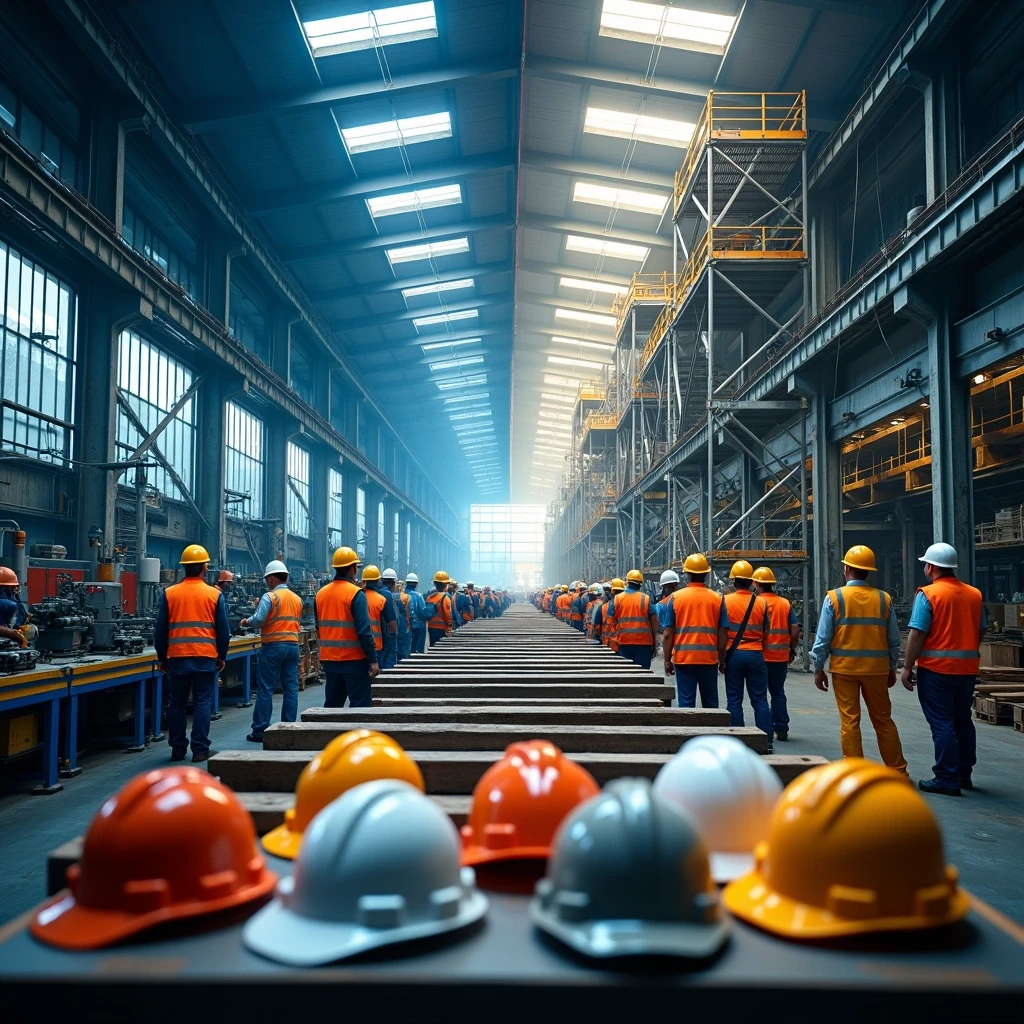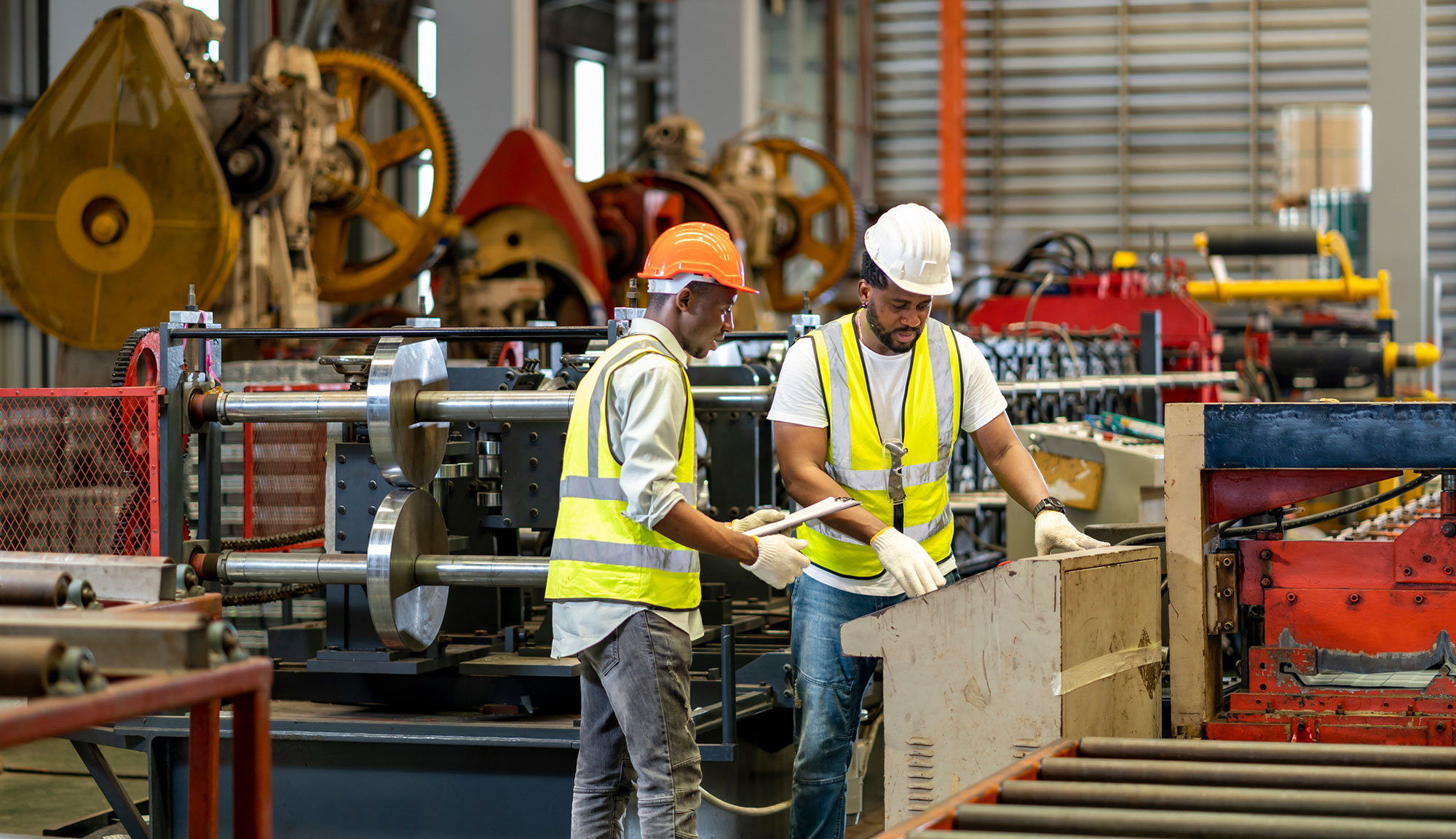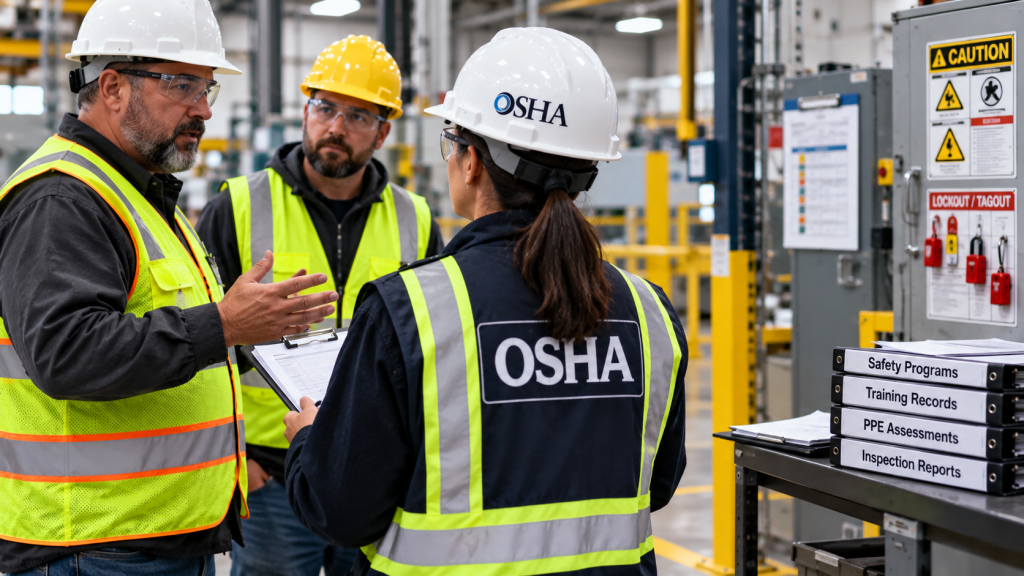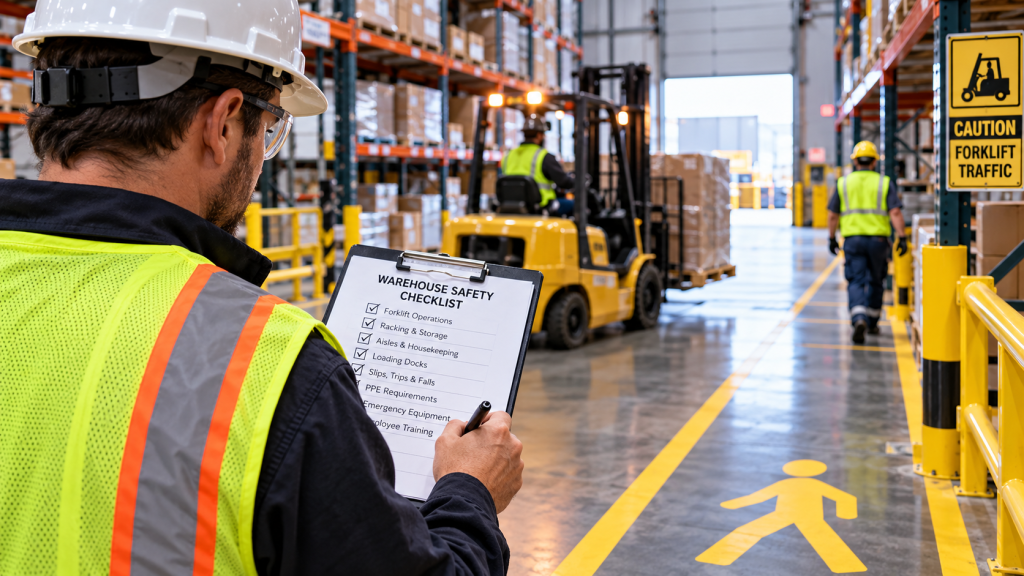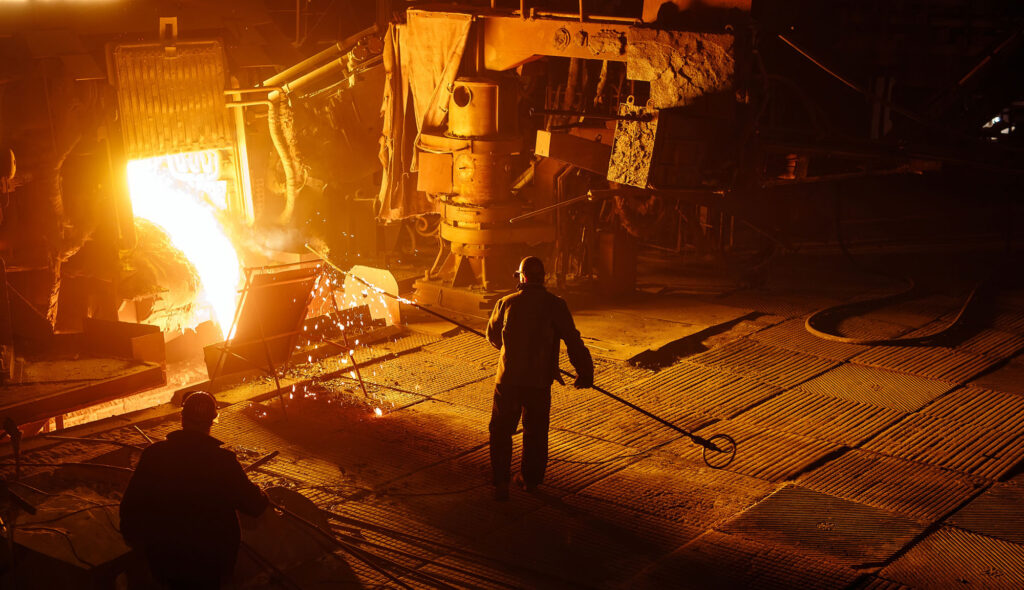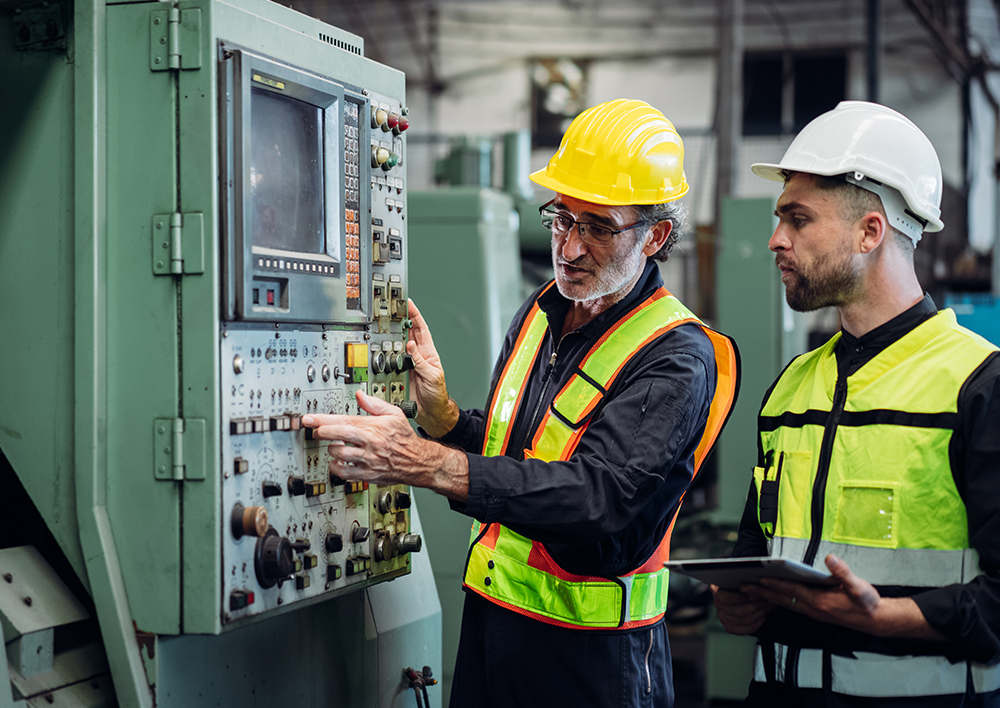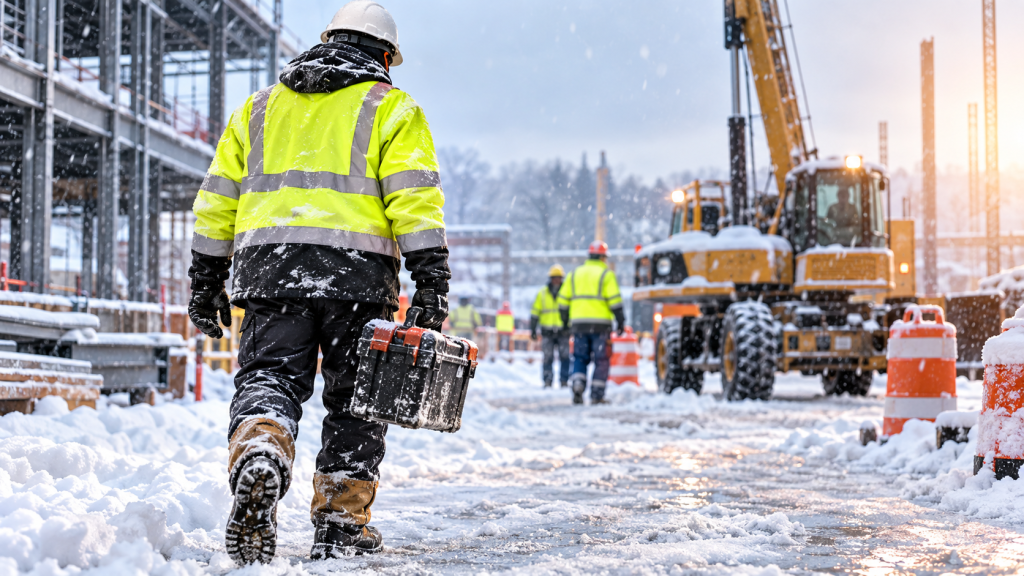
Heavy manufacturing facilities do not always fit neatly into one OSHA category.
Most daily operations fall under OSHA 1910, the general industry standards. Production work, machine operation, powered industrial trucks, chemical handling, maintenance, PPE, walking-working surfaces, lockout/tagout, and routine facility operations usually live in that framework.
But the moment a facility starts construction work, the rules can change.
A machine installation project, building expansion, major roof repair, structural modification, equipment removal, scaffold setup, or new production line buildout may trigger OSHA 1926 construction standards. That creates confusion for safety managers because both sets of standards can apply inside the same facility at the same time.
The challenge is not choosing OSHA 1910 or OSHA 1926. The challenge is knowing which standard applies to the work being performed.
For heavy manufacturing safety managers, this distinction matters because applying the wrong standard can create compliance gaps, worker exposure, and inspection risk.
The Basic Difference Between OSHA 1910 and OSHA 1926
OSHA 1910 applies to general industry work. In a heavy manufacturing facility, that usually means ongoing operations: production, warehousing, equipment operation, routine maintenance, chemical handling, electrical work, PPE use, powered industrial trucks, and walking-working surface safety.
OSHA 1926 applies to construction work. OSHA defines construction work as work for construction, alteration, and/or repair, including painting and decorating.
The uploaded draft explains this distinction well: OSHA 1910 governs day-to-day manufacturing activities, while OSHA 1926 applies during construction work, equipment installations, or structural modifications.
That means the same facility may have:
- Production workers covered by OSHA 1910
- Contractors covered by OSHA 1926
- Maintenance workers covered by OSHA 1910 for routine work
- Maintenance or project workers covered by OSHA 1926 during alteration or construction work
- A construction zone operating next to an active production line
The facility type does not decide the standard by itself. The activity does.
Why Heavy Manufacturing Facilities Need to Understand Both
Heavy manufacturing sites often change while they are still operating.
A plant may install new machinery, expand a production bay, repair a roof, add platforms, rebuild a mezzanine, relocate utilities, upgrade ventilation, replace structural supports, or modify electrical systems while production continues nearby.
The uploaded draft notes that this dual applicability creates compliance complexity because a facility might run assembly lines under OSHA 1910 while conducting building expansion or equipment installation under OSHA 1926.
This matters because hazards can change quickly during project work.
A production floor with fixed equipment and predictable traffic patterns becomes more complex when contractors bring scaffolds, lifts, demolition tools, temporary power, rigging equipment, floor openings, stored materials, and changing access routes into the same environment.
Safety managers need a system that identifies when work crosses from routine operations into construction activity.
When OSHA 1910 Usually Applies
OSHA 1910 applies to established workplace operations.
In heavy manufacturing, this typically includes the work that keeps the facility running every day. Workers perform repeated tasks in a fixed environment with known equipment, known processes, and ongoing exposure patterns.
Examples include:
- Operating production machinery
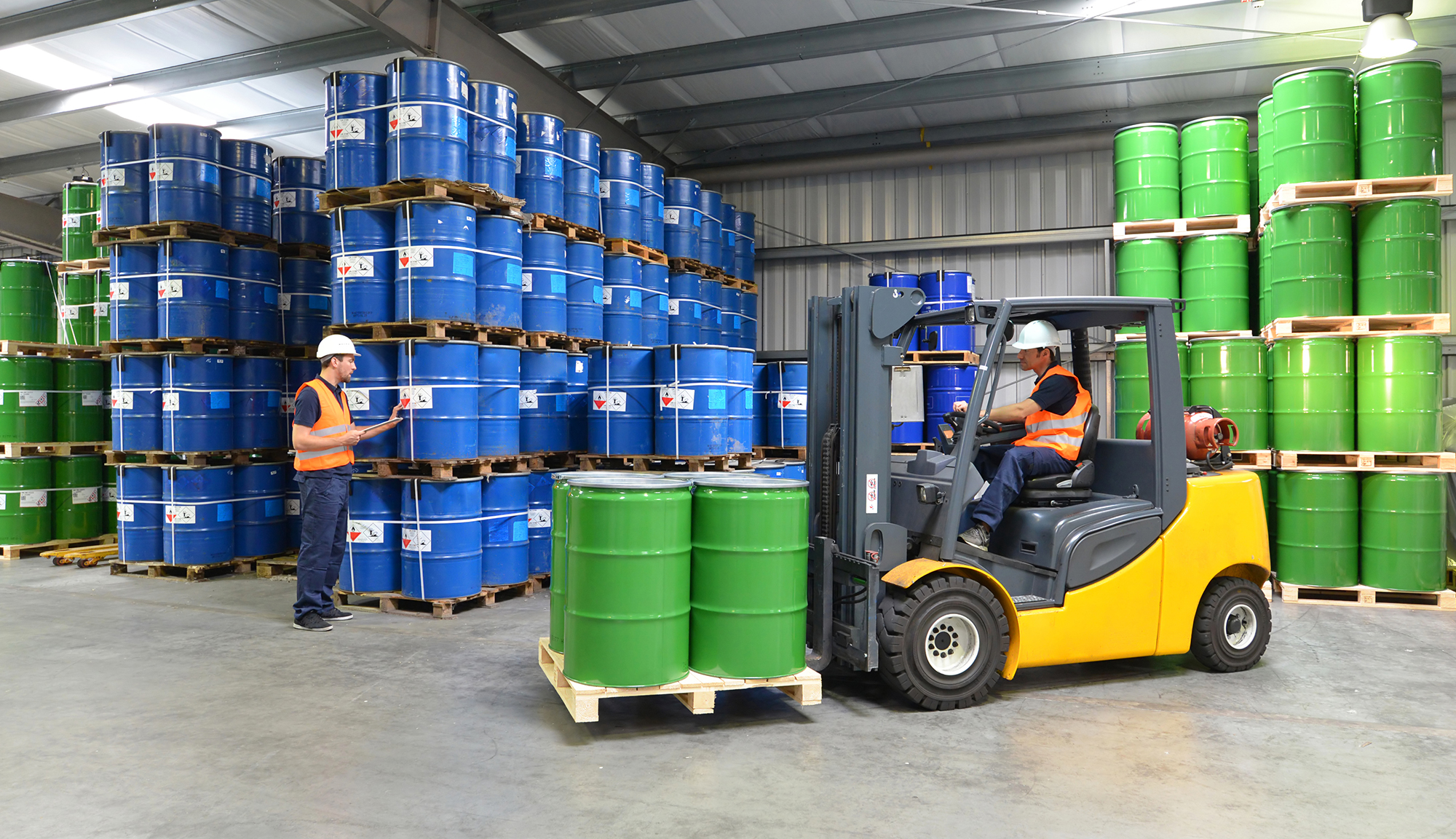
- Forklift and powered industrial truck use
- Routine equipment maintenance
- Lockout/tagout during servicing
- Machine guarding
- Hazard communication
- Chemical handling
- PPE use for normal tasks
- Walking-working surface safety
- Electrical safety for operational work
- Material handling
- Warehouse operations
- Routine housekeeping
- Standard quality control work
OSHA 1910.178, for example, covers powered industrial trucks such as fork trucks, tractors, platform lift trucks, motorized hand trucks, and other specialized industrial trucks powered by electric motors or internal combustion engines.
For safety managers, the key question is whether the task is part of normal operations or whether it is part of construction, alteration, or repair work.