OSHA’s most frequently cited standards remain remarkably consistent from year to year. The industries, facilities, and employers involved may change, but inspectors continue finding many of the same underlying weaknesses: missing safeguards, incomplete written programs, outdated training, poor documentation, unsuitable PPE, and differences between formal procedures and the way work is actually performed.

These citations should not be treated simply as a list of regulatory mistakes. They reveal where safety programs repeatedly break down and where workers continue to face preventable injuries, illnesses, and fatalities.

According to OSHA’s official Fiscal Year 2025 results, the Top 10 include standards from both construction and general industry. Employers therefore need to understand which regulatory framework applies to each activity, especially when manufacturing, maintenance, installation, repair, and construction work occur at the same site.

Arbill’s guide to OSHA 1910 versus 1926 in heavy manufacturing explains why a facility may operate primarily under general industry rules while certain construction activities fall under a different set of requirements.

The following sections explain OSHA’s current Top 10 and the practical steps employers can take to prevent the hazards behind them.

1. Fall Protection—General Requirements

Fall Protection under 29 CFR 1926.501 remained OSHA’s most frequently cited standard for Fiscal Year 2025. The standard primarily applies to construction activities and requires employers to protect workers who may fall from unprotected sides, edges, roofs, holes, excavations, and other elevated work areas.

Where Fall Protection Programs Break Down

Violations often begin before the employee reaches the elevated work area. Employers may fail to evaluate the walking-working surface, identify the fall distance, select an appropriate system, or provide a suitable anchor point.

Other problems appear when guardrails are incomplete, floor openings are uncovered, personal fall arrest systems are unavailable, or workers disconnect their equipment to move around an obstruction.

Facilities may also overlook temporary construction work performed by maintenance employees or contractors. Roofing repairs, equipment installation, structural modifications, and platform construction can trigger requirements that differ from normal manufacturing operations.

How to Avoid Fall Protection Citations

Evaluate each elevated task before work begins. Determine whether guardrails, safety nets, personal fall arrest systems, travel-restraint systems, or another approved method provides the most appropriate control.

Employees should know how to inspect harnesses, connectors, lanyards, self-retracting lifelines, and anchor points. The program must also address fall clearance, swing-fall exposure, equipment compatibility, and rescue after a fall.

Arbill’s OSHA Stand-Down guidance for manufacturing employers provides a practical framework for reviewing fall hazards, involving workers, and reinforcing prevention before an incident occurs.

2. Hazard Communication

Hazard Communication under 29 CFR 1910.1200 ranked second. The standard requires employers to communicate chemical hazards through a written program, container labels, Safety Data Sheets, chemical inventories, and employee training.

Where HazCom Programs Break Down

Many facilities have a written program but fail to keep it aligned with the chemicals actually present. New products may enter through purchasing, maintenance, contractors, laboratories, or production without being added to the chemical inventory.

Secondary containers are another frequent problem. Solvents, cleaners, coatings, oils, and process materials may be transferred into bottles or portable containers without clear identification.

SDS access can also become unreliable during night shifts, emergencies, network outages, or work performed away from the main office. Training may explain GHS pictograms generally without addressing the chemicals employees handle during their actual jobs.

How to Avoid Hazard Communication Citations

Maintain a current inventory that matches product identifiers on labels and Safety Data Sheets. Establish a purchasing or approval process so EHS personnel can review new chemicals before use.

Inspect secondary containers and process areas routinely. Workers should know where SDSs are stored, how to interpret key sections, which PPE is required, and what to do during a spill or exposure.

Chemical and petrochemical operations can find broader guidance in Arbill’s OSHA compliance guide for chemical and petrochemical plants, which connects hazard communication with process safety, PPE, mechanical integrity, emergency planning, and contractor coordination.


Explore Our Solutions!
OSHA's Top 10 Most Frequently Cited Violations and How to Avoid Them

3. Ladders

Construction ladder requirements under 29 CFR 1926.1053 ranked third. Ladder incidents frequently involve unsuitable equipment, poor setup, damaged components, unstable surfaces, incorrect climbing practices, and ladders used for purposes they were not designed to perform.

Where Ladder Safety Breaks Down

Workers may choose the nearest ladder rather than the correct type or length. Extension ladders may not extend sufficiently above a landing, while stepladders may be folded and leaned against a surface even though they were not designed for that use.

Other violations occur when employees stand on prohibited steps, carry materials that prevent secure climbing, place ladders in traffic routes without protection, or continue using equipment with damaged rungs, rails, feet, or locking mechanisms.

How to Avoid Ladder Citations

Select ladders according to the task, height, environment, and total load. Inspect them before use and remove damaged equipment from service immediately.

Workers should maintain stable contact while climbing, keep their bodies positioned between the side rails, and use hoisting methods or tool-carrying systems when materials interfere with safe movement.

Employers should also consider whether a ladder is the safest access method. Platforms, scaffolds, stairs, or aerial equipment may offer stronger protection for longer or more demanding work.

4. Control of Hazardous Energy—Lockout/Tagout

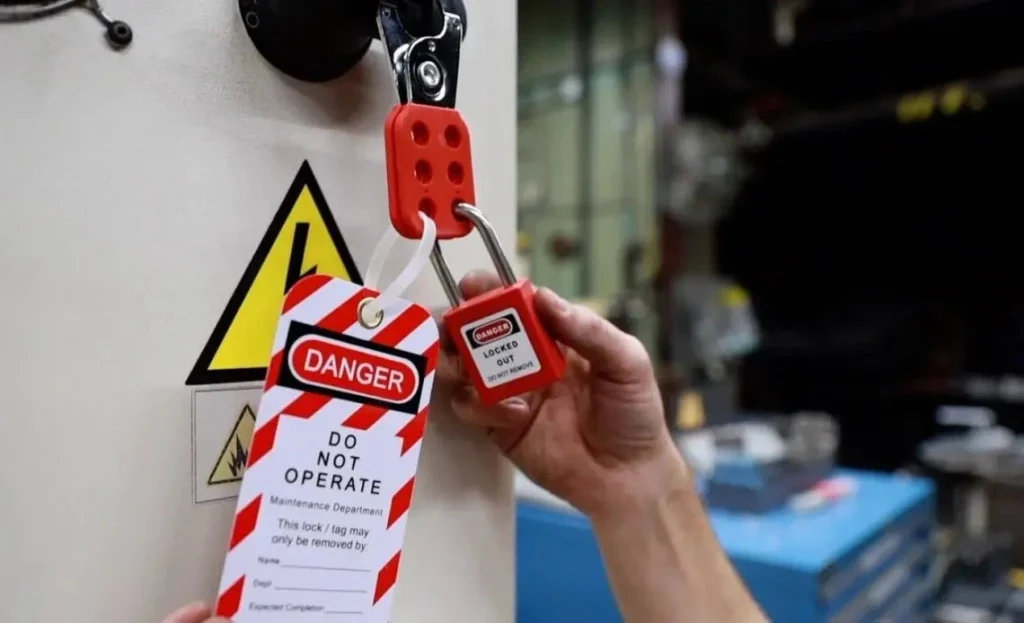
Lockout/tagout under 29 CFR 1910.147 ranked fourth. It protects employees from unexpected startup, energization, or the release of stored energy during servicing and maintenance.

Where LOTO Programs Break Down

One of the most common weaknesses is relying on a generic corporate policy without equipment-specific procedures. Industrial machinery may contain electrical, hydraulic, pneumatic, mechanical, thermal, gravitational, or chemical energy that must be identified and controlled separately.

Employees may apply locks but fail to release stored pressure, block elevated components, discharge capacitors, or verify that isolation was successful. Annual procedure inspections may be incomplete or performed by someone who does not meet the program requirements.

Group lockout, shift changes, contractor coordination, and troubleshooting activities also create confusion when responsibilities are unclear.

How to Avoid LOTO Citations

Develop procedures that identify each machine’s energy sources, isolation devices, stored-energy controls, verification steps, and restoration sequence.

Train authorized employees on the equipment they service rather than relying only on general classroom examples. Affected employees and other workers in the area should also understand the purpose of lockout and the prohibition against restarting or interfering with isolated equipment.

Arbill’s OSHA compliance guide for heavy industrial manufacturing provides additional guidance on hazardous energy, machine guarding, PPE, powered industrial trucks, training, and documentation.

5. Respiratory Protection

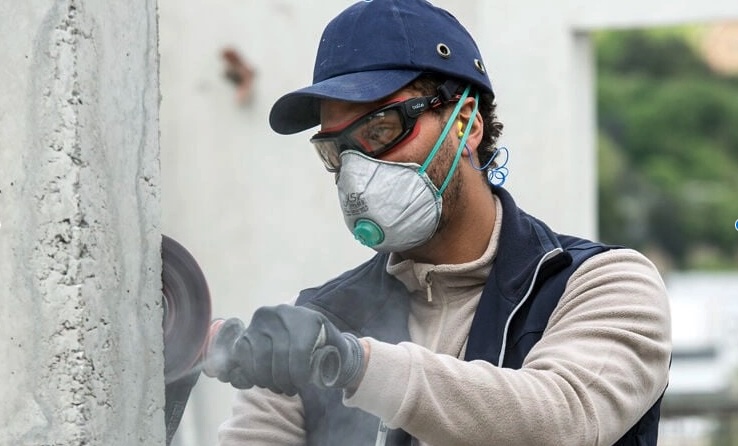
Respiratory Protection under 29 CFR 1910.134 ranked fifth. Employers must first evaluate airborne hazards and use feasible engineering controls. When respirators are required, the workplace needs a written, site-specific program.

Where Respiratory Programs Break Down

Some employers distribute respirators without completing medical evaluations or fit testing. Others maintain a generic written program that does not explain how respirators are selected, cleaned, stored, inspected, and replaced at the facility.

Employees may wear a model or size different from the one used during fit testing. Facial hair may interfere with tight-fitting seals. Cartridge changes may depend on smell or worker judgment rather than an established schedule.

The greatest risk occurs when workers enter oxygen-deficient, unknown, or immediately dangerous atmospheres using equipment that does not provide adequate protection.

How to Avoid Respiratory Protection Citations

Begin with a documented exposure assessment. Identify the contaminant, concentration, physical form, oxygen level, work duration, and foreseeable emergency conditions.

Complete medical evaluations before fit testing and required use. Fit-test employees on the exact make, model, style, and size they will wear, and repeat testing as required or whenever physical or equipment changes could affect fit.

Oil and gas operations can review Arbill’s OSHA compliance guide for oil and gas operations for guidance on respiratory protection, gas detection, H2S, confined spaces, emergency planning, and field compliance.

6. Scaffolding

Scaffolding requirements under 29 CFR 1926.451 ranked sixth. Scaffolds expose workers to falls, structural collapse, falling objects, electrical hazards, and unsafe access when they are not designed, erected, inspected, and used correctly.

Where Scaffold Safety Breaks Down

Common failures include incomplete platforms, missing guardrails, unsuitable bases, excessive loads, inadequate bracing, and workers using cross braces instead of approved access.

A scaffold may also remain in service after weather, impact, modification, or movement affects its stability. Components from incompatible systems may be combined without confirming that the resulting structure is safe.

How to Avoid Scaffolding Citations

Ensure a qualified person designs or selects the scaffold and a competent person inspects it before each work shift and after events that could affect structural integrity.

Platforms, access, guardrails, foundations, ties, bracing, and load capacity should match the scaffold type and work being performed. Employees must understand fall hazards, falling-object exposure, electrical clearance, loading restrictions, and prohibited practices.

Contractor-controlled scaffolds should be included in site coordination rather than treated as entirely separate from the host employer’s safety responsibilities.

As long as people go to work, we have an opportunity to help protect them.

Julie Copeland
Arbill CEO

Julie Copeland Arbill CEO

7. Fall Protection Training Requirements

Fall Protection Training under 29 CFR 1926.503 ranked seventh. The presence of fall protection equipment does not protect workers who cannot select, inspect, connect, and use it correctly.

Where Training Programs Break Down

Employers may provide broad awareness training without covering the fall hazards workers actually encounter. Instruction may omit equipment limitations, anchor selection, inspection, fall clearance, or the employer’s specific protection systems.

Another common weakness is assuming that a signed attendance sheet proves competence. Employees may complete a course without demonstrating that they can inspect a harness or connect a personal fall arrest system properly.

Retraining may also be overlooked after equipment changes, workplace modifications, unsafe observations, or evidence that an employee no longer understands the procedure.

How to Avoid Training Citations

Training should be delivered by a competent person and provided in vocabulary and language employees understand. It should combine hazard recognition with hands-on demonstrations using the equipment workers will wear.

Employers should document the employee’s name, training date, and trainer information. More importantly, supervisors should observe field performance and intervene when workers do not apply what they learned.

Training should be refreshed when site conditions, protection systems, assignments, or worker performance change.

8. Powered Industrial Trucks

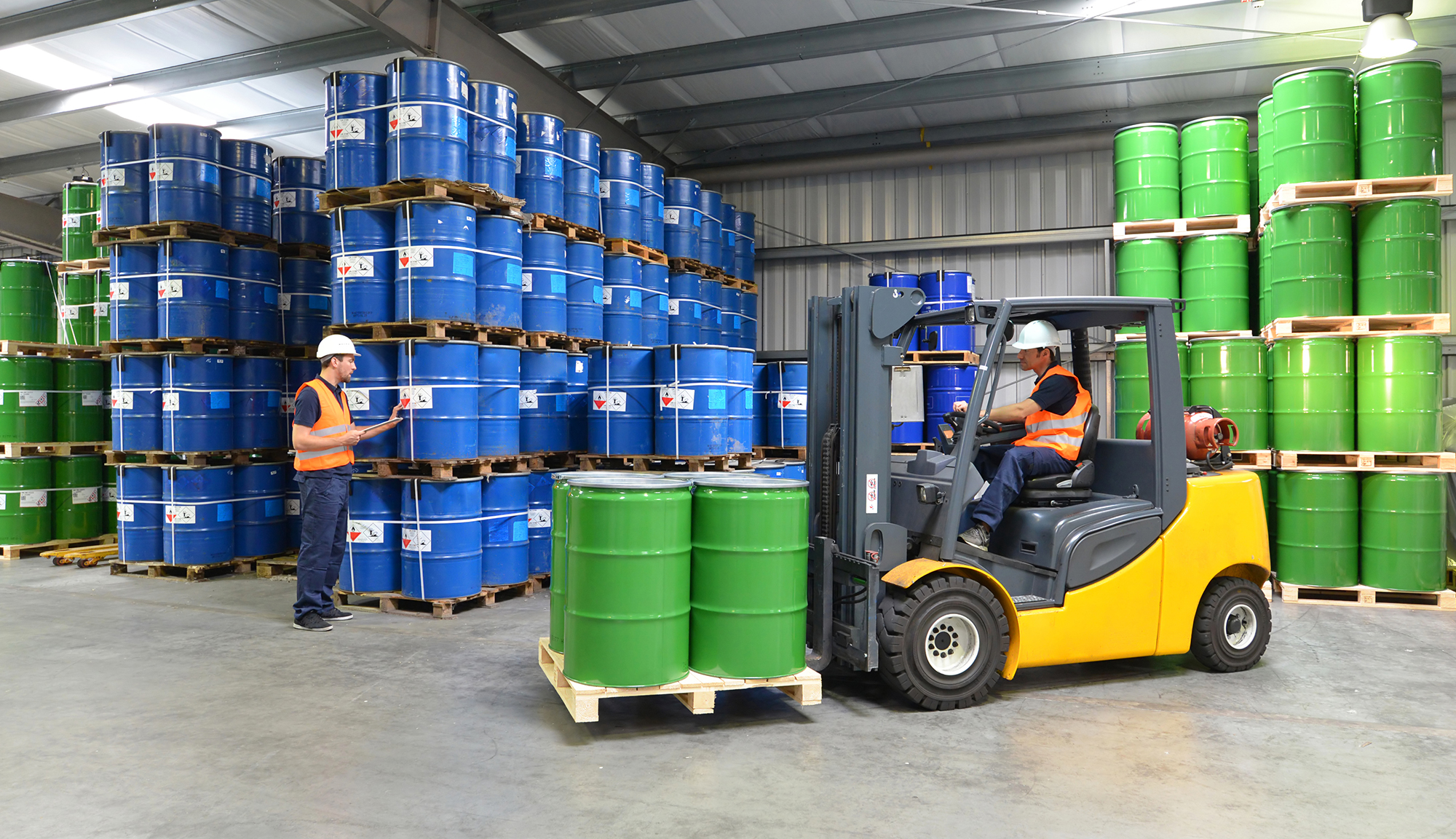
Powered Industrial Trucks under 29 CFR 1910.178 ranked eighth. Forklifts are widely used in manufacturing, warehousing, distribution, processing, and industrial yards, where they create collision, overturn, struck-by, crushing, and falling-load hazards.

Where Forklift Programs Break Down

Employers may depend on classroom instruction without completing practical training and workplace evaluation. Operators may use equipment they were not trained to operate or continue working after an accident, near miss, unsafe observation, or facility change without refresher instruction.

Daily inspections may become informal or undocumented. Mechanical defects may remain unresolved because the equipment is needed for production. Pedestrian routes may cross blind corners, dock areas, and material-staging zones without adequate separation.

How to Avoid Powered Industrial Truck Citations

Training must include formal instruction, practical exercises, and an evaluation of the operator’s performance in the workplace. Content should address the truck type, attachments, loads, ramps, docks, visibility, pedestrian traffic, and environmental conditions found at the facility.

Remove defective equipment from service until repaired. Maintain clear traffic rules, speed expectations, pedestrian walkways, crossing controls, mirrors, barriers, and lighting.

Operators should receive refresher training after incidents, unsafe operation, assignment to different equipment, or workplace changes that affect safe operation.

9. Eye and Face Protection

Construction Eye and Face Protection under 29 CFR 1926.102 ranked ninth. Workers may need protection from flying particles, molten material, liquid chemicals, acids, caustic substances, gases, vapors, and injurious light radiation.

Where Eye Protection Programs Break Down

Employers may provide eyewear that does not match the exposure or does not fit comfortably enough for consistent use. Workers may remove glasses because they fog, interfere with respirators, distort vision, or feel uncomfortable during long shifts.

Face shields are also frequently misunderstood. A shield provides additional facial coverage but may not replace required primary eye protection such as safety glasses or goggles.

Prescription-lens wearers may be expected to use ordinary eyewear that does not meet the applicable protection requirements.

How to Avoid Eye and Face Protection Citations

Complete a task-specific hazard assessment and select equipment with appropriate impact, splash, optical, or radiation protection.

Give workers models and sizes that fit securely and remain compatible with hard hats, respirators, hearing protection, and other PPE. Prescription safety eyewear or suitable over-the-glass protection should be available where required.

Supervisors should reinforce use and investigate repeated noncompliance. When workers continuously remove their eyewear, the facility should evaluate comfort, fogging, visibility, fit, and task design rather than relying only on discipline.

See Our Safety Services!
OSHA Standards

10. Machine Guarding

Machine Guarding under 29 CFR 1910.212 ranked tenth. Moving machinery can expose employees to amputations, crushing injuries, lacerations, flying material, sparks, rotating parts, and ingoing nip points.

Where Guarding Programs Break Down

Guards may be missing, damaged, improperly positioned, or removed because they interfere with production. Employees may reach around or through barriers to clear jams, adjust material, or retrieve products.

Machines can also change over time. New tooling, modified controls, altered feed methods, and production upgrades may make an older guarding assessment inaccurate.

A guard may technically be present while still allowing access to the danger zone.

How to Avoid Machine Guarding Citations

Evaluate each machine’s point of operation, power-transmission components, rotating parts, material ejection, and employee interaction.

Guards should prevent access without creating additional hazards. Interlocks, light curtains, two-hand controls, barriers, and presence-sensing devices should be tested and maintained according to the machine and task.

Workers should never clear jams or perform maintenance under the protection of an emergency stop alone. When servicing exposure exists, the facility must apply appropriate hazardous-energy controls.

Why the Same Violations Keep Returning

OSHA’s Top 10 are not isolated technical failures. They often point to broader management-system weaknesses.

A facility may have policies but fail to update them after equipment or process changes. Training may occur without practical evaluation. Inspections may identify hazards without assigning corrective-action ownership. PPE may be available without being suitable or consistently worn.

Different departments may also manage related risks separately. Engineering installs equipment, maintenance develops servicing practices, purchasing selects PPE, and operations trains workers—with no single review confirming that every part works together.

Arbill’s analysis of where safety programs break down behind OSHA’s Top 10 violations explores how these recurring citations often result from gaps between policies, daily execution, documentation, training, and leadership oversight.

Building a More Proactive Compliance Program

Employers should begin by determining which Top 10 standards apply to their operations. Because the official list combines construction and general industry, the company must evaluate the work being performed rather than applying every standard in exactly the same way.

Use OSHA’s official Top 10 Most Frequently Cited Standards as a starting point, then review applicable standards, interpretations, and industry-specific citation data.

Conduct workplace assessments under representative operating conditions. Review written programs, training records, equipment inspections, incidents, near misses, PPE practices, contractor activities, and open corrective actions.

Findings should be prioritized according to risk. Missing fall protection, uncontrolled hazardous energy, inadequate respiratory protection, or exposed machine hazards require immediate attention. Administrative improvements should be scheduled without allowing them to remain open indefinitely.

The goal is not merely to prepare for an OSHA inspection. It is to identify and fix recognized hazards before workers are injured.

Conclusion

OSHA’s Top 10 Most Frequently Cited Standards provide a practical map of where workplace safety systems repeatedly fail.

For Fiscal Year 2025, the list included fall protection, hazard communication, ladders, lockout/tagout, respiratory protection, scaffolding, fall protection training, powered industrial trucks, eye and face protection, and machine guarding.

Employers can reduce these risks by conducting task-specific assessments, developing accurate written programs, providing practical training, selecting suitable PPE, inspecting equipment, involving workers, and tracking corrective actions through completion.

The most important lesson is that compliance cannot exist only in manuals and training records. Procedures must match actual equipment, employees must understand how to apply them, and supervisors must verify that safeguards remain effective during everyday work.

When organizations use the Top 10 as a proactive assessment tool rather than a post-inspection checklist, they can strengthen compliance while preventing the injuries and illnesses behind the citations.

Request a Safety Assessment

Recent Posts

The Hidden Costs of Poor Workplace Safety

The Hidden Costs of Poor Workplace Safety

ANSI Standards vs. OSHA - Which Applies to Your Workplace
ANSI vs. OSHA: What’s the Difference?

ANSI vs. OSHA: What’s the Difference?

Head Protection Webinar with MSA
When Should You Replace Your Safety Helmet?

When Should You Replace Your Safety Helmet?

Choosing the proper PPE
A Complete Guide to Building a Workplace PPE Program

A Complete Guide to Building a Workplace PPE Program

OSHA's Top 10 Most Frequently Cited Violations and How to Avoid Them
OSHA’s Top 10 Most Frequently Cited Violations and How to Avoid Them

OSHA’s Top 10 Most Frequently Cited Violations and How to Avoid Them

  • Previous ProjectA Complete Guide to Building a Workplace PPE Program

  • Next ProjectHydration Programs for Industrial Warehouses

CUSTOMER SERVICE

800-523-5367

CONTACT US

Complete the short form below and an Arbill representative will get back to you within 24 hours.
* Required Fields

    ARBILL RESPECTS YOUR PRIVACY AND YOUR INFORMATION: By submitting the form above you agree to receiving emails from Arbill. Your submitted information is NEVER shared. You may unsubscribe at any time via the "unsubscribe" link in our emails. You can view our Privacy Policy HERE.