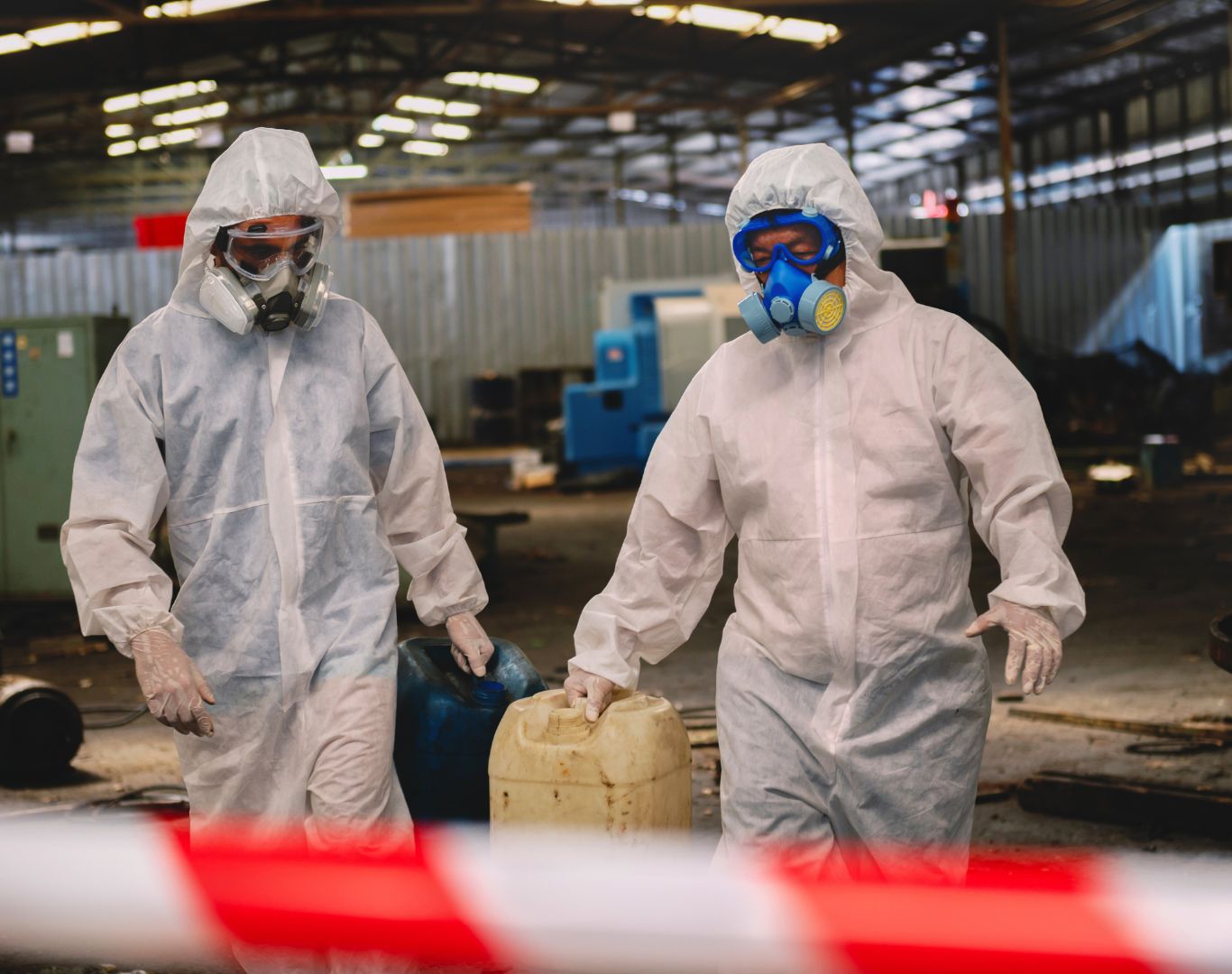
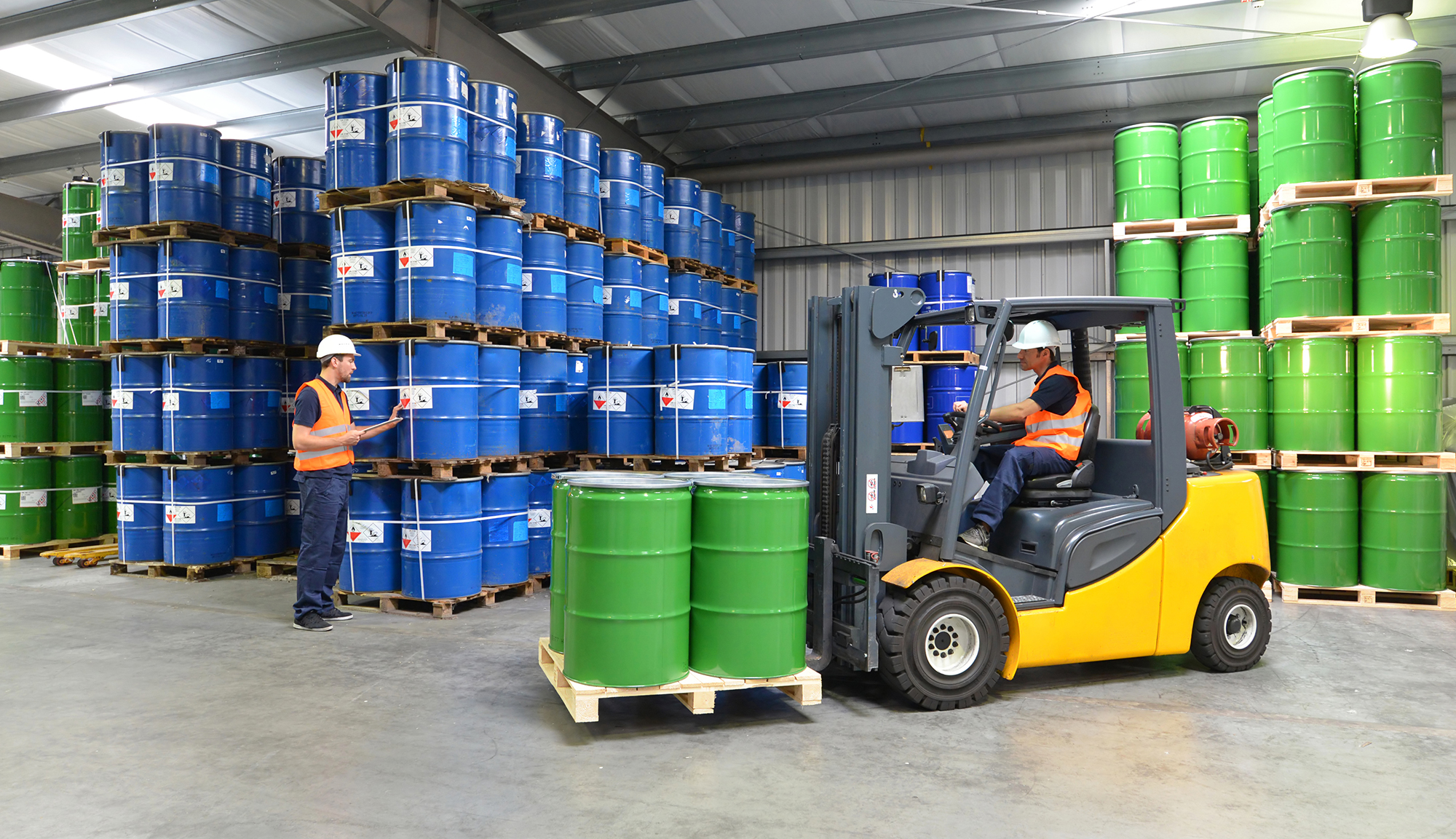
Chemical plants handle hazardous substances every day. Corrosive acids, caustic bases, solvents, resins, reactive materials, compressed gases, process chemicals, cleaning agents, and waste products may all be present within the same facility.

Workers cannot protect themselves from these hazards unless they know what substances are present, how those substances can affect them, what protective measures are required, and how to respond during a spill, leak, exposure, or emergency.

That is the purpose of OSHA’s Hazard Communication Standard.

HazCom compliance is not simply a matter of keeping Safety Data Sheets in a binder. Chemical plants need a complete system that connects chemical inventories, written procedures, container labels, SDS access, employee training, contractor communication, and ongoing program review.

When these elements are managed correctly, workers receive the information they need before handling hazardous materials. When they are neglected, confusion can lead to chemical exposure, incorrect PPE selection, unsafe storage, delayed emergency response, and regulatory violations.

Understanding OSHA’s Hazard Communication Standard

OSHA’s Hazard Communication Standard is found under 29 CFR 1910.1200. It requires chemical hazards to be classified and communicated to workers through standardized information and workplace procedures.

What OSHA 1910.1200 Requires

Chemical manufacturers and importers are responsible for evaluating and classifying the chemicals they produce or import. Employers are responsible for communicating those hazards to employees who may be exposed during normal work or a foreseeable emergency.

A compliant workplace program must address:

  • A written Hazard Communication Program
  • A current hazardous chemical inventory
  • Container labels and workplace warnings
  • Safety Data Sheets
  • Employee information and training
  • Multi-employer workplace communication

These components should operate together. A complete SDS does not help if workers cannot access it. A compliant label does not help if employees do not understand the pictograms. A written program does not protect workers if supervisors do not follow it on the floor.

Alignment With the GHS

OSHA’s standard aligns with the Globally Harmonized System of Classification and Labeling of Chemicals. The GHS creates a consistent approach to chemical classification, label elements, pictograms, signal words, hazard statements, and Safety Data Sheet formatting.

For chemical plants, this alignment helps standardize the way hazards are communicated across departments, suppliers, contractors, and international operations.

Why HazCom Matters in Chemical Plants

Hazard communication failures can have serious consequences in chemical facilities.

A maintenance technician opening process equipment may encounter residual chemicals. A production worker transferring material may face splash exposure. A laboratory employee may work with concentrated substances. A contractor may enter an area without understanding the facility’s labeling system.

If accurate information is missing, these workers may select the wrong gloves, fail to use eye protection, mishandle incompatible materials, or respond incorrectly to a spill.

Assigning Responsibility for HazCom Compliance

Hazard communication should have clear ownership. When responsibility is divided without coordination, SDSs become outdated, labels go missing, and training records become inconsistent.

Plant Management

Plant leadership is responsible for ensuring that the program has adequate resources, staffing, and support. Management should approve the program, establish accountability, and ensure that compliance remains part of operational planning.

Leadership also determines whether safety requirements are treated as real operating standards or paperwork completed before an inspection.

Safety and EHS Teams

Safety managers commonly develop and maintain the written program. They may oversee the chemical inventory, SDS system, training, inspections, labeling practices, and contractor communication.

They should also review new chemicals before introduction and verify that hazard information reaches affected employees.

Supervisors

Supervisors turn the written program into daily practice. They should verify that containers remain labeled, employees know how to access SDSs, new materials are reviewed, and workers receive training before handling unfamiliar hazards.

Supervisors are often the first people to notice damaged labels, unlisted chemicals, or employees who do not understand the required protection.

Employees

Workers are responsible for following procedures, reading labels, using SDS information, wearing required PPE, and reporting missing or damaged hazard information.

Employees should never be expected to guess the identity of a substance or the protection required for handling it.


Explore Our Solutions!
OSHA Compliance Guide for Chemical & Petrochemical Plants

Building a Written Hazard Communication Program

The written program is the foundation of HazCom compliance. It should describe how the facility manages chemical information in actual workplace conditions.

Make the Program Facility-Specific

Generic templates often fail because they do not explain how the individual plant operates.

The written program should identify:

  • Who administers the program
  • Where the hazardous chemical inventory is maintained
  • How SDSs are obtained and stored
  • How workers access SDSs
  • Which labeling system the facility uses
  • How secondary containers are labeled
  • How employees receive training
  • How contractors receive hazard information
  • How new chemicals are reviewed
  • How the program is audited and updated

The program should use terms, locations, and responsibilities workers and supervisors recognize.

Explain SDS Access Clearly

Workers need to know exactly where SDSs are located during every shift. If the plant uses an electronic system, the program should explain where terminals or devices are located and how employees access the database.

Emergency backup procedures should also be documented in case the electronic system or power supply becomes unavailable.

Document Labeling Procedures

The written program should explain how original containers, secondary containers, tanks, stationary process equipment, transfer vessels, and temporary-use containers are identified.

Workers should also know what to do when a label becomes damaged, unreadable, detached, or inconsistent with the SDS.

Developing a Complete Chemical Inventory

A hazardous chemical inventory connects the written program to the materials actually present in the facility.

Survey Every Work Area

Chemical inventories should be developed through a complete facility review. The assessment should include production areas, maintenance shops, laboratories, warehouses, utility rooms, process equipment, waste storage areas, loading zones, and contractor work areas.

Facilities should account for chemicals that are:

  • Used in production
  • Stored on-site
  • Transferred between containers
  • Used for cleaning or maintenance
  • Generated during operations
  • Present as waste or byproducts
  • Brought on-site by contractors

Small quantities should not automatically be overlooked.

Include Less Obvious Hazards

Chemical inventories should extend beyond drums, tanks, and process chemicals.

Hazardous substances may include welding fumes, silica dust, cleaning sprays, lubricants, compressed gases, coatings, adhesives, resins, additives, laboratory reagents, fuels, and chemical waste.

Processes may also create hazardous vapors, dusts, fumes, or mists even when the original material appears less hazardous in its stored form.

Match Inventory Names to Labels and SDSs

The product name listed in the inventory should match the product identifier used on the container label and SDS.

Inconsistent naming can make it difficult for workers to find the correct hazard information during normal work or emergencies.

As long as people go to work, we have an opportunity to help protect them.

Julie Copeland
Arbill CEO

Julie Copeland Arbill CEO

Managing Safety Data Sheets

Safety Data Sheets provide detailed information on chemical hazards, safe handling, exposure controls, PPE, first aid, firefighting, spills, storage, and emergency response.

The 16-Section SDS Format

A compliant SDS follows a standardized 16-section format. Key sections include:

Section 1: Identification

This section identifies the product, recommended use, supplier, and emergency contact information.

Section 2: Hazard Identification

This section explains chemical classifications, signal words, pictograms, hazard statements, and precautionary statements.

Section 4: First-Aid Measures

Workers and responders use this section to understand immediate treatment steps for inhalation, skin contact, eye exposure, or ingestion.

Section 6: Accidental Release Measures

This section provides information about spill response, containment, cleanup, and personal precautions.

Section 7: Handling and Storage

Safe handling practices, storage conditions, and chemical incompatibilities are described here.

Section 8: Exposure Controls and Personal Protection

This is one of the most important sections for workplace safety. It may identify exposure limits, engineering controls, respiratory protection, gloves, eye protection, and protective clothing.

Section 10: Stability and Reactivity

This section explains incompatible materials, hazardous reactions, decomposition products, and conditions to avoid.

Ensuring Immediate Employee Access

SDSs must remain readily accessible during each work shift. Workers should not need supervisor permission or have to leave their normal work area to obtain critical chemical information.

Large facilities may need multiple access points in production areas, maintenance shops, laboratories, control rooms, warehouses, and emergency response locations.

Electronic and Paper Systems

Electronic SDS systems can improve search capabilities, version control, and multi-location access. However, electronic access should not create barriers.

Plants should consider backup access for network outages, equipment failures, power interruptions, or emergencies.

A hybrid system may include an electronic database supported by printed copies for critical chemicals or high-risk work areas.

Keeping SDSs Current

Chemical manufacturers and suppliers may issue revised SDSs when hazard information changes. Facilities need a process for receiving, reviewing, and replacing updated documents.

When new shipments arrive, safety teams should compare revision dates and verify that the current SDS is available before the material is used.

Important changes should be communicated to affected workers.

Chemical Labeling Requirements

Container labels are often the first hazard information workers see before touching, transferring, or using a chemical.

Required GHS Label Elements

Labels on shipped hazardous chemical containers generally include:

  • Product identifier
  • Signal word
  • Hazard statements
  • Precautionary statements
  • Hazard pictograms
  • Supplier identification

These elements communicate both the type and severity of the hazard.

Original Container Labels

Employers should ensure that incoming labels remain attached, legible, and unobstructed. Workers should never remove or cover labels unless a compliant replacement system is immediately provided.

Damaged or faded labels should be replaced promptly.

Secondary Container Labels

When chemicals are transferred into bottles, buckets, spray containers, portable tanks, or other secondary containers, hazard identification usually needs to follow the material.

Workplace labels should identify the chemical and provide enough information for workers to understand its hazards in connection with the facility’s HazCom program.

The narrow immediate-use exception should not be treated as a general reason to leave secondary containers unlabeled.

Stationary Process Containers

Plants may use signs, placards, process sheets, batch tickets, or operating procedures instead of labels attached directly to certain stationary process containers.

The alternative system should clearly identify the applicable equipment and provide hazard information that workers can access throughout the shift.

Piping and Transfer Systems

Although HazCom does not always require the same GHS label format on pipes, chemical plants should use clear process identification where chemicals move through lines, valves, and transfer points.

Content identification, flow direction, and hazard warnings can reduce mistakes during maintenance, sampling, and emergency response.

Employee Information and Training

Training turns SDSs and labels into practical worker knowledge.

When Training Is Required

Employees should receive effective information and training when they are first assigned to an area where hazardous chemicals are present.

Additional training is required when a new chemical hazard is introduced that workers have not previously been trained to recognize or manage.

What Workers Need to Understand

Training should explain:

  • The requirements of the HazCom standard
  • Which operations involve hazardous chemicals
  • Where the written program is located
  • Where SDSs are stored
  • How to read labels and pictograms
  • How to use SDS information
  • How to detect chemical releases
  • Physical and health hazards
  • Required PPE and work practices
  • Emergency and spill procedures

Training should be connected to actual chemicals and tasks in the employee’s work area.

Teach Practical SDS Use

Workers should not only be shown what an SDS looks like. They should practice locating specific information.

For example, employees should be able to find:

  • Required gloves in Section 8
  • Spill instructions in Section 6
  • First aid information in Section 4
  • Fire hazards in Section 5
  • Storage requirements in Section 7
  • Chemical incompatibilities in Section 10

This makes training more useful during real workplace situations.

Pictogram Recognition

Employees should understand the GHS pictograms used for flammables, corrosion, acute toxicity, health hazards, oxidizers, compressed gases, irritation, explosives, and environmental hazards.

Workers should connect each symbol to the appropriate precautions and response actions.

Documenting Training

Training records should identify the date, topics, trainer, affected work area, and employees who attended.

Documentation supports compliance, but supervisors should also verify understanding through observation, questioning, and refresher instruction.

See Our Safety Services!
Chemical, HandlingSafety Solutions

Multi-Employer and Contractor Communication

Chemical plants frequently rely on contractors for maintenance, construction, cleaning, inspections, turnarounds, and specialized services.

Informing Contractors About Plant Hazards

The host facility should communicate hazardous chemicals contractors may encounter, explain the labeling system, provide access to relevant SDSs, and describe emergency procedures.

Contractors should receive this information before beginning work.

Chemicals Brought On-Site by Contractors

Contractors should provide SDSs for hazardous substances they bring into the facility. Plant personnel should evaluate whether those chemicals create exposure risks for employees or interact with existing materials.

Coordinating Protective Measures

The host employer and contractor should coordinate PPE, restricted areas, ventilation, spill response, storage, and disposal requirements.

Hazard information should flow in both directions.

Inspecting and Auditing the HazCom Program

HazCom compliance requires ongoing review.

Routine Label Inspections

Supervisors should regularly inspect containers, tanks, transfer vessels, storage areas, and process equipment for missing or unreadable identification.

Employees should report label problems immediately rather than waiting for a formal inspection.

SDS and Inventory Reviews

The chemical inventory should be compared against physical materials in the plant. Every listed chemical should have a current SDS, and every hazardous chemical found during the walkthrough should appear in the inventory.

Unused or discontinued materials should be addressed through appropriate removal and record management.

Training Effectiveness

Safety teams should evaluate whether workers can locate SDSs, recognize labels, explain pictograms, and identify required PPE.

A signed training sheet does not prove that employees understand the program.

Corrective Action

Audit findings should be documented, assigned, corrected, and verified.

Recurring problems may indicate weaknesses in purchasing, receiving, contractor coordination, supervision, or employee training.

Common HazCom Compliance Gaps

Several problems repeatedly weaken chemical plant Hazard Communication Programs.

Missing Secondary Labels

Chemicals are transferred into smaller containers but not labeled. Workers later cannot identify the substance or its hazards.

Outdated SDSs

The plant maintains old SDS versions and does not compare them against updated supplier information.

Incomplete Chemical Inventories

Maintenance products, cleaning agents, laboratory chemicals, contractor materials, process byproducts, or waste chemicals are omitted.

Limited Access on Night Shifts

SDSs are stored in an office that is locked or unstaffed outside normal business hours.

Generic Training

Workers receive broad HazCom instruction but are not trained on the chemicals and hazards in their own work areas.

Weak Contractor Communication

Outside workers do not receive information about plant chemicals, and plant employees are not informed about contractor-supplied products.

Building a Stronger Hazard Communication Program

A strong HazCom program should be simple enough for workers to use and detailed enough to address complex plant operations.

Connect Purchasing With EHS Review

New chemical purchases should trigger a review before the material enters the workplace. The review should confirm SDS availability, labeling, storage, PPE, training, and waste requirements.

Make Hazard Information Easy to Access

Workers should be able to locate the correct SDS and understand the label without unnecessary delay.

Access should remain available across every shift, work area, and emergency condition.

Use Worker Feedback

Employees can identify confusing labels, missing SDSs, inaccessible information, or materials that do not appear in the inventory.

Their feedback can reveal practical gaps that formal audits miss.

Review the Program After Changes

The HazCom program should be reviewed when new chemicals, processes, contractors, equipment, or work areas are introduced.

Program updates should also follow incidents, near misses, inspections, and regulatory changes.

Conclusion

OSHA Hazard Communication compliance in chemical plants depends on accurate information reaching the right people at the right time.

A compliant program includes a facility-specific written plan, complete chemical inventory, current Safety Data Sheets, clear container labels, practical worker training, and strong contractor communication.

Each element supports the others. The inventory identifies which SDSs are required. Labels connect containers to those SDSs. Training helps workers understand both. Written procedures keep the system consistent across departments and shifts.

HazCom is not a one-time paperwork exercise. It is an ongoing process that should change with the facility.

When chemical plants keep inventories current, maintain immediate SDS access, inspect labels, train workers effectively, and correct deficiencies quickly, they create a stronger system for preventing chemical exposure and responding safely when conditions change.

Request a Safety Assessment

Recent Posts

The Hidden Costs of Poor Workplace Safety

The Hidden Costs of Poor Workplace Safety

ANSI Standards vs. OSHA - Which Applies to Your Workplace
ANSI vs. OSHA: What’s the Difference?

ANSI vs. OSHA: What’s the Difference?

Head Protection Webinar with MSA
When Should You Replace Your Safety Helmet?

When Should You Replace Your Safety Helmet?

Choosing the proper PPE
A Complete Guide to Building a Workplace PPE Program

A Complete Guide to Building a Workplace PPE Program

OSHA's Top 10 Most Frequently Cited Violations and How to Avoid Them
OSHA’s Top 10 Most Frequently Cited Violations and How to Avoid Them

OSHA’s Top 10 Most Frequently Cited Violations and How to Avoid Them

  • Previous ProjectEHS Managed Services for Waste Management Companies

  • Next ProjectOSHA Compliance Guide for Oil & Gas Operations

CUSTOMER SERVICE

800-523-5367

CONTACT US

Complete the short form below and an Arbill representative will get back to you within 24 hours.
* Required Fields

    ARBILL RESPECTS YOUR PRIVACY AND YOUR INFORMATION: By submitting the form above you agree to receiving emails from Arbill. Your submitted information is NEVER shared. You may unsubscribe at any time via the "unsubscribe" link in our emails. You can view our Privacy Policy HERE.