Waste management companies operate in environments where safety, environmental compliance, and operational pressure intersect every day. Collection crews work near traffic and moving vehicles. Processing facilities handle mixed materials and heavy equipment. Hazardous waste teams manage chemicals, damaged containers, vapors, contaminated materials, and emergency releases.

These hazards do not remain isolated within one department.

A labeling problem can affect receiving, storage, transportation, and emergency response. Poor PPE access can expose workers during transfers or spill cleanup. An incomplete training record may indicate that employees do not understand the materials they handle. A damaged container can quickly become a worker exposure, fire hazard, or environmental release.

EHS managed services help waste management companies coordinate these responsibilities through one structured system. Instead of reacting after an incident, citation, or customer concern, companies receive ongoing support for hazard assessment, training, documentation, PPE, emergency planning, audits, and program improvement.

For organizations strengthening safety across complex operations, Arbill provides EHS expertise, PPE, technology, training, and practical support built around real workplace risks.

Why Waste Management Companies Need Structured EHS Support

Waste operations face hazards that change by material, location, task, and time. A residential collection route presents different risks than a transfer station. A recycling line differs from a hazardous waste accumulation area. Maintenance workers may encounter exposures that operators never see during normal production.

Safety Responsibilities Cross Multiple Operations

Waste companies may manage collection, sorting, transfer, processing, storage, recycling, transportation, maintenance, and disposal activities. Each part of the operation can introduce different OSHA, EPA, transportation, and internal safety requirements.

A strong EHS program connects those responsibilities rather than allowing each department to manage hazards independently.

Arbill’s waste management safety solutions support the varied needs of collection crews, processing employees, facility teams, maintenance workers, and hazardous waste operations.

Reactive Safety Creates Preventable Risk

Many organizations update procedures only after something goes wrong. A spill triggers a storage review. A near miss leads to new training. An inspection finding causes missing documents to be created. An injury reveals that workers were using the wrong PPE.

Managed EHS services change that pattern by evaluating programs before gaps become incidents.

Internal Teams May Need Specialized Support

Waste management safety programs can involve hazard communication, respiratory protection, emergency planning, PPE selection, hazardous waste rules, training, documentation, environmental records, and contractor oversight.

Internal safety teams may understand the operation well but lack enough time or specialized resources to manage every obligation consistently. Managed support adds expertise and capacity without separating safety decisions from actual work conditions.

Common EHS Challenges in Waste Management

Waste companies need programs that address both routine hazards and less predictable materials entering the operation.

Chemical Exposure and Contamination

Workers may encounter spent solvents, oils, aerosols, batteries, corrosive liquids, contaminated absorbents, paint waste, sludge, laboratory chemicals, process residue, and unidentified materials.

Exposure may happen through inhalation, skin contact, chemical splash, puncture, contaminated surfaces, or accidental mixing. Workers cleaning a spill may face much higher exposure than employees who normally move sealed containers.

Storage and Container Problems

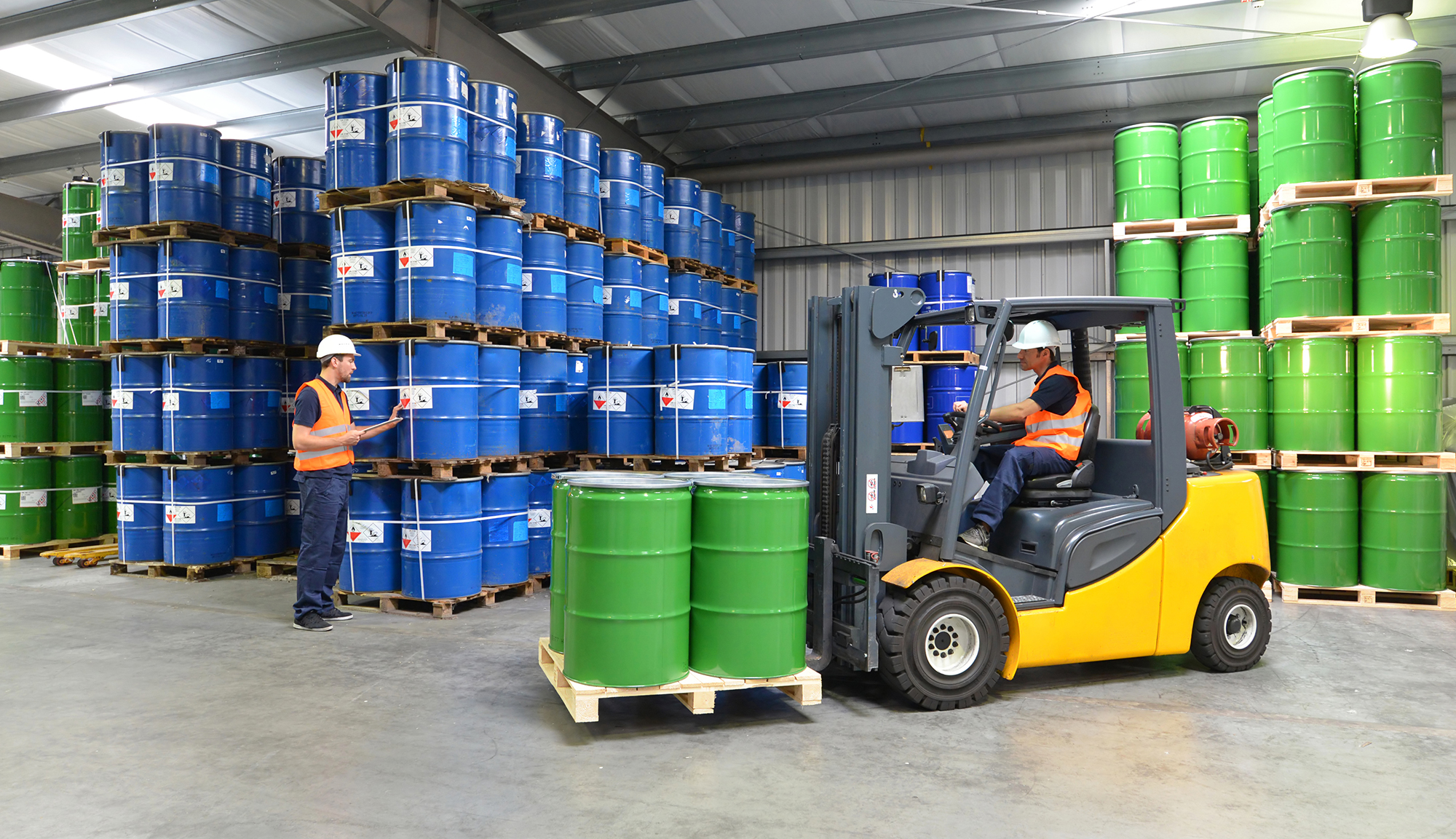
Container condition can change the risk quickly. A properly sealed and labeled drum may be manageable, while a corroded or leaking container can create immediate exposure and environmental concerns.

Storage problems may include:

  • Missing or damaged labels
  • Incompatible materials stored together
  • Deteriorated containers
  • Inadequate secondary containment
  • Blocked access or emergency equipment
  • Poor aisle spacing
  • Accumulation-time violations
  • Materials stored near drains or ignition sources

Managed EHS support helps facilities build inspections and corrective actions around these recurring risks.

Training and Documentation Gaps

Waste management programs often weaken when procedures are not understood consistently across shifts and locations. Employees may make different decisions about labeling, storage, container selection, PPE, spill response, or waste accumulation.

Documentation gaps make the problem harder to detect. Missing training records, outdated procedures, incomplete inspection forms, and inconsistent waste records can expose companies during an audit and indicate broader program weaknesses.

Emergency Response Readiness

Spill kits alone do not create an emergency response program. Workers must know whether they should contain a release, evacuate, notify a supervisor, isolate an area, or contact an emergency response team.

Plans should also address nights, weekends, remote locations, and shifts when fewer trained personnel are available.


Explore Our Solutions!
EHS Managed Services for Waste Management Companies

What EHS Managed Services Include

The exact scope should reflect the company’s waste streams, worker exposures, locations, and regulatory obligations.

Program Development and Oversight

Managed EHS support can help create or revise written programs for hazard communication, respiratory protection, emergency action, PPE, hazardous waste handling, and other applicable safety requirements.

Arbill’s broader EHS services can help companies bring assessments, procedures, compliance support, training, and ongoing program management together.

Written programs should identify responsibilities clearly. Workers need to know what procedures apply, while supervisors need practical methods for verifying compliance.

Safety Assessments and Gap Analysis

A comprehensive assessment evaluates how work actually occurs. Consultants may review waste accumulation areas, container condition, PPE practices, worker knowledge, emergency supplies, traffic patterns, training records, and regulatory documentation.

EHS safety assessments can provide a structured review of workplace risks and help prioritize corrective actions according to severity.

A useful assessment does more than identify deficiencies. It should explain what needs to change, who should own the correction, and how completion will be verified.

Worker Training

Training should be task-specific. Collection crews, facility workers, forklift operators, laboratory staff, maintenance teams, hazardous waste handlers, and emergency responders do not all need identical instruction.

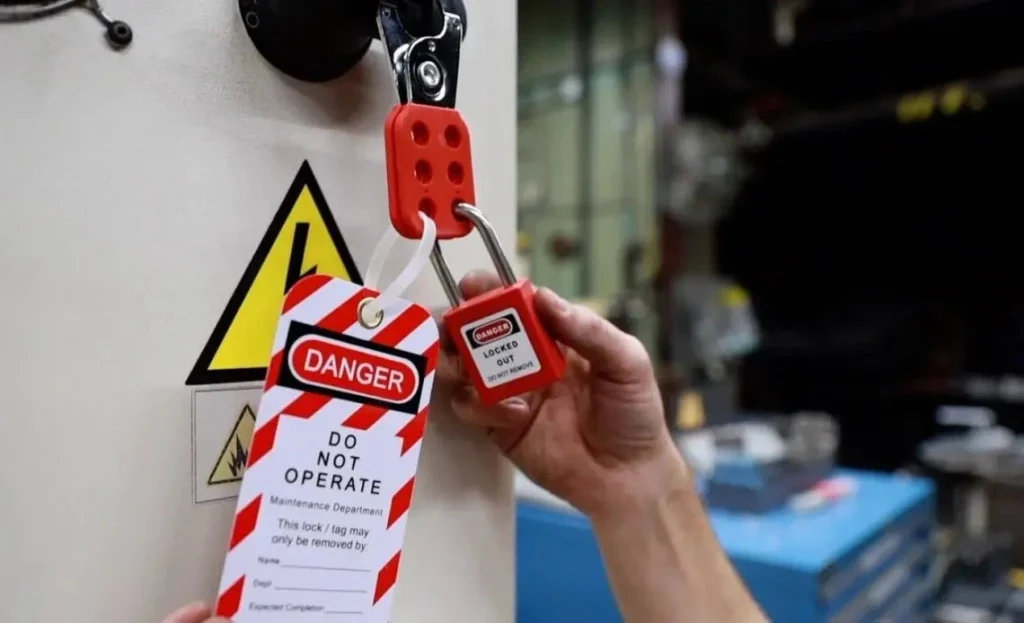
EHS safety training can support initial and refresher training across areas such as hazard communication, PPE, emergency response, lockout/tagout, confined spaces, fall prevention, first aid, and hazardous materials.

Training should help employees make correct decisions in real conditions rather than simply recognize regulatory terminology.

Hazardous Waste Compliance and Worker Protection

Waste management programs frequently need to coordinate OSHA worker protection with EPA hazardous waste requirements.

OSHA’s Worker Safety Focus

OSHA requirements may address hazard communication, PPE, respiratory protection, emergency response, exposure monitoring, medical surveillance, and employee training.

Workers must understand the materials they handle, how exposure can happen, what controls are required, and what actions to take when conditions change.

Environmental and RCRA Responsibilities

Environmental requirements govern how hazardous waste is identified, accumulated, stored, labeled, transported, documented, and sent for treatment or disposal.

Waste characterization determines whether a material is ignitable, corrosive, reactive, toxic, or otherwise regulated. Generator status may affect accumulation limits, inspection requirements, container standards, emergency planning, and recordkeeping.

HAZWOPER Applicability

HAZWOPER may apply to certain hazardous waste operations, treatment or storage activities, uncontrolled site cleanup, or emergency response to hazardous substance releases.

Applicability should be determined carefully. Not every employee who encounters waste automatically needs the same HAZWOPER training level. Training must match duties and expected response roles.

Arbill’s guide to hazardous waste EHS programs and OSHA expectations provides additional context on worker protection, PPE, documentation, and program development.

As long as people go to work, we have an opportunity to help protect them.

Julie Copeland
Arbill CEO

Julie Copeland Arbill CEO

PPE and Exposure-Control Programs

Waste management companies need PPE programs based on exposure assessments, not generic supply lists.

Matching PPE to the Task

Depending on the material and work activity, employees may need chemical-resistant gloves, puncture-resistant hand protection, safety eyewear, face shields, protective garments, respirators, high-visibility clothing, safety footwear, hearing protection, or fall protection.

Emergency response work may require a higher protection level than routine container movement.

Respiratory Protection

Where respiratory hazards exist, employers must evaluate the contaminant, concentration, physical form, oxygen conditions, and reasonably foreseeable emergencies.

A compliant respiratory program may include respirator selection, medical evaluations, fit testing, cartridge-change schedules, cleaning, storage, inspection, training, and program evaluation.

Gas detection may also be needed when toxic gases, combustible atmospheres, or oxygen deficiency could develop.

Making PPE Accessible

Workers are more likely to use protection consistently when it is available near the task. Missing gloves, eyewear, garments, or respirator components may lead to delays or unsafe shortcuts.

PPE vending solutions can improve point-of-use access while tracking inventory and usage by employee, department, shift, or facility.

Usage data can also reveal unexpected trends. A sudden rise in glove consumption, for example, may indicate material damage, poor product selection, or a process problem that needs investigation.

Hazard Communication and SDS Management

Hazard communication connects chemical identification with practical protection.

Maintaining an Accurate Chemical and Waste Inventory

Waste companies should identify hazardous chemicals and waste streams across production, maintenance, laboratories, storage areas, spill response, and contractor activities.

Inventories should be updated when materials, processes, or vendors change.

Ensuring SDS Access

Employees need ready access to Safety Data Sheets during every shift. SDS information can support PPE selection, first aid, spill response, firefighting, storage, and exposure-control decisions.

Electronic systems may improve access and version control, but companies should maintain backup options for outages or emergencies.

Labeling Waste Containers

Labels should clearly identify contents and applicable hazards. Unlabeled or incorrectly labeled containers create uncertainty during handling, consolidation, transportation, and emergency response.

Supervisors should have a defined process for correcting missing, damaged, or unreadable labels immediately.

Emergency Planning and Spill Response

Emergency procedures should be tailored to realistic release scenarios.

Defining Employee Roles

Workers must know whether they are expected to recognize and report a release, perform incidental cleanup, contain a spill, provide technical response, or evacuate.

Unclear roles can cause employees to enter situations that exceed their training and PPE.

Selecting Emergency Equipment

Response resources may include spill-control supplies, absorbents, overpack drums, chemical-resistant PPE, gas monitors, eyewash equipment, emergency showers, first aid supplies, communication devices, and decontamination materials.

Supplies should be located near foreseeable hazards while remaining accessible during an incident.

Practicing the Plan

Emergency drills help reveal communication failures, blocked access, missing equipment, unclear authority, and unrealistic response expectations.

After a drill or actual release, the company should document lessons and update the plan.

Forklift and Vehicle Safety in Waste Facilities

Waste facilities often combine pedestrians, collection vehicles, loaders, forklifts, transfer equipment, and contractor traffic.

Mixed Traffic Creates Exposure

Workers may cross travel routes to inspect containers, access storage areas, perform maintenance, or move materials. Equipment operators may have limited visibility because of loads, facility layout, dust, or blind corners.

Adding Real-Time Awareness

Traditional controls such as floor markings, barriers, mirrors, alarms, traffic plans, and training remain important. Technology can add another protection layer when attention or visibility fails.

TruSense Forklift safety technology can provide proximity alerts to help forklift operators and pedestrians recognize close interactions in busy processing, transfer, storage, and warehouse areas.

Technology should support the traffic-management program rather than replace safe operating rules.

See Our Safety Services!
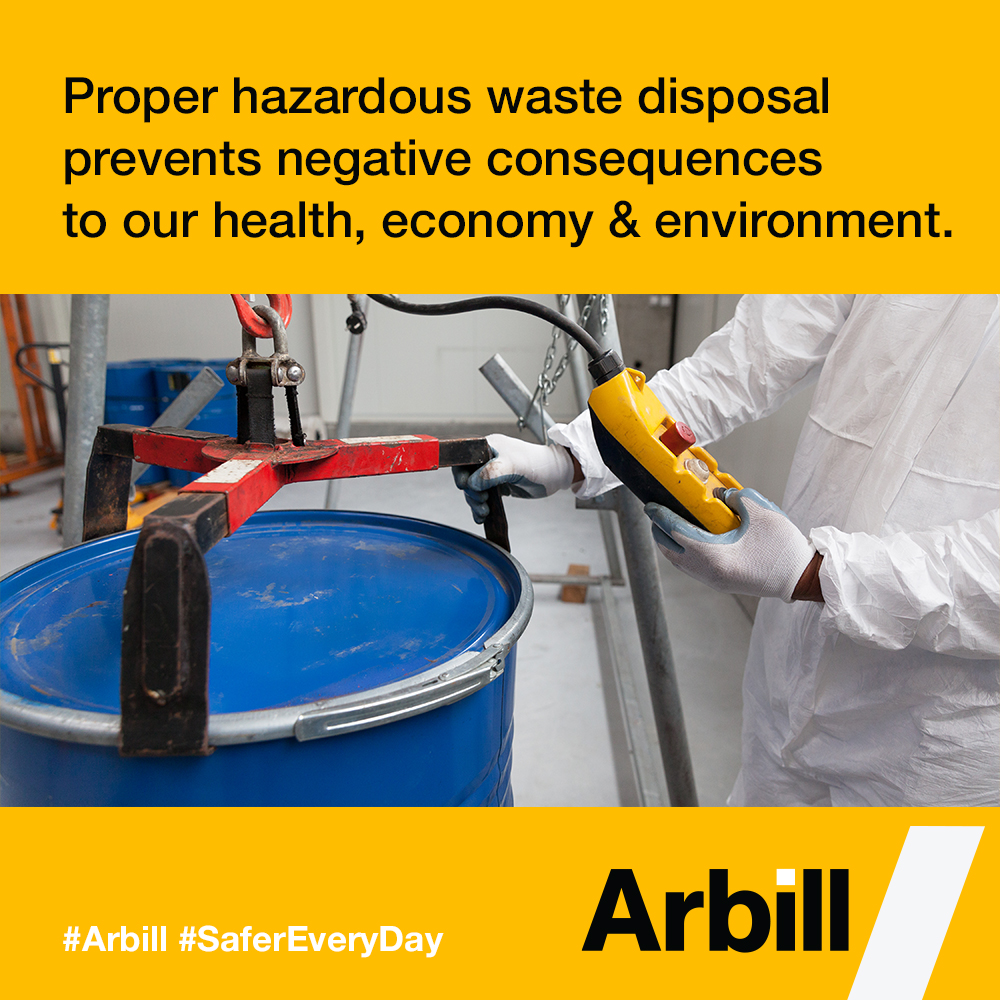
Proper hazardous waste disposal

Multi-Site Program Consistency

Waste management companies frequently operate multiple collection yards, transfer stations, processing facilities, warehouses, and storage areas.

Standardizing Core Requirements

Centralized policies can define minimum standards for PPE, training, labeling, inspections, emergency response, contractor safety, and documentation.

Individual sites should then address their specific waste streams, layouts, equipment, and local requirements.

Managing Corrective Actions

Managed EHS services can maintain visibility into findings across locations. Each issue should have an assigned owner, completion date, and verification step.

This helps prevent hazards from remaining unresolved because responsibilities were unclear.

Supporting Changing Operations

New contracts, customer materials, processes, equipment, and staffing can create new waste streams and exposures. Programs should be reviewed before these changes are fully implemented.

Ongoing EHS support helps keep training, procedures, inventories, inspections, and documentation aligned with current operations.

Creating a Proactive Safety Culture

Managed EHS services are most effective when they help the company shift from reacting to incidents toward identifying risk early.

Tracking Leading Indicators

Injury totals describe what already happened. Leading indicators can show whether risk is increasing.

Useful measures may include:

  • Training completion
  • Open corrective actions
  • Inspection findings
  • Near-miss reports
  • Container deficiencies
  • PPE availability
  • Emergency drill results
  • Labeling problems
  • Overdue program reviews

These indicators help leaders act before an injury or regulatory finding occurs.

Encouraging Employee Participation

Workers should be able to report damaged containers, missing labels, unsafe storage, PPE concerns, and unclear procedures without fear of blame.

Their observations can reveal issues that scheduled audits may miss.

Reinforcing Safety Throughout the Year

Safety initiatives should continue beyond annual campaigns or audit periods. Arbill’s National Safety Month guide for EHS leaders provides practical ideas for assessments, training, worker engagement, and sustained program improvement.

The objective is to make safe waste management part of normal operations.

Lessons From Managed EHS Programs in Other High-Hazard Industries

Waste companies can learn from process-safety approaches used in chemical manufacturing.

Preventing Small Gaps From Aligning

Serious incidents rarely result from one isolated failure. They often involve several weaknesses: outdated procedures, missed inspections, unclear training, equipment damage, poor communication, or production pressure.

Arbill’s article on managed EHS services and process safety culture demonstrates how ongoing EHS oversight can identify these gaps before they combine into a larger event.

Maintaining Program Discipline

Waste operations benefit from the same discipline: procedures should be reviewed when work changes, training should be refreshed, storage areas should be inspected, and corrective actions should be closed promptly.

The regulatory framework may differ, but the principle is the same—prevention depends on maintaining the system between incidents and audits.

Building an Effective Managed EHS Partnership

An effective partnership should begin with the operation’s real needs.

Assess the Current Program

The initial review should evaluate waste streams, employee roles, storage areas, documentation, training, PPE, emergency planning, equipment traffic, vendor relationships, and previous incidents.

Define Priorities and Responsibilities

Not every finding carries the same risk. The company and EHS provider should prioritize serious worker exposure, fire, environmental release, emergency response, and compliance concerns first.

Internal and external responsibilities should be documented clearly.

Establish Ongoing Review

Managed support should include a consistent cadence for inspections, training, corrective-action review, document updates, and leadership reporting.

The goal is not to create dependence on outside consultants. It is to build a program that remains effective as the company grows and conditions change.

Conclusion

EHS managed services help waste management companies bring worker safety, environmental compliance, training, PPE, emergency planning, and documentation into one coordinated program.

Waste operations face hazards from moving vehicles, heavy equipment, hazardous materials, damaged containers, chemical exposure, storage failures, spills, fires, and changing waste streams. Managing these risks requires more than responding after a problem occurs.

A strong managed EHS program evaluates actual work, builds practical procedures, trains employees by role, improves PPE access, maintains documentation, tracks corrective actions, and keeps programs current across locations.

By shifting from reactive fixes to continuous oversight, waste management companies can better protect workers, reduce regulatory exposure, improve audit readiness, and build a safety culture that supports reliable operations.

Request a Safety Assessment

Recent Posts

The Hidden Costs of Poor Workplace Safety

The Hidden Costs of Poor Workplace Safety

ANSI Standards vs. OSHA - Which Applies to Your Workplace
ANSI vs. OSHA: What’s the Difference?

ANSI vs. OSHA: What’s the Difference?

Head Protection Webinar with MSA
When Should You Replace Your Safety Helmet?

When Should You Replace Your Safety Helmet?

Choosing the proper PPE
A Complete Guide to Building a Workplace PPE Program

A Complete Guide to Building a Workplace PPE Program

OSHA's Top 10 Most Frequently Cited Violations and How to Avoid Them
OSHA’s Top 10 Most Frequently Cited Violations and How to Avoid Them

OSHA’s Top 10 Most Frequently Cited Violations and How to Avoid Them

  • Previous ProjectEHS Managed Services for Utilities & Power Companies

  • Next ProjectOSHA Compliance Guide for Chemical & Petrochemical Plants

CUSTOMER SERVICE

800-523-5367

CONTACT US

Complete the short form below and an Arbill representative will get back to you within 24 hours.
* Required Fields

    ARBILL RESPECTS YOUR PRIVACY AND YOUR INFORMATION: By submitting the form above you agree to receiving emails from Arbill. Your submitted information is NEVER shared. You may unsubscribe at any time via the "unsubscribe" link in our emails. You can view our Privacy Policy HERE.