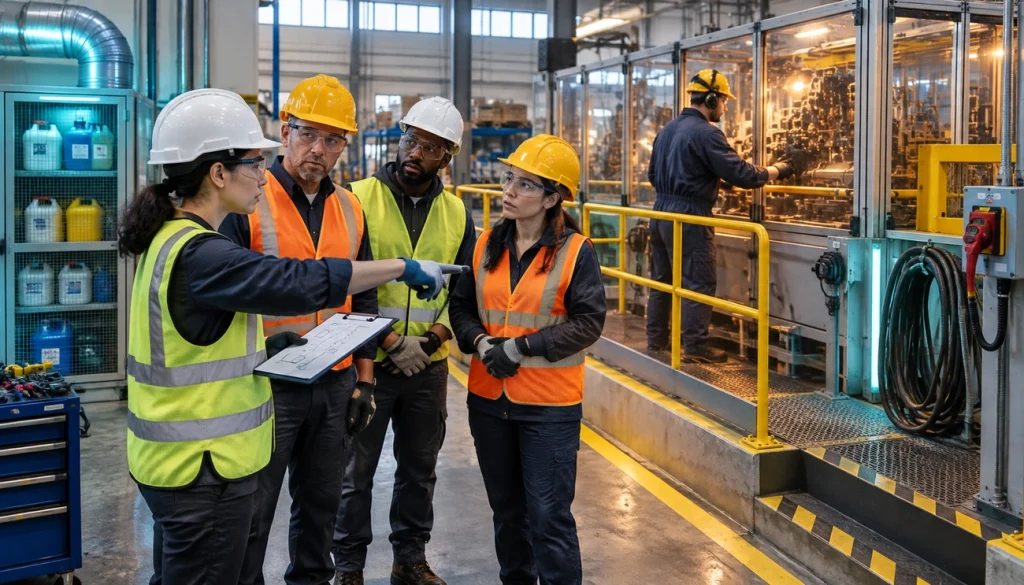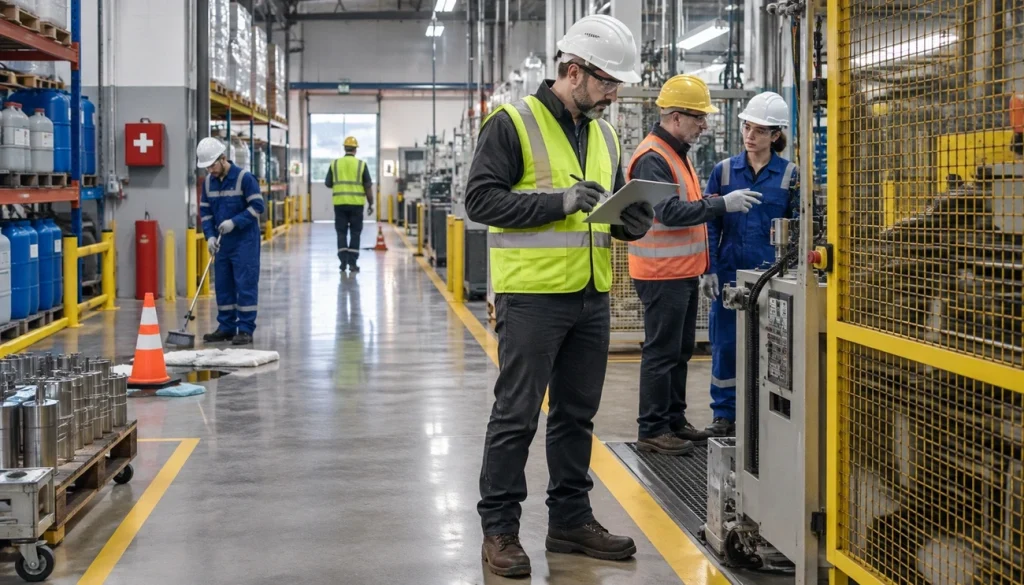
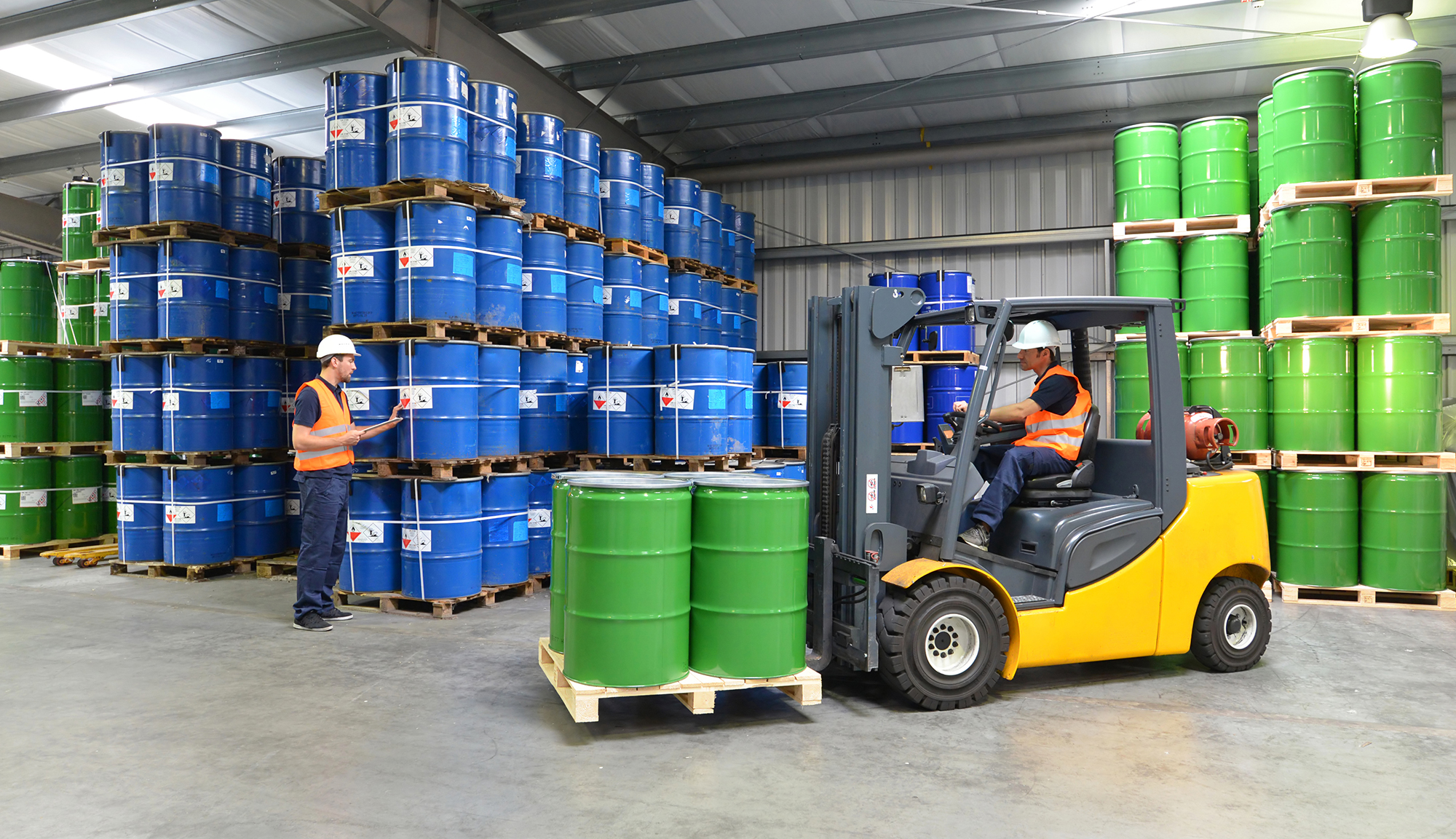
OSHA compliance in oil and gas operations is not a single requirement or one-time audit task. It is a complete safety system that must address fast-changing field conditions, hazardous energy, toxic gases, confined spaces, vehicle movement, high-pressure equipment, chemical exposure, hot work, fall hazards, fire risk, and emergency response.

Oil and gas work often takes place in remote, complex, and high-risk environments. Workers may move between drilling sites, production facilities, wellheads, pipelines, terminals, tanks, service yards, and maintenance areas where hazards can change quickly. A safe area can become dangerous when equipment fails, gas is released, a line is opened, or weather and emergency conditions change the job.

That is why OSHA compliance must be built into daily planning, not handled only when an inspection is expected.

For companies managing these demanding environments, Arbill supports safety teams with PPE, safety services, training resources, gas detection, and practical solutions built around real oil and gas hazards.

Why OSHA Compliance Matters in Oil and Gas

Oil and gas operations expose workers to serious hazards that can result in severe injuries, fatalities, operational shutdowns, and costly investigations.

High-Risk Work Requires Reliable Systems

Oil and gas teams may work around high-pressure lines, rotating equipment, energized systems, tanks, confined spaces, flammable vapors, vehicles, cranes, pumps, compressors, and changing atmospheric conditions. Each hazard needs clear procedures, trained workers, and the right controls.

Compliance helps create structure. It defines expectations for training, PPE, hazard communication, respiratory protection, lockout/tagout, confined space entry, fall protection, emergency response, and recordkeeping.

Hazards Can Change Quickly

A routine maintenance task can become hazardous when a valve is opened, a line is broken, or a confined space atmosphere changes. A well site may test safe at one moment and become dangerous after a release or process upset.

This is why oil and gas compliance programs must be task-based. Safety planning should reflect the work being performed, the equipment involved, the chemicals present, and the conditions workers may encounter during the job.

Documentation Supports Accountability

OSHA compliance also depends on documentation. Safety teams should maintain records for training, inspections, gas monitoring, PPE selection, respirator fit testing, incident investigations, corrective actions, and safety meetings.

Good documentation helps prove compliance, but it also helps identify patterns before they become serious incidents.

Core OSHA Hazards in Oil and Gas Operations

Oil and gas operations bring together many hazard categories. A strong compliance program should identify which hazards exist at each site and how workers are protected.

Vehicle, Struck-By, and Caught-Between Hazards

Workers may travel long distances to remote sites, move around heavy equipment, handle pipe, work near trucks, and operate around cranes, forklifts, pumps, and rig equipment. Vehicle collisions, struck-by incidents, and caught-between hazards remain major concerns.

Controls may include traffic plans, spotters, high-visibility apparel, equipment inspections, exclusion zones, communication procedures, and training for workers operating near vehicles and moving equipment.

Explosions, Fires, and Hot Work

Oil and gas environments may contain flammable gases, vapors, and liquids. Hot work, welding, cutting, grinding, electrical work, and equipment failures can create ignition risks.

Compliance planning should include gas monitoring, hot work permits, fire protection, ignition source control, emergency procedures, and PPE appropriate for the exposure.

Falls, Confined Spaces, and High-Pressure Equipment

Workers may perform tasks on platforms, ladders, tanks, rigs, truck beds, elevated equipment, and uneven surfaces. Fall protection must be planned around the actual work location and rescue needs.

Confined spaces such as tanks, vessels, pits, vaults, and enclosed equipment require careful evaluation, atmospheric testing, permit procedures, attendants, rescue planning, and proper training.

High-pressure equipment creates additional risks from line failures, releases, injection injuries, and stored energy. Workers must understand isolation procedures, pressure verification, and safe work practices before opening or servicing systems.

Explore Our Solutions!
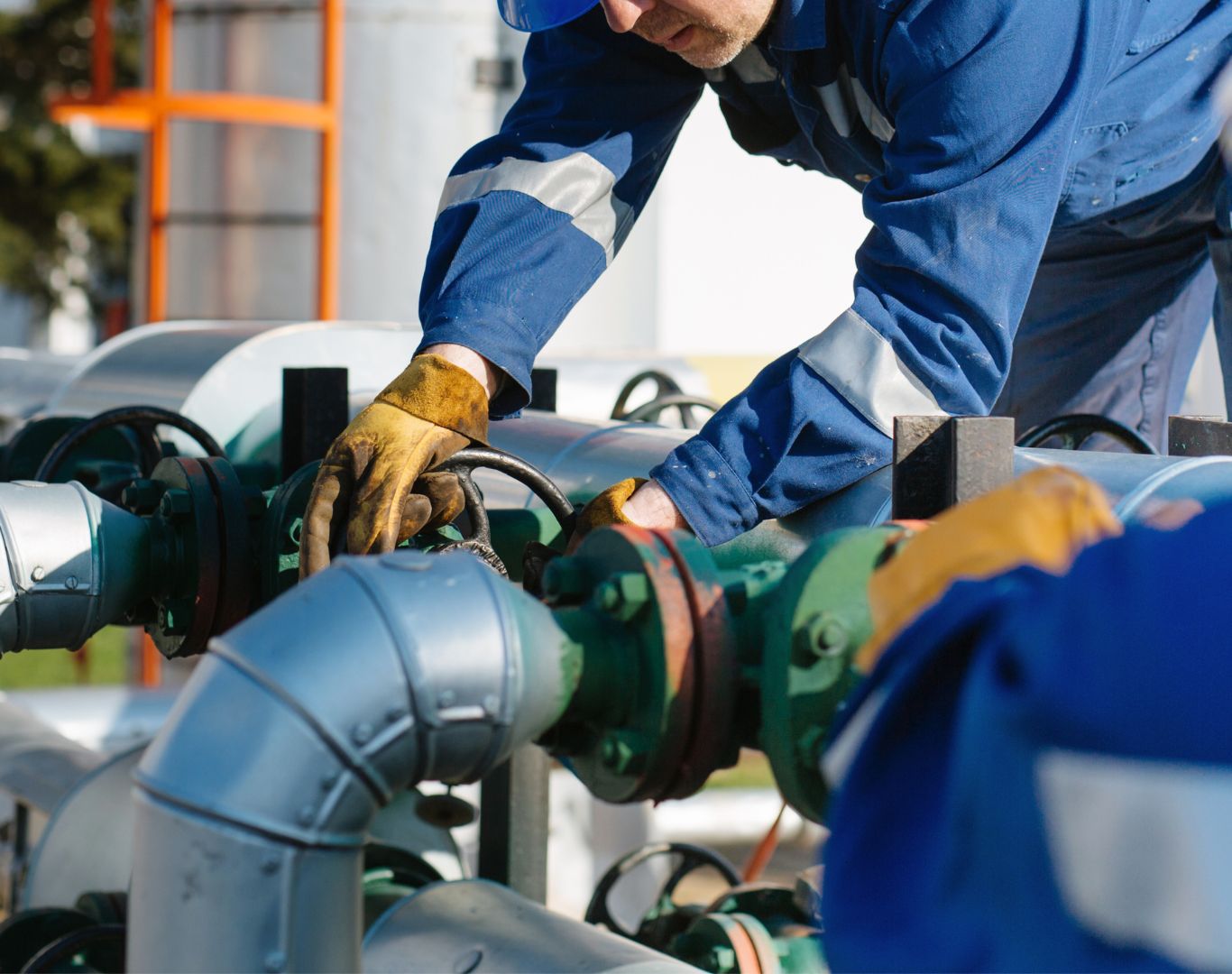
Oil and gas teams often work across multiple sites

Respiratory Protection and Gas Detection

Atmospheric hazards are one of the most serious compliance challenges in oil and gas work.

H2S, Vapors, and Oxygen Deficiency

Oil and gas workers may encounter hydrogen sulfide, hydrocarbon gases and vapors, low-oxygen environments, silica, fumes, diesel particulate matter, and other airborne hazards. These exposures may occur during drilling, tank work, production, transfer, maintenance, confined space entry, or emergency response.

OSHA’s oil and gas health hazards guidance identifies hydrogen sulfide, hydrocarbon gases and vapors, low oxygen environments, silica, noise, temperature extremes, diesel particulate matter, and hazardous chemicals as health hazards associated with oil and gas extraction work.

Gas Detection as a Compliance Tool

Gas detection helps workers identify hazardous atmospheres before exposure becomes an incident. Monitoring may be needed before entry, during work, after process changes, and during emergency response.

For oil and gas teams working around toxic gases, oxygen deficiency, combustible atmospheres, or confined spaces, gas detection instrumentation can support safer decision-making in changing field conditions.

Respiratory Protection Program Requirements

Respirators must be selected based on the hazard, exposure level, oxygen availability, and work conditions. Air-purifying respirators, supplied-air respirators, and SCBA each have specific limitations.

Arbill’s guide on respiratory protection for oil and gas operations explains how H2S, toxic gases, fit testing, training, respirator selection, and program management work together in oil and gas environments.

Training and Worker Competency

Training is where OSHA compliance becomes practical. Workers need to understand the hazards, procedures, PPE, equipment, and emergency steps that apply to their work.

Site-Specific Training

Oil and gas training should reflect actual site conditions. A worker entering a confined space needs different training than a worker performing hot work, operating equipment, conducting maintenance, or responding to a gas alarm.

Training should cover job hazard analysis, PPE use, gas detection, hazard communication, emergency response, lockout/tagout, confined space entry, fall protection, respiratory protection, and incident reporting where applicable.

For teams building or refreshing safety programs, EHS safety training can support practical worker education across oil and gas roles, tasks, and exposure types.

Contractor and Multi-Crew Coordination

Oil and gas operations often involve contractors, subcontractors, service providers, and multiple crews working on the same site. Compliance can break down when responsibilities are unclear.

Before work begins, teams should define who controls the area, who verifies hazards, who communicates changes, who monitors the atmosphere, who manages permits, and who has stop-work authority.

Refreshers and Field Reinforcement

Training should not end in a classroom. Supervisors should reinforce procedures during job planning, pre-task briefings, toolbox talks, and field observations.

If workers are unsure which PPE is required, how to respond to alarms, or when to stop work, the program needs reinforcement.

As long as people go to work, we have an opportunity to help protect them.

Julie Copeland
Arbill CEO

Julie Copeland Arbill CEO

PPE Compliance for Oil and Gas Work

PPE is essential in oil and gas operations, but it must be selected according to the task and exposure.

Matching PPE to the Hazard

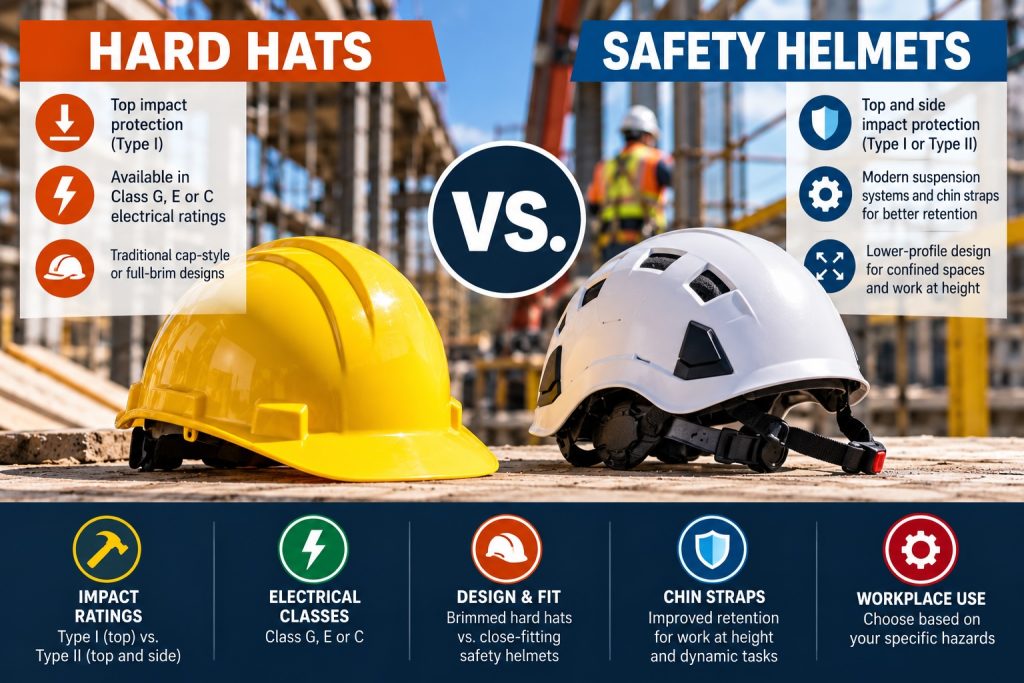
Workers may need flame-resistant clothing, hard hats, safety glasses, gloves, hearing protection, respiratory protection, fall protection, chemical-resistant PPE, high-visibility apparel, and protective footwear depending on the work.

PPE selection should account for routine work and non-routine tasks. A maintenance activity, spill response, confined space entry, or emergency repair may require different protection than standard operations.

PPE Use and Inspection

Workers should be trained to inspect PPE before use and remove damaged or contaminated items from service. PPE that is expired, worn, improperly stored, or mismatched to the task can create a false sense of protection.

Supervisors should verify that PPE requirements are understood and followed across shifts and crews.

Oil and Gas Safety Solutions

Arbill’s oil and gas safety solutions support teams working across drilling, production, field service, maintenance, and facility environments where PPE and safety programs must reflect high-risk conditions.

Incident Prevention and Recordkeeping

OSHA compliance is not only about preventing citations. It is also about reducing recordable injuries, controlling risk, and learning from incidents before they repeat.

Why Recordable Incidents Matter

Recordable incidents can affect operations, insurance, staffing, productivity, and safety culture. They may lead to investigations, corrective actions, retraining, equipment changes, and increased scrutiny from customers or regulators.

A strong compliance program tracks not only injuries, but also near misses, unsafe conditions, equipment failures, and leading indicators that show where risk is increasing.

Learning From Near Misses

Near misses should be treated as warnings. A gas alarm, dropped object, pressure release, vehicle close call, or missed lockout step can reveal a weakness before someone is injured.

Arbill’s article on the true cost of a recordable incident in oil and gas explains why the financial and operational impact of incidents often extends beyond the initial injury.

Corrective Action Tracking

Corrective actions should be documented, assigned, completed, and reviewed. If findings from an incident or inspection remain open, the same hazard may continue to expose workers.

A compliance program should make it clear who owns each corrective action and when it must be completed.

Managing Multi-Site Oil and Gas Compliance

Oil and gas companies often manage multiple worksites, crews, contractors, and changing job conditions. Compliance becomes harder when each site handles safety differently.

Consistency Across Sites

Safety standards should be consistent, but procedures must still reflect site-specific hazards. A tank battery, drilling site, pipeline repair location, refinery area, and service yard may all require different controls.

The program should define minimum expectations while allowing site-level hazard assessments to adjust controls for the actual work.

EHS Support and Program Oversight

Multi-site operations may need structured support for inspections, training, documentation, audits, corrective actions, and safety program updates. Without a system, requirements can become inconsistent across crews and locations.

Arbill’s article on EHS managed services for oilfield compliance explains how managed safety support can help oilfield operators keep up with OSHA, EPA, training, documentation, and hazard control across multiple sites.

Communication During Changing Conditions

Oil and gas conditions can change quickly. Shift handoffs, job briefings, permit reviews, and emergency updates must clearly communicate hazards, controls, equipment status, gas monitoring results, and open work.

Poor communication can turn a controlled job into a high-risk task.

See Our Safety Services!
The Real Cost of Recordable Incidents in Oil & Gas

Building a Practical OSHA Compliance Program

A practical compliance program connects regulatory requirements with real field conditions.

Start With Job Hazard Analysis

Job hazard analysis helps crews identify hazards before work begins. It should address the task, site conditions, equipment, chemicals, atmospheric risks, energy sources, weather, emergency response, and PPE.

A JHA should not be treated as paperwork. It should guide the conversation before the work starts.

Use Layered Controls

PPE is important, but it is usually the last line of defense. Strong programs also use engineering controls, ventilation, equipment guards, isolation, traffic control, permits, gas detection, training, and work procedures.

When layers work together, workers are less dependent on one control to prevent injury.

Review and Improve the Program

Compliance programs should be reviewed after incidents, near misses, inspections, process changes, new equipment, new chemicals, or contractor changes. Safety teams should look for repeated gaps and update procedures when the work changes.

The strongest programs are not static. They evolve with the operation.

Conclusion

OSHA compliance for oil and gas operations requires a complete safety system built around real hazards.

Workers may face H2S, hydrocarbon vapors, oxygen deficiency, confined spaces, high-pressure lines, vehicle movement, hot work, fires, falls, hazardous energy, machine hazards, chemicals, silica, noise, heat, and emergency response conditions. Each hazard requires planning, controls, training, PPE, monitoring, documentation, and leadership support.

A strong compliance program connects job hazard analysis, gas detection, respiratory protection, PPE, EHS training, incident prevention, corrective actions, and multi-site oversight into one practical system.

When oil and gas companies build compliance into daily work, they protect workers, reduce incidents, support productivity, and create safer operations across every site and crew.

Request a Safety Assessment

Recent Posts

Oil and gas teams often work across multiple sites
OSHA Compliance Guide for Oil & Gas Operations

OSHA Compliance Guide for Oil & Gas Operations

Industrial manufacturing safety in action
OSHA Compliance Guide for Heavy Industrial Manufacturing

OSHA Compliance Guide for Heavy Industrial Manufacturing

Automated safety in warehouse operation
TruSense Safety Technology for Warehouse & Distribution Centers

TruSense Safety Technology for Warehouse & Distribution Centers

First Aid Cabinet Management By Team
First Aid & Emergency Response Supplies for Industrial Facilities

First Aid & Emergency Response Supplies for Industrial Facilities

Hearing Protection for Heavy Manufacturing Environments

Hearing Protection for Heavy Manufacturing Environments

  • Next ProjectOSHA Compliance Guide for Heavy Industrial Manufacturing

CUSTOMER SERVICE

800-523-5367

CONTACT US

Complete the short form below and an Arbill representative will get back to you within 24 hours.
* Required Fields

    ARBILL RESPECTS YOUR PRIVACY AND YOUR INFORMATION: By submitting the form above you agree to receiving emails from Arbill. Your submitted information is NEVER shared. You may unsubscribe at any time via the "unsubscribe" link in our emails. You can view our Privacy Policy HERE.