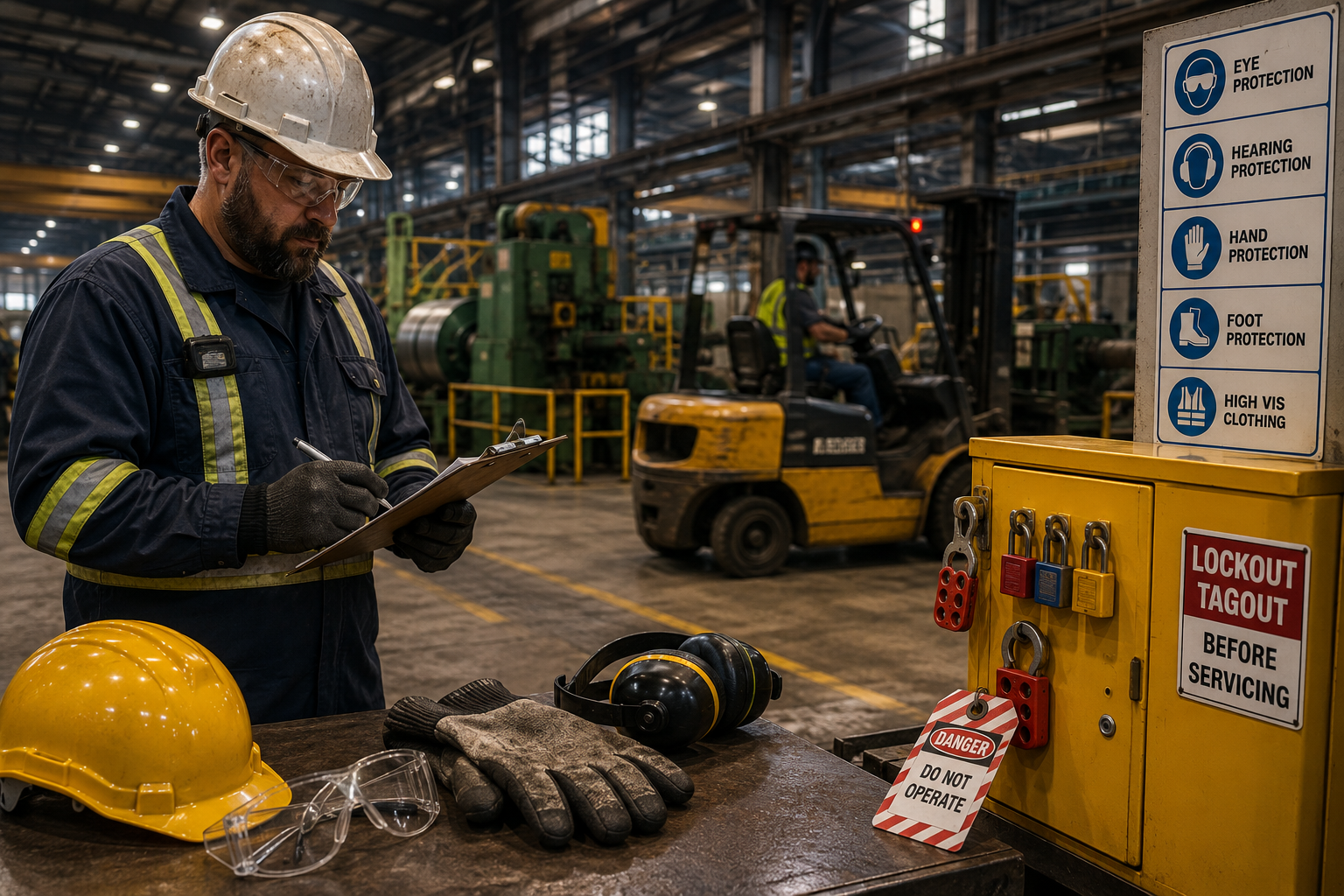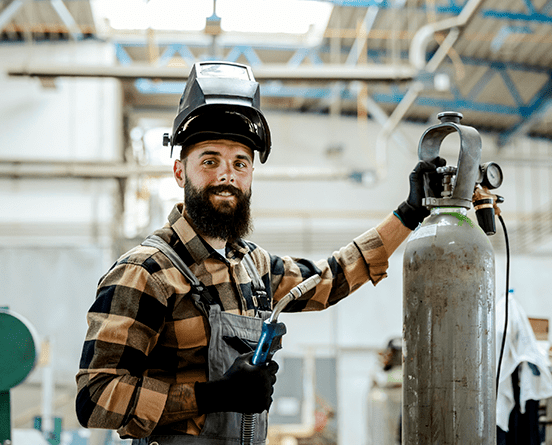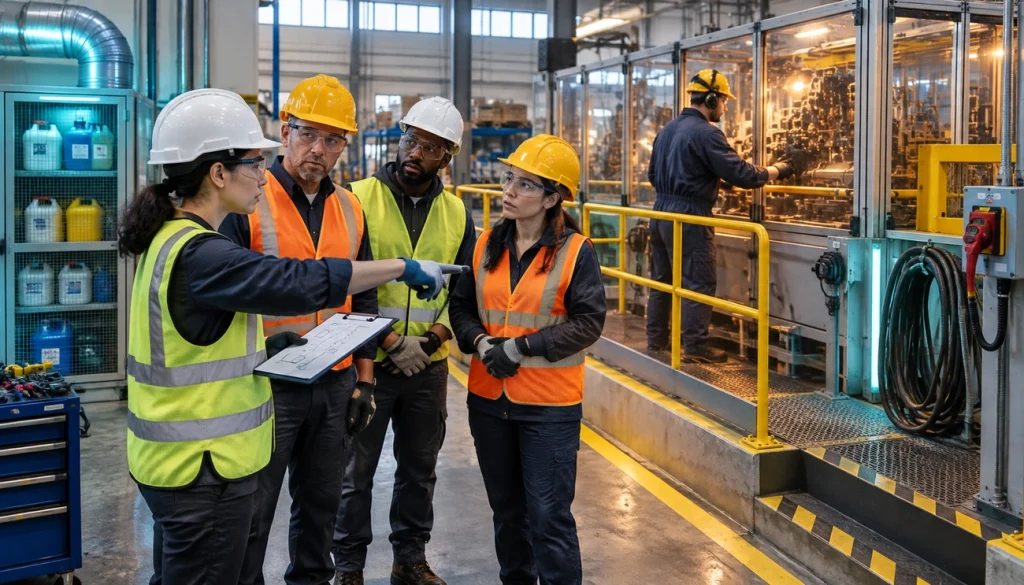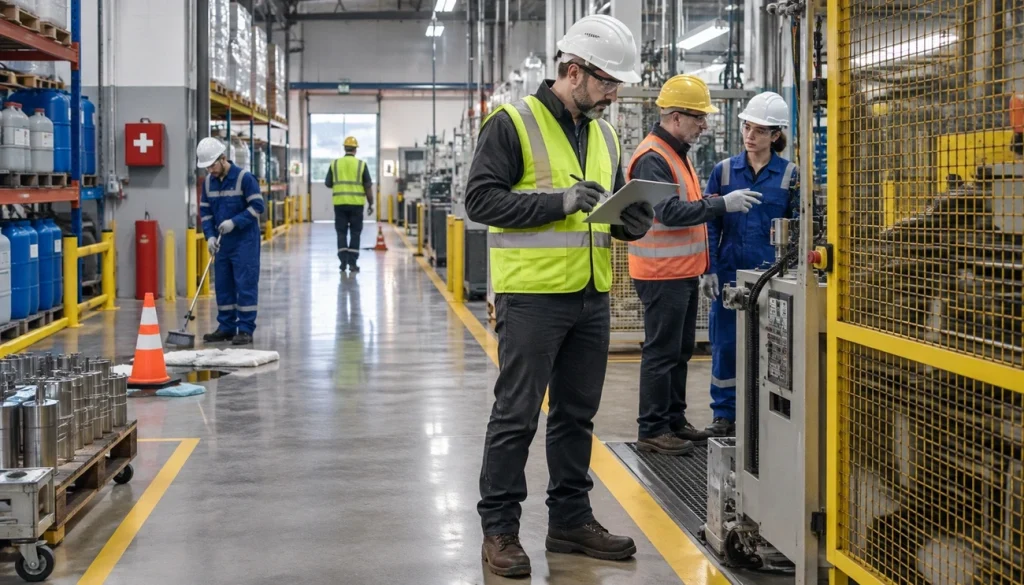
OSHA compliance in heavy industrial manufacturing is not a single checklist. It is a working safety system that must account for machinery, powered industrial trucks, PPE, hazardous energy, elevated work, noise, heat, chemicals, dust, ergonomics, and worker training.
Heavy manufacturing facilities often combine high-speed production with high-risk tasks. Workers may operate presses, saws, grinders, conveyors, forklifts, cranes, welding equipment, fabrication tools, and automated systems while moving through areas with sharp edges, sparks, hot surfaces, pinch points, falling objects, and moving equipment.
That is why OSHA compliance must be built into daily operations, not handled only before an audit.
For companies managing these demanding environments, Arbill’s heavy industrial, metal, steel, and fabrication safety solutions can help teams connect PPE, safety programs, training, and compliance support with the real hazards workers face on the floor.
Why OSHA Compliance Matters in Heavy Manufacturing
Heavy industrial manufacturing creates injury risks that can be severe, fast-moving, and costly. A missing guard, wrong glove, poor lockout step, forklift blind spot, or untrained worker can turn routine work into a serious incident.
Compliance Protects Workers and Operations
OSHA compliance is about more than avoiding citations. It helps protect workers from injuries that can stop production, damage equipment, increase insurance costs, and weaken safety culture.
In heavy manufacturing, injuries may involve amputations, burns, lacerations, crush injuries, hearing loss, respiratory exposure, eye injuries, falls, and struck-by incidents. Many of these hazards can be reduced with proper controls, PPE, procedures, inspections, and training.
Manufacturing Hazards Change Over Time
Facilities change. Equipment is upgraded. Lines are moved. New materials are introduced. Production speeds increase. Temporary workers join during busy periods. These changes can affect OSHA compliance.
A safety program that was accurate last year may not match today’s operation. Compliance should be reviewed whenever equipment, processes, layout, staffing, chemicals, or work practices change.
Documentation Matters
OSHA compliance also depends on documentation. If training, inspections, hazard assessments, PPE selections, and corrective actions are not documented, it becomes harder to prove that the program is active and current.
Good documentation also helps safety leaders identify trends and fix problems before they lead to injuries.
PPE Compliance and Hazard Assessment
PPE is one of the most visible parts of OSHA compliance, but it should never be selected casually.
Start With the Hazard
OSHA requires employers to assess the workplace to determine whether hazards are present, or likely to be present, that require PPE. In heavy manufacturing, that assessment may include impact hazards, flying particles, sharp edges, sparks, heat, chemical splash, electrical exposure, noise, respiratory hazards, and falling objects.
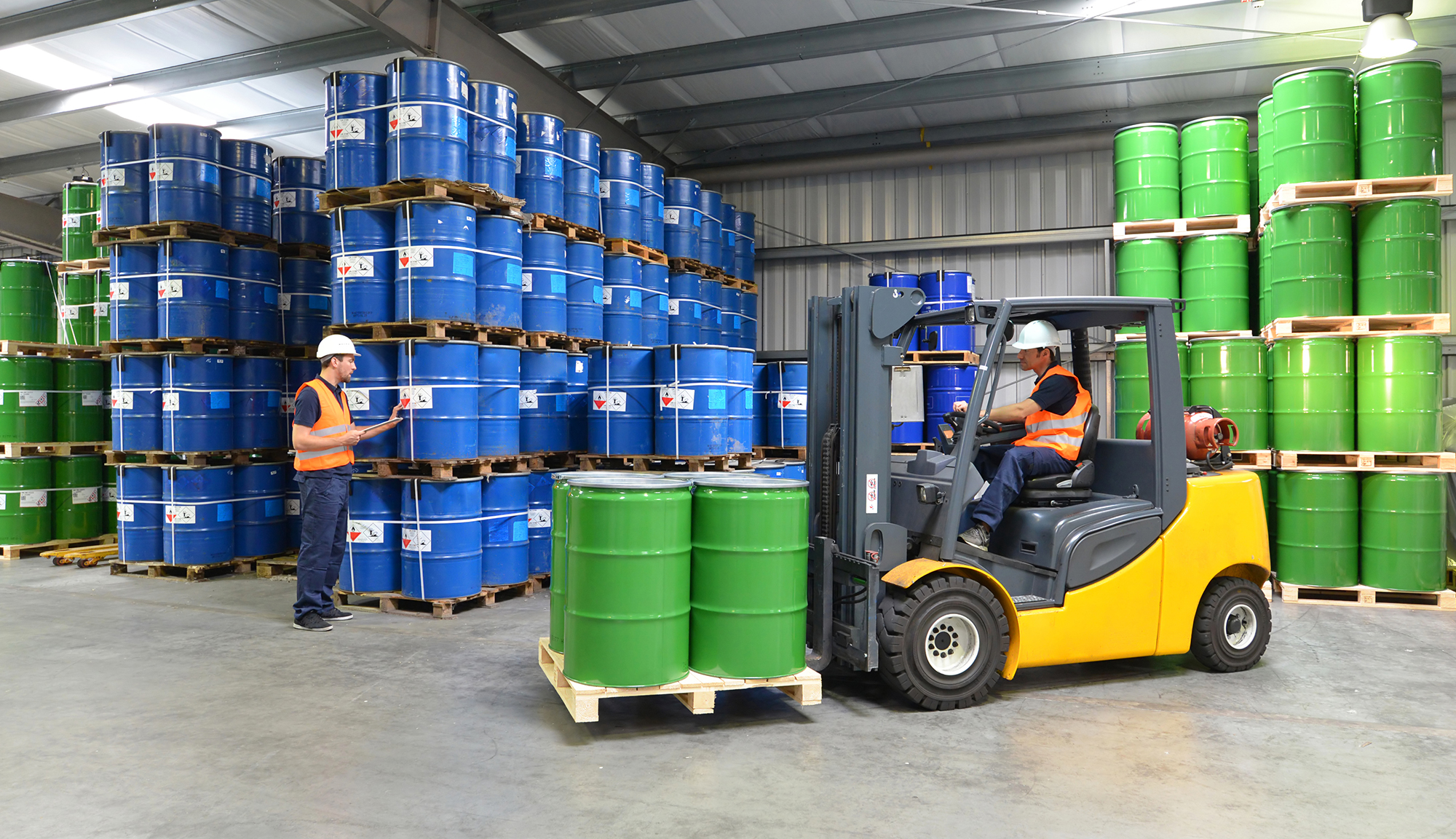
The PPE decision should be based on the actual task. A worker grinding metal may need eye and face protection, hearing protection, gloves, protective clothing, and respiratory protection. A forklift operator may need high-visibility apparel, safety footwear, and eye protection. A maintenance technician may need arc-rated clothing or lockout/tagout equipment depending on the job.
Clothing and Protective Apparel
Protective clothing should match the hazard. Workers may need flame-resistant clothing, arc-rated apparel, chemical-resistant garments, high-visibility clothing, sleeves, aprons, or cut-resistant materials depending on the work.
For teams selecting protective apparel, Arbill’s clothing and protective apparel category can support PPE decisions around heat, sparks, arc flash, visibility, chemical exposure, and general industrial protection.
PPE Must Fit and Be Used Correctly
Even the right PPE fails when it does not fit, is uncomfortable, is unavailable, or is not used correctly. Workers should be trained on when PPE is required, how to inspect it, how to wear it, how to store it, and when to replace it.
Supervisors should reinforce PPE use on the floor, not only during orientation.
Machine Guarding Compliance
Machine guarding is one of the most important OSHA compliance areas in heavy manufacturing. Machines that cut, press, shear, grind, bend, roll, punch, or move material can expose workers to severe injuries.
Points of Operation and Moving Parts
OSHA requires machine guarding to protect workers from hazards created by point of operation, ingoing nip points, rotating parts, flying chips, and sparks. In practical terms, workers should not be able to place any part of their body in the danger zone during the machine cycle.
Common guarding methods include fixed guards, interlocked guards, light curtains, two-hand controls, barrier guards, and presence-sensing devices. The right method depends on the machine and how workers interact with it.
Guards Must Stay in Place
A guard that is removed, bypassed, damaged, or poorly installed does not protect anyone. Guards should be secured where possible and should not create new hazards.
Safety teams should inspect guards regularly and review any situation where workers remove guards for setup, cleaning, troubleshooting, or maintenance. If guards are frequently bypassed, the process may need redesign rather than repeated reminders.
Training and Enforcement
Workers should understand what each guard does and why it matters. They should also know that special hand tools may supplement guarding, but they are not a substitute for required machine guarding.
Supervisors should treat missing or bypassed guards as urgent issues, not minor housekeeping items.