Safety glasses should never be selected only because they are comfortable, inexpensive, or labeled as “safety eyewear.”

Different job sites expose workers to very different hazards.

A warehouse employee handling cartons may need impact protection from small debris. A metal fabricator may face high-velocity particles from grinding. A chemical plant employee may need protection against splashes. A welder requires protection from harmful optical radiation, while a worker who wears prescription lenses needs corrective eyewear that still meets the required safety criteria.

The right selection begins with the hazard.

Employers should assess the worksite, determine how eye injuries could occur, identify the severity and direction of exposure, and then match the protection to those conditions.

For industrial organizations evaluating eye and face protection, Arbill provides PPE solutions, prescription eyewear programs, and safety support designed around actual workplace requirements.

Start With a Job-Specific Eye Hazard Assessment

The best safety glasses for one worksite may be completely inappropriate for another.

OSHA requires employers to provide appropriate eye or face protection whenever employees are exposed to hazards such as flying particles, molten metal, liquid chemicals, acids or caustic liquids, chemical gases or vapors, or potentially harmful light radiation.

That means selection should start with a workplace assessment rather than with a preferred frame style.

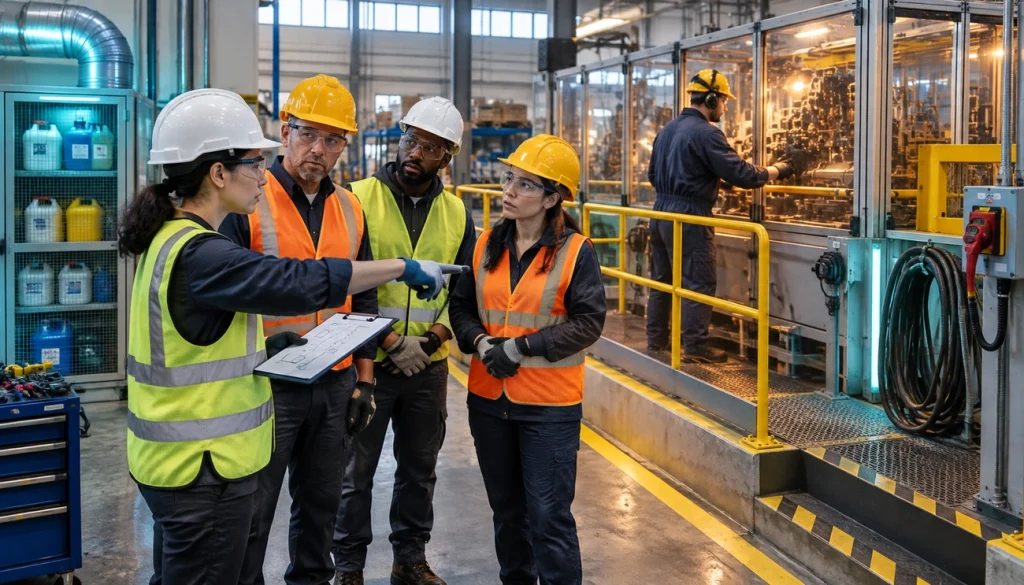
Observe the Actual Task

Watch how employees perform their work.

Consider cutting, grinding, drilling, machining, chemical transfer, welding, cleaning, maintenance, material handling, outdoor work, and any other task that could expose the eyes or face.

Do not rely solely on job titles.

A maintenance technician may face flying particles during grinding, chemical splash while repairing a pump, and optical radiation during hot work—all within the same shift.

Different activities may therefore require different forms of eye or face protection.

Understand ANSI/ISEA Z87.1

ANSI/ISEA Z87.1 is one of the primary performance standards used for occupational eye and face protection in the United States.

The latest edition is ANSI/ISEA Z87.1-2025.

It addresses general requirements, testing, permanent markings, selection, care, and use of protective devices for hazards including impact, liquid splash, and non-ionizing radiation.

What Z87 Markings Mean

ANSI-compliant eyewear carries markings that identify its performance characteristics.

The current standard includes markings such as:

Z87 for general compliance, Z87+ for high-impact protection, D3 for splash/droplet protection, D4 for dust, D5 for fine dust, and specific markings for ultraviolet, infrared, welding, visible-light filtration, anti-fog performance, and prescription eyewear.

These markings allow safety managers to verify that the eyewear was designed and tested for the hazard being addressed.

OSHA and ANSI Are Related, but They Are Not the Same

Employers sometimes assume that OSHA automatically requires the newest ANSI edition.

The relationship is more nuanced.

OSHA’s eye and face protection regulation incorporates specified older ANSI Z87.1 editions and also permits devices that the employer demonstrates are at least as effective as equipment meeting those incorporated standards.

The newer ANSI/ISEA Z87.1-2025 standard represents current industry guidance and product performance criteria, but employers should still understand the OSHA regulation that legally applies to their operations.

In practical purchasing decisions, many organizations choose current ANSI-compliant products because they reflect newer testing, marking, and performance practices.

Safety Glasses for General Manufacturing

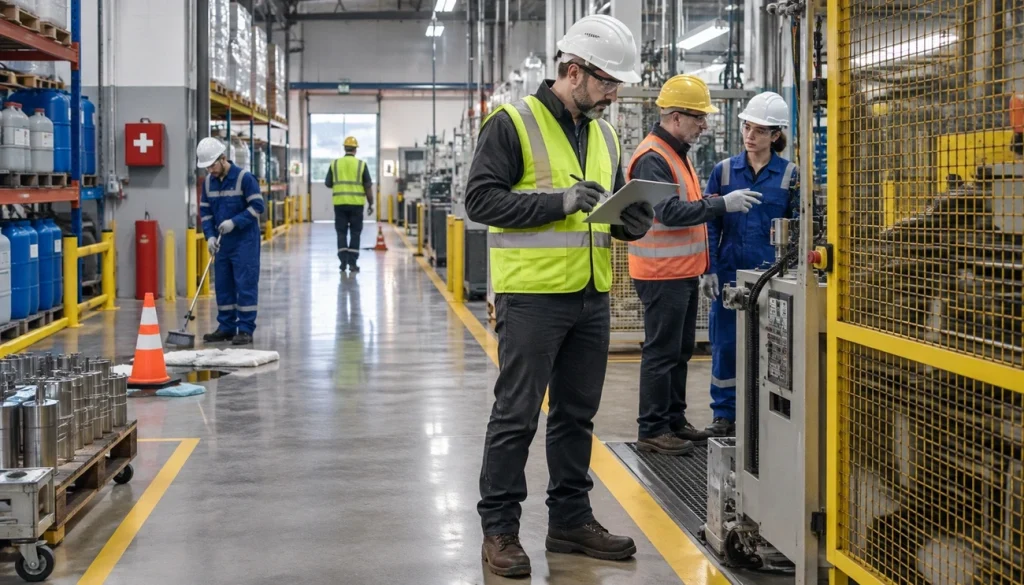
Manufacturing environments commonly expose workers to chips, small fragments, tools, moving components, and sharp materials.

Prioritize Impact Protection

Where workers face flying particles or fragments, impact resistance becomes the primary consideration.

High-impact-rated eyewear marked Z87+ is often appropriate when powered equipment can generate high-velocity debris.

Examples include machining, drilling, cutting, and certain assembly operations.

The exact selection should still be based on the hazard assessment rather than simply assigning the same glasses to every production employee.

Consider Side Exposure

Fragments rarely travel only from directly in front of the worker.

Eyewear should provide suitable lateral coverage when hazards can approach from the side.

Integrated or compliant side protection may therefore be necessary depending on the task.

Explore Our Solutions!
Safety Glasses Side Sheilds

Safety Glasses for Grinding and Metal Fabrication

Grinding presents one of the clearest high-impact eye hazards.

A grinding wheel, wire wheel, cutting disc, or metal surface can send particles toward the worker at high velocity.

High-Impact Eyewear Is Essential

High-impact protection should be considered for tasks involving grinding, chipping, cutting, or similar projectile hazards.

The glasses should fit closely enough to limit entry paths while remaining comfortable for extended use.

A Face Shield May Also Be Needed

Safety glasses alone may not protect the entire face from larger fragments, sparks, or debris.

Where a face shield is necessary, it should generally be used in addition to the required primary eye protection rather than as a substitute.

The hazard assessment should consider both eye and facial exposure.

Safety Eyewear for Construction Sites

Construction workers face changing hazards as the project progresses.

Dust, flying particles, power tools, concrete fragments, nails, wire, wood chips, and demolition debris can all threaten the eyes.

Match the Eyewear to the Phase of Work

General material handling may require one level of protection, while drilling concrete or operating a saw may require another.

Workers should not assume one pair of glasses is suitable for every construction task.

Consider Dust and Wind

Open job sites can expose workers to airborne dust even when no cutting or grinding is underway.

Eyewear with greater coverage or appropriately rated goggles may be needed when fine particles can pass around ordinary spectacles.

ANSI/ISEA Z87.1-2025 includes separate markings for dust and fine-dust protection, helping safety teams distinguish these products from ordinary impact spectacles.

Eye Protection for Chemical Handling

Chemical hazards require a different selection approach from flying debris.

Safety Glasses May Not Be Enough

Ordinary safety glasses leave gaps around the eyes.

During pouring, mixing, transfer, cleaning, or maintenance, liquids may splash from unexpected directions.

Chemical splash goggles can provide more complete coverage around the eye area.

ANSI marking D3 identifies protectors evaluated for droplet and splash use.

Consider Face Protection Too

A corrosive liquid may injure the cheeks, forehead, mouth, or other areas of the face even when the eyes are protected.

Where the assessment identifies broader facial exposure, a compatible face shield may be needed over the appropriate primary eye protection.

The selected materials should also be suitable for the chemical environment.

Eye Protection for Dusty Work

Dust exposure is common in construction, warehouses, woodworking, waste operations, cement handling, and many other industries.

Ordinary Glasses Leave Openings

Standard safety spectacles typically do not seal tightly against the face.

Fine dust can enter around the top, bottom, or sides.

For heavier dust exposure, goggles or other enclosed protection may be more appropriate.

Look at the Dust Classification

ANSI/ISEA Z87.1 includes D4 for dust and D5 for fine dust.

These markings can help employers select products specifically designed for environments where airborne particles may enter through gaps around conventional eyewear.

As long as people go to work, we have an opportunity to help protect them.

Julie Copeland
Arbill CEO

Julie Copeland Arbill CEO

Eye Protection for Welding and Cutting

Welding creates both physical and optical hazards.

Workers may be exposed to sparks, hot particles, ultraviolet radiation, infrared radiation, and intense visible light.

Use the Correct Filter Shade

Protective eyewear for welding must use a filter shade appropriate to the operation.

OSHA specifically requires workers using filter lenses to have the correct shade number for the work being performed.

The appropriate shade depends on the welding or cutting process and operating conditions.

Protect Nearby Workers

Employees who are not performing the weld may still be exposed to harmful radiation.

Screens, barriers, and suitable protective eyewear should be considered for people working near the operation.

Welding safety should therefore be planned for the entire area, not just the welder.

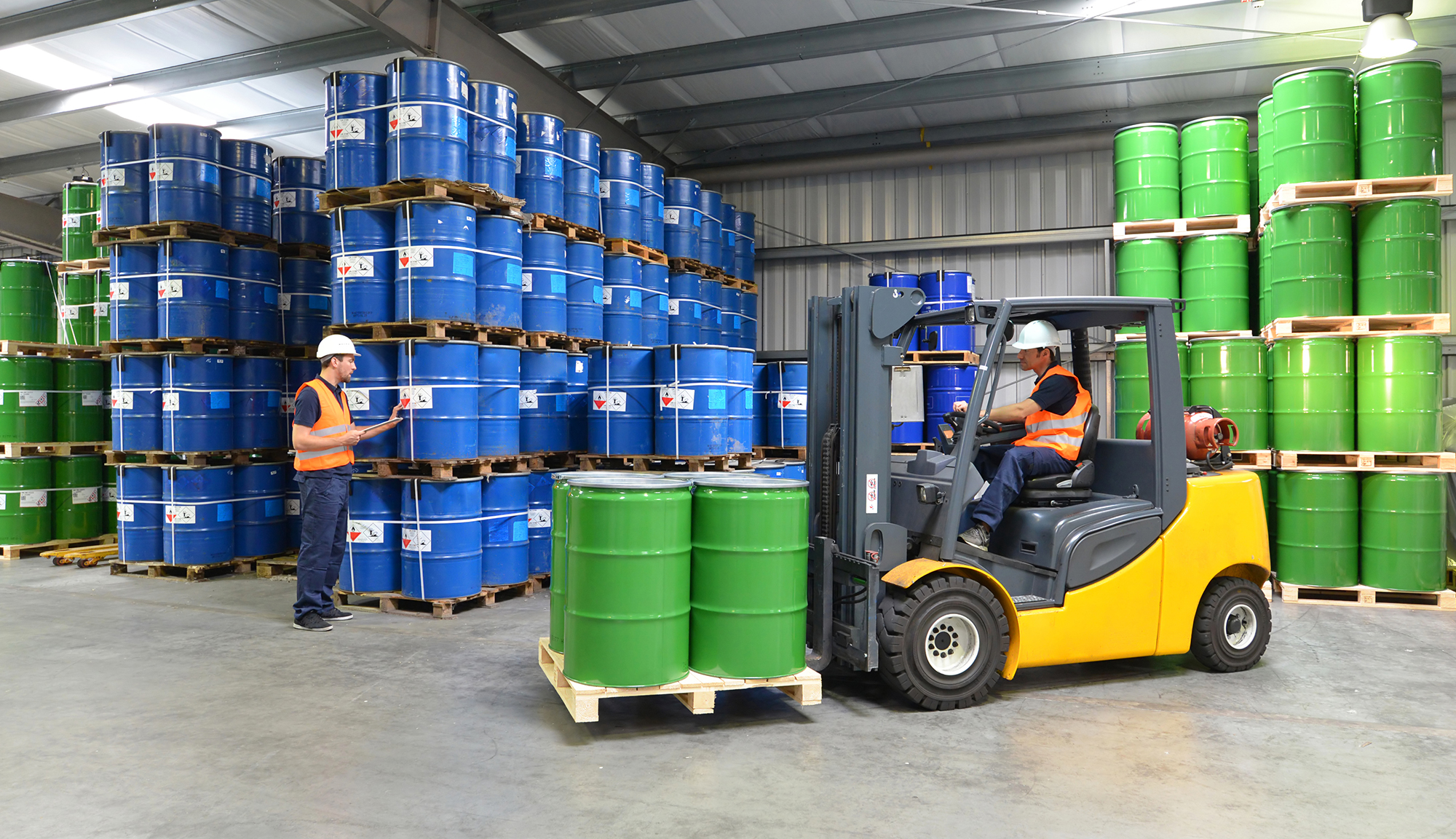
Safety Glasses for Warehouses and Distribution Centers

Warehouses are often perceived as relatively low-risk eye environments, but hazards still exist.

Workers may encounter damaged pallets, strapping, packaging materials, forklifts, compressed products, dust, and maintenance work.

Prioritize Comfort for Long Wear

When employees wear eye protection for an entire shift, comfort becomes a major compliance factor.

Poorly fitting glasses may slide down, create pressure points, or encourage workers to remove them.

Lightweight, well-fitting eyewear can improve consistent use without sacrificing required protection.

Watch for Changing Tasks

A worker who normally picks products may occasionally cut strapping, repair shelving, or assist with maintenance.

Those temporary tasks can require higher protection than routine material handling.

Eye Protection for Outdoor Job Sites

Outdoor workers need eye protection that accounts for both industrial hazards and sunlight.

UV Protection

Ultraviolet exposure can be significant during prolonged outdoor work.

ANSI/ISEA Z87.1 uses a U marking with scale numbers for ultraviolet filtration.

Tinted or specialized lenses should still maintain the required impact protection for the job.

Changing Light Conditions

Workers who regularly move between indoor and outdoor areas may struggle with lenses that are too dark indoors or too bright outdoors.

Photochromic or other variable-light solutions may improve usability when they are suitable for the task.

However, convenience features should never replace the primary safety requirement.

Prescription Safety Glasses

Employees who need vision correction should not have to choose between clear vision and eye protection.

OSHA requires employees wearing prescription lenses in hazardous operations to use eye protection that either incorporates the prescription or can be worn over prescription lenses without disturbing their proper position.

Dedicated Prescription Safety Eyewear

A managed prescription eyewear program can provide employees with corrective lenses in safety-rated frames designed for occupational use.

Prescription safety eyewear can improve comfort compared with wearing oversized safety glasses over ordinary prescription glasses.

It can also reduce the tendency for employees to remove protective eyewear because of poor visibility or awkward fit.

Look for the Correct Markings

The current ANSI/ISEA Z87.1 standard includes specific prescription markings such as Z87-2 and Z87-2+ depending on the applicable protection level.

Employers should verify the completed prescription eyewear system rather than assuming that a safety-rated frame alone guarantees compliance.

Fit Is as Important as the Rating

Even properly rated eyewear may provide poor practical protection if it does not fit the worker correctly.

Check Coverage

The glasses should sit securely without excessive gaps around the eyes.

Workers with different facial dimensions may need different frame shapes or sizes.

One universal model may not fit everyone adequately.

Avoid Slippage

Glasses that repeatedly slide down can create both protection gaps and distraction.

Temple length, nose-piece design, frame width, and weight can all affect stability.

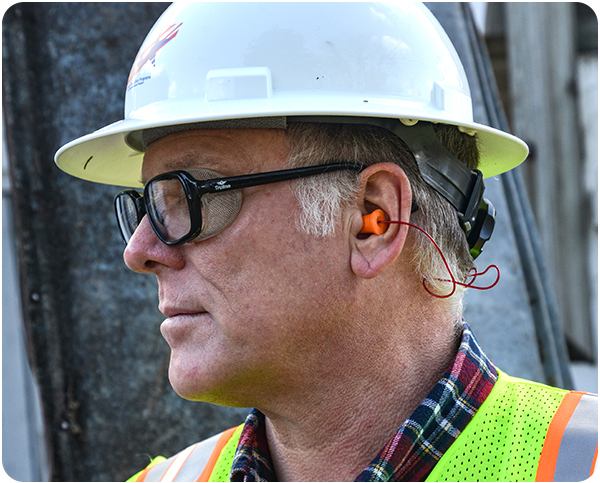
Test With Other PPE

Safety eyewear may be worn with respirators, hard hats, hearing protection, face shields, or protective clothing.

The complete PPE ensemble should be evaluated for compatibility.

A respirator should not force glasses into an unstable position, and helmet accessories should not create pressure that encourages workers to remove eye protection.

Anti-Fog Performance Matters

Fogging is more than an inconvenience.

Workers may lift or remove eyewear when condensation blocks their vision, especially in humid environments or when wearing respiratory protection.

ANSI/ISEA Z87.1-2025 includes an X marking associated with anti-fog performance.

Anti-fog coatings, ventilation, better-fitting frames, and compatible PPE can help address the problem.

If workers repeatedly remove glasses because they cannot see clearly, the eyewear selection should be reassessed.

Scratch Resistance and Lens Condition

A heavily scratched lens can reduce visibility and create glare or distortion.

This can be particularly dangerous around machinery, vehicles, or precision tasks.

Employees should inspect eyewear before use.

Damaged frames, deeply scratched lenses, broken side protection, or other conditions that reduce performance should trigger replacement.

Workers should have easy access to replacement products instead of continuing to use damaged eyewear.

See Our Safety Services!
Eye Protection Safety Glasses

Do Not Confuse Safety Glasses With Goggles

Safety spectacles and goggles are designed for different exposure conditions.

Safety glasses are often appropriate for impact hazards while allowing more ventilation.

Goggles provide closer coverage and may be necessary for chemical splash, dust, or fine-particle exposure.

Neither category is automatically superior.

The correct product depends on how the hazard can reach the worker’s eyes.

Train Employees on the Markings

Workers do not need to memorize every section of ANSI Z87.1, but they should understand the markings relevant to their jobs.

They should know why one task requires Z87+ impact protection while another requires splash goggles or welding filters.

Training should also cover fit, inspection, cleaning, storage, replacement, and the limitations of the selected equipment.

When employees understand why different products are required, they are more likely to use them correctly.

Standardize Where It Makes Sense

Too many eyewear options can complicate purchasing and training.

Organizations may benefit from standardizing a small number of approved products for common tasks.

However, standardization should follow the hazard assessment.

It should not force every employee into one universal pair of glasses when tasks require different levels or types of protection.

Arbill’s eye and face protection selection can support different workplace exposures, including impact, splash, dust, optical radiation, and other industrial eye hazards.

Review the Eyewear Program Regularly

Eye hazards change when equipment, chemicals, production methods, or job duties change.

Review incident records and near misses for recurring eye exposures.

If employees repeatedly experience debris entering around their glasses, lenses fogging, poor fit, chemical splashes, or damaged eyewear, the problem may indicate that the current selection is inadequate.

Worker feedback can also reveal practical issues that product specifications do not show.

A pair of glasses may pass every laboratory requirement and still perform poorly in a particular workplace because of fit, visibility, heat, or interaction with other PPE.

A Practical Safety Glasses Selection Process

A reliable selection process starts with the task.

Identify whether employees face impact, splash, dust, fine particles, radiation, heat, or multiple hazards at the same time.

Then review the required ANSI markings and the OSHA requirements that apply to the work.

Select eyewear with adequate coverage and fit, test it with other PPE, and allow workers to evaluate approved options under real working conditions.

For employees needing vision correction, provide compliant prescription safety eyewear or another solution that maintains both proper vision and required protection.

Finally, train employees to inspect their glasses, understand the relevant markings, and replace damaged eyewear promptly.

Conclusion

Choosing the best safety glasses for a job site begins with understanding how workers could be injured.

Impact hazards, chemical splash, dust, welding radiation, heat, sunlight, and prescription needs all require different considerations.

The latest ANSI/ISEA Z87.1-2025 standard provides performance criteria and markings that help employers identify suitable protective products, while OSHA establishes the employer’s legal responsibility to provide appropriate eye and face protection.

The best eyewear is not simply the product with the most features.

It is the product that matches the hazard, fits the employee properly, works with other PPE, remains comfortable enough for consistent use, and provides the specific protection required for the task.

When organizations connect hazard assessment, standards, fit, employee training, prescription needs, and ongoing program review, they can build an eye protection program that supports both compliance and practical worker safety.

Request a Safety Assessment

Recent Posts

Workplace Safety Programs
How to Improve Safety Culture in Industrial Workplaces

How to Improve Safety Culture in Industrial Workplaces

Essential Guide to Preventing Workplace Eye Injuries
Workplace Eye Injuries: Causes, Prevention, and PPE Solutions

Workplace Eye Injuries: Causes, Prevention, and PPE Solutions

First Aid SmartCompliance
How Often Should First Aid Kits Be Inspected and Restocked?

How Often Should First Aid Kits Be Inspected and Restocked?

How to Implement Lockout Tagout Procedures in Manufacturing
Lockout/Tagout Best Practices for Manufacturing Facilities

Lockout/Tagout Best Practices for Manufacturing Facilities

Safety Glasses Side Sheilds
How to Select the Best Safety Glasses for Different Job Sites

How to Select the Best Safety Glasses for Different Job Sites

  • Previous ProjectLockout/Tagout Best Practices for Manufacturing Facilities

  • Next ProjectCommon Respirator Mistakes That Put Workers at Risk

CUSTOMER SERVICE

800-523-5367

CONTACT US

Complete the short form below and an Arbill representative will get back to you within 24 hours.
* Required Fields

    ARBILL RESPECTS YOUR PRIVACY AND YOUR INFORMATION: By submitting the form above you agree to receiving emails from Arbill. Your submitted information is NEVER shared. You may unsubscribe at any time via the "unsubscribe" link in our emails. You can view our Privacy Policy HERE.