Personal protective equipment is often the most visible part of a workplace safety program. Workers wear safety glasses, gloves, hard hats, respirators, hearing protection, protective clothing, and safety footwear every day.
However, distributing PPE does not automatically create an effective program.
Workers may receive equipment that does not match the hazard, fit correctly, work comfortably with other protection, or remain accessible when replacements are needed. Products may be selected according to price or habit rather than a documented hazard assessment. Employees may complete general training without understanding the limitations of the equipment they use.
A workplace PPE program creates a structured system for assessing hazards, selecting protection, training workers, managing inventory, inspecting equipment, and improving performance over time.
For organizations strengthening worker protection, Arbill provides PPE, training, assessments, vending technology, and safety support designed around real workplace conditions.
What Is a Workplace PPE Program?
A PPE program explains how an employer identifies workplace hazards and protects employees when those hazards cannot be eliminated or sufficiently controlled through other methods.
PPE Is Part of a Larger Control System
Personal protective equipment should not be the first or only response to a hazard.
Where practical, employers should first consider whether the exposure can be eliminated, substituted, isolated, enclosed, ventilated, guarded, or reduced through changes in equipment and work practices.
For example, local exhaust ventilation may reduce welding fumes. A machine guard may prevent contact with moving parts. Noise controls may lower employee exposure. Automated handling may reduce direct contact with hazardous materials.
PPE provides another protection layer when these controls cannot fully remove the risk.
The Program Connects Several Responsibilities
A complete program should address the hazards present, the equipment selected, employee fit, training, maintenance, replacement, accessibility, documentation, and performance monitoring.
These responsibilities are connected. The hazard assessment determines what PPE is necessary. Product selection affects training and inventory. Worker feedback influences fit and acceptance. Inspection findings determine when equipment must be replaced.
When these elements are managed separately, gaps can develop.
Begin With a Workplace Hazard Assessment
A documented hazard assessment is the foundation of the PPE program.
Observe Work Under Real Conditions
Safety teams should examine how employees actually perform their tasks—not only how written procedures say the work should happen.
Walk through production areas, warehouses, laboratories, loading docks, maintenance shops, outdoor work zones, utility spaces, and other locations where employees may be exposed.
Look at routine operations as well as cleaning, maintenance, setup, material transfer, spill response, shutdowns, and emergency work.
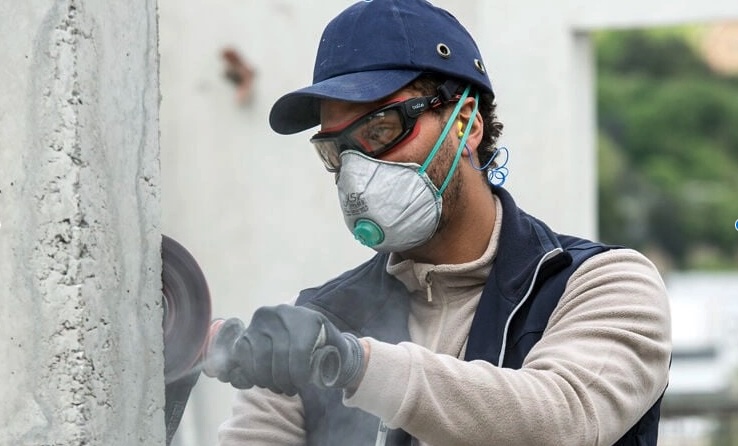
The assessment should consider potential exposure to impact, penetration, compression, chemicals, heat, electrical energy, noise, respiratory contaminants, falling objects, and other workplace hazards.
Arbill’s EHS safety assessments can help facilities evaluate work practices, PPE selection, written programs, records, compliance gaps, and workplace conditions through structured professional reviews.
Evaluate the Task, Not Just the Job Title
PPE requirements should be connected to the task and exposure rather than assigned only by job title.
A maintenance technician may perform electrical work, chemical handling, elevated access, grinding, and confined space tasks during the same week. Each activity may require a different combination of protection.
Similarly, two employees with the same title may work in different departments with significantly different hazards.
A task-based assessment creates more accurate protection requirements.
Review Incidents and Near Misses
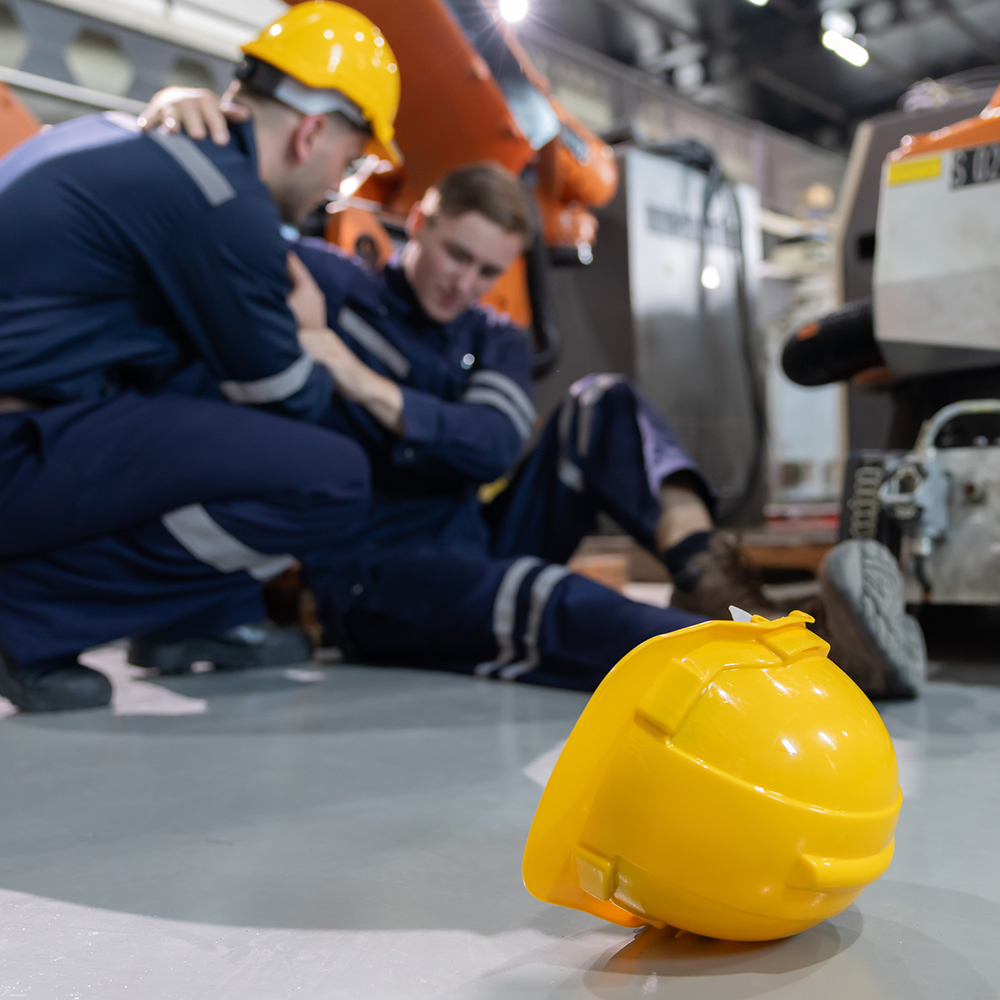
Past incidents can show where existing controls or PPE failed.
Look for patterns involving injury type, body part, location, task, department, shift, and equipment. Near misses can reveal exposure before an injury occurs.
If workers repeatedly experience eye irritation, hand cuts, heat symptoms, or damaged PPE, the program should determine whether the product, training, procedure, or engineering controls need improvement.
Involve Employees
Workers understand practical conditions that may not be obvious during a short inspection.
They can explain where equipment interferes with the task, where PPE becomes uncomfortable, which supplies are difficult to access, and which products fail prematurely.
Employee involvement improves both protection and acceptance. Workers are more likely to use equipment consistently when they understand the selection process and have an opportunity to provide meaningful feedback.