Arc flash PPE is one of the most important barriers between electrical workers and life-changing injury. For utilities and power companies, the risk is not limited to one work area or one type of job. Crews may face arc flash hazards in substations, power plants, service yards, field locations, customer sites, emergency response work, and maintenance environments where energized equipment is part of daily operations.

An arc flash can release intense thermal energy in milliseconds. The event may create extreme heat, bright light, pressure waves, molten metal, and secondary injuries from falls or impact. Regular work clothing cannot protect workers from this type of exposure, and in some cases, non-arc-rated clothing can make injuries worse by igniting or melting.

That is why arc flash PPE must be selected carefully, maintained properly, and supported by a complete safety program. For utility and energy teams, Arbill helps connect PPE, safety services, product access, and program support so workers have the right protection before work begins.

What Is Arc Flash and Why It Matters for Utilities

An arc flash occurs when electrical current travels through air between conductors or from a conductor to ground. This electrical fault releases heat, light, and pressure with explosive force. In utility work, that hazard can appear around switchgear, panels, transformers, generators, electrical distribution equipment, and energized systems used in power generation, transmission, and distribution.

The uploaded draft explains that utility workers face electrical hazards daily across substations, power plants, and field operations, and that arc flash incidents are among the most dangerous threats to worker safety.

The danger is not only the heat. An arc flash can also produce pressure waves, flying debris, molten metal, and intense light. A worker close to the event may suffer burns, eye injury, hearing damage, broken bones, or secondary injuries from being thrown backward.

For utilities and power companies, one mistake around energized equipment can have severe consequences. Protection has to be reliable, documented, and ready before the task starts.

Common Arc Flash Causes in Utility Work

Arc flash risk can come from both equipment conditions and work practices.

Equipment failure is a common trigger. Aging components, loose connections, insulation breakdown, corrosion, contamination, moisture, dust, or damaged equipment can create conditions for an electrical fault. Human error can also contribute, especially during maintenance, testing, troubleshooting, switching, or repair work.

The uploaded draft notes that utility and power operations create many scenarios where line workers, electricians, maintenance teams, and plant operators work on or near energized equipment. It also highlights that field crews may face additional risk in remote sites, roadside locations, damaged infrastructure areas, and challenging weather conditions.

This is why arc flash PPE cannot be planned only for ideal conditions. Utility work often happens during outages, storms, heat, cold, and emergency restoration. The PPE program must reflect the environment workers actually face.

Explore Our Solutions!
arc flash electrical protective clothing and gloves

Required Arc Flash PPE Components

Arc flash PPE works as a coordinated system. Each piece protects a different part of the body, and the full set must match the calculated hazard level and work task.

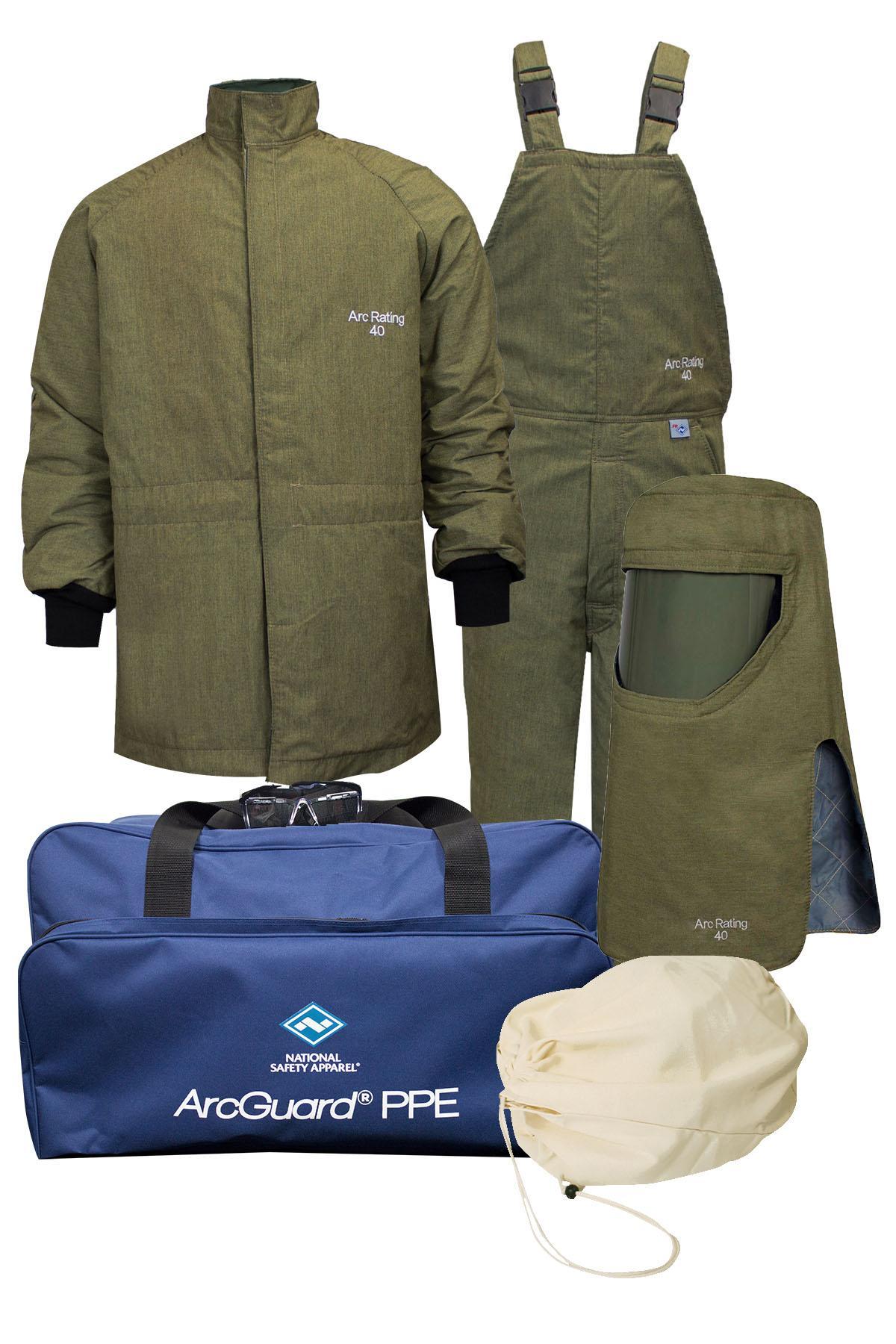
Arc-rated clothing is the foundation. These garments are tested for their ability to withstand thermal energy and are rated in calories per square centimeter. Unlike regular clothing that may ignite and continue burning, arc-rated fabrics are designed to resist ignition and self-extinguish after the heat source is removed.

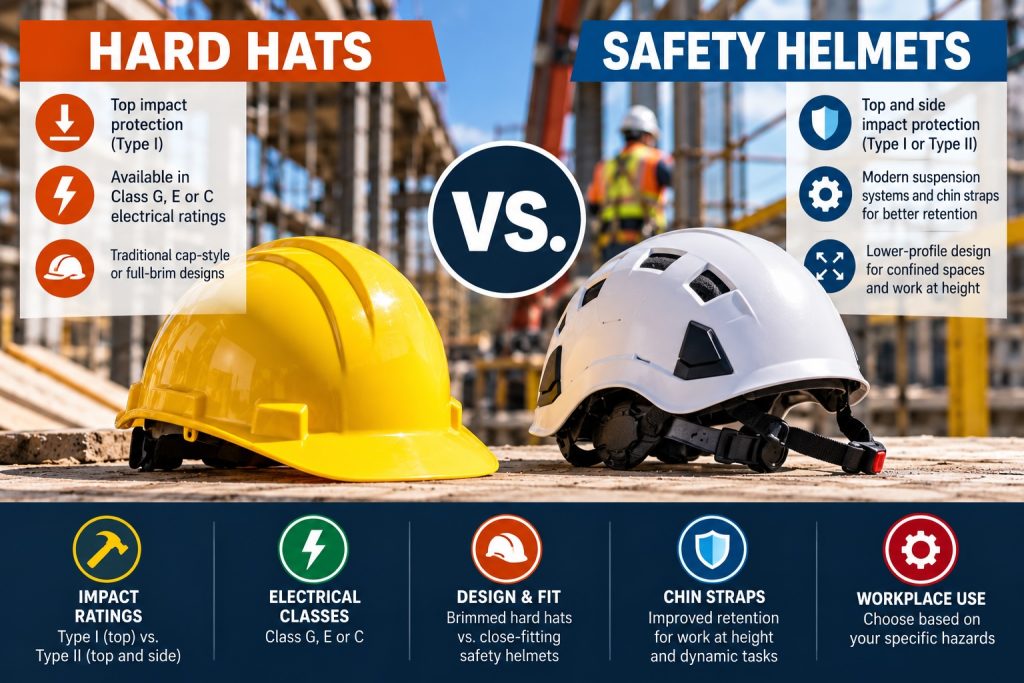
Face and head protection are also essential. Arc-rated face shields, hard hats, safety glasses, and goggles help protect against heat, impact, debris, and molten metal. Eye protection under the face shield adds another layer of defense.

Hand and arm protection may include rubber-insulating gloves, leather protectors, sleeves, and other task-specific protection. Rubber-insulating gloves only protect workers when they are properly selected, tested, tracked, and replaced on schedule.

Foot protection, hearing protection, high-visibility apparel, respiratory protection where needed, hydration support, and emergency supplies also play a role in the complete system. For utility and power companies, arc-rated clothing and protective apparel should be matched to the calculated exposure, task, and field conditions workers face.

Selecting the Right Arc Flash PPE

Selecting arc flash PPE begins with understanding the hazard level. Arc rating indicates the amount of incident energy a garment can withstand before a worker is likely to receive a second-degree burn. The PPE system must meet or exceed the calculated incident energy for the task.

The uploaded draft explains that incident energy calculations consider available fault current, clearing time of protective devices, working distance, and system voltage. These calculations establish the minimum PPE rating needed for safe work.

The key point is that arc flash PPE should not be guessed. A routine task on lower-voltage equipment may require different protection than work on energized high-voltage systems. A worker in a substation may need different protection than a worker performing field restoration during a storm.

The complete clothing system matters too. Layering arc-rated garments can increase total protection, but the system must be evaluated as a whole. Safety managers should confirm that workers understand what combinations are approved and when each level is required.

Utility Work Conditions Affect PPE Performance

Utility and power crews often work in difficult conditions.

Outdoor work may involve rain, heat, cold, wind, humidity, storm response, roadside environments, remote sites, and damaged infrastructure. These conditions affect both PPE performance and worker behavior. If PPE is too hot, heavy, poorly fitted, or hard to access, workers may be tempted to adjust it, remove it, or wear it incorrectly.

The uploaded draft notes that field conditions can affect mobility, visibility, grip, comfort, and heat stress risk during long shifts. It also explains that crews need PPE that supports protection across service yards, plants, warehouses, substations, and field locations.

Heat is especially important. Workers wearing multiple protective layers in summer conditions face fatigue, dehydration, and discomfort. Arbill’s guide on PPE mistakes in hot weather can help safety teams plan for hydration, fit, fabric choices, rest breaks, and training that keeps protection in place even during hot-weather work.

Arc flash protection should never be reduced because of heat discomfort. Instead, the program should plan for heat stress while keeping required protection intact.

As long as people go to work, we have an opportunity to help protect them.

Julie Copeland
Arbill CEO

Julie Copeland Arbill CEO

Inspection, Testing, and Maintenance

Arc flash PPE must be inspected and maintained to remain protective.

Workers should inspect arc-rated clothing before each use for tears, holes, burns, contamination, worn areas, or damage that could reduce protection. Gear exposed to heat, moisture, sunlight, chemicals, sweat, or poor storage conditions can degrade faster than expected.

The uploaded draft notes that UV rays, high temperatures, humidity, sweat, and poor storage can affect gear performance. It also explains that gear stored in hot vehicles or damp locations may lose protective qualities between uses.

Electrical glove testing is another critical part of arc flash and electrical safety programs. Rubber-insulating gloves must be tested, tracked, and replaced on schedule. Leather protectors should be used when needed to protect rubber gloves from punctures and abrasion.

Inspection and testing should not depend on memory alone. Utilities and power companies managing multiple crews, locations, and testing cycles need systems that track dates, replacements, rejected gear, and emergency inventory.

Managing Arc Flash PPE Across Multiple Locations

Utilities often manage PPE across service yards, plants, warehouses, substations, trucks, and field crews. When workers cannot access the right gear quickly, both safety and productivity suffer.

A crew may need replacement gloves before an emergency callout. A worker may need a specific arc-rated garment size at the start of a shift. A safety team may need visibility into what equipment is being used, where inventory is running low, and whether product standardization is being followed.

The uploaded draft explains that PPE vending solutions can support inventory control across sites and shifts, product usage tracking, employee accountability, reduced unnecessary consumption, cleaner storage areas, and real-time visibility into PPE availability.

For distributed utility teams, PPE vending solutions can help keep critical PPE closer to workers while giving employers better control over inventory, usage, and replacement needs.

Building an Effective Arc Flash Safety Program

Arc flash PPE works best when it is part of a complete safety program.

That program should include hazard assessment, incident energy analysis, PPE selection, product standardization, training, inspection, testing, documentation, accessible inventory, and clear procedures for routine and emergency work.

The uploaded draft emphasizes that successful programs combine PPE, training, procedures, documentation, leadership support, and continuous improvement. It also notes that safety assessments and consulting support can help organizations identify training gaps and translate regulatory requirements into practical programs for field service, outage response, and high-risk electrical work.

Workers must understand the hazards they face, how arc flash PPE protects them, when specific protection is required, how to inspect gear, and when to stop work. Supervisors must verify that procedures are current and that workers have access to the right equipment.

Arbill’s utility, power, and energy safety solutions are built around these demanding environments, where safety programs need to support field crews, plant teams, warehouse operations, emergency response, and electrical work across multiple locations.

See Our Safety Services!
Arc Flash PPE for Utilities & Power Companies

Emergency Response and Storm Work

Arc flash risk can increase during emergency response.

Storms, outages, damaged infrastructure, unknown equipment status, and time pressure can all complicate utility work. Crews may respond to locations where conditions are unstable, documentation is incomplete, or equipment has been damaged.

Emergency work requires backup PPE inventory, replacement options, clear procedures, and workers trained to reassess conditions before beginning work. Arc flash PPE must be ready before the incident, not ordered after the call comes in.

The uploaded draft notes that emergency replacement needs require backup inventory positioned for rapid deployment, especially during urgent response windows when normal supply chains may not be fast enough.

For utility and power companies, emergency readiness should include PPE access, glove testing schedules, garment replacement planning, field inventory, and clear communication between safety, operations, and crews.

Conclusion

Arc flash PPE for utilities and power companies requires more than purchasing arc-rated clothing.

Workers need a complete protection system selected according to the hazard level, work task, and field environment. That system should include arc-rated clothing, face and head protection, hand and arm protection, foot protection, hearing protection, heat-stress planning, inspection, testing, documentation, training, and accessible inventory.

Arc flash incidents happen quickly. By the time an event occurs, the worker’s protection must already be in place and worn correctly.

A strong program helps utility teams choose the right gear, maintain it properly, train workers clearly, and keep PPE accessible across every location where electrical work happens.

Request a Safety Assessment

Recent Posts

Warehouse Safety Equipment & PPE for 3PL Operations

Warehouse Safety Equipment & PPE for 3PL Operations

Chemical-Resistant PPE for Petrochemical & Plastics Plants

Chemical-Resistant PPE for Petrochemical & Plastics Plants

Safety Vests for Waste Management & Roadside Workers
High-Visibility Gear for Waste Management & Roadside Workers

High-Visibility Gear for Waste Management & Roadside Workers

Arc Flash PPE for Utilities & Power Companies

Arc Flash PPE for Utilities & Power Companies

Respiratory Protection for Oil & Gas Operations

Respiratory Protection for Oil & Gas Operations

  • Previous ProjectHigh-Visibility Gear for Waste Management & Roadside Workers

  • Next ProjectRespiratory Protection for Oil & Gas Operations

CUSTOMER SERVICE

800-523-5367

CONTACT US

Complete the short form below and an Arbill representative will get back to you within 24 hours.
* Required Fields

    ARBILL RESPECTS YOUR PRIVACY AND YOUR INFORMATION: By submitting the form above you agree to receiving emails from Arbill. Your submitted information is NEVER shared. You may unsubscribe at any time via the "unsubscribe" link in our emails. You can view our Privacy Policy HERE.