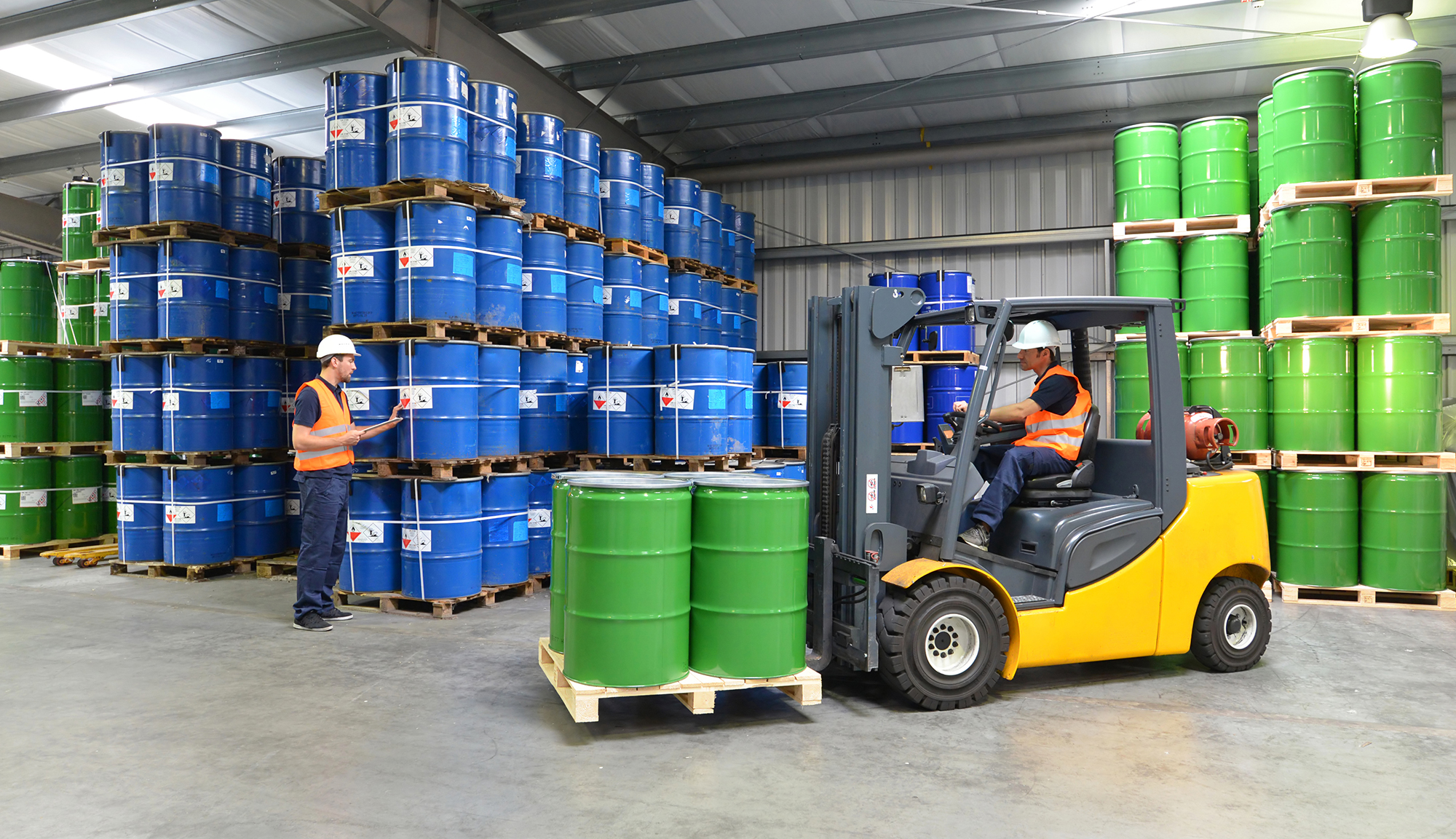
Chemical-resistant PPE is one of the most important safeguards inside petrochemical and plastics plants. Workers may handle corrosive liquids, solvents, resins, additives, oils, cleaning agents, process chemicals, and contaminated materials during routine production, maintenance, transfer, blending, packaging, and emergency response work.

The danger is not always obvious. A chemical may splash, soak into a glove, release vapors, contaminate clothing, or pass through material without visible damage. In some cases, exposure can happen through intact skin or through airborne contaminants before a worker realizes protection has failed.

That is why chemical-resistant PPE cannot be selected by job title alone.

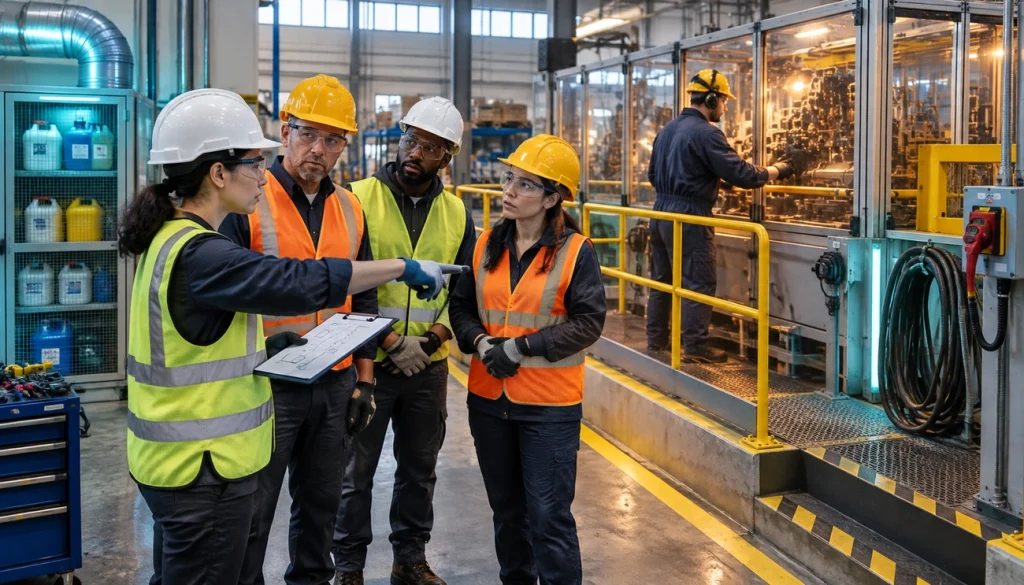
A production operator, maintenance technician, lab worker, warehouse associate, forklift driver, process engineer, and emergency response team member may all work in the same facility, but their exposure profiles can be very different. PPE must be selected around the actual chemical, task, exposure route, contact time, and movement required to perform the job safely.

For facilities managing these complex hazards, Arbill supports safety teams with PPE, safety services, and practical solutions built around real workplace conditions.

Understanding Chemical Hazards in Petrochemical and Plastics Plants

Chemical and petrochemical facilities present changing exposure risks across different areas of the plant. Workers may move from production to maintenance, from transfer areas to storage, or from routine work to spill response. Each transition can introduce different chemical hazards.

Liquids, Vapors, and Airborne Contaminants

The uploaded draft explains that chemical handling, blending, transfer, cleaning, maintenance, and packaging can expose workers to liquids, solvents, resins, corrosives, additives, oils, and other hazardous substances. It also notes that vapors, fumes, dust, mists, resin particles, additives, and airborne contaminants create exposure pathways beyond direct liquid contact.

That means a PPE program must consider more than splash protection. It should also account for vapor exposure, particulate contact, contaminated surfaces, and process materials that change form during heating, compounding, cutting, grinding, or transfer.

Different Roles Face Different Risks

Workers in the same plant may need different PPE because they perform different tasks. A packaging operator handling finished materials may face lower chemical exposure than a maintenance technician opening a valve with residual process chemicals. A lab worker may need splash protection for sampling, while an emergency responder may need broader protection for unknown mixtures.

For industry-specific planning, Arbill’s chemical, petrochemical, and plastics safety solutions can help safety teams think through PPE needs across these different roles and work areas.

Why Generic PPE Selection Fails

Generic PPE selection creates risk because it assumes all workers in a department face the same hazard. In reality, exposure changes by task, location, chemical concentration, temperature, work duration, and whether the contact is incidental or continuous.

A glove, face shield, suit, or respirator that works for one task may fail in another. The safest programs match PPE to the work being performed, not just the employee’s title.

Skin Contact and Chemical Absorption Risks

Skin exposure is one of the most serious risks in petrochemical and plastics plants because some chemicals can enter the body without causing immediate visible damage.

Chemical Burns and Irritation

Corrosive acids and caustic bases can damage skin quickly. Solvents and hydrocarbons can dry, irritate, or penetrate the skin. Some substances may cause immediate pain, while others may not feel dangerous during brief contact.

The uploaded draft notes that chemical absorption through intact skin can occur without visible damage, making proper glove selection important for preventing both immediate injury and long-term health consequences.

Breakthrough Risk Matters

Chemical-resistant gloves and garments are not permanent barriers. Breakthrough time measures how long a chemical takes to move through material at the molecular level. A glove may resist one chemical but fail quickly against another.

This is why PPE must be selected using the Safety Data Sheet, manufacturer compatibility data, task duration, and the actual chemical or chemical mixture workers may contact.

Exposure Duration Changes the PPE Decision

Brief splash exposure during sampling is different from prolonged contact during tank cleaning or equipment maintenance. If a worker’s glove has a breakthrough time longer than a short task, it may be acceptable for that exposure. But if the task continues longer, the glove may need to be changed before the material fails.

A PPE program should define when to replace gloves or garments during extended tasks, not only after visible damage appears.

Explore Our Solutions!
Chemical, Petrochemical & Plastics Safety Solutions

Key Chemical-Resistant PPE Categories

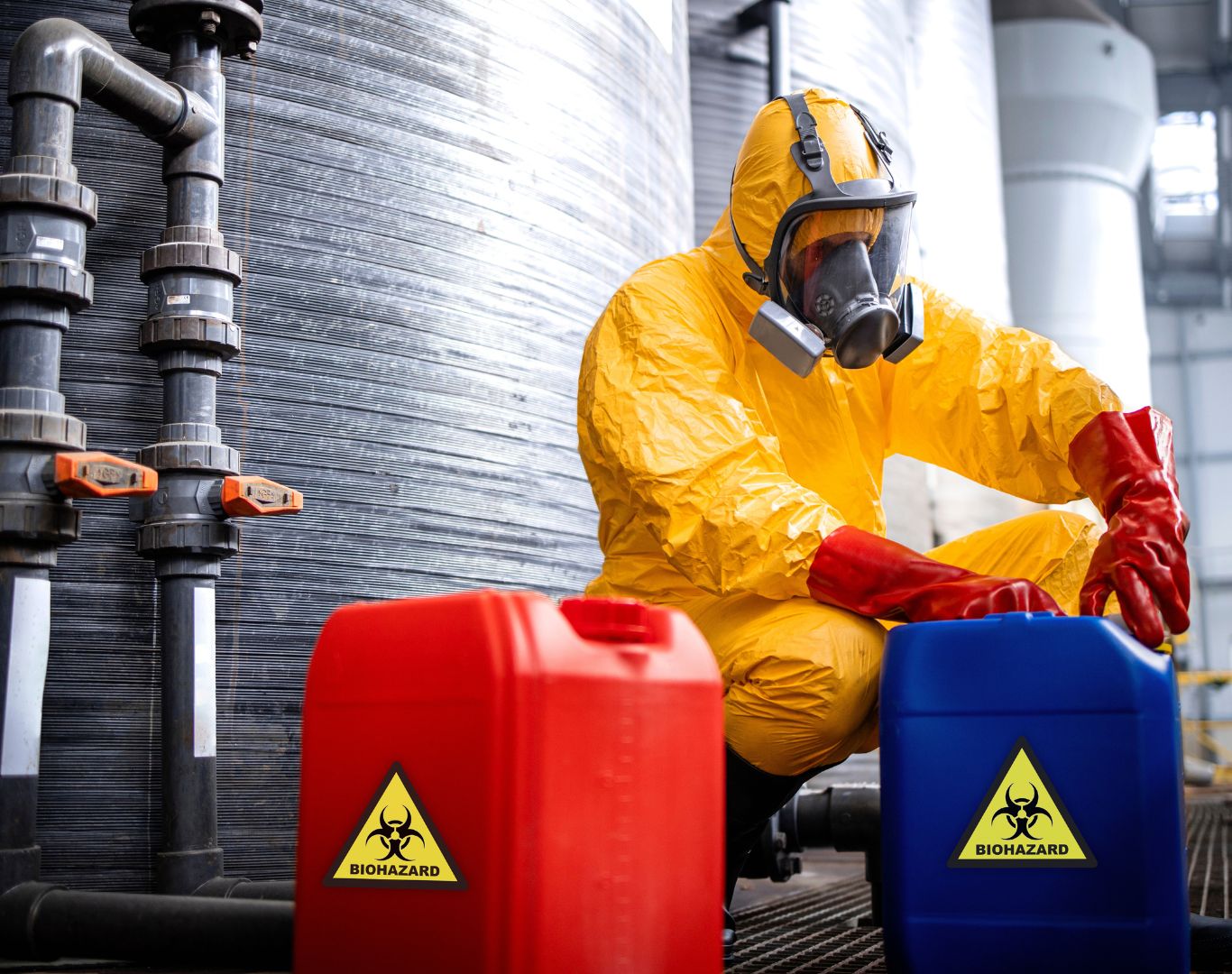
Chemical-resistant PPE should be selected as a system. Gloves protect the hands, but workers may also need eye and face protection, protective clothing, respiratory protection, footwear, and gas detection depending on the hazard.

Chemical-Resistant Gloves

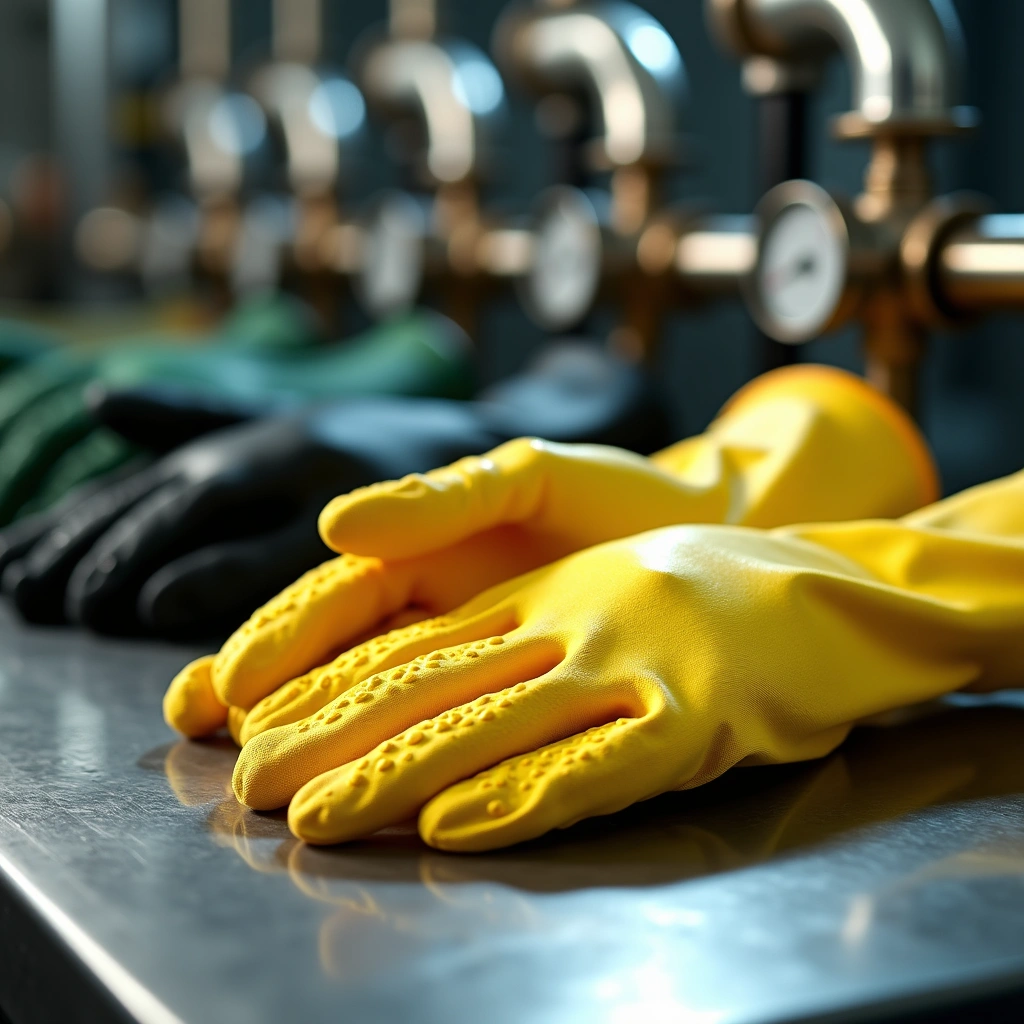
Gloves are often the last line of defense between a worker’s hands and hazardous chemicals. The uploaded draft explains that selecting the wrong glove material can lead to rapid breakthrough and serious risk.

Glove selection should account for the chemical, concentration, contact type, task duration, dexterity, grip, temperature, and worker comfort. A glove that is technically protective but too stiff for the task may be removed or used incorrectly, reducing real protection.

Eye and Face Protection

Chemical splash, vapor irritation, pressurized lines, transfer work, and cleaning activities can expose the eyes and face. Safety glasses alone may not be enough for splash hazards. Workers may need goggles, face shields, or both, depending on the task.

For teams selecting eye and face PPE, eye and face protection should be matched to the hazard, splash potential, chemical type, and work position.

Protective Clothing and Body Protection

Chemical-resistant clothing may be needed when workers face splash, spray, contamination, or prolonged contact. This can include aprons, sleeves, coveralls, suits, boots, or disposable garments. The material should be selected for the chemical exposure, not only for general durability.

Protective clothing should also support movement. If workers cannot bend, reach, climb, or perform the task safely, the PPE may create new hazards.

Common Chemical-Resistant Glove Materials

Different glove materials protect against different chemical families. No glove material works equally well against every substance.

Nitrile for Oils and Petroleum Products

The uploaded draft explains that nitrile rubber performs well against petroleum-based products, oils, greases, and many organic solvents common in petrochemical facilities. It also provides better puncture and abrasion resistance than natural latex alternatives.

Nitrile can be useful for tasks involving crude oil, refined products, hydraulic fluids, lubricants, and certain non-polar solvents. However, breakthrough time varies by glove thickness and chemical concentration, so compatibility data should always be checked.

Neoprene for Mixed Chemical Exposure

Neoprene offers balanced resistance across several chemical families, including some acids, bases, alcohols, phenols, and petroleum products. It can be useful in maintenance and cleaning work where workers may encounter varied chemicals.

Neoprene is often considered when the exposure is mixed or unpredictable but still known enough to evaluate against compatibility data.

Butyl, PVC, and Silver Shield Options

Butyl rubber is useful for certain gases, vapors, ketones, esters, and highly corrosive chemicals. PVC may be appropriate for acids, bases, and aqueous solutions but is generally not the right choice for many organic solvents or petroleum products.

Silver Shield and other multilayer options may be used for broader chemical resistance, emergency response, spill cleanup, or situations where chemical identity is uncertain. These materials should still be matched to task duration and practical use requirements.

As long as people go to work, we have an opportunity to help protect them.

Julie Copeland
Arbill CEO

Julie Copeland Arbill CEO

Gas Detection and Airborne Chemical Hazards

Chemical-resistant PPE does not stop at gloves and clothing. Petrochemical and plastics plants may also need atmospheric monitoring where vapors, gases, oxygen deficiency, or flammable atmospheres can develop.

When Air Monitoring Is Needed

Air monitoring may be needed during confined space entry, tank cleaning, line opening, spill response, maintenance, transfer operations, process upsets, or work in poorly ventilated areas. Atmospheric hazards may not be visible, and worker senses cannot reliably detect danger.

For operations with potential airborne hazards, gas detection instrumentation can help teams identify oxygen levels, combustible gases, toxic gases, and other atmospheric risks before exposure becomes an incident.

Connecting Gas Detection With PPE Selection

Gas detection results should influence the PPE plan. If monitoring shows toxic gas, oxygen deficiency, or flammable vapor concerns, workers may need respiratory protection, ventilation, evacuation, or additional controls. Chemical-resistant gloves and clothing alone will not protect workers from inhalation hazards.

Unknown Atmospheres Require Extra Caution

Unknown atmospheres should be treated carefully. Workers should not enter areas where exposure is not understood, and emergency response plans should include proper monitoring, trained personnel, and equipment suited for the hazard.

Building a Chemical-Resistant PPE Program

A strong PPE program starts with assessment, not purchasing.

Conducting a Chemical Exposure Assessment

The uploaded draft recommends identifying which substances workers encounter throughout the facility through walkthrough inspections, work practice observation, regulatory record review, chemical storage assessments, and Safety Data Sheet reviews.

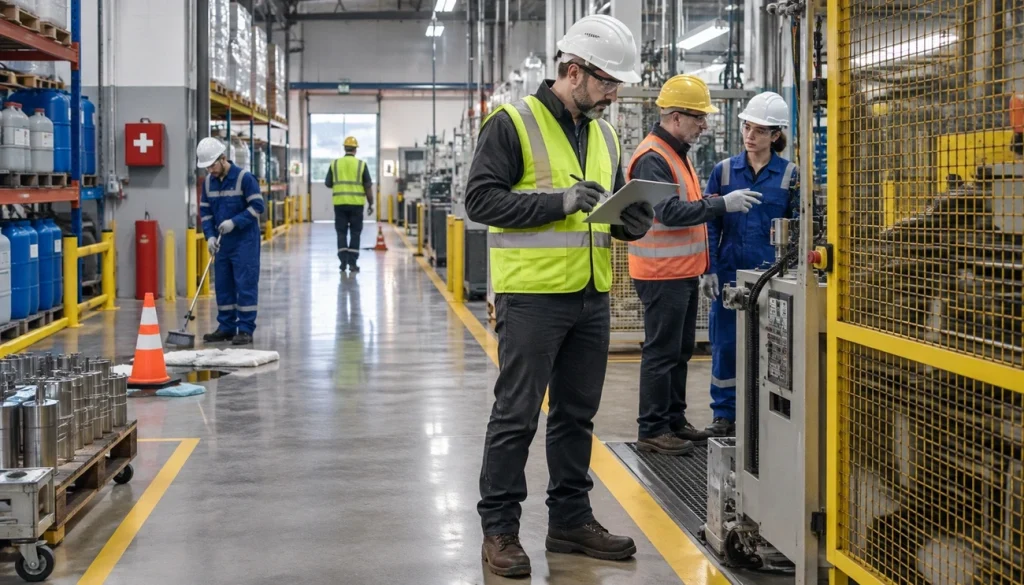
This assessment should include primary process chemicals, cleaning agents, maintenance fluids, lab reagents, spill response materials, and emergency response exposures. It should also examine how workers actually perform tasks, not only what the written procedure says.

For a structured review, EHS safety assessments can help identify PPE gaps, exposure risks, and program weaknesses before they lead to incidents.

Creating a PPE Selection Matrix

A PPE matrix helps remove guesswork. It should show which PPE is required for specific tasks, chemicals, and exposure conditions. For example, sampling, transfer, maintenance, tank cleaning, line opening, and spill response may each require different gloves, goggles, face shields, clothing, or respiratory protection.

The matrix should also include glove change-out guidance, breakthrough concerns, inspection requirements, and escalation steps when conditions change.

Training Workers on Correct Use

Workers need to know how to select PPE, inspect it, wear it correctly, remove it safely, and recognize signs of failure. Training should explain chemical breakthrough, degradation, permeation, splash protection, contamination, and limitations of each PPE type.

Training is especially important because some PPE failures are not visible. A worker may not see permeation happening, so they need clear rules for glove replacement and task duration.

See Our Safety Services!
Chemical-Resistant PPE for Petrochemical & Plastics Plants

Inspection, Replacement, and Documentation

Chemical-resistant PPE must be maintained and replaced before failure.

Inspecting Before Use

Workers should inspect gloves, goggles, face shields, garments, boots, and other PPE before use. Signs of failure may include swelling, cracking, discoloration, stiffness, tears, holes, sticky surfaces, odor, or loss of grip.

The uploaded draft explains that degradation can create visible changes, while permeation may occur invisibly at the molecular level.

Replacement Protocols

Replacement should be based on chemical compatibility data, breakthrough time, contamination, task duration, inspection findings, and manufacturer guidance. PPE should be replaced immediately if damaged, contaminated beyond safe cleaning, or exposed to chemicals outside its rating.

Records That Support Compliance

Documentation should include hazard assessments, PPE selection decisions, glove compatibility data, training records, inspection findings, replacement schedules, incident reports, and program updates. These records help show that PPE decisions are based on the actual hazards present in the plant.

Conclusion

Chemical-resistant PPE for petrochemical and plastics plants must be selected with precision.

Workers may face liquids, vapors, fumes, dust, mists, resins, solvents, corrosives, oils, additives, and unknown mixtures depending on the task. A generic PPE approach can leave workers exposed to chemical burns, skin absorption, vapor hazards, eye injuries, contamination, or breakthrough failures.

The strongest programs begin with task-based exposure assessment. They match gloves, eye and face protection, protective clothing, gas detection, and other controls to the chemicals and conditions workers actually encounter. They also train workers, inspect PPE, document decisions, and update selections when materials or processes change.

Chemical-resistant PPE works best when it is part of a complete safety system — one that protects workers not just from obvious splashes, but from the hidden exposure risks that can develop across petrochemical and plastics operations.

Request a Safety Assessment

Recent Posts

Warehouse Safety Equipment & PPE for 3PL Operations

Warehouse Safety Equipment & PPE for 3PL Operations

Chemical-Resistant PPE for Petrochemical & Plastics Plants

Chemical-Resistant PPE for Petrochemical & Plastics Plants

Safety Vests for Waste Management & Roadside Workers
High-Visibility Gear for Waste Management & Roadside Workers

High-Visibility Gear for Waste Management & Roadside Workers

Arc Flash PPE for Utilities & Power Companies

Arc Flash PPE for Utilities & Power Companies

Respiratory Protection for Oil & Gas Operations

Respiratory Protection for Oil & Gas Operations

  • Previous ProjectWarehouse Safety Equipment & PPE for 3PL Operations

  • Next ProjectHigh-Visibility Gear for Waste Management & Roadside Workers

CUSTOMER SERVICE

800-523-5367

CONTACT US

Complete the short form below and an Arbill representative will get back to you within 24 hours.
* Required Fields

    ARBILL RESPECTS YOUR PRIVACY AND YOUR INFORMATION: By submitting the form above you agree to receiving emails from Arbill. Your submitted information is NEVER shared. You may unsubscribe at any time via the "unsubscribe" link in our emails. You can view our Privacy Policy HERE.