Utility and power companies operate across some of the most demanding safety environments in modern industry. Line workers, electricians, plant operators, maintenance teams, field technicians, warehouse employees, and emergency crews may face energized equipment, arc flash, elevated work, confined spaces, vehicle traffic, extreme weather, hazardous energy, and changing field conditions.

Managing these risks requires more than supplying PPE or completing an annual training schedule. Utilities need safety programs that remain accurate across multiple facilities, crews, shifts, and operating conditions.

That creates a significant administrative challenge.

Internal safety leaders may need to coordinate electrical glove testing, worker certifications, written procedures, PPE inventories, regulatory records, corrective actions, inspections, contractor requirements, and emergency readiness across power plants, substations, service yards, warehouses, and remote work locations.

EHS managed services give utilities access to specialized safety expertise and ongoing program support without requiring every responsibility to be managed separately. For organizations seeking a more coordinated approach, Arbill supports utility teams with assessments, consulting, training, PPE, and practical EHS services built around real operational hazards.

What Are EHS Managed Services for Utilities?

EHS managed services provide external environmental, health, and safety expertise to support functions that may otherwise place a heavy burden on internal teams.

More Than Outsourced Administration

Managed services should not replace the utility’s safety leadership or operational knowledge. Instead, they strengthen internal capabilities by adding specialists who can assess risks, develop programs, coordinate training, manage compliance activities, and support continuous improvement.

The uploaded draft explains that these services extend beyond basic PPE supply. They may include safety assessments, program development, employee training, PPE selection and standardization, electrical glove testing coordination, compliance monitoring, and long-term safety planning.

The result is a coordinated program rather than a collection of disconnected safety activities.

Centralized Support With Local Execution

Utility operations are often dispersed. A company may manage power plants, substations, service centers, warehouses, vehicle yards, underground infrastructure, and field crews across a wide geographic area.

Centralized EHS support can establish consistent standards while allowing individual locations to address their specific hazards. Field crews should receive the same core level of protection as facility-based employees, even when their work environments and equipment differ.

Scalable Expertise

Internal programs often require additional hiring when operations expand, new locations open, or storm-response demand increases.

Managed services can scale according to operational need. A utility may require focused support for an assessment, a multi-site training rollout, electrical glove testing, written program development, or an extended compliance roadmap without permanently increasing administrative headcount.

Why Utility Safety Programs Are Difficult to Manage

Utility safety is complex because the hazards, work environments, and applicable procedures change across tasks and locations.

Dispersed Facilities and Crews

Safety leaders may be responsible for workers operating from several locations. Each facility may have different equipment, supervisors, work practices, environmental conditions, and training schedules.

Without centralized oversight, individual sites may interpret requirements differently. PPE standards may vary, inspection forms may not match, and corrective actions may be tracked inconsistently.

Specialized Electrical Requirements

Utility safety programs must address electrical hazards that require qualified workers, task-specific training, voltage-rated protection, arc-rated clothing, insulating equipment, grounding practices, and hazardous-energy controls.

These programs demand specialized knowledge and careful documentation. The right protection depends on the work being performed, the system voltage, equipment condition, exposure level, and work environment.

Emergency and Storm Response

Storms and infrastructure damage can create urgent work under difficult conditions. Crews may work long shifts in rain, wind, heat, cold, darkness, or unfamiliar locations.

During these events, safety systems must remain reliable. Replacement PPE, tested electrical gloves, trained workers, emergency procedures, and clear communication need to be available before crews deploy.


Explore Our Solutions!
PPE for Utility Field Workers

Common Utility and Power Safety Risks

Managed EHS services should reflect the hazards utility workers actually face rather than applying a generic industrial program.

Electrical Shock and Arc Flash

Electrical hazards remain central to utility operations. Workers may perform tasks near generators, transformers, switchgear, substations, panels, distribution equipment, overhead lines, and underground systems.

Protection may include arc-rated clothing, voltage-rated gloves, leather protectors, face shields, head protection, insulating equipment, and task-specific work procedures.

PPE selection must align with the hazard assessment and the work. A standard garment or glove is not automatically suitable for every voltage, task, or exposure.

Falls From Elevated Work

Line workers and maintenance crews may work from poles, towers, ladders, platforms, rooftops, and aerial lifts.

A complete fall protection program addresses equipment selection, anchor points, fall clearance, inspection, training, rescue, weather, and the worker’s ability to move safely while completing the task.

Confined and Enclosed Spaces

Utility work may involve vaults, tunnels, tanks, pits, manholes, and underground infrastructure where oxygen deficiency, toxic gases, combustible atmospheres, electrical equipment, or limited access create risk.

These spaces may require atmospheric testing, ventilation, respiratory protection, communication, attendants, entry procedures, and rescue planning.

Weather and Field Exposure

Utility employees often work outdoors in conditions that cannot be fully controlled. Heat, cold, rain, lightning, snow, wind, poor visibility, and remote access can increase the risk associated with electrical work, lifting, climbing, driving, and emergency response.

PPE should support mobility, weather protection, grip, visibility, and comfort without reducing required electrical or fall protection.

Vehicles and Mobile Equipment

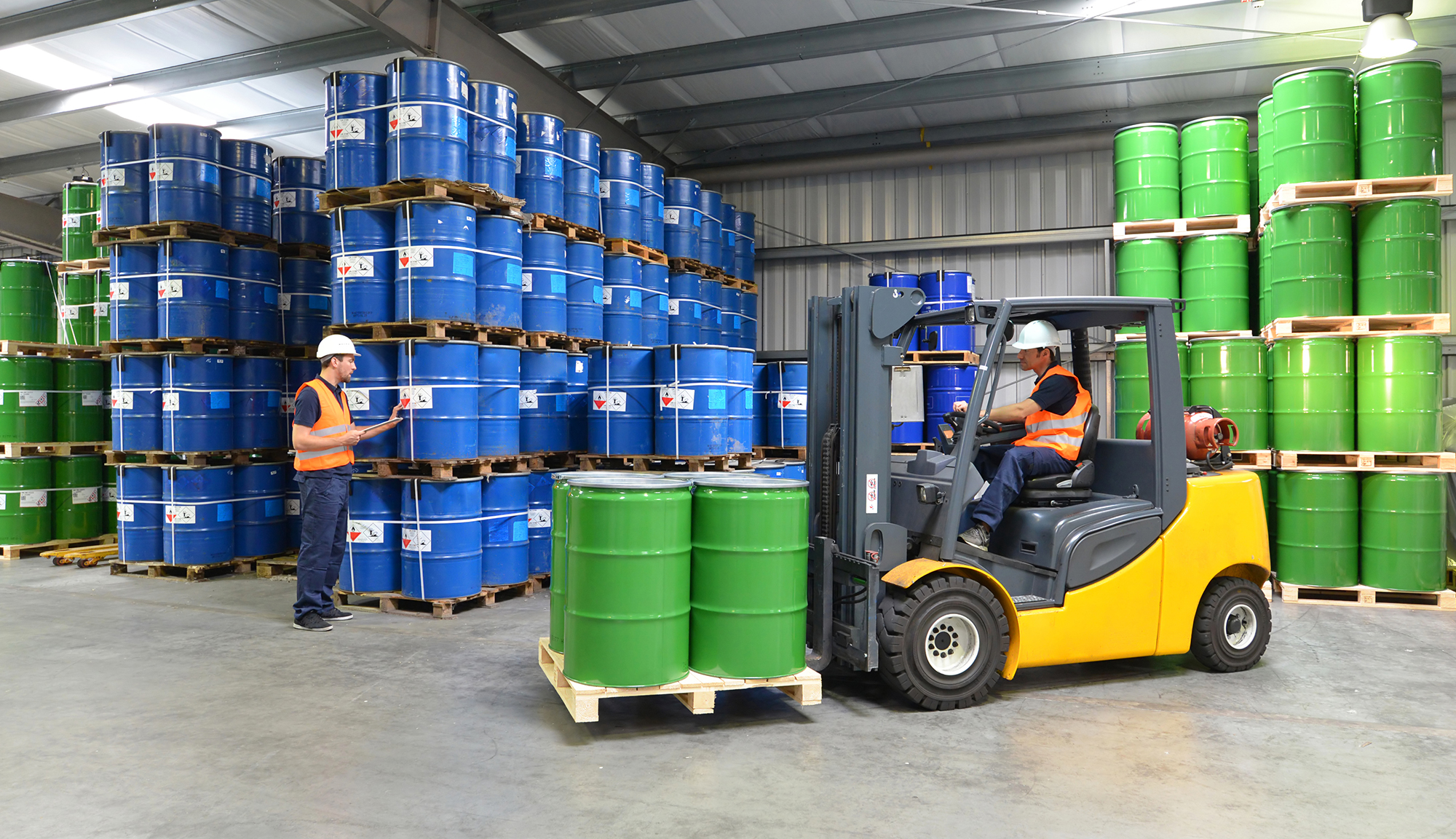
Service yards, warehouses, power plants, and substations may contain trucks, forklifts, trailers, cranes, loaders, and pedestrians moving through shared areas.

Traffic plans, marked walkways, visibility, operator training, barriers, alarms, and real-time alert systems may all be necessary depending on the environment.

Core EHS Managed Services for Utility Companies

A managed service program can include several connected functions based on the utility’s size, locations, risk profile, and internal resources.

Safety Assessments and Gap Analysis

An assessment gives the organization a clearer picture of current conditions.

Arbill’s EHS safety assessments can support different levels of review, from identifying immediate concerns to evaluating written programs, records, PPE, training, compliance, and broader safety culture.

A practical assessment should examine field conditions and written documentation. It should identify where procedures do not match actual work, where worker knowledge is inconsistent, and where program gaps create the greatest risk.

The final report should provide prioritized recommendations rather than an unstructured list of findings.

EHS Safety Consulting

Some organizations need support that continues beyond the initial assessment.

EHS safety consulting can help utilities develop written programs, evaluate compliance obligations, standardize PPE, review work practices, track corrective actions, and build longer-term safety roadmaps.

Consulting support is especially useful when internal teams know what needs improvement but need specialized help developing and implementing the solution.

Safety Training Coordination

Utility workers need training aligned with their assignments and exposure.

Arbill’s EHS safety training can support subjects such as electrical safety, lockout/tagout, confined space entry, fall protection, CPR and first aid, hazardous materials, emergency response, and other workplace risks.

Training should be practical and connected to actual job conditions. Workers need to understand not only the rule but how to apply it during field service, maintenance, outages, and emergency deployments.

Written Safety Program Development

Written programs create consistency across crews and locations. They define responsibilities, procedures, inspection requirements, training expectations, documentation methods, and emergency actions.

Utilities may need written programs for hazardous-energy control, electrical safety, respiratory protection, confined spaces, PPE, fall protection, emergency response, hazard communication, or contractor coordination.

A written program should reflect the company’s equipment and work practices. Generic language that does not match field operations provides limited protection.

As long as people go to work, we have an opportunity to help protect them.

Julie Copeland
Arbill CEO

Julie Copeland Arbill CEO

Electrical Glove Testing and PPE Management

Electrical protective equipment needs ongoing testing, inspection, tracking, and replacement.

Managing Testing Cycles

Rubber-insulating gloves only provide reliable protection when they remain in acceptable condition and are tested according to required schedules.

For utilities managing large glove inventories, the administrative burden can be significant. Safety teams may need to track issue dates, testing dates, workers, locations, rejected equipment, replacements, and emergency inventory.

Managed support can coordinate scheduling, reminders, shipping, documentation, rejected-glove handling, and replacement planning.

Standardizing PPE Across Locations

PPE requirements can become inconsistent when each facility or department purchases products independently.

A managed program can help establish approved product lists based on task and hazard. Standardization simplifies training, purchasing, inspection, and compliance verification while helping workers understand what protection is expected.

Supporting Emergency Inventory

Storm response and urgent field work can create immediate replacement needs. Utilities should maintain access to tested gloves, arc-rated garments, fall protection, head protection, eye protection, and other essential equipment.

Emergency inventory planning reduces the chance that crews deploy with damaged or unsuitable PPE because a replacement was unavailable.

Building Consistency Across Multiple Sites

One of the primary benefits of EHS managed services is the ability to establish consistent safety expectations across a distributed organization.

Standardized Core Programs

The organization can define common requirements for training, PPE, inspections, documentation, contractor safety, emergency response, and corrective-action tracking.

Site-level teams can then address hazards specific to their equipment, layout, and work.

Arbill’s utility, power, and energy safety solutions are designed around the needs of power generation, transmission, distribution, field operations, maintenance, and emergency crews.

Centralized Records

Centralized documentation helps safety leaders see training status, inspection findings, glove testing, corrective actions, and program updates across locations.

This prevents important information from remaining inside separate spreadsheets, paper files, or local systems that corporate leaders cannot review easily.

Local Accountability

Centralization should not eliminate responsibility at the local level. Site managers and supervisors still need to verify that procedures are followed, hazards are reported, PPE is used, and corrective actions are completed.

Managed services give local teams structure and support while maintaining clear operational ownership.

Improving OSHA Compliance

Compliance is easier to manage when requirements are built into a repeatable system.

Regulatory Monitoring

Safety standards, enforcement priorities, interpretations, and industry guidance can change. Internal teams may struggle to monitor every development while handling daily operational responsibilities.

EHS specialists can review relevant changes and help translate them into practical updates for policies, training, inspections, and documentation.

Documentation and Recordkeeping

Utilities may need records for employee training, inspections, hazardous-energy procedures, electrical protective equipment, incidents, medical services, and corrective actions.

Managed support can help organize these records and establish consistent retention and review practices.

Strong documentation supports audit readiness, but it also helps reveal which parts of the safety program need attention.

Audit Preparation

Preparing only after receiving notice of an inspection creates unnecessary pressure.

Regular assessments, organized records, current written programs, and closed corrective actions help utilities remain ready. A proactive program also demonstrates that the company is actively identifying and addressing safety risks.

Strengthening Safety Culture

Managed EHS services should improve the way the organization thinks about safety, not simply create more documents.

Leadership Visibility

Workers notice whether leadership supports safe work when it conflicts with schedule or production pressure.

Leaders should fund corrective actions, support stop-work decisions, review safety performance, and hold supervisors accountable for field execution.

Worker Participation

Field employees understand practical hazards that may not be obvious during a formal audit. They can identify procedures that are unclear, PPE that interferes with work, recurring equipment problems, and conditions that change during emergencies.

Their involvement improves assessments, written programs, training, and corrective actions.

Moving From Reactive to Proactive

Reactive programs update procedures after injuries, near misses, citations, or equipment failures.

Managed services help teams use leading indicators such as training completion, overdue inspections, open corrective actions, PPE usage, reported hazards, and near-miss trends to identify risk earlier.

Implementing EHS Managed Services

The strongest implementation begins with a clear understanding of the current program and the organization’s priorities.

Assess Current Conditions

The initial assessment should examine facilities, work practices, existing programs, records, training, PPE, incident history, and worker feedback.

This review helps distinguish what internal teams already manage effectively from areas where outside support could provide greater value.

Define Scope and Ownership

The organization should decide which functions remain internal and which will receive managed support.

Responsibilities may include assessments, program development, training coordination, documentation, electrical glove testing, compliance monitoring, or corrective-action tracking.

The provider’s role and the utility’s role should be documented clearly.

Begin With High-Priority Locations

For multi-site utilities, implementation may start at facilities with significant hazards, recurring findings, major training gaps, or urgent documentation needs.

The program can then expand using standardized procedures refined during the initial rollout.

Measure Results

Program effectiveness should be reviewed through measurable indicators.

These may include:

  • Training completion
  • Corrective-action closure
  • Inspection findings
  • Electrical glove testing status
  • Near-miss reporting
  • Recordable injuries
  • Audit performance
  • PPE availability
  • Program review completion

Metrics should help leaders understand whether the program is improving worker protection, not simply whether activities were completed.

See Our Safety Services!
EHS Management Systems

Choosing the Right EHS Partner

The right provider should understand utility-specific hazards and be capable of supporting both facility-based and field operations.

Utility Industry Experience

EHS professionals should understand electrical work, arc flash protection, rubber-insulating equipment, fall hazards, confined spaces, field conditions, and storm response.

General safety experience may not be enough for programs involving high-voltage systems and distributed crews.

Multi-Site Capability

The partner should be able to establish centralized standards while working with local managers and field teams.

This includes supporting different locations without creating inconsistent processes or excessive administrative work.

Practical Recommendations

Recommendations should be actionable and based on real work. A useful partner explains how to close gaps, helps establish priorities, and supports implementation rather than delivering a report without follow-through.

Conclusion

EHS managed services help utilities and power companies coordinate safety across complex, dispersed, and high-risk operations.

Workers may face energized systems, arc flash, elevated work, confined spaces, hazardous energy, extreme weather, vehicles, and emergency-response conditions. Managing those hazards requires consistent assessments, written programs, specialized training, PPE oversight, testing, documentation, and continuous improvement.

Managed EHS support gives internal teams access to specialized expertise while reducing the administrative burden associated with multi-site compliance. It can help standardize protection, keep records current, track corrective actions, and ensure safety programs evolve with operations.

When the right internal leadership and external support work together, utilities can protect workers more effectively, strengthen audit readiness, and build a safety culture that remains reliable across every crew, shift, and location.

Request a Safety Assessment

Recent Posts

The Hidden Costs of Poor Workplace Safety

The Hidden Costs of Poor Workplace Safety

ANSI Standards vs. OSHA - Which Applies to Your Workplace
ANSI vs. OSHA: What’s the Difference?

ANSI vs. OSHA: What’s the Difference?

Head Protection Webinar with MSA
When Should You Replace Your Safety Helmet?

When Should You Replace Your Safety Helmet?

Choosing the proper PPE
A Complete Guide to Building a Workplace PPE Program

A Complete Guide to Building a Workplace PPE Program

OSHA's Top 10 Most Frequently Cited Violations and How to Avoid Them
OSHA’s Top 10 Most Frequently Cited Violations and How to Avoid Them

OSHA’s Top 10 Most Frequently Cited Violations and How to Avoid Them

  • Previous ProjectSafety Training Programs for Manufacturing Facilities

  • Next ProjectEHS Managed Services for Waste Management Companies

CUSTOMER SERVICE

800-523-5367

CONTACT US

Complete the short form below and an Arbill representative will get back to you within 24 hours.
* Required Fields

    ARBILL RESPECTS YOUR PRIVACY AND YOUR INFORMATION: By submitting the form above you agree to receiving emails from Arbill. Your submitted information is NEVER shared. You may unsubscribe at any time via the "unsubscribe" link in our emails. You can view our Privacy Policy HERE.