Manufacturing facilities invest significant time and resources in workplace safety training. New employees attend orientation, experienced workers complete annual refreshers, and supervisors maintain records showing that required sessions occurred.

Yet workers may still be injured while performing tasks they were supposedly trained to complete safely.

The problem is often not the absence of training. It is the gap between completing a course and applying safe behavior under actual production conditions.

Generic presentations may explain regulations without showing workers how to isolate the machinery they service, respond to a chemical release, inspect the PPE they wear, or navigate forklift traffic in their own facility. Employees may pass a quiz but remain unprepared when a machine jams, a process changes, or schedule pressure encourages shortcuts.

Effective safety training programs must be built around the facility’s equipment, materials, work areas, and incident history. They should help workers recognize hazards, demonstrate safe procedures, respond to changing conditions, and retain those skills after the class ends.

For manufacturers strengthening worker protection, Arbill provides safety training, assessments, consulting, PPE, and practical support designed around real industrial operations.

Why Manufacturing Safety Training Often Falls Short

Training can meet a documentation requirement without improving workplace behavior.

Compliance Becomes the Primary Goal

Many programs are designed around proving that instruction occurred. Workers watch a presentation, complete a quiz, sign an attendance sheet, and return to production.

This provides a record, but it does not prove competence.

Workers may remember terminology while failing to apply the procedure when handling equipment, responding to an alarm, or working under time pressure. When completion rates become the main measurement, organizations may overlook whether training actually changes performance.

Documentation remains necessary, but it should support the training program rather than define its entire purpose.

The Content Does Not Match the Facility

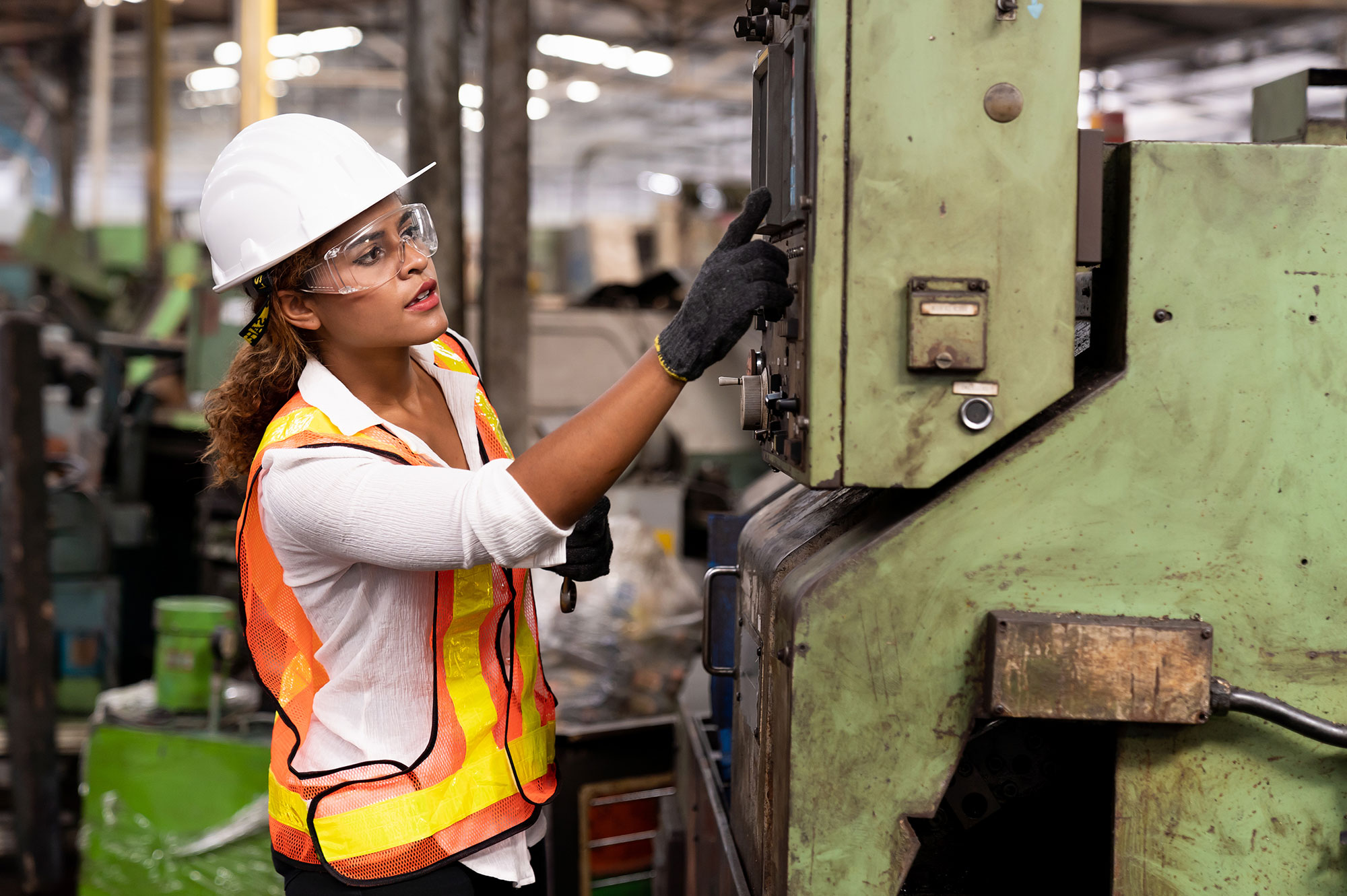
Manufacturing hazards vary significantly by operation. Metal fabrication workers may encounter sharp edges, hot surfaces, grinding debris, welding fumes, and pinch points. Food-processing employees may face sanitation chemicals, conveyors, wet floors, and temperature extremes. Plastics facilities may manage heated equipment, fumes, moving machinery, and combustible materials.

A generic course cannot address every combination effectively.

Workers need instruction on the machines they operate, materials they handle, workspaces they enter, and procedures their facility expects them to follow.

Training Happens at the Wrong Time

New hires often receive a large amount of safety information before they fully understand their responsibilities or the equipment they will use. They may hear about hazards they have never seen and procedures they cannot yet visualize.

Annual refresher training can create a similar problem when it follows a calendar rather than operational need.

Workers may need updated instruction when:

  • New equipment is installed
  • A process or layout changes
  • Employees receive new job assignments
  • PPE requirements are revised
  • A near miss reveals confusion
  • An inspection identifies unsafe behavior
  • Procedures are updated
  • An employee returns after an extended absence

Training is most useful when it arrives close to the moment workers need to apply it.

Reinforcement Ends After the Session

Knowledge fades when workers do not practice it. Habits, shortcuts, and informal workarounds gradually replace what employees learned in the classroom.

Supervisors need to observe work, provide feedback, correct deviations, and reinforce the procedure during normal operations.

Without follow-up, the same course may be repeated every year even though it has not prevented recurring unsafe behavior.


Explore Our Solutions!
Workplace Safety Motivation

Start With a Facility-Specific Safety Assessment

The strongest training programs begin by identifying the actual hazards workers face.

Evaluate Work as It Is Performed

A workplace assessment should include production areas, loading docks, maintenance shops, warehouses, laboratories, utility rooms, material storage, elevated platforms, and contractor work zones.

Reviewers should observe how employees interact with machinery, materials, vehicles, energy sources, and PPE. They should also speak with workers about tasks that are difficult, confusing, or likely to encourage shortcuts.

Arbill’s EHS safety assessments can help manufacturers examine workplace conditions, written programs, training records, PPE practices, regulatory gaps, and broader safety performance.

Review Incidents and Near Misses

Injury reports reveal where training or controls may have failed. Near misses can provide an even earlier warning.

For example, repeated forklift close calls may indicate that operators understand basic controls but are not prepared for blind corners or pedestrian traffic in the facility. Frequent hand injuries may suggest that employees do not understand glove limitations or that the selected protection does not match the task.

Training should respond to these patterns instead of covering the same topics regardless of current risk.

Compare Procedures With Actual Work

Written programs may describe one method while employees routinely use another.

This gap can occur because procedures are outdated, impractical, or based on generic templates. Workers may have developed a workaround to keep production moving, even when that workaround creates additional risk.

Assessments should identify these differences before training is developed. Otherwise, employees may be instructed to follow steps that do not fit the equipment or workflow.

Essential Components of Effective Safety Training

Manufacturing safety training should build understanding, practical skill, and consistent behavior.

Hazard-Specific Content

Training should explain the hazards associated with the employee’s actual assignment.

A machine operator needs to understand guarding, pinch points, emergency stops, safe material feeding, and jam-clearing restrictions. Maintenance employees need equipment-specific hazardous-energy procedures. Welders may need instruction on fumes, fire prevention, hot work, eye protection, and protective clothing.

Arbill’s heavy industrial manufacturing, metal, steel, and fabrication safety solutions reflect the task-specific risks found in operations involving cutting, grinding, welding, heavy materials, powered equipment, and high-temperature processes.

Hands-On Demonstration

Classroom instruction explains the concept. Practical exercises show whether workers can perform the procedure.

Employees should have opportunities to demonstrate skills using the equipment and conditions they will encounter. This may involve:

  • Applying lockout devices to actual isolation points
  • Inspecting and putting on fall protection
  • Operating forklifts through facility travel routes
  • Using emergency eyewash equipment
  • Reading labels and Safety Data Sheets
  • Inspecting respirators and completing seal checks
  • Responding to alarms or evacuation signals
  • Selecting gloves for specific materials

The instructor should verify performance and correct mistakes before the worker returns to unsupervised work.

Clear Written Procedures

Training should align with current written programs and operating procedures.

Workers need reference materials that explain responsibilities, required equipment, prohibited actions, emergency steps, and reporting procedures. These documents should use language that workers understand and should reflect actual equipment and work areas.

When training and procedures conflict, workers receive mixed expectations.

Qualified Instructors

Instructors should understand both the subject and the manufacturing environment.

A knowledgeable trainer can connect regulatory requirements with practical examples, answer equipment-specific questions, and recognize when a worker has not demonstrated competence.

Arbill’s EHS safety training offers expert-led training across areas such as lockout/tagout, electrical safety, confined spaces, fall prevention, hazardous materials, emergency response, first aid, and specialized working environments.

Worker Participation

Experienced workers can improve training by identifying equipment quirks, task variations, visibility problems, and practical obstacles that outside trainers may not immediately recognize.

Their participation also builds credibility. Employees are more likely to respect procedures when they see that the program reflects real operational experience.

Worker input should never be used to preserve an unsafe shortcut. It should help safety professionals develop safer methods that can realistically be followed.

As long as people go to work, we have an opportunity to help protect them.

Julie Copeland
Arbill CEO

Julie Copeland Arbill CEO

Important Training Programs for Manufacturing Facilities

The exact program will vary by facility, but several areas commonly require focused instruction.

Machine Operation and Guarding

Workers should understand machine hazards before operation. Training should cover controls, guards, emergency stops, safe operating limits, material feeding, prohibited practices, and procedures for reporting damage or malfunction.

Employees should never remove or bypass guards unless an authorized procedure specifically requires it and hazardous energy has been controlled.

Training should also explain that emergency stops are not substitutes for energy isolation during servicing or maintenance.

Lockout/Tagout

Lockout/tagout training must be based on employee roles.

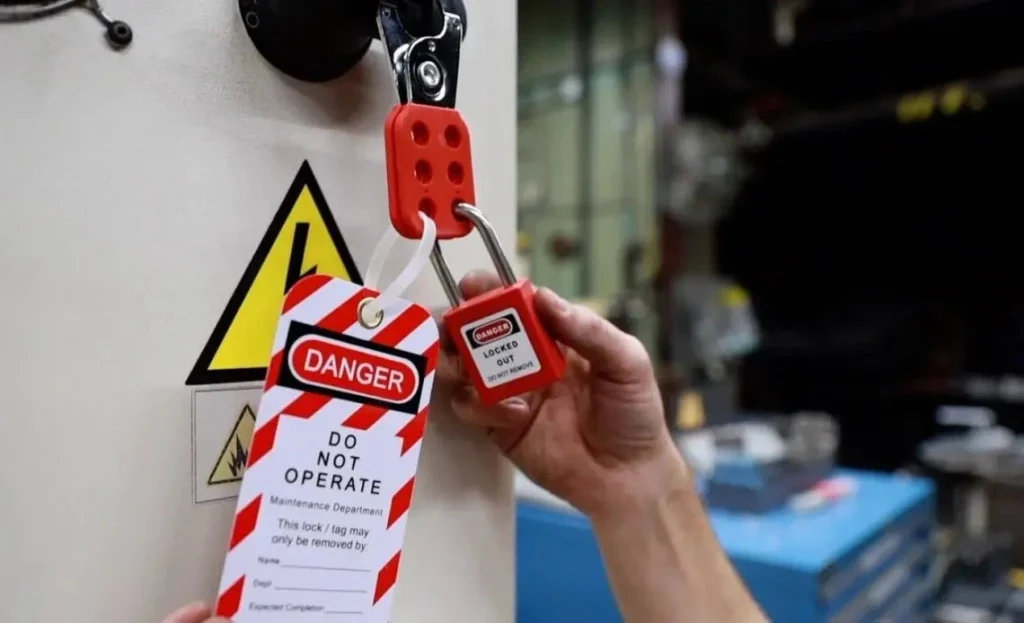
Authorized employees need to recognize hazardous energy sources, understand their magnitude, and apply the methods needed for isolation and control. Affected employees need to understand the purpose and use of the energy-control procedure. Other employees working near locked-out equipment need to know that they must not remove devices or attempt to restart machinery.

Practical instruction should use equipment-specific procedures. Workers should locate isolation points, control stored energy, apply locks and tags, verify isolation, and complete restoration steps correctly.

Arbill’s OSHA compliance guide for heavy industrial manufacturing provides additional guidance on lockout/tagout, machine guarding, PPE, forklift safety, documentation, and compliance management.

Powered Industrial Trucks

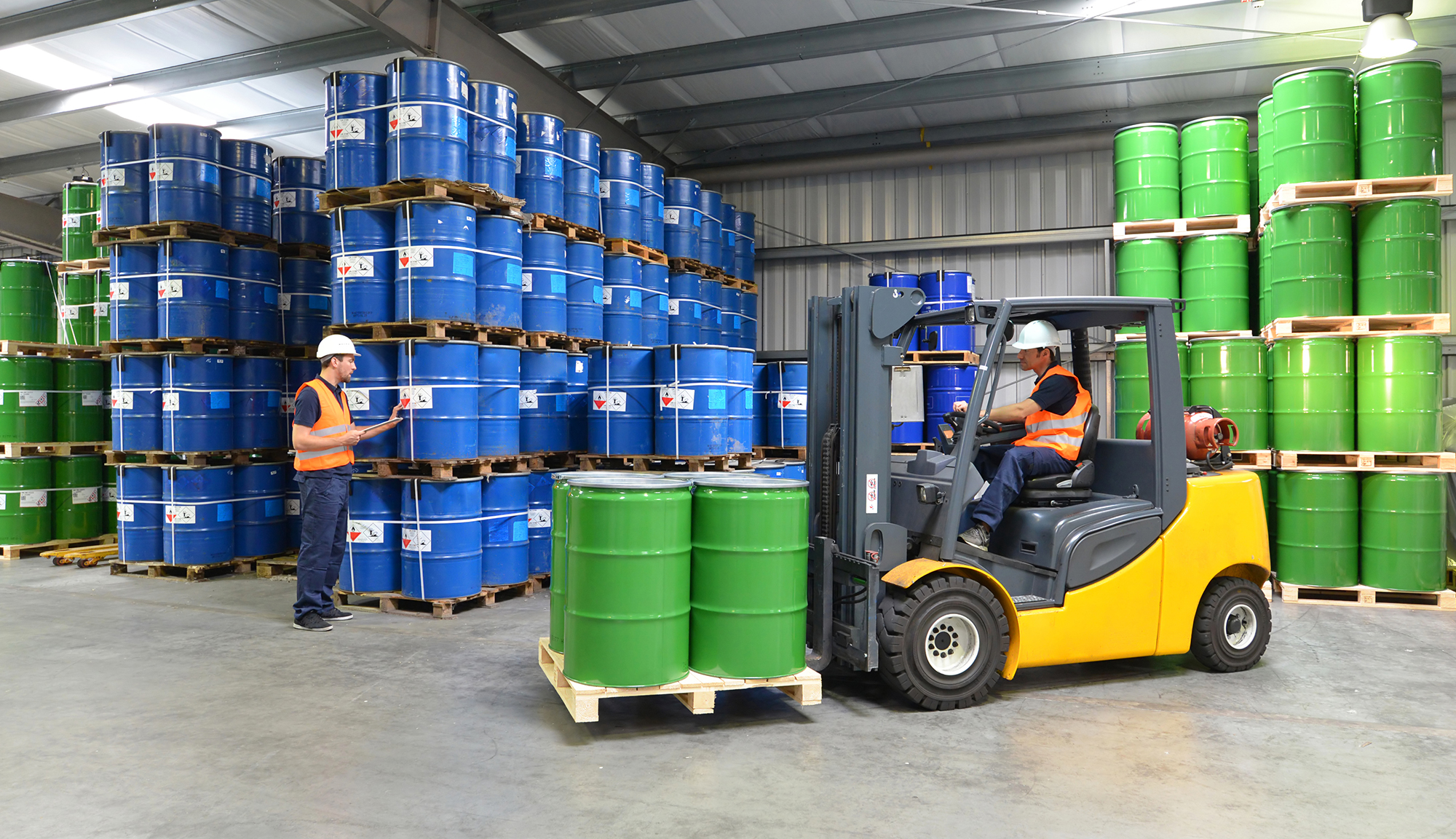
Forklift training should address both the equipment and workplace conditions.

Formal instruction alone is insufficient. Operators need practical training and a workplace evaluation that demonstrates competence.

Facility-specific topics may include:

  • Pedestrian crossings
  • Loading docks
  • Ramps and inclines
  • Blind corners
  • Trailer entry
  • Load types
  • Floor conditions
  • Battery charging or fuel handling
  • Restricted areas
  • Speed expectations
  • Attachments and visibility limitations

Refresher training may be necessary after an accident or near miss, unsafe operation, assignment to a different vehicle, or a workplace change affecting safe use.

Hazard Communication

Workers must understand the chemical hazards present in their work areas.

Training should show employees how to read labels, recognize pictograms, locate Safety Data Sheets, identify exposure routes, select protective measures, and respond to spills or contact.

The instruction should address the actual chemicals used for production, maintenance, cleaning, coatings, laboratories, and waste handling.

Personal Protective Equipment

PPE training should explain when protection is necessary, what equipment is required, how it limits exposure, and where its limitations begin.

Workers should practice inspecting, fitting, wearing, removing, cleaning, storing, and replacing their equipment. They should also know how to report discomfort, damage, or poor fit.

PPE should not be taught as a universal solution. Employees need to understand that engineering and administrative controls may still be required.

Respiratory Protection

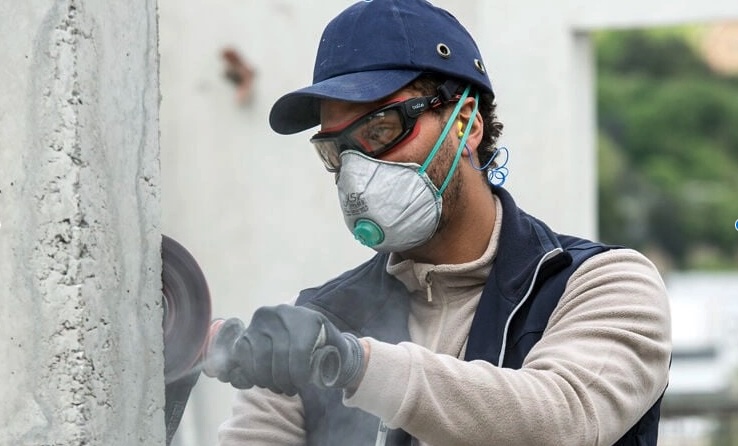
Employees required to use respirators need instruction on why the equipment is necessary, how improper fit or use can reduce protection, and how to inspect and maintain the respirator.

Training should address cartridge limitations, change schedules, facial-hair restrictions, seal checks, cleaning, storage, and emergency limitations.

Workers should never assume that an air-purifying respirator is suitable for an unknown atmosphere or oxygen-deficient space.

Fall Prevention

Manufacturing facilities may have mezzanines, ladders, platforms, roofs, elevated equipment, pits, and maintenance access points.

Training should address the facility’s actual fall hazards, including guardrails, ladder use, anchor points, harness inspection, fall clearance, aerial lifts, and rescue procedures.

Workers should understand both how to use the equipment and when work must stop because appropriate protection is unavailable.

Confined Space Entry

Employees should be able to recognize confined and permit-required spaces within the facility.

Entrants, attendants, entry supervisors, and rescue personnel need instruction specific to their responsibilities. Training may include atmospheric testing, ventilation, isolation, communication, permit completion, retrieval equipment, prohibited conditions, and emergency response.

The examples should be based on the facility’s tanks, vessels, pits, silos, vaults, or other enclosed areas.

Emergency Response and First Aid

Emergency training should prepare workers for realistic events rather than relying solely on written evacuation maps.

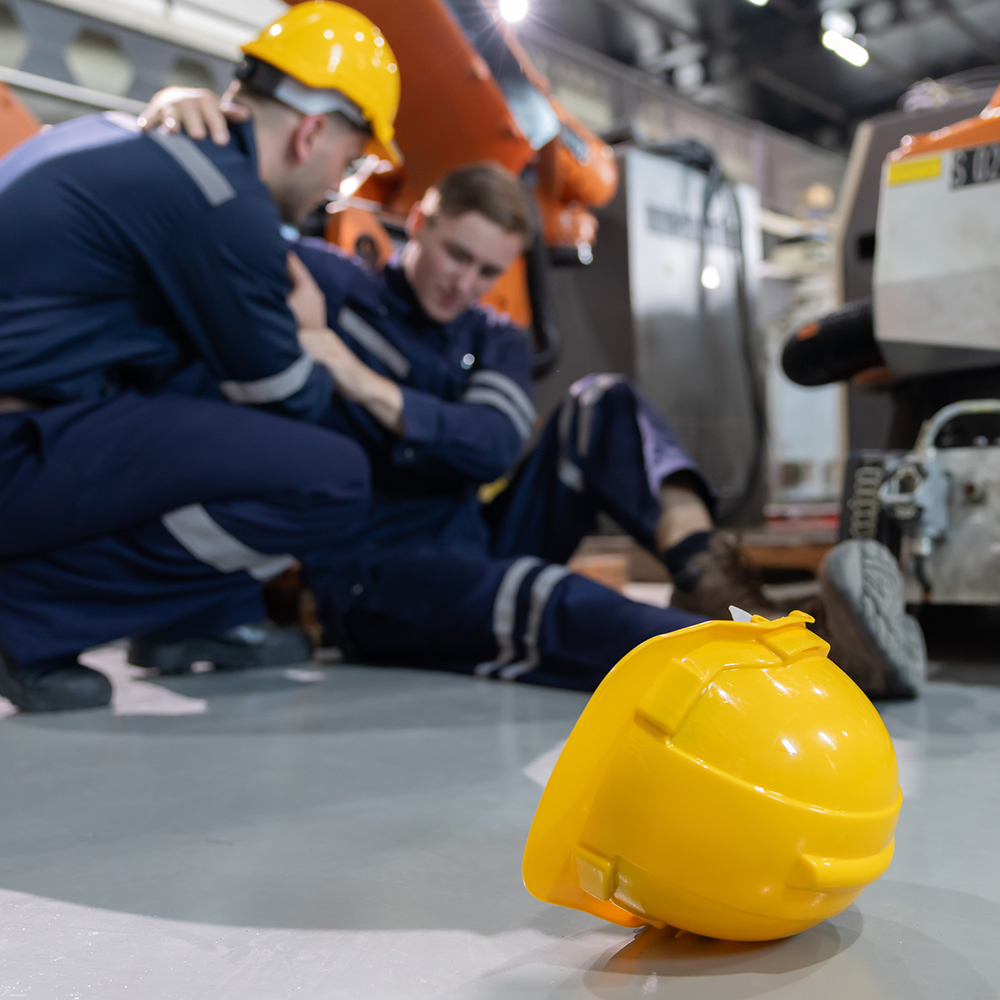
Scenarios may include machinery injuries, fires, chemical splashes, medical emergencies, severe bleeding, gas releases, weather events, and power loss.

Employees should know how to activate alarms, contact emergency personnel, reach eyewash or shower equipment, evacuate safely, and report to assembly areas.

First aid and CPR training can prepare designated workers to respond until professional help arrives.

How EHS Consulting Supports Better Training

Some facilities understand their risks but need help turning findings into a structured program.

Aligning Training With Compliance

EHS safety consulting can help manufacturers review applicable requirements, develop written programs, define training responsibilities, standardize PPE, and build implementation plans.

This prevents training from operating separately from procedures, inspections, and corrective actions.

Supporting Multi-Site Consistency

Manufacturers operating several facilities may struggle with inconsistent course content, records, procedures, and refresher schedules.

A centralized framework can establish common expectations while allowing site-specific instruction for different machinery, chemicals, layouts, and worker roles.

Updating Programs After Change

Consulting support can also help review training after acquisitions, expansions, equipment installations, process modifications, incidents, or regulatory changes.

Training should evolve with the workplace rather than remain unchanged for years.

How to Deliver Training Workers Remember

Effective delivery makes safety information easier to understand and apply.

Combine Multiple Methods

Workers have different learning preferences and experience levels.

A strong program may combine instructor-led discussion, demonstrations, videos, hands-on exercises, written procedures, job aids, toolbox talks, and supervised practice.

Virtual instruction may support knowledge-based topics or multi-site coordination, but practical skills often require in-person demonstration and evaluation.

Use Real Workplace Scenarios

Scenarios should reflect situations workers may actually face.

Instead of discussing lockout/tagout in general terms, the instructor can present a jammed conveyor, hydraulic press, or automated line. Instead of describing chemical spills abstractly, workers can practice locating SDS information and selecting response equipment for materials present at the site.

Scenario-based instruction reveals misunderstandings before a real emergency exposes them.

Keep Sessions Focused

Long courses containing too much unrelated information can reduce retention.

Training should be organized around the employee’s role and broken into manageable subjects. Short reinforcement sessions can be more effective than repeating one large annual presentation.

Train Supervisors to Reinforce Expectations

Supervisors should understand the procedures well enough to observe performance, coach workers, and stop unsafe actions.

Their daily response determines whether employees view training as an operational requirement or a temporary classroom message.

See Our Safety Services!
Workplace Safety

Measuring Training Effectiveness

Attendance records prove participation, not results.

Observe Workplace Performance

Supervisors and safety professionals should watch employees performing the relevant tasks.

Observations can show whether workers use guards, follow isolation steps, inspect PPE, maintain pedestrian awareness, and respond correctly to changing conditions.

The objective should be coaching and improvement, not simply finding reasons to discipline employees.

Monitor Incidents and Near Misses

Compare incident trends before and after targeted training.

A reduction in specific injuries or unsafe behaviors may indicate that the program is working. If problems continue, the facility should determine whether the issue involves weak instruction, poor supervision, unsuitable equipment, unrealistic procedures, or another control failure.

An increase in near-miss reporting may initially be positive if training helps workers recognize and report hazards they previously ignored.

Test Knowledge and Demonstrated Skill

Written quizzes can confirm basic understanding, but practical evaluation is essential for many manufacturing tasks.

Workers should demonstrate procedures and explain why critical steps matter. Instructors can then correct gaps before the employee works independently.

Gather Employee Feedback

Employees should be asked whether the training was clear, relevant, and applicable.

Their feedback may identify missing scenarios, confusing procedures, unsuitable PPE, or operational conditions that make compliance difficult.

Update the Program

Training should change based on observations, incident patterns, worker input, assessment findings, and process changes.

Repeating the same course despite continued incidents is not consistency. It is a sign that the program needs improvement.

Maintaining Training Records

Documentation remains an important part of a complete training program.

Record the Necessary Details

Training records may include:

  • Employee names
  • Training dates
  • Course subjects
  • Instructor information
  • Practical evaluations
  • Equipment or procedures covered
  • Refresher requirements
  • Certification or expiration dates

The required information depends on the applicable standard and company policy.

Track Qualifications

Facilities should know which workers are qualified or authorized for specific work, such as forklift operation, confined space entry, hazardous-energy control, electrical work, emergency response, or first aid.

Supervisors should be able to verify qualifications before assignments are made.

Keep Records Accessible

Records should be organized so safety teams can review completion status, upcoming renewals, overdue requirements, and multi-site performance.

Documentation can support OSHA compliance while also identifying departments where training has fallen behind.

Building a Sustainable Training Program

Safety training should be an ongoing operational system, not a series of isolated events.

Connect Training With Assessments

Assessment findings should shape course priorities and content.

Connect Training With Written Programs

Employees should be trained on the procedures the company actually expects them to follow.

Connect Training With Supervision

Supervisors should reinforce safe behavior during regular work.

Connect Training With Performance Data

Incidents, observations, near misses, and feedback should guide future improvements.

When these elements remain connected, training becomes part of how the facility operates rather than an activity completed only for compliance.

Conclusion

Safety training prevents manufacturing accidents when it prepares workers for the hazards they actually face.

The most effective programs begin with facility-specific assessments, align instruction with current procedures, include practical demonstrations, and verify that workers can perform tasks safely. They also provide reinforcement when equipment, processes, assignments, or workplace conditions change.

Training records remain important, but certificates alone do not create competent workers. Facilities must observe behavior, review incidents, gather employee feedback, and update instruction when results show that gaps remain.

By connecting assessments, consulting, expert-led instruction, worker experience, and continuous measurement, manufacturers can move beyond compliance-only training and build programs that reduce injuries, improve confidence, and strengthen safe performance across every shift.

Request a Safety Assessment

Recent Posts

The Hidden Costs of Poor Workplace Safety

The Hidden Costs of Poor Workplace Safety

ANSI Standards vs. OSHA - Which Applies to Your Workplace
ANSI vs. OSHA: What’s the Difference?

ANSI vs. OSHA: What’s the Difference?

Head Protection Webinar with MSA
When Should You Replace Your Safety Helmet?

When Should You Replace Your Safety Helmet?

Choosing the proper PPE
A Complete Guide to Building a Workplace PPE Program

A Complete Guide to Building a Workplace PPE Program

OSHA's Top 10 Most Frequently Cited Violations and How to Avoid Them
OSHA’s Top 10 Most Frequently Cited Violations and How to Avoid Them

OSHA’s Top 10 Most Frequently Cited Violations and How to Avoid Them

  • Previous ProjectSafety Assessment & Audit Services for Industrial Operations

  • Next ProjectEHS Managed Services for Utilities & Power Companies

CUSTOMER SERVICE

800-523-5367

CONTACT US

Complete the short form below and an Arbill representative will get back to you within 24 hours.
* Required Fields

    ARBILL RESPECTS YOUR PRIVACY AND YOUR INFORMATION: By submitting the form above you agree to receiving emails from Arbill. Your submitted information is NEVER shared. You may unsubscribe at any time via the "unsubscribe" link in our emails. You can view our Privacy Policy HERE.