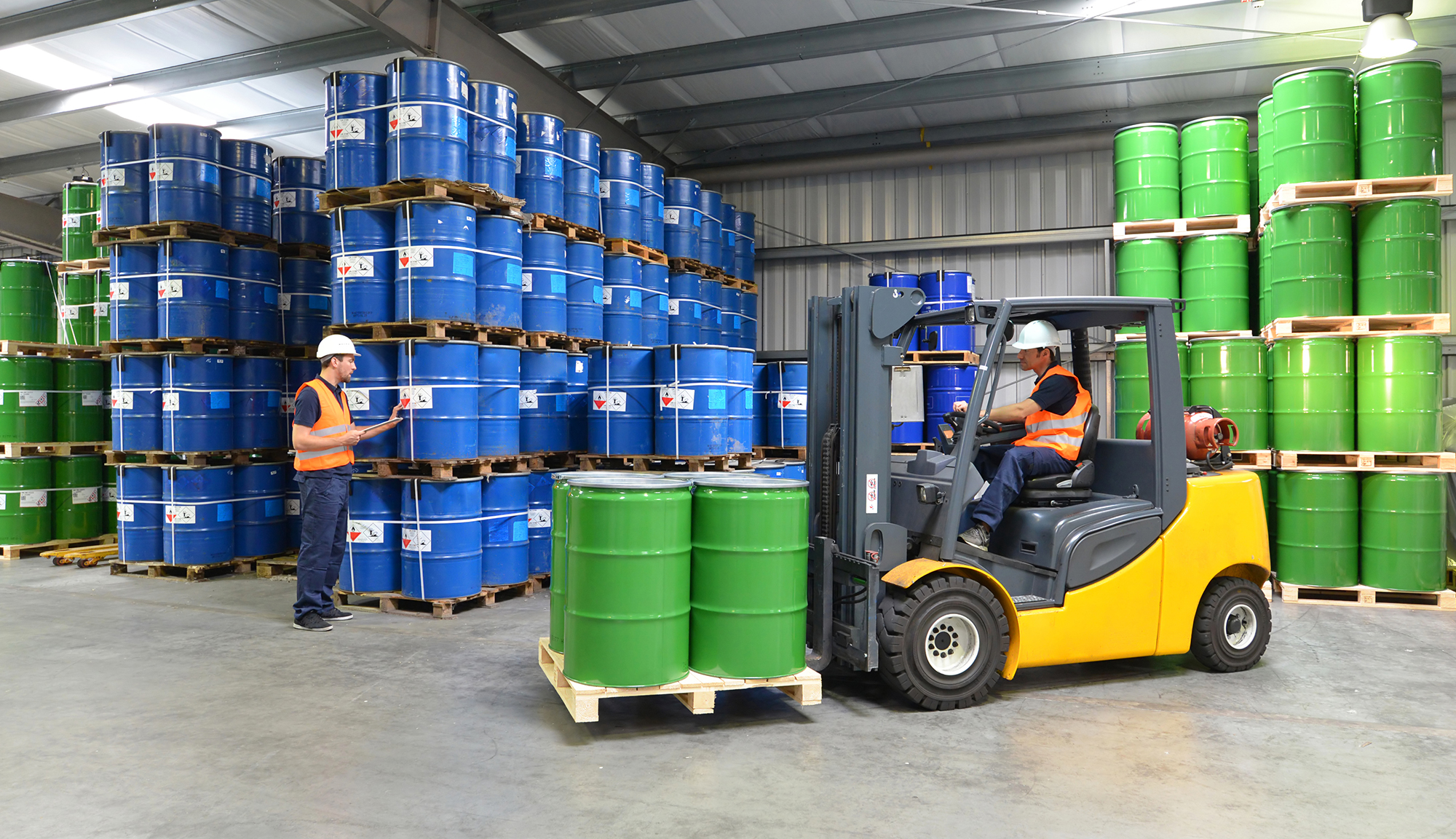
Managing personal protective equipment at one industrial facility can be challenging. Managing it across several plants, warehouses, service yards, distribution centers, laboratories, or field locations creates a much more complex responsibility.

Each site may perform different work, operate different equipment, handle different chemicals, and employ workers with different experience levels. Regional climate, local regulations, staffing patterns, and purchasing practices may also vary.

Without a coordinated PPE program, these differences can create inconsistent protection.

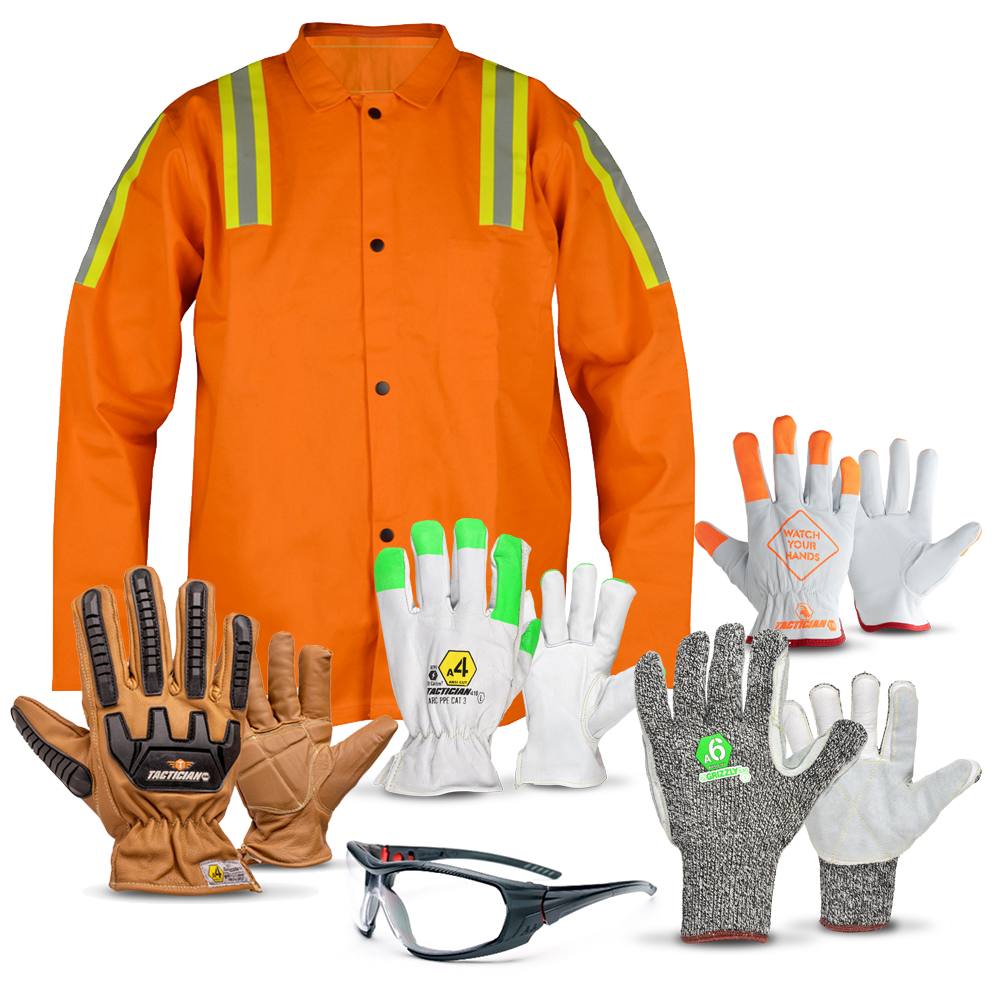
One facility may issue high-quality task-specific gloves while another purchases whatever is available. Respirator models may vary between locations, making fit testing and replacement parts harder to manage. Workers may receive different eye protection for identical hazards. Some sites may keep excessive inventory while others regularly run out of essential equipment.

A multi-site PPE management program creates a consistent protection framework while preserving enough flexibility to address local hazards. It connects hazard assessments, product selection, worker fit, training, inventory control, compliance documentation, replacement, and performance measurement across the entire organization.

For companies managing protection across complex operations, Arbill supports industrial teams with PPE products, vending technology, assessments, training, and program-management solutions built around real workplace risks.

Why Multi-Site PPE Programs Become Inconsistent

PPE programs often develop independently as facilities respond to local needs. Over time, those individual decisions can create unnecessary variation across the organization.

Different Sites Purchase Different Products

Local purchasing teams may select products according to price, supplier availability, employee requests, or previous habits. Even when facilities face similar hazards, they may issue different gloves, safety glasses, respirators, hard hats, or protective clothing.

This variation creates several problems:

  • Workers transferred between sites encounter unfamiliar PPE.
  • Training must cover more products and models.
  • Replacement parts are harder to standardize.
  • Fit-testing programs become more complicated.
  • Purchasing leverage is reduced.
  • Inventory duplication increases.
  • Safety leaders have less visibility into what workers use.

Standardization can simplify the program, but it must begin with hazard assessment rather than product preference.

Local Hazards Are Not Identical

Complete uniformity is not always practical or safe.

A coastal facility may experience corrosion that shortens PPE service life. A chemical-processing location may need splash-resistant garments and specialized gloves. A fabrication plant may require cut, heat, and impact protection. A warehouse may focus more heavily on visibility, foot protection, and material-handling hazards.

The objective is not to issue identical PPE everywhere. It is to establish consistent decision-making standards while allowing justified site-level adaptations.

PPE Decisions Are Poorly Documented

Facilities may know which equipment workers use without maintaining a clear record of why it was selected.

When hazard assessments, product specifications, approvals, and replacement requirements are not documented, the organization may struggle to verify that protection remains appropriate.

This also makes it harder to evaluate proposed product substitutions or respond when a supplier discontinues an item.

Inventory Is Managed Separately

One location may overstock frequently used products while another experiences shortages. Supplies may be locked in central storage, making them difficult to access during nights, weekends, or emergency work.

Without centralized usage data, corporate safety and purchasing teams cannot easily compare consumption, waste, or availability across locations.


Explore Our Solutions!
PPE Program Management for Multi-Site Industrial Operations

Start With a Multi-Site PPE Assessment

A coordinated program begins with understanding the hazards, equipment, products, and work practices at every location.

Evaluate Each Facility Individually

Assessments should cover representative shifts, departments, and work activities. A facility may perform different operations during the day and night, creating different protection requirements.

Reviewers should examine:

  • Tasks performed
  • Machines and tools used
  • Chemicals and materials handled
  • Exposure routes
  • Environmental conditions
  • Existing engineering controls
  • Current PPE
  • Employee fit and comfort
  • Storage and replacement practices
  • Training records
  • Incident and near-miss history

The assessment should document both routine and nonroutine activities, including maintenance, cleaning, spill response, shutdowns, and emergency work.

Identify Common Hazards

Common hazards create opportunities for companywide standards.

Multiple facilities may face similar risks from:

  • Flying particles
  • Sharp materials
  • Chemical splash
  • Noise
  • Falling objects
  • Foot injuries
  • Respiratory contaminants
  • Vehicle traffic
  • Heat or cold
  • Electrical work
  • Elevated tasks

When the exposure is comparable, the organization may be able to establish common product specifications and training requirements.

Separate Site-Specific Risks

Some hazards require local controls.

For example, one facility may handle corrosive chemicals while another performs welding and grinding. A northern field operation may require insulated PPE, while a location in a hot climate needs breathable garments and heat-stress planning.

These differences should be documented as approved site-specific additions to the corporate PPE framework.

Review Existing Products and Practices

Create an inventory of PPE currently used across all sites. Include manufacturer, model, protection rating, application, department, supplier, cost, and replacement frequency where available.

This review often identifies:

  • Duplicate products serving the same purpose
  • Products used without hazard-based justification
  • Inconsistent protection ratings
  • Equipment that workers dislike or avoid
  • Items that are difficult to replace
  • Unapproved substitutions
  • Excess stock
  • Locations with frequent shortages

The findings create a starting point for standardization.

Establish Companywide PPE Standards

A multi-site program should define minimum protection standards that apply throughout the organization.

Organize Standards by Hazard

PPE requirements should be based on exposure rather than job title alone.

Two employees with different titles may face the same chemical splash hazard. Conversely, workers with the same title may perform different tasks at separate locations.

Standards may be organized around:

  • Impact and flying-particle hazards
  • Chemical splash and immersion
  • Cuts and punctures
  • Heat and flame
  • Electrical exposure
  • Respiratory contaminants
  • Noise
  • Falling objects
  • Visibility
  • Falls from elevation
  • Foot and metatarsal hazards

This approach helps ensure that workers receive comparable protection whenever comparable exposure exists.

Define Minimum Product Specifications

Instead of listing only brand names, the program should document the performance requirements a product must meet.

Specifications may include:

  • Impact ratings
  • Cut-resistance levels
  • Chemical compatibility
  • Arc ratings
  • Flame resistance
  • Lens shade
  • Optical requirements
  • Filtration or cartridge type
  • Assigned protection capability
  • Voltage class
  • Noise-reduction rating
  • Slip resistance
  • Harness configuration

Brand and model information can then be connected to the approved specification.

This makes future product evaluations more consistent.

Create an Approved PPE List

An approved product list gives purchasing teams, supervisors, and employees clear direction.

The list should identify:

  • Approved product
  • Intended task or hazard
  • Available sizes
  • Applicable locations
  • Inspection requirements
  • Replacement criteria
  • Compatible accessories
  • Restrictions or limitations

Site-specific products can be included as approved exceptions with documentation explaining why they are necessary.

Establish a Product-Change Process

Sites should not introduce replacement products without review.

A change process should evaluate whether the new product provides equal or better protection, fits workers properly, remains compatible with other equipment, and meets operational needs.

A cheaper glove that wears out faster or reduces dexterity may increase total cost and exposure. A different respirator model may require new fit testing and replacement components.

Product changes should consider safety, usability, training, and lifecycle cost together.

Managing Respiratory Protection Across Locations

Respiratory protection is one of the most complex areas of multi-site PPE management.

Evaluate Hazards by Worksite

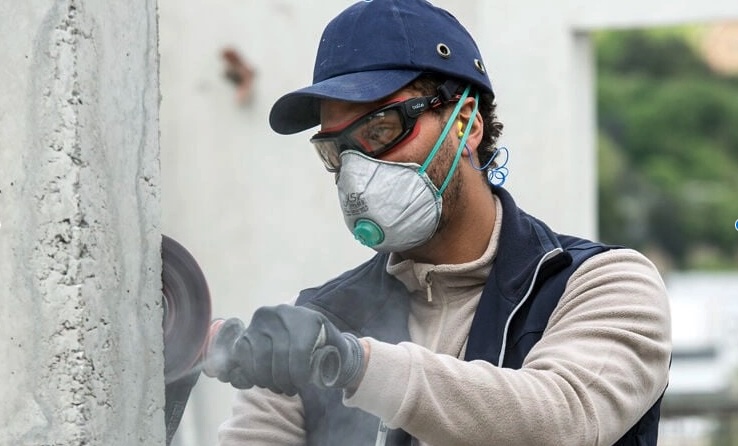
Respirator selection must reflect the contaminant, concentration, physical form, exposure duration, oxygen level, and expected work conditions.

Facilities may encounter:

  • Dust
  • Fumes
  • Mists
  • Vapors
  • Gases
  • Smoke
  • Sprays
  • Silica
  • Welding emissions
  • Chemical processing contaminants

The same respirator should not be applied automatically across all sites without confirming that it is suitable for each exposure.

Standardize Models Where Practical

Using a smaller number of approved respirator families can simplify:

  • Fit testing
  • Employee training
  • Cartridge selection
  • Spare-parts management
  • Cleaning procedures
  • Storage
  • Maintenance
  • Recordkeeping

However, standardization should not reduce protection. Different hazards may require different filters, cartridges, facepieces, supplied-air systems, or escape equipment.

Arbill’s selection of respiratory protection equipment can support facilities managing dust, fumes, gases, vapors, and other airborne hazards across industrial environments.

Coordinate Medical Evaluations and Fit Testing

Employees required to use tight-fitting respirators need appropriate medical evaluations and fit testing before use.

A multi-site system should track:

  • Employee clearance status
  • Respirator make and model
  • Facepiece size
  • Fit-test method
  • Test date
  • Retest schedule
  • Work location
  • Training status

Workers should not be transferred to a different model without confirming that the new facepiece fits properly.

Manage Cartridge and Filter Programs

Cartridge selection and replacement should be controlled through documented procedures.

Color, appearance, or odor should not be the only basis for determining suitability or replacement. Sites need clear instructions about which cartridge applies to each hazard and when it must be changed.

Vending and digital inventory systems can help prevent workers from selecting incompatible replacement components.

As long as people go to work, we have an opportunity to help protect them.

Julie Copeland
Arbill CEO

Julie Copeland Arbill CEO

Eye and Face Protection Management

Industrial operations may expose workers to impact, dust, chemical splash, molten material, radiation, or intense light.

Match Protection to the Exposure

Safety glasses, goggles, and face shields serve different purposes.

Safety glasses may protect against certain impact hazards. Goggles may be necessary when dust or chemical splash could reach the eyes from multiple directions. Face shields provide additional facial coverage but generally should not replace required primary eye protection.

Welding, cutting, brazing, and similar work may require specific filter lenses or shades.

Arbill’s eye and face protection options can help facilities address impact, splash, particulate, optical, and task-specific industrial hazards.

Standardize Approved Models

Using approved eyewear families can improve consistency while giving workers options for fit and comfort.

The program may provide several approved models rather than requiring one design for everyone. Different facial dimensions, prescription needs, and compatibility with respirators or hearing protection should be considered.

Address Prescription Safety Eyewear

Employees who need corrective lenses require safety eyewear that provides both vision correction and appropriate protection.

Wearing ordinary prescription glasses beneath poorly fitting goggles may create discomfort, interfere with other PPE, or reduce compliance.

A coordinated prescription eyewear program can establish approved frames, provider access, eligibility rules, replacement schedules, and centralized reporting.

Monitor Compatibility

Eye and face protection must work with other PPE.

Safety glasses should not disrupt respirator seals. Goggles should fit with hard hats. Face shields should provide adequate clearance for hearing protection and respiratory equipment.

PPE should be evaluated as a complete system rather than one product at a time.

Using PPE Vending Across Multiple Sites

PPE availability is a critical part of program effectiveness.

Place Protection Near the Work

When workers must travel to a storeroom, locate a supervisor, or wait for supplies, they may delay replacement or continue working with damaged PPE.

Point-of-use vending places commonly needed equipment closer to production lines, warehouses, maintenance areas, and field-support locations.

PPE vending solutions can provide controlled access while tracking distribution across employees, departments, shifts, and locations.

Improve Inventory Visibility

A centralized vending program can show:

  • Which products are used most often
  • Where consumption is increasing
  • Which sites approach minimum stock levels
  • How usage differs by shift
  • Whether employees exceed normal issue patterns
  • Which items remain unused
  • Where product substitutions occur

This visibility helps safety and purchasing teams make more informed decisions.

Reduce Stockouts and Excess Inventory

Automated replenishment and minimum-stock controls can reduce emergency purchasing while limiting unnecessary inventory.

Each vending location should still be configured around site-specific hazards. A chemical plant and a warehouse should not contain identical product selections simply because they belong to the same company.

Support Accountability Without Restricting Safety

Usage controls can reduce waste, but limits should not prevent workers from replacing contaminated, damaged, or defective PPE.

The program should allow supervisors or safety personnel to authorize additional equipment when the work requires it.

Accountability should improve access and planning—not discourage necessary replacement.

Training Workers Across Multiple Locations

Standardized PPE is only effective when employees understand how and why to use it.

Provide Core Companywide Training

Core instruction can cover:

  • The purpose of PPE
  • Hazard-assessment principles
  • Employee responsibilities
  • Inspection requirements
  • Proper fit
  • Storage and sanitation
  • Reporting damaged equipment
  • Replacement procedures
  • Program contacts

This creates a shared understanding across the organization.

Add Site- and Task-Specific Instruction

Each location should supplement core training with information about its hazards, products, and work practices.

A worker should know exactly which glove is required for a task, which cartridge applies to a contaminant, where replacement eyewear is located, and what to do when approved equipment is unavailable.

Include Hands-On Demonstration

Workers should demonstrate that they can:

  • Inspect PPE
  • Put it on correctly
  • Adjust it for proper fit
  • Identify damage
  • Perform required respirator seal checks
  • Remove contaminated equipment safely
  • Clean and store reusable items
  • Request replacements

Practical demonstration is especially important for respirators, fall protection, chemical garments, and complex protective systems.

Train Local Safety Leaders

Each site should have employees or supervisors who understand the corporate program and local adaptations.

These leaders can answer questions, monitor compliance, coordinate replacements, and communicate emerging needs to central safety teams.

See Our Safety Services!
PPE Products

Balancing Standardization With Site Flexibility

A strong multi-site PPE program avoids two extremes.

Too Little Standardization

When every facility makes independent decisions, the company may experience inconsistent protection, duplicate inventory, fragmented training, and limited purchasing visibility.

Too Much Standardization

When corporate teams require identical products everywhere, local hazards and worker needs may be overlooked.

A glove appropriate for dry assembly work may not suit an oily fabrication environment. A lightweight garment used indoors may not protect field crews in severe weather.

Use a Core-and-Exception Model

A practical structure includes:

  1. Corporate minimum standards
  2. Approved companywide products
  3. Documented site-specific additions
  4. A formal exception and review process
  5. Periodic performance evaluation

This maintains consistency without forcing unsafe uniformity.

Tracking PPE Performance

Program success should be measured through more than purchase volume.

Review Consumption Data

Unusual usage patterns can reveal problems.

A sudden increase in safety-glass distribution may indicate product breakage, poor storage, or a new hazard. High glove consumption may point to incorrect selection, premature failure, or process damage.

Data should trigger questions rather than automatic restrictions.

Monitor Injuries and Near Misses

Review whether incidents involve:

  • Wrong PPE
  • Missing PPE
  • Poor fit
  • Damaged equipment
  • Unavailable supplies
  • Inadequate training
  • Product limitations
  • Failure to replace equipment

These findings should guide product and program updates.

Conduct Worker Evaluations

Employees can provide important feedback about comfort, visibility, dexterity, heat, weight, compatibility, and durability.

A product may meet technical requirements but still fail in practice because workers cannot perform the task effectively while wearing it.

Audit Site Compliance

Periodic audits should verify:

  • Approved products are being used
  • Site exceptions remain justified
  • Inventory is available
  • Training is current
  • Respirator records are complete
  • Hazard assessments remain accurate
  • Damaged equipment is removed
  • Vending configurations match site needs

Fresh assessments should follow significant changes in processes, equipment, materials, or exposure.

Why Companies Should Pay Attention to PPE Programs

PPE management affects more than regulatory compliance.

A poorly managed program can contribute to injuries, downtime, inconsistent employee experience, unnecessary purchasing, and weak safety culture. Workers notice when equipment is difficult to obtain, uncomfortable, unsuitable, or treated differently between locations.

Arbill’s article on the top reasons companies should pay attention to PPE explains how protection programs can affect worker safety, productivity, compliance, morale, and operating costs.

A well-managed program demonstrates that protection is part of the organization’s operating system rather than a collection of products.

Common Multi-Site PPE Management Gaps

Several issues repeatedly weaken multi-location programs.

Products Are Selected by Price Alone

Purchase price does not reflect durability, performance, employee acceptance, or replacement frequency.

Hazard Assessments Are Inconsistent

Some locations maintain detailed assessments while others rely on informal knowledge.

Workers Use Unapproved Substitutions

Stock shortages or local purchasing may introduce products that have not been evaluated.

Fit and Sizing Are Limited

Employees may receive technically compliant PPE that does not fit them properly.

Training Does Not Match the Product

Workers are trained generally but not on the specific equipment issued at their site.

Respirator Records Are Fragmented

Medical evaluations, fit tests, models, sizes, and training records may be stored in separate local systems.

Inventory Data Is Unavailable

Corporate teams cannot compare use, stock levels, or cost across locations.

Local Exceptions Are Not Documented

Facilities use different PPE without a record explaining the hazard or approval.

Building a Multi-Site PPE Management Framework

A practical implementation can follow a structured sequence.

Assess Every Location

Document common and site-specific hazards, products, practices, and program gaps.

Define Corporate Standards

Establish hazard-based minimum requirements and performance specifications.

Consolidate Approved Products

Reduce unnecessary duplication while preserving options for fit and task requirements.

Document Site Adaptations

Record local products, hazards, and reasons for deviation from the core standard.

Improve Distribution

Use vending, point-of-use storage, or other controlled systems to keep equipment accessible.

Standardize Training

Deliver consistent core content and add location-specific modules.

Centralize Records and Data

Track hazard assessments, products, fit tests, training, inventory, and performance.

Review Results

Use incidents, near misses, audits, worker feedback, and consumption data to improve the program continuously.

Conclusion

PPE program management for multi-site industrial operations requires consistency without ignoring local risk.

Organizations should establish companywide standards based on hazard exposure, approved specifications, fit, compatibility, and worker needs. Individual facilities should then apply documented adaptations for their materials, equipment, climate, regulations, and operating conditions.

A strong program connects assessments, approved products, respiratory protection, eye and face protection, training, vending, documentation, and performance data.

Standardization can reduce confusion, simplify purchasing, improve training, and strengthen compliance. Site-level flexibility ensures that workers still receive protection matched to the hazards they actually face.

When PPE decisions are coordinated across the organization, safety teams gain better visibility, workers receive more consistent protection, and every location becomes part of one measurable safety system.

Request a Safety Assessment

Recent Posts

The Hidden Costs of Poor Workplace Safety

The Hidden Costs of Poor Workplace Safety

ANSI Standards vs. OSHA - Which Applies to Your Workplace
ANSI vs. OSHA: What’s the Difference?

ANSI vs. OSHA: What’s the Difference?

Head Protection Webinar with MSA
When Should You Replace Your Safety Helmet?

When Should You Replace Your Safety Helmet?

Choosing the proper PPE
A Complete Guide to Building a Workplace PPE Program

A Complete Guide to Building a Workplace PPE Program

OSHA's Top 10 Most Frequently Cited Violations and How to Avoid Them
OSHA’s Top 10 Most Frequently Cited Violations and How to Avoid Them

OSHA’s Top 10 Most Frequently Cited Violations and How to Avoid Them

  • Previous ProjectSmartCompliance Cabinet Solutions for Industrial Facilities

  • Next ProjectSafety Assessment & Audit Services for Industrial Operations

CUSTOMER SERVICE

800-523-5367

CONTACT US

Complete the short form below and an Arbill representative will get back to you within 24 hours.
* Required Fields

    ARBILL RESPECTS YOUR PRIVACY AND YOUR INFORMATION: By submitting the form above you agree to receiving emails from Arbill. Your submitted information is NEVER shared. You may unsubscribe at any time via the "unsubscribe" link in our emails. You can view our Privacy Policy HERE.