A safety helmet may look serviceable while no longer providing the protection its wearer expects.

Industrial head protection is exposed to sunlight, temperature changes, chemicals, dirt, vibration, repeated handling, and everyday impacts. These conditions can gradually weaken the shell, suspension, chin strap, and attachment points. Damage may be obvious, such as a crack or deep gouge, but deterioration can also develop without a dramatic visible change.

That makes replacement more complicated than checking whether the helmet still looks clean.

There is no single expiration schedule that applies to every safety helmet. The correct replacement decision depends on the manufacturer’s instructions, the helmet model, its date of manufacture or first use, its exposure history, and the results of regular inspections.

For employers managing industrial head protection, Arbill provides PPE, safety assessments, training, and program support built around workplace hazards and real operating conditions.

Do Safety Helmets Have an Expiration Date?

Safety helmets have limited service lives, but they do not all share one universal expiration date.

OSHA Does Not Set a Five-Year Rule

OSHA’s head protection standard requires employers to provide compliant protective helmets when workers face potential head injury from falling objects. Electrical protective helmets are also required when employees work near exposed conductors that could contact the head.

The regulation does not state that every helmet shell must be replaced after exactly five years or every suspension after exactly one year. OSHA requires appropriate, compliant equipment and prohibits continued use of defective or damaged PPE.

Replacement intervals are generally established by the manufacturer based on the helmet’s materials, design, testing, intended use, and expected service conditions.

ANSI Classification Is Not an Expiration Schedule

ANSI Z89.1 establishes performance and testing criteria for industrial head protection, including impact and electrical classifications. It does not create one replacement date for every compliant helmet.

A helmet’s Type and Class describe the protection it was designed and tested to provide—not how long every individual helmet will remain serviceable in every environment.

Employers should therefore follow the instructions supplied with the specific make and model.

Manufacturer Recommendations Differ

Some manufacturers recommend replacing a shell after a maximum number of years and replacing the suspension more frequently. For example, MSA recommends replacing certain helmet suspensions after no more than 12 months of use and certain shells after no more than five years of use. Those limits are manufacturer- and product-specific, not universal OSHA deadlines.

Other manufacturers may recommend shorter service periods in environments involving intense sunlight, high heat, temperature extremes, or chemical exposure.

The manufacturer’s instructions should always control the planned replacement schedule.

Replace a Helmet Immediately After a Significant Impact

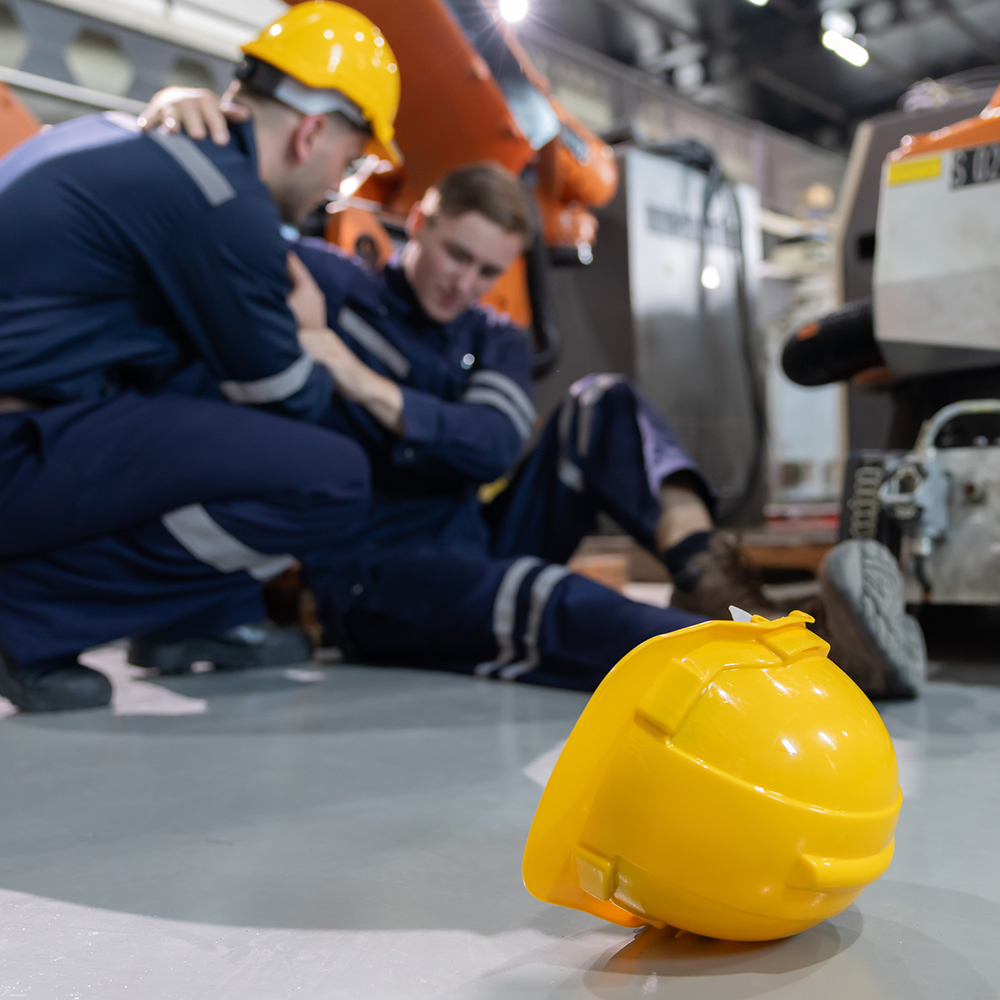
A helmet that has absorbed a forceful blow should normally be removed from service even when no damage is visible.

Hidden Damage May Remain Inside the Shell

Safety helmets work by absorbing and distributing impact energy. A significant strike can produce internal stress or microscopic damage that is difficult to detect during an ordinary visual inspection.

The helmet may look unchanged while its ability to perform during another impact has been reduced.

Manufacturers commonly advise replacing both the shell and suspension after a significant impact. Bullard, for example, recommends immediate replacement when a hard hat receives a forceful blow, even when visible damage is absent.

Do Not Reissue an Impacted Helmet

A helmet involved in a falling-object incident, serious collision, or other high-energy event should not be placed back into general inventory.

Mark it as unusable and dispose of it according to the manufacturer’s instructions and the organization’s PPE procedures. Keeping damaged equipment near usable stock creates a risk that someone else will wear it.

Review the Incident

Replacing the helmet addresses the immediate equipment concern, but the employer should also investigate why the impact occurred.

The review may identify problems involving overhead storage, dropped-object controls, equipment movement, barriers, work sequencing, housekeeping, or employee positioning.

Head protection reduces injury severity. It should not become a substitute for controlling the source of the hazard.

Explore Our Solutions!
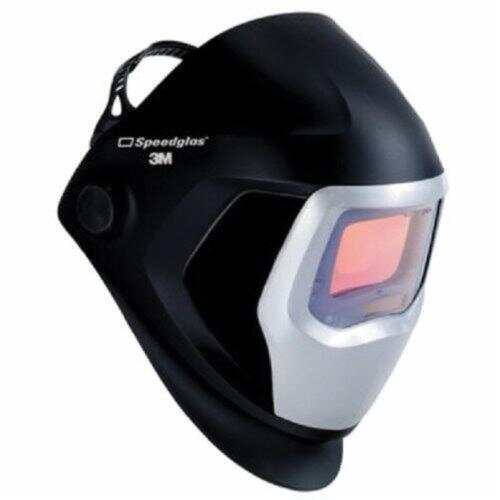
Head Protection

Visible Signs That Require Replacement

A planned replacement date is the maximum service period under acceptable conditions. Damage can end a helmet’s service life much sooner.

Cracks, Cuts, Holes, and Deep Gouges

Remove the helmet from service if the shell contains cracks, perforations, deep scratches, cuts, or significant gouges.

Drilling ventilation holes or adding unauthorized fasteners can also weaken the shell and invalidate the protection expected from the original design.

Employees should not attempt to repair shell damage with glue, tape, heat, filler, or other improvised methods.

Dents and Deformation

A dented, warped, flattened, or misshapen shell may not distribute impact energy as designed.

Deformation may result from impact, improper storage, or exposure to high temperatures. A helmet left on a vehicle dashboard or inside a hot trunk can experience temperatures that affect its shape and material properties.

A deformed helmet should be replaced rather than reshaped and returned to use.

Fading, Chalking, or Loss of Gloss

Substantial fading can indicate extended ultraviolet exposure. A chalky surface, flaking material, or loss of surface gloss may signal deterioration of the shell.

OSHA’s PPE guidance specifically identifies flaking, chalking, and loss of surface gloss as signs workers should be trained to recognize during head protection inspections.

These conditions deserve particular attention among outdoor construction, utility, transportation, oil and gas, and industrial field crews.

Brittleness or Unusual Softness

A shell that feels unusually brittle, rigid, soft, or flexible should be removed from service.

Some manufacturers describe a gentle elasticity comparison that can help identify degraded polyethylene shells. This should only be performed when recommended by the manufacturer. Employees should never apply enough force to damage an otherwise serviceable helmet.

Inspect the Suspension Separately

The shell and suspension perform different functions and may have different replacement schedules.

Why Suspension Condition Matters

The suspension maintains space between the shell and the wearer’s head. It helps position the helmet and contributes to impact-energy management.

A strong-looking shell does not provide complete protection when the suspension is stretched, torn, incorrectly installed, or detached.

Warning Signs in the Suspension

Replace the suspension when straps are frayed, cut, torn, stretched, stiff, contaminated, or unable to maintain adjustment. Broken attachment clips, damaged headbands, and defective ratchets also require attention.

OSHA advises employees to identify cracked, torn, frayed, or otherwise deteriorated suspension systems during routine inspections.

Use only a suspension approved by the helmet manufacturer for that particular model. Components from another brand or helmet family may appear to fit without maintaining the tested protective configuration.

Do Not Mix Old and New Components Carelessly

Replacing the suspension does not automatically extend the shell beyond its permitted service life. Likewise, installing a new shell over a worn suspension does not create a complete protective system.

The shell, suspension, chin strap, and accessories should be inspected and managed as one manufacturer-approved assembly.

Check the Manufacturing Date Correctly

Most industrial safety helmets include a molded manufacturing date code inside the shell.

What the Date Code Means

The code typically identifies the month and year the shell was manufactured. It may resemble a clock face, with an arrow indicating the month and numbers indicating the year.

This is usually a manufacturing date, not necessarily a printed expiration date.

The employer must consult the manufacturer’s guidance to determine whether the recommended service period begins on the manufacturing date, issue date, or first-use date.

Record the First-Use Date

When service life is based on first use, the issue date should be recorded through a label, asset-management system, PPE record, or another approved tracking method.

Do not write on or attach materials to the shell unless the manufacturer confirms that the marking method is acceptable.

The tracking record can include the manufacturer, model, Type, Class, manufacturing date, issue date, assigned employee, inspection history, and scheduled replacement date.

Do Not Rely Only on Age

A relatively new helmet can require immediate replacement after impact, chemical exposure, heat damage, or physical modification.

An older helmet should not remain in service simply because it looks acceptable if it has reached the manufacturer’s maximum service limit.

Age and condition must be considered together.

As long as people go to work, we have an opportunity to help protect them.

Julie Copeland
Arbill CEO

Julie Copeland Arbill CEO

Environmental Conditions Can Shorten Service Life

Manufacturer replacement periods commonly assume normal use and proper storage. Harsh environments may require earlier replacement.

Ultraviolet Exposure

Workers who spend most of the day outdoors may expose their helmets to years of cumulative sunlight. UV radiation can degrade certain shell materials and contribute to fading, brittleness, and surface deterioration.

Outdoor helmets should receive particularly careful and frequent inspections.

Heat and Cold

Extreme temperatures can affect helmet materials and suspension components.

Do not store helmets on vehicle dashboards, near furnaces, beside process equipment, or in other high-heat areas. Cold conditions may also affect flexibility and increase brittleness in some materials.

Facilities should verify that the selected helmet is appropriate for the expected temperature range.

Chemical Exposure

Solvents, petroleum products, cleaning chemicals, paints, adhesives, and process substances may affect helmet materials.

MSA warns against using paint thinner, MEK, gasoline, kerosene, and similar hydrocarbon-based cleaners because they can cause damage that may not be visible.

If a helmet is splashed or contaminated, consult the manufacturer before cleaning or returning it to service. Replacement may be necessary when the chemical’s compatibility is uncertain.

Dirt, Dust, and Moisture

Heavy contamination can hide cracks or deterioration. Regular cleaning makes inspection more reliable.

Use only cleaning methods approved by the manufacturer. Harsh detergents, abrasive tools, solvents, and unauthorized disinfectants may damage the shell or suspension.

Be Careful With Paint, Stickers, and Accessories

Personalizing head protection can affect inspection and material integrity.

Paint May Contain Harmful Solvents

Do not paint a helmet unless the manufacturer specifically permits it and identifies acceptable products.

Paint can conceal cracks, fading, or impact damage. Certain solvents may also weaken the shell.

Stickers Can Hide Damage

A limited number of manufacturer-approved stickers may be acceptable on some models, but extensive coverage can prevent effective inspection.

Adhesive compatibility should be confirmed. Employees should not cover the shell with large decals, tape, or labels that hide the surface.

Use Approved Accessories

Lights, face shields, hearing protectors, chin straps, winter liners, and other accessories should be approved for the helmet model.

Drilling, cutting, or modifying the shell to install accessories can create weak points and compromise the original certification.

The selection of appropriate accessories and replacement head protection is available through Arbill’s head protection products, including industrial helmet and hard hat options for varied work environments.

Safety Helmet or Traditional Hard Hat?

The terms are often used interchangeably, but employers may be choosing between different styles and protection capabilities.

Type I and Type II Protection

Type I helmets are tested primarily for impact to the top of the head. Type II helmets are tested for top and lateral impact performance.

The correct choice depends on the hazard assessment. Work involving lateral impacts, slips, vehicle activity, climbing, or complex industrial environments may lead an employer to evaluate Type II protection.

The Type does not determine the replacement interval. Manufacturer instructions still apply.

Electrical Classes

Class G, E, and C classifications address different levels of electrical protection. Class C helmets do not provide the electrical insulation associated with Class G or Class E models.

Employers must select head protection based on both impact and electrical hazards. OSHA requires helmets designed to reduce electrical shock hazards where employees work near exposed conductors that could contact the head.

Chin Straps and Retention

Some safety helmets include chin straps or enhanced retention systems to help the helmet remain in place during climbing, movement, falls, or rescue work.

Chin straps should be inspected for wear, contamination, damaged stitching, and defective buckles. Replacement should follow the manufacturer’s schedule and instructions.

Build a Formal Inspection Schedule

Employees should inspect their helmets before use, while employers should establish periodic documented program reviews.

Before-Use Inspection

Before each shift or use, examine the shell, brim, suspension, adjustment system, attachment points, chin strap, and approved accessories.

The helmet should be clean enough to inspect properly. Employees should report impacts, chemical contact, high-heat exposure, drops from significant height, and other unusual events.

OSHA guidance states that helmets and suspension systems should be inspected regularly and replaced promptly when damaged.

Supervisor and Program Audits

Supervisors can reinforce daily inspection by conducting periodic reviews. A broader program audit can verify that date codes are readable, issue records are current, planned replacements are completed, and unauthorized modifications are not present.

Arbill’s EHS safety assessments can help organizations review PPE selection, condition, documentation, employee use, and broader workplace compliance.

Train Employees to Make the Decision

Employees need more than a rule stating that helmets must be worn. They should understand how the helmet protects them, its limitations, how to adjust it, which signs require replacement, and how to obtain a new one.

EHS safety training can support PPE education alongside fall protection, electrical safety, hazard recognition, emergency response, and other industrial safety topics.

Workers should be encouraged to report questionable equipment. When there is reasonable doubt about a helmet’s integrity, replacing it is generally safer than continuing to rely on uncertain protection.

Store Safety Helmets Properly

Storage conditions affect the helmet even when it is not being worn.

Keep helmets in a clean, dry area away from direct sunlight, high heat, chemicals, and heavy objects. Do not store them where they can be crushed, warped, or contaminated.

Avoid leaving head protection in vehicle windows, trunks, or other enclosed areas with extreme temperature changes. Use designated shelves, lockers, bags, or racks that do not deform the shell or suspension.

Do not use a helmet as a seat, container, tool carrier, or support surface.

Proper storage cannot reverse damage, but it can help prevent avoidable deterioration before the manufacturer’s recommended replacement date.

See Our Safety Services!
Head Protection Webinar with MSA

Create a Replacement Policy Without Oversimplifying It

A strong head protection policy should combine time-based and condition-based replacement.

Follow Manufacturer Limits

Document the maximum service life for every approved helmet and suspension model.

Do not create one corporate five-year rule unless it is compatible with the instructions for every product included in the program.

Replace Earlier When Conditions Require It

The policy should require immediate removal after significant impact, visible damage, unauthorized modification, chemical attack, deformation, or failed inspection.

It should also allow the safety team to establish shorter planned intervals for outdoor crews or other harsh environments.

Make Replacements Easy to Obtain

Employees may continue wearing questionable helmets when replacement requires lengthy approvals or a trip to a distant storeroom.

Keep approved replacements available and create a simple process for exchanging equipment. Workers should not be discouraged from reporting damage because they fear being blamed for the cost.

Dispose of Retired Helmets Securely

Retired helmets should be marked or destroyed so they cannot be retrieved and reused.

Remove identifying information where appropriate, separate components when required, and follow local disposal or recycling guidance.

Common Safety Helmet Replacement Mistakes

One frequent mistake is treating the manufacturing date as a universal expiration date without reading the manufacturer’s instructions. Another is assuming that every shell can remain in service for five years regardless of outdoor exposure, chemicals, impacts, or heat.

Facilities may replace the shell while leaving a deteriorated suspension in use. They may also permit paint, incompatible accessories, or extensive stickers that make inspection unreliable.

The most serious mistake is waiting for obvious failure. A helmet should be replaced when its condition or history creates uncertainty—not after it breaks during an incident.

Conclusion

A safety helmet should be replaced whenever it has absorbed a significant impact, shows physical deterioration, contains a damaged suspension, has been exposed to incompatible chemicals or extreme heat, or reaches the manufacturer’s maximum recommended service life.

There is no universal OSHA rule stating that every helmet expires after five years. OSHA requires suitable, compliant, and undamaged protection, while manufacturers establish product-specific inspection and replacement instructions.

Employers should check manufacturing and issue dates, inspect helmets before use, document replacement schedules, account for environmental exposure, and make replacement equipment readily available.

Workers should understand that a helmet’s appearance alone does not determine whether it remains safe. Impact history, storage, sunlight, chemicals, heat, condition, and manufacturer guidance all matter.

A well-managed head protection program removes questionable equipment before it is tested by another falling object, electrical hazard, or workplace incident.

Request a Safety Assessment

Recent Posts

The Hidden Costs of Poor Workplace Safety

The Hidden Costs of Poor Workplace Safety

ANSI Standards vs. OSHA - Which Applies to Your Workplace
ANSI vs. OSHA: What’s the Difference?

ANSI vs. OSHA: What’s the Difference?

Head Protection Webinar with MSA
When Should You Replace Your Safety Helmet?

When Should You Replace Your Safety Helmet?

Choosing the proper PPE
A Complete Guide to Building a Workplace PPE Program

A Complete Guide to Building a Workplace PPE Program

OSHA's Top 10 Most Frequently Cited Violations and How to Avoid Them
OSHA’s Top 10 Most Frequently Cited Violations and How to Avoid Them

OSHA’s Top 10 Most Frequently Cited Violations and How to Avoid Them

  • Previous ProjectANSI vs. OSHA: What's the Difference?

  • Next ProjectA Complete Guide to Building a Workplace PPE Program

CUSTOMER SERVICE

800-523-5367

CONTACT US

Complete the short form below and an Arbill representative will get back to you within 24 hours.
* Required Fields

    ARBILL RESPECTS YOUR PRIVACY AND YOUR INFORMATION: By submitting the form above you agree to receiving emails from Arbill. Your submitted information is NEVER shared. You may unsubscribe at any time via the "unsubscribe" link in our emails. You can view our Privacy Policy HERE.