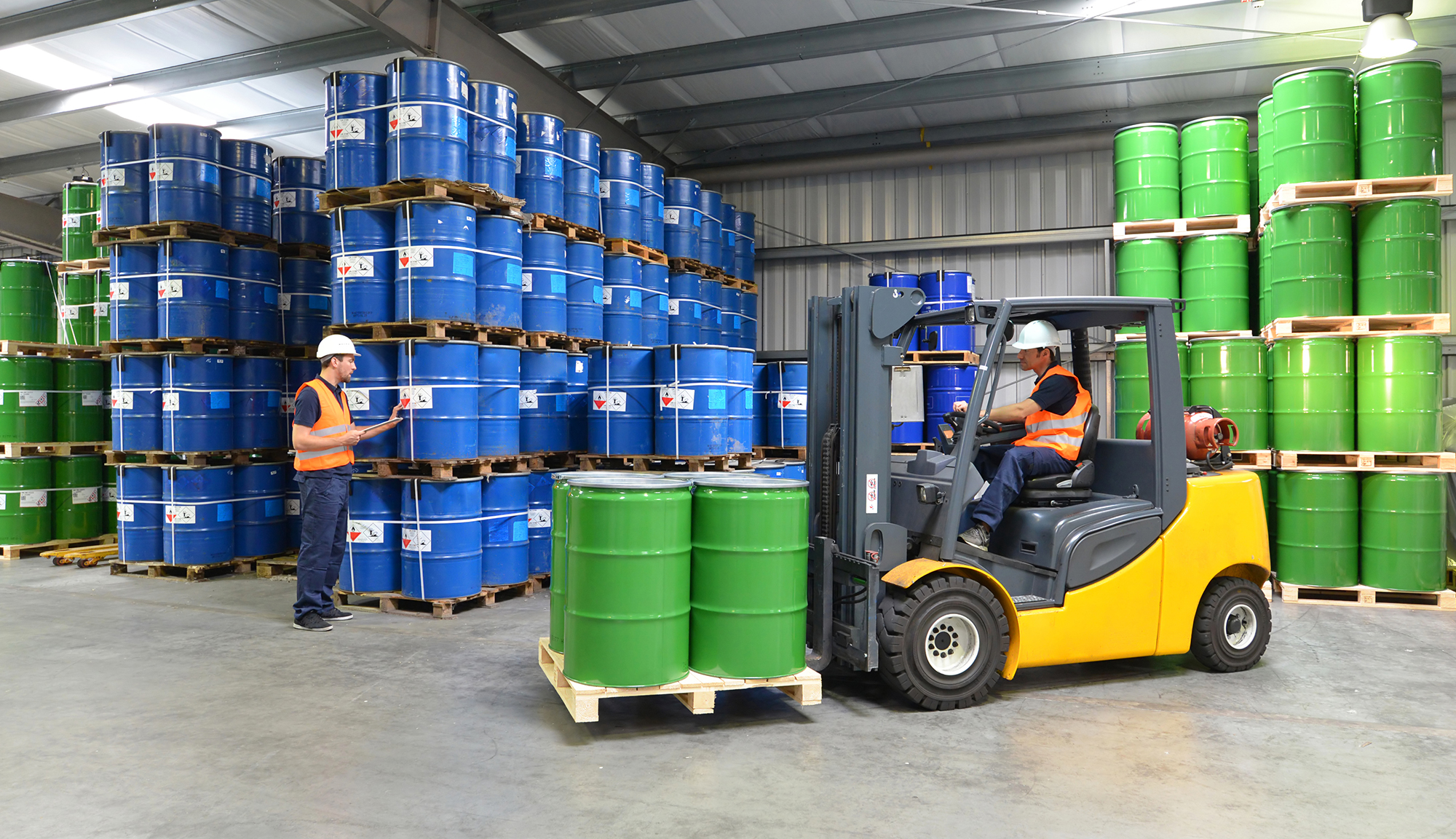
Selecting personal protective equipment should never begin with a product catalog.
Before deciding which gloves, safety glasses, helmets, respirators, footwear, or protective clothing employees need, an organization must understand the hazards workers actually encounter and determine whether those hazards can first be eliminated or reduced through stronger controls.
That is the purpose of a PPE hazard assessment.
A properly completed assessment connects individual tasks with specific exposures and identifies the protection employees need when engineering and work-practice controls cannot fully eliminate the risk. It also creates a documented basis for PPE selection rather than relying on habit, price, job title, or assumptions about what workers need.
For organizations evaluating workplace risks, Arbill provides EHS assessments, safety training, PPE, and program support designed around actual industrial working conditions.
What Is a PPE Hazard Assessment?
A PPE hazard assessment is a systematic review of workplace tasks and conditions used to determine whether hazards are present—or are likely to be present—that require personal protective equipment.
The Assessment Comes Before PPE Selection
OSHA requires employers to assess the workplace before selecting PPE. The process should identify potential hazards and determine which employees may be exposed.
If hazards requiring PPE are identified, employers must select equipment that protects affected workers, communicate the selection decisions, and ensure that the equipment properly fits each employee.
This sequence matters.
Purchasing PPE first and trying to assign it later can result in equipment that does not match the hazard or working conditions.
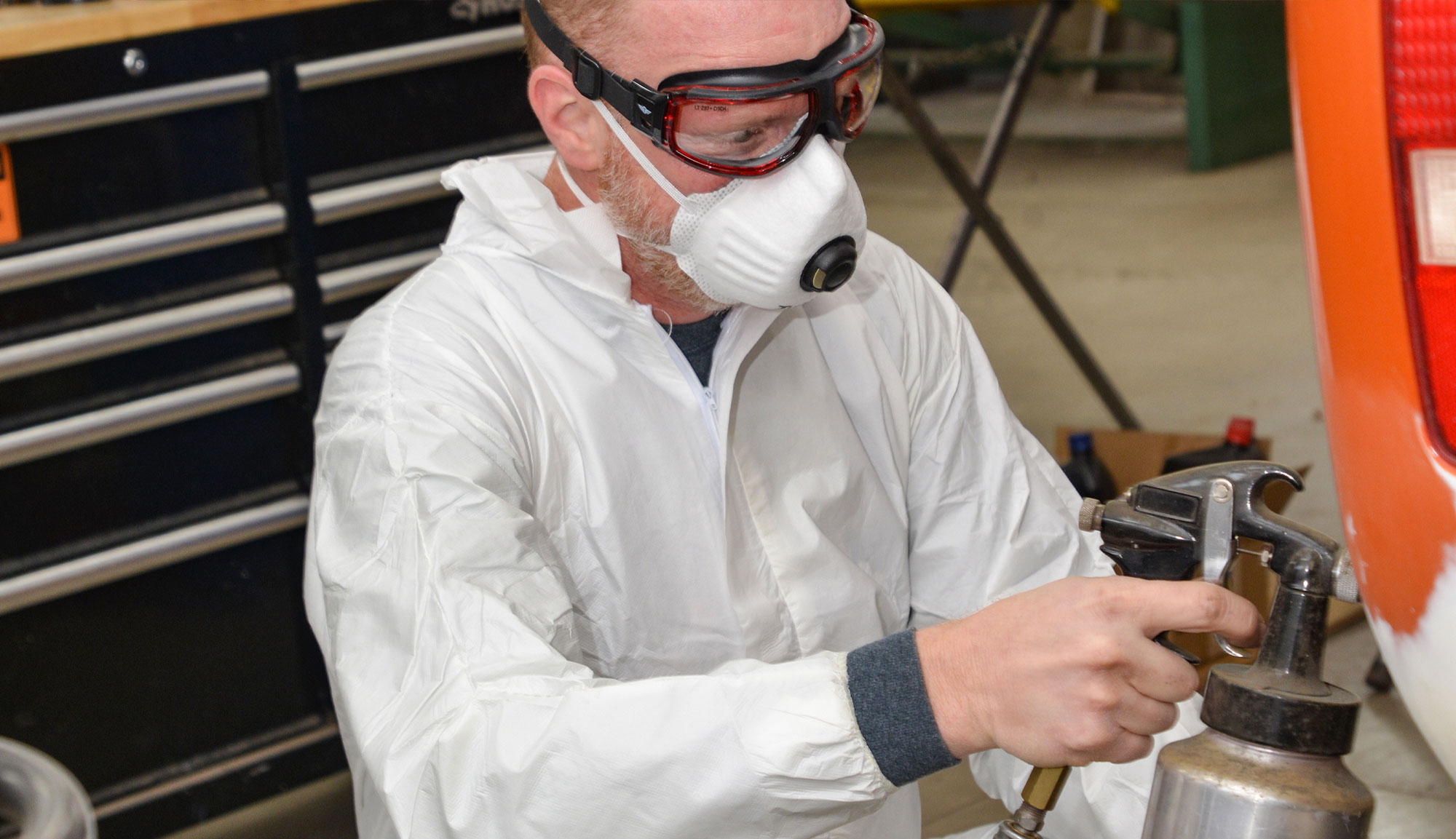
A facility may purchase general-purpose gloves, for example, only to discover that workers actually need protection against chemicals, sharp metal, heat, punctures, or electrical exposure. Each hazard requires different performance characteristics.
PPE Should Not Replace Stronger Controls
Personal protective equipment is an important layer of protection, but it should not automatically become the first solution.
Employers should first evaluate whether hazards can be eliminated or reduced through engineering controls and safer work practices. OSHA specifically advises employers to implement feasible engineering and work-practice controls before using PPE for the remaining exposure.
Machine guarding, ventilation, enclosure, automation, isolation, substitution, or changes in work methods may provide more dependable protection because they do not rely entirely on individual worker behavior.
PPE protects against the exposure that remains.
Step 1: Define the Scope of the Assessment
Before beginning a walkthrough, decide what the assessment will cover.
Evaluate Tasks Rather Than Job Titles
One of the most important principles is to assess the work being performed rather than assigning PPE according to job title alone.
A maintenance technician may perform electrical troubleshooting in the morning, grind metal after lunch, transfer chemicals later in the day, and enter a confined space during a shutdown.
Those activities do not have the same hazards.
Two employees with the same title can also face completely different exposures when they work in different departments or facilities.
A task-based approach provides much more accurate results.
Include Routine and Non-Routine Work
Routine production represents only part of workplace exposure.
The assessment should also consider maintenance, cleaning, equipment setup, material changes, shutdowns, spill response, emergency work, contractor activities, and infrequent operations.
These tasks often create greater risk because safeguards used during normal production may be removed or changed.
For example, a closed process may create minimal chemical exposure during normal operation while producing significant vapor or splash hazards during cleaning.
Cover Every Relevant Work Area
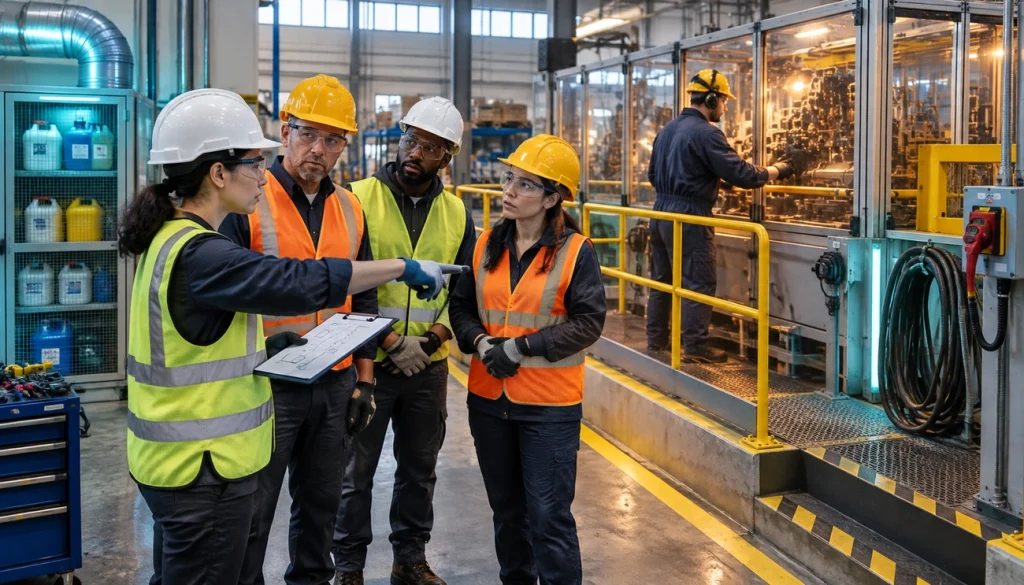
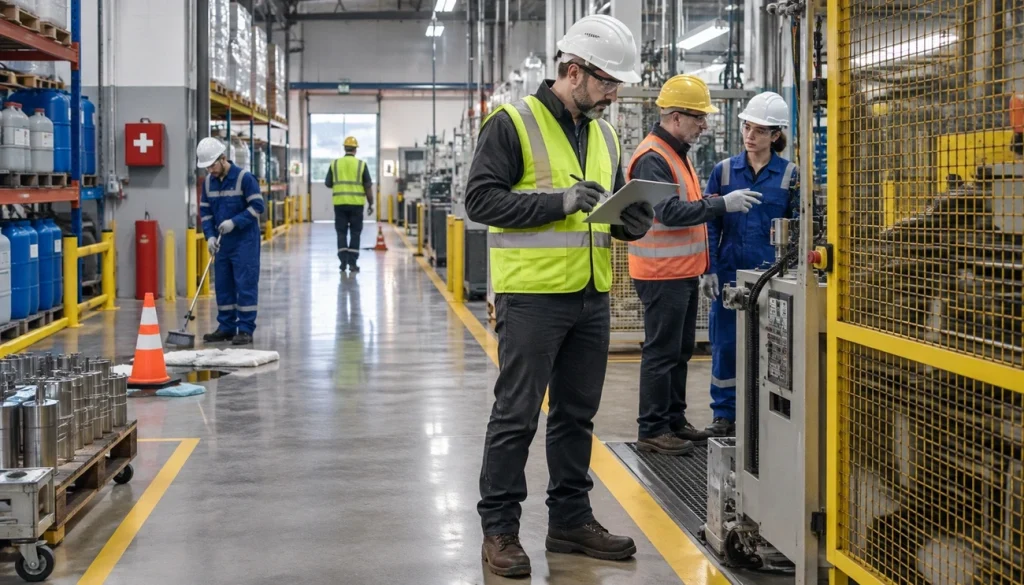
Walk through production areas, warehouses, maintenance shops, laboratories, loading docks, utility rooms, outdoor areas, material storage locations, and other spaces where employees perform work.
Do not assume similar-looking departments have identical exposures.
Different equipment, materials, ventilation, temperature, lighting, traffic, and work practices can change PPE requirements significantly.