A workplace hazard can be easy to recognize after an incident.
The harder and more valuable task is identifying it before anyone gets hurt.
A Job Hazard Analysis, commonly called a JHA, helps employers do exactly that by breaking a job into individual steps, identifying what could go wrong during each step, and determining how those hazards should be controlled before work begins.
Instead of relying on broad instructions such as “work safely” or “wear PPE,” a JHA connects the actual task with the actual exposure.
For employers, supervisors, and workers, that makes the JHA one of the most practical tools for turning workplace safety requirements into clear actions that can be used at the point of work.
What Is a Job Hazard Analysis?
A Job Hazard Analysis is a task-specific review of how work is performed, what hazards may be present, and what controls are needed to reduce the risk.
The analysis typically follows a simple sequence:
What is the worker doing?
What could go wrong?
Who could be affected?
How serious could the outcome be?
What should be done to prevent or control the exposure?
The value of a JHA comes from its specificity.
A general statement such as “perform pump maintenance” does not reveal much about the hazards involved.
Breaking the job into steps such as isolating energy, opening a line, removing components, and testing operation makes the exposure much easier to evaluate.
Each step may introduce different hazards, including pressure, chemical contact, hot surfaces, moving equipment, stored energy, or unexpected atmospheric conditions.
JHA vs. JSA: Is There a Difference?
Job Hazard Analysis and Job Safety Analysis, or JSA, are often used interchangeably.
Different organizations may prefer one term, but the basic approach is generally the same: break the job into steps, identify hazards associated with those steps, and establish safe controls before work begins.
OSHA also uses both terms in its safety resources.
The important issue is not the title of the form.
It is whether the analysis accurately describes the work and gives employees useful controls they can follow.
Why Conduct a JHA?
A JHA helps employers identify hazards before those hazards become incidents.
OSHA describes hazard identification as a proactive and ongoing part of an effective safety and health program. Employers are encouraged to review workplace information, investigate injuries and near misses, consider nonroutine work, and evaluate both likelihood and severity when prioritizing hazards.
A well-developed JHA can support that process by focusing attention on the point where hazards actually occur: during the task.
JHAs Can Reveal Hidden Exposure
Routine jobs sometimes receive less scrutiny because employees have performed them for years.
Familiarity can make hazards easier to overlook.
A worker may step over the same hose every day, work beside the same forklift route, or open the same pressurized line without incident.
The absence of an injury does not mean the hazard is controlled.
Breaking the work into steps can make these routine exposures more visible.
JHAs Improve Communication
A JHA creates a shared understanding between workers, supervisors, maintenance personnel, contractors, and safety staff.
Everyone can review the same sequence of work and discuss the same hazards before the task begins.
This is especially useful where several departments interact or where conditions change between shifts or locations.
Hazard vs. Risk
A useful JHA distinguishes between a hazard and risk.
A hazard is something that has the potential to cause harm.
Examples include:
A sharp edge, chemical, forklift, energized conductor, hot surface, elevated platform, or pressurized line.
Risk describes how likely that hazard is to cause harm and how serious the consequences could be.
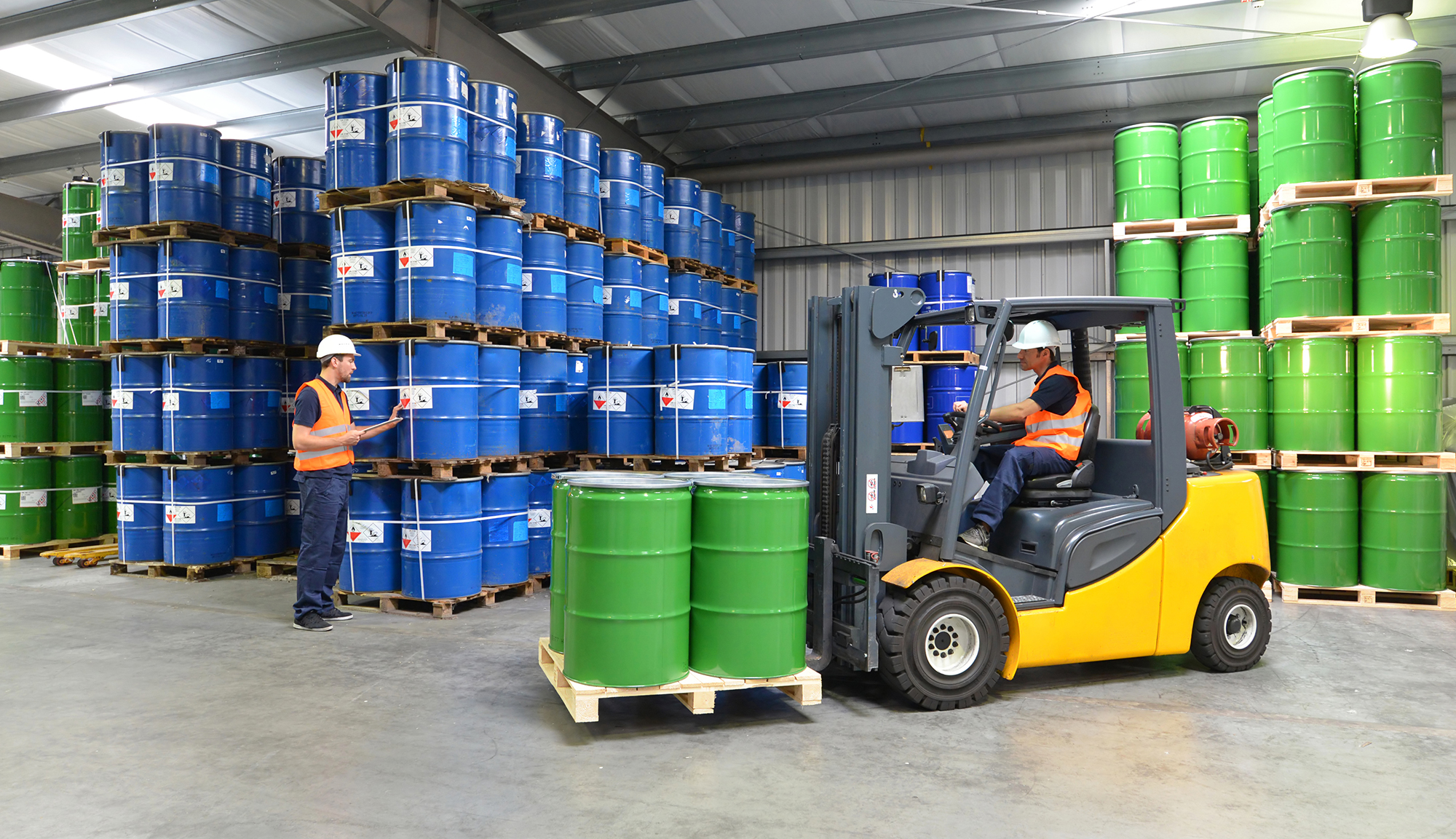
For example, a forklift is a hazard whether it is moving or parked.
The risk becomes much higher when the forklift operates continuously through a shared pedestrian aisle with limited visibility.
This distinction helps the JHA move beyond simply listing objects or conditions.
Instead of writing “forklift,” a useful entry might say:
Pedestrian could be struck by a forklift while crossing the loading area.
That description makes the exposure clear and gives the team something specific to control.