Selecting personal protective equipment should never begin with a product catalog.

Before deciding which gloves, safety glasses, helmets, respirators, footwear, or protective clothing employees need, an organization must understand the hazards workers actually encounter and determine whether those hazards can first be eliminated or reduced through stronger controls.

That is the purpose of a PPE hazard assessment.

A properly completed assessment connects individual tasks with specific exposures and identifies the protection employees need when engineering and work-practice controls cannot fully eliminate the risk. It also creates a documented basis for PPE selection rather than relying on habit, price, job title, or assumptions about what workers need.

For organizations evaluating workplace risks, Arbill provides EHS assessments, safety training, PPE, and program support designed around actual industrial working conditions.

What Is a PPE Hazard Assessment?

A PPE hazard assessment is a systematic review of workplace tasks and conditions used to determine whether hazards are present—or are likely to be present—that require personal protective equipment.

The Assessment Comes Before PPE Selection

OSHA requires employers to assess the workplace before selecting PPE. The process should identify potential hazards and determine which employees may be exposed.

If hazards requiring PPE are identified, employers must select equipment that protects affected workers, communicate the selection decisions, and ensure that the equipment properly fits each employee.

This sequence matters.

Purchasing PPE first and trying to assign it later can result in equipment that does not match the hazard or working conditions.

A facility may purchase general-purpose gloves, for example, only to discover that workers actually need protection against chemicals, sharp metal, heat, punctures, or electrical exposure. Each hazard requires different performance characteristics.

PPE Should Not Replace Stronger Controls

Personal protective equipment is an important layer of protection, but it should not automatically become the first solution.

Employers should first evaluate whether hazards can be eliminated or reduced through engineering controls and safer work practices. OSHA specifically advises employers to implement feasible engineering and work-practice controls before using PPE for the remaining exposure.

Machine guarding, ventilation, enclosure, automation, isolation, substitution, or changes in work methods may provide more dependable protection because they do not rely entirely on individual worker behavior.

PPE protects against the exposure that remains.

Step 1: Define the Scope of the Assessment

Before beginning a walkthrough, decide what the assessment will cover.

Evaluate Tasks Rather Than Job Titles

One of the most important principles is to assess the work being performed rather than assigning PPE according to job title alone.

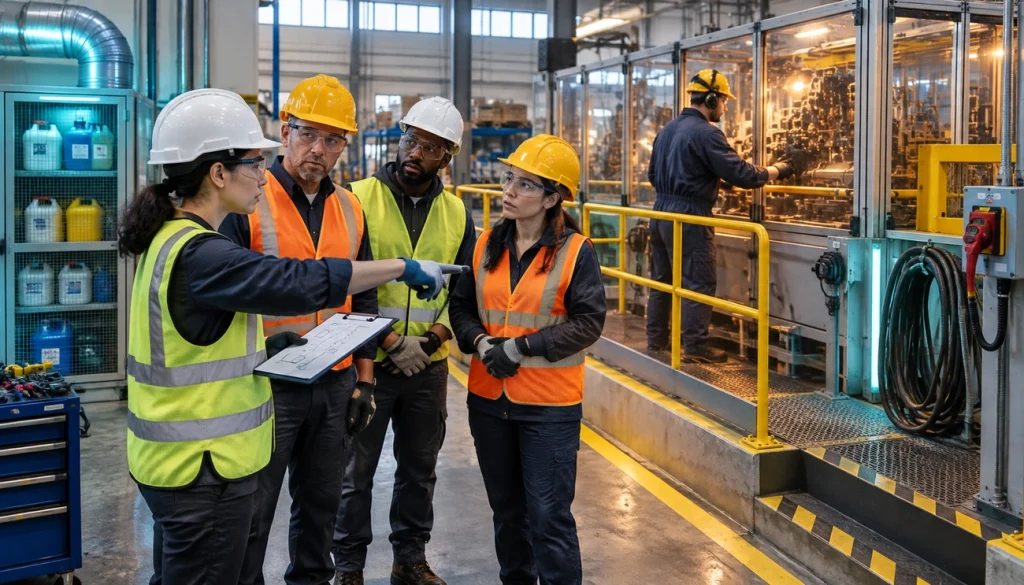
A maintenance technician may perform electrical troubleshooting in the morning, grind metal after lunch, transfer chemicals later in the day, and enter a confined space during a shutdown.

Those activities do not have the same hazards.

Two employees with the same title can also face completely different exposures when they work in different departments or facilities.

A task-based approach provides much more accurate results.

Include Routine and Non-Routine Work

Routine production represents only part of workplace exposure.

The assessment should also consider maintenance, cleaning, equipment setup, material changes, shutdowns, spill response, emergency work, contractor activities, and infrequent operations.

These tasks often create greater risk because safeguards used during normal production may be removed or changed.

For example, a closed process may create minimal chemical exposure during normal operation while producing significant vapor or splash hazards during cleaning.

Cover Every Relevant Work Area

Walk through production areas, warehouses, maintenance shops, laboratories, loading docks, utility rooms, outdoor areas, material storage locations, and other spaces where employees perform work.

Do not assume similar-looking departments have identical exposures.

Different equipment, materials, ventilation, temperature, lighting, traffic, and work practices can change PPE requirements significantly.

Explore Our Solutions!
importance of PPE

Step 2: Build the Assessment Team

The assessment is stronger when it includes people who understand both safety requirements and actual operations.

Include Safety and Operational Knowledge

EHS professionals can provide knowledge of OSHA requirements, exposure assessment, and PPE standards.

Supervisors understand production expectations and established procedures. Maintenance personnel understand equipment energy sources, failure points, and non-routine work.

Frontline employees provide another essential perspective because they experience the task directly.

They know when PPE interferes with grip, visibility, communication, movement, or comfort. They may also recognize shortcuts and unusual operating conditions that are not visible during a brief management walkthrough.

Ask Workers How the Task Really Happens

Written procedures describe how work is supposed to happen. Employees can explain how it actually happens during production pressure, equipment problems, staffing shortages, or unusual material conditions.

Useful questions include:

What can hit or cut you during this task?

What becomes hot?

Where can chemicals splash?

When does the process create dust, fumes, or vapors?

Which PPE is difficult to use?

When do employees remove or adjust their equipment?

What happens differently during cleaning or maintenance?

The goal is not to catch workers doing something wrong. It is to understand the real exposure before selecting protection.

Step 3: Review Existing Safety Information

Historical records can reveal hazards that a single walkthrough may miss.

Examine Incident and Near-Miss Reports

Review previous injuries and near misses for recurring patterns.

Pay attention to the body part affected, task performed, equipment involved, location, department, and shift.

Repeated hand injuries may indicate that glove selection needs improvement. Eye irritation may point to splash, dust, fumes, ventilation, or eyewear problems. Heat-related symptoms may indicate that the PPE ensemble is adding excessive thermal burden.

Near misses deserve equal attention.

A falling object that narrowly misses an employee or a chemical splash that lands on clothing instead of skin may reveal a PPE gap before someone is seriously injured.

Review Safety Data Sheets

When employees handle chemicals, SDS information can help identify exposure routes, recommended controls, incompatibilities, and protective equipment considerations.

However, do not select PPE from a generic SDS statement alone.

Chemical concentration, temperature, contact duration, breakthrough time, task, and product-specific compatibility can all affect the final decision.

Review Equipment and Process Information

Machine manuals, equipment specifications, industrial hygiene data, noise surveys, process documentation, and manufacturer instructions may reveal exposures that are not immediately obvious.

The more complex the work, the more important this background review becomes.

Step 4: Conduct the Workplace Walkthrough

The walkthrough is where the assessment connects documentation with actual working conditions.

OSHA’s nonmandatory PPE assessment guidance recommends surveying the workplace for hazards involving impact, penetration, compression, chemicals, heat, harmful dust, and optical radiation.

Observe the Full Work Cycle

Watching a task for a few minutes may miss the highest-risk step.

Whenever practical, observe complete work cycles. Look at material loading, machine operation, adjustments, cleaning, changeovers, waste handling, and shutdown.

Observe different shifts when working conditions vary.

A night shift may have fewer supervisors, different lighting, additional maintenance work, or different production processes than the day shift.

Look for Sources of Motion and Impact

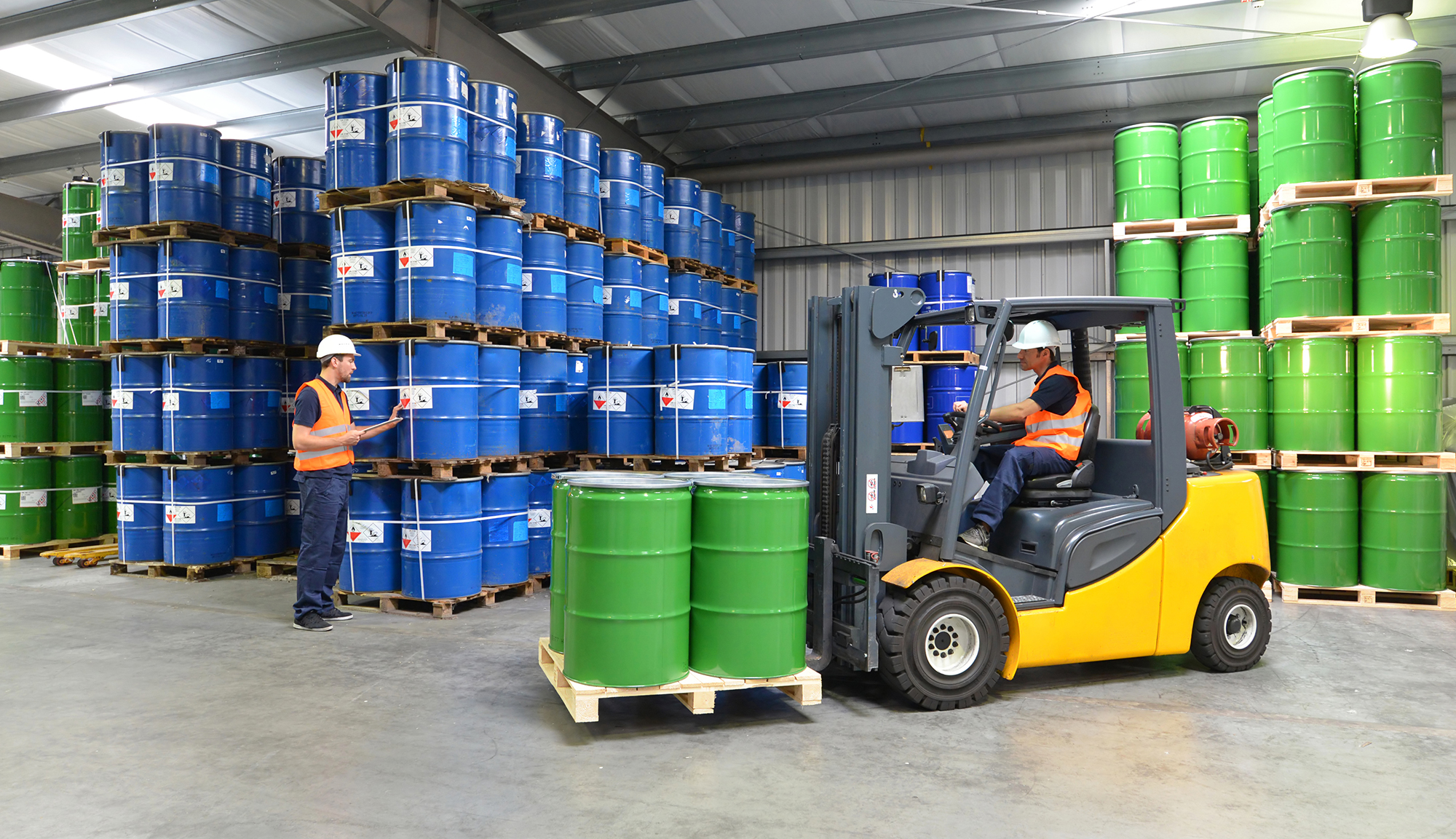
Moving machinery, tools, forklifts, suspended loads, falling materials, flying particles, and compressed systems can expose workers to impact injuries.

Evaluate whether employees need head, eye, face, foot, or body protection after higher-level controls have been considered.

Evaluate Sharp and Penetrating Hazards

Sharp metal, glass, blades, needles, wires, burrs, scrap, and tools can cause cuts and punctures.

Hand protection should be selected according to the specific mechanism.

Arbill’s hand and arm protection options cover different industrial exposures, but the hazard assessment should determine the appropriate cut, puncture, chemical, heat, or impact performance required.

Evaluate Eye and Face Hazards

Grinding, cutting, machining, chemical handling, welding, pressurized systems, and dusty work can expose the eyes and face.

Determine whether workers require safety glasses, goggles, face shields, welding protection, or a combination.

Arbill’s eye and face protection category includes industrial eyewear for impact, splash, particulate, welding, and other workplace hazards.

A face shield should not automatically be treated as a replacement for primary eye protection when safety glasses or goggles are also required.

Evaluate Head Hazards

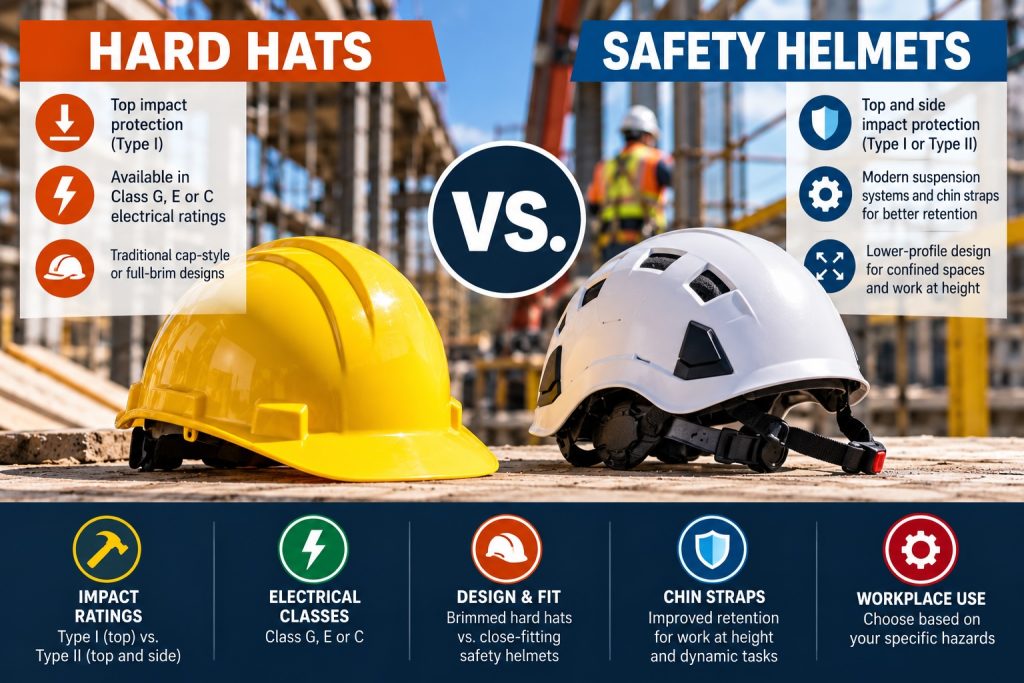
Falling objects, overhead materials, moving equipment, structural obstructions, and electrical exposure may require industrial head protection.

The assessment should identify whether workers need Type I or Type II protection and whether electrical Class G, E, or C characteristics apply.

Arbill’s head protection options can support different industrial impact and electrical protection needs.

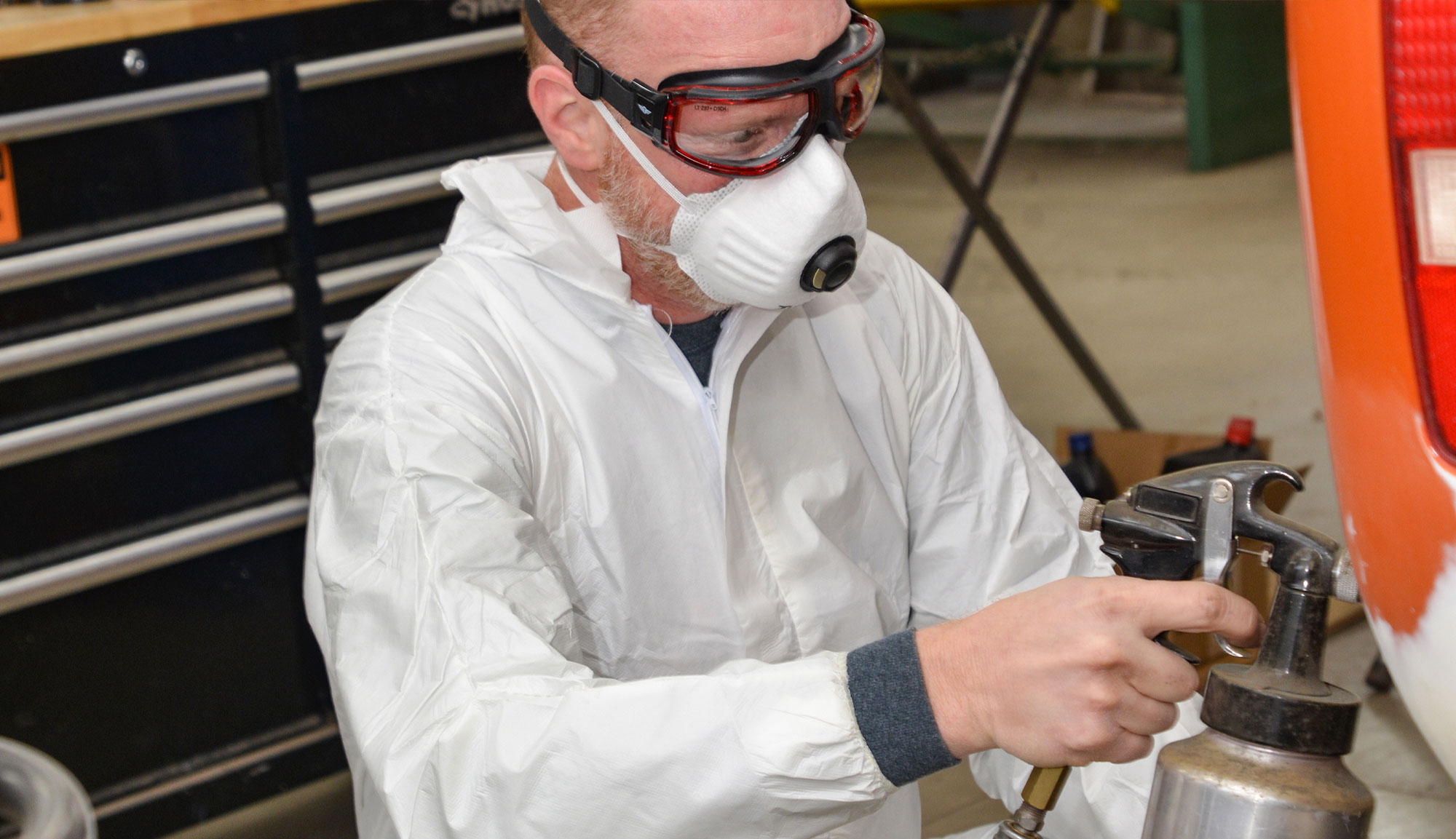
Evaluate Respiratory Hazards

Dust, fumes, mist, gases, vapors, smoke, and airborne chemicals require a separate and careful evaluation.

Respirator selection should not be based simply on what equipment is already available.

The employer may need exposure monitoring to determine contaminant identity and concentration before choosing a respirator.

Arbill’s respiratory protection products can support a properly developed respiratory protection program, but respirator selection must be tied to the actual airborne hazard and OSHA requirements.

Respiratory protection also has additional requirements for medical evaluations, fit testing, written programs, training, inspection, and program administration.

As long as people go to work, we have an opportunity to help protect them.

Julie Copeland
Arbill CEO

Julie Copeland Arbill CEO

Step 5: Evaluate Exposure Severity and Frequency

Identifying a hazard does not complete the assessment.

The organization must understand how employees are exposed and what could happen if the control fails.

Consider How Often Exposure Occurs

Frequency affects how the hazard should be managed.

A task performed for ten minutes once per month presents a different exposure pattern from one performed continuously throughout an eight-hour shift.

Document how frequently the employee performs the task and how long the exposure lasts.

Repeated low-level exposure can sometimes create significant risk even when no single event appears severe.

Consider the Potential Consequence

Ask what injury could realistically occur.

A small flying particle could cause serious eye damage. A chemical splash could cause burns. An uncontrolled electrical exposure could be fatal.

Severity helps the safety team prioritize corrective actions.

High-severity hazards should receive attention even when exposure is infrequent.

Consider Environmental Conditions

Heat, cold, moisture, sunlight, confined spaces, poor ventilation, and noise may change how PPE performs or how willing employees are to wear it.

A protective garment appropriate in a climate-controlled area may create excessive heat stress outdoors.

Gloves that work well when dry may lose grip when exposed to oil.

The assessment should reflect the environment in which the equipment will actually be used.

Step 6: Apply the Hierarchy of Controls

Before assigning PPE, determine whether stronger controls can reduce the hazard.

The preferred sequence is generally elimination, substitution, engineering controls, administrative or work-practice controls, and then PPE for remaining exposure.

A ventilation system may reduce airborne contaminants. Machine guarding may prevent contact with moving equipment. Automated material handling may reduce direct exposure to chemicals or sharp materials.

This does not necessarily eliminate the need for PPE.

Instead, it reduces how much risk the PPE must control.

Step 7: Select PPE for the Identified Hazard

PPE selection should connect directly to the documented assessment.

Match Performance to Exposure

Do not select a product simply because it belongs to the correct general PPE category.

For example, “wear gloves” is not sufficient.

The assessment should determine whether workers require cut resistance, puncture protection, chemical compatibility, thermal protection, electrical insulation, impact protection, or another specific performance characteristic.

The same principle applies to eyewear, footwear, protective clothing, helmets, and other equipment.

Verify Proper Fit

OSHA requires selected PPE to properly fit affected employees.

Fit affects protection and worker acceptance.

Gloves that are too large can reduce dexterity. Eyewear that does not fit may leave gaps. An improperly adjusted helmet may shift during work. Poorly fitted PPE may also interfere with other protective equipment.

Provide suitable size ranges and, where practical, several approved options.

Check PPE Compatibility

Workers often wear several pieces of protection simultaneously.

Safety glasses may interfere with a respirator. Hearing protection may affect helmet fit. Goggles may conflict with prescription eyewear. Gloves may reduce the ability to operate tools safely.

Evaluate the complete PPE ensemble during the task instead of approving every item independently.

Step 8: Document the Hazard Assessment

OSHA requires written certification that the required general-industry PPE hazard assessment has been completed.

The certification must identify the workplace evaluated, the person certifying that the assessment was performed, the assessment date or dates, and identify the document as certification of the hazard assessment.

Create a Practical PPE Matrix

In addition to the required certification, a PPE matrix can make the findings easier for employees and supervisors to use.

A practical record may show the task, identified hazard, existing controls, affected body part, required PPE, product specification, and special limitations.

Keep the matrix specific enough to guide real decisions.

“Safety equipment required” provides little value. “Chemical splash goggles and compatible face shield during corrosive liquid transfer” provides much clearer direction.

Keep Supporting Documentation

Maintain relevant exposure data, SDS information, manufacturer literature, testing records, employee feedback, and other information used during selection.

These records can help explain future decisions when products, equipment, or work processes change.

Step 9: Train Employees on the Selected PPE

An assessment identifies protection. Training teaches employees how to use it.

OSHA requires affected employees to understand when PPE is necessary, what PPE is required, how to properly put it on and remove it, its limitations, and proper care, maintenance, useful life, and disposal. Employees must demonstrate that they understand the training and can use the equipment properly before performing work requiring it.

Arbill’s EHS safety training can support PPE education and related industrial safety topics.

Training should use the equipment employees will actually wear.

A generic presentation is less valuable than showing workers how to inspect, adjust, use, clean, store, and replace their assigned PPE.

Step 10: Make Replacement PPE Accessible

Selection and training provide little protection if employees cannot obtain replacement equipment when something becomes damaged, contaminated, lost, or worn out.

Workers should know exactly how and where to obtain new equipment.

For frequently consumed items, PPE vending solutions can place approved products close to the point of use while providing visibility into inventory and consumption.

The objective is to prevent employees from continuing work with defective PPE because replacement requires too much time or approval.

See Our Safety Services!
Choosing the proper PPE

When Should a PPE Hazard Assessment Be Updated?

A hazard assessment should be treated as a living document.

Do not wait for an arbitrary annual review when workplace conditions have already changed.

Reassessment may be necessary after new machinery, new chemicals, process changes, facility modifications, different work practices, PPE changes, incidents, near misses, or evidence that existing equipment no longer provides sufficient protection.

OSHA also requires retraining when workplace changes or different PPE make previous training obsolete, or when an employee demonstrates inadequate knowledge or improper use.

Regular EHS safety assessments can help organizations identify changing hazards, PPE gaps, training needs, and weaknesses between written programs and actual working conditions.

Common PPE Hazard Assessment Mistakes

Several mistakes can weaken an otherwise well-intentioned program.

The most common is assigning PPE according to job title rather than task. Another is relying entirely on existing equipment and assuming that because workers have always worn it, it must be appropriate.

Assessments may also overlook maintenance, cleaning, and emergency activities because they occur less frequently than production.

Other organizations identify a hazard and immediately select PPE without first considering stronger engineering or work-practice controls.

Finally, some employers complete the paperwork but never revisit the assessment after equipment, materials, processes, or employee exposures change.

A useful assessment should influence real workplace decisions—not sit in a binder after the walkthrough is finished.

A Simple PPE Hazard Assessment Process

For practical implementation, the process can be reduced to six core actions:

  1. Identify the task and work area.
  2. Observe the hazards and employee exposure.
  3. Evaluate severity, frequency, and existing controls.
  4. Apply stronger controls where feasible.
  5. Select properly fitting, compatible PPE for remaining hazards.
  6. Document, train, monitor, and reassess.

Each step should connect to the next. The purpose is not merely to produce a completed form but to establish a defensible system for protecting workers.

Conclusion

A PPE hazard assessment is the foundation of an effective personal protective equipment program.

The process begins by observing real work, identifying hazards, reviewing incidents and near misses, involving employees, and evaluating the severity and frequency of exposure.

Before relying on PPE, employers should determine whether elimination, substitution, engineering controls, or safer work practices can reduce the hazard.

Where PPE remains necessary, protection should be selected according to the specific exposure, properly fitted to the worker, compatible with other equipment, and supported by practical training and accessible replacements.

The final assessment should be documented and revisited whenever workplace conditions change.

When PPE decisions are based on actual tasks rather than assumptions, organizations can provide more consistent protection, strengthen OSHA compliance, reduce unnecessary product variation, and build a safer workplace.

Request a Safety Assessment

Recent Posts

Workplace Safety Programs
How to Improve Safety Culture in Industrial Workplaces

How to Improve Safety Culture in Industrial Workplaces

Essential Guide to Preventing Workplace Eye Injuries
Workplace Eye Injuries: Causes, Prevention, and PPE Solutions

Workplace Eye Injuries: Causes, Prevention, and PPE Solutions

First Aid SmartCompliance
How Often Should First Aid Kits Be Inspected and Restocked?

How Often Should First Aid Kits Be Inspected and Restocked?

How to Implement Lockout Tagout Procedures in Manufacturing
Lockout/Tagout Best Practices for Manufacturing Facilities

Lockout/Tagout Best Practices for Manufacturing Facilities

Safety Glasses Side Sheilds
How to Select the Best Safety Glasses for Different Job Sites

How to Select the Best Safety Glasses for Different Job Sites

  • Previous ProjectChoosing the Right Cut-Resistant Gloves for Your Industry

  • Next ProjectThe Hidden Costs of Poor Workplace Safety

CUSTOMER SERVICE

800-523-5367

CONTACT US

Complete the short form below and an Arbill representative will get back to you within 24 hours.
* Required Fields

    ARBILL RESPECTS YOUR PRIVACY AND YOUR INFORMATION: By submitting the form above you agree to receiving emails from Arbill. Your submitted information is NEVER shared. You may unsubscribe at any time via the "unsubscribe" link in our emails. You can view our Privacy Policy HERE.