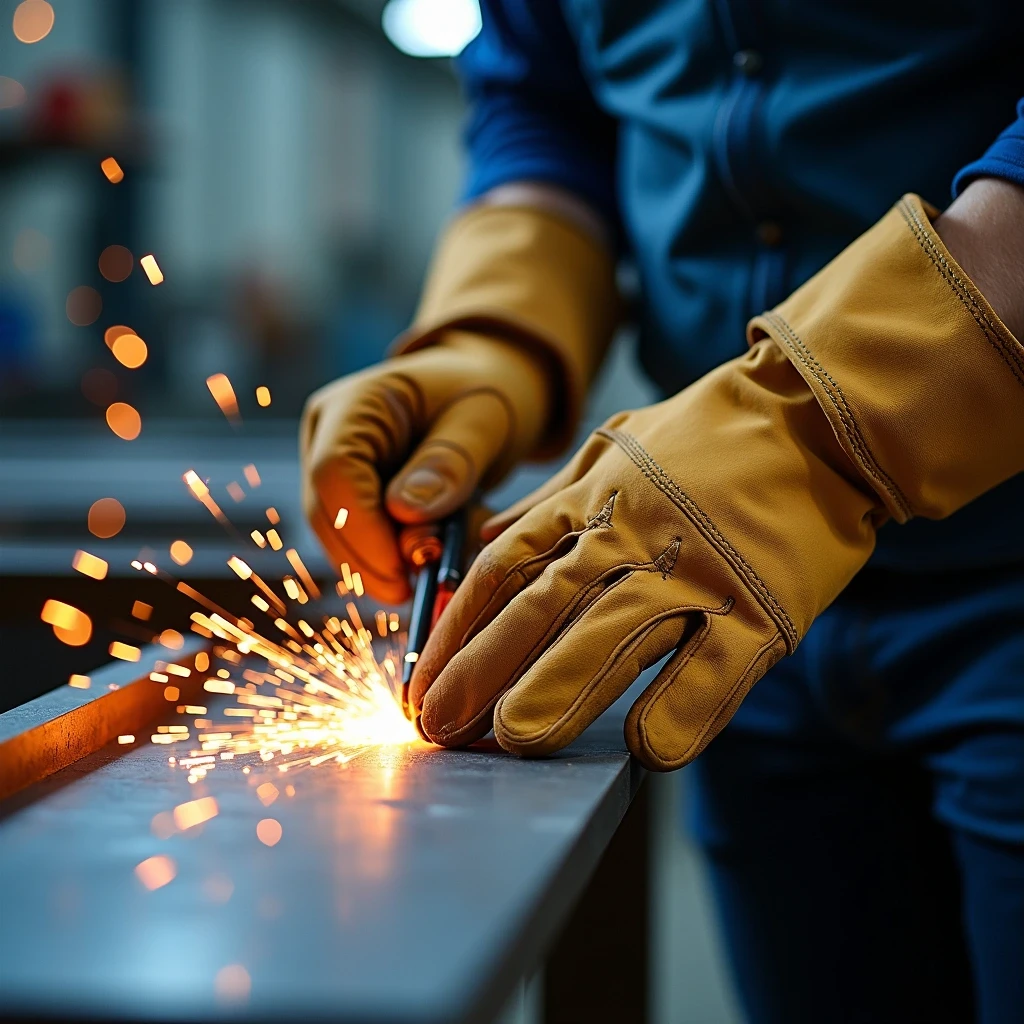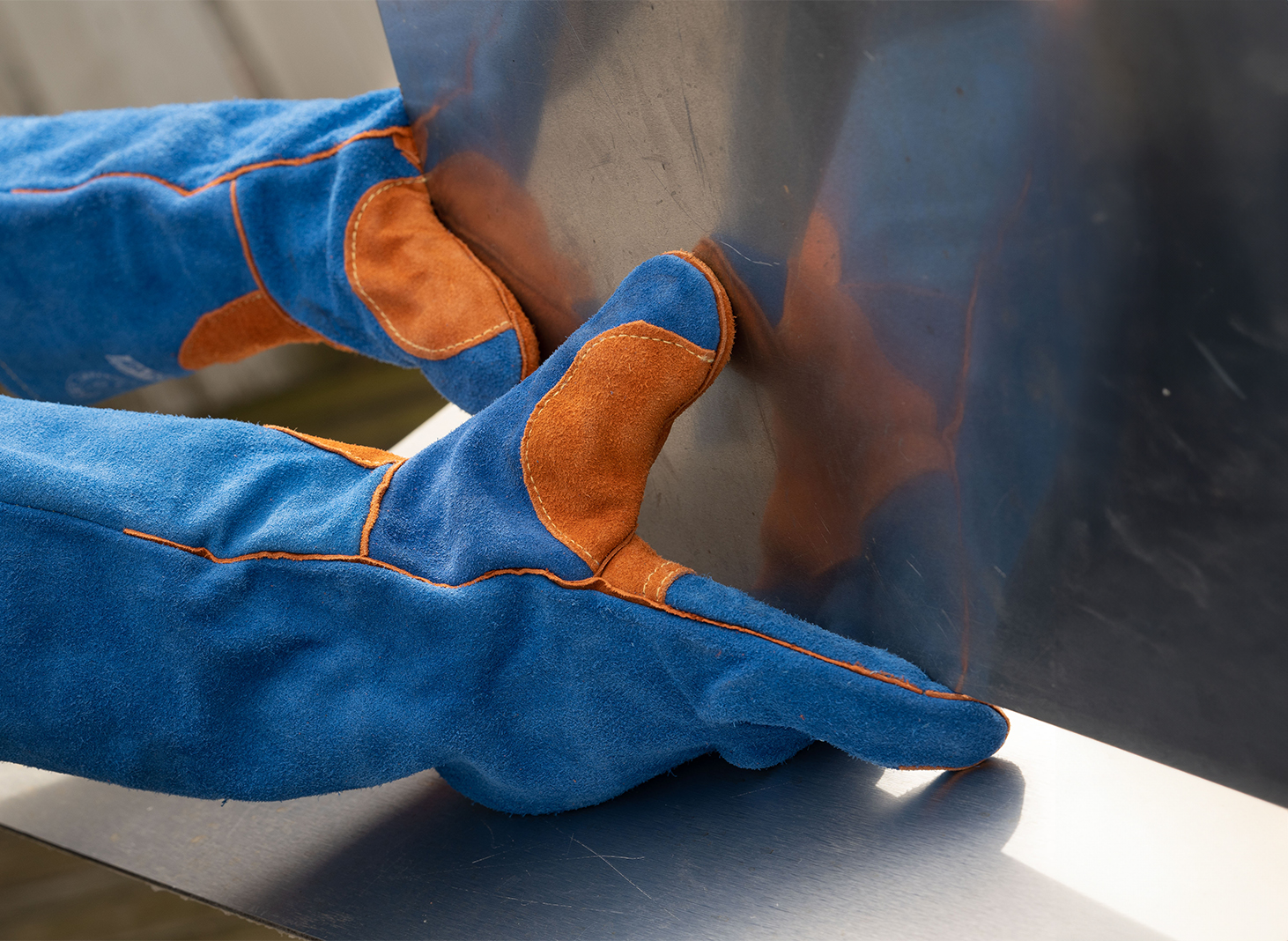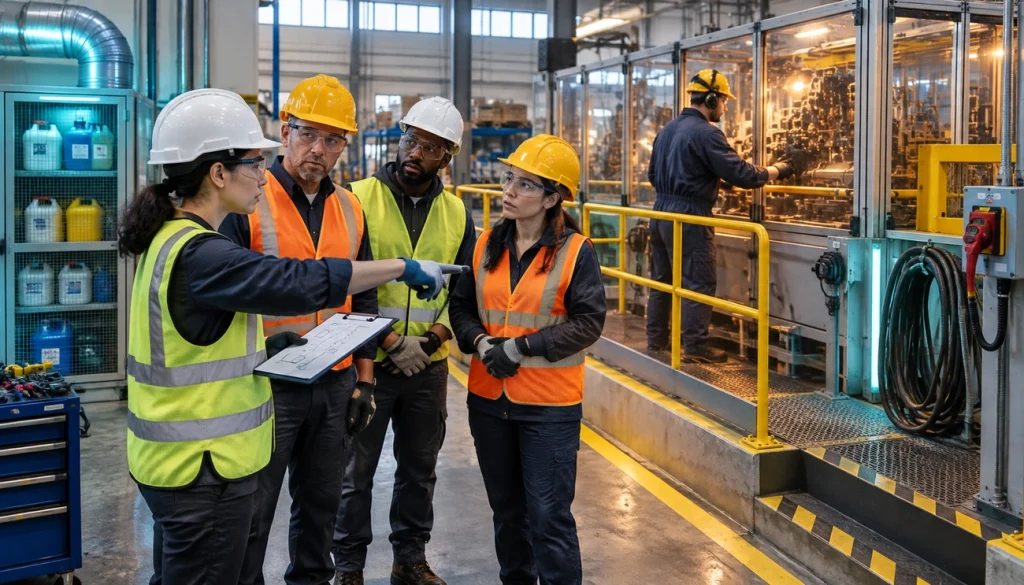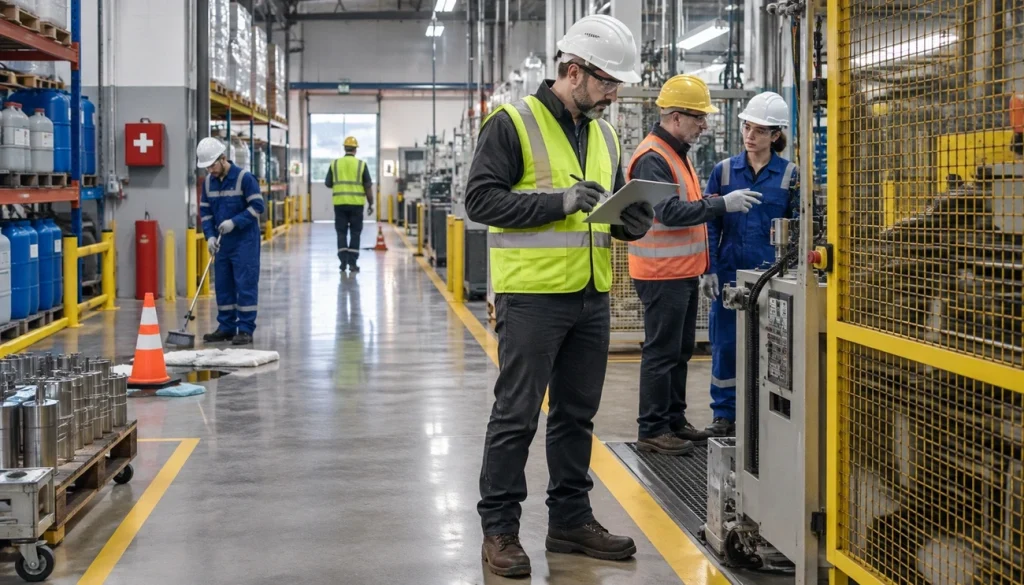
Welding gloves are not just heat protection.
In metal fabrication and welding environments, workers need hand protection that can stand up to heat, sparks, sharp metal edges, abrasion, puncture risks, oils, solvents, and repeated material handling. A glove that protects against heat but fails against burrs and sharp stock is not enough. A glove that resists cuts but makes torch control difficult can create a different kind of risk.
That is why cut-resistant gloves for metal fabrication and welding need to be selected around the real work.
Welders and fabricators handle sharp parts, freshly cut metal, hot surfaces, clamps, grinders, welding tools, wire, rods, fixtures, and finished components throughout the day. Their gloves must protect without taking away the dexterity, grip, and comfort needed to do skilled work safely.
The right glove helps prevent burns, lacerations, punctures, abrasions, and long-term hand injuries that can keep experienced workers off the floor.
Why Hand Protection Is Critical in Fabrication and Welding
Hands are constantly exposed in metal fabrication.
Workers grip metal plate, position parts, guide tools, inspect welds, remove scrap, adjust fixturing, clean spatter, and handle finished components. Many of those tasks happen near heat, sparks, sharp edges, burrs, and moving equipment.
The uploaded draft explains that welding gloves are the first line of defense against heat, sparks, cuts, and abrasions, and that inadequate hand protection can result in burns, lacerations, and long-term injuries that sideline skilled workers.
A strong glove program should account for:
- Heat exposure
- Sparks and spatter
- Sharp metal edges
- Burrs and unfinished parts
- Abrasion
- Puncture hazards
- Impact risks
- Grip needs
- Oils and contaminants
- Dexterity requirements
- Comfort during long shifts
No single glove is perfect for every task. The goal is to match glove protection to the process, material, and exposure.
Heat and Spark Exposure Cannot Be Ignored
Welding creates heat that can injure workers even when they are not touching the weld point.
Radiant heat can extend beyond the immediate work area. Sparks can travel several feet. Hot metal can remain dangerous after welding stops. Workers may also handle parts that look cool but still hold enough heat to cause injury.
The uploaded draft notes that metal fabrication environments often include sparks, radiant heat, hot surfaces, heavy machinery, moving equipment, and demanding production schedules. It also explains that sparks can travel from the welding point and that hot surfaces remain dangerous long after welding ends.
Gloves should protect against:
- Direct flame contact
- Radiant heat
- Contact heat
- Hot parts
- Sparks
- Spatter
- Heat retained in base material
- Repeated gripping of warm parts
Heat resistance should match the welding process and task. More protection is not always better if excessive glove bulk reduces control.
Cut and Abrasion Hazards Are Everywhere
Metal fabrication creates sharp edges throughout the work process.
Cutting, grinding, stamping, machining, and handling unfinished parts can leave burrs, sharp corners, rough surfaces, and metal fragments. Workers may contact those edges repeatedly during fitting, fixturing, welding, inspection, cleanup, and part movement.
The uploaded draft states that metal handling, steel processing, fabrication, stamping, machining, and cutting expose workers to sharp edges, burrs, unfinished parts, hot materials, tools, and pinch points. It also notes that repeated contact with rough surfaces can gradually wear through inadequate glove materials.
Cut protection should address both:
- Acute laceration risk from sharp edges
- Long-term glove wear from rough material handling
ANSI/ISEA 105-2024 uses a nine-level A1–A9 scale for cut resistance, with medium and higher levels often used for more demanding tasks such as construction, glass handling, metal fabrication, recycling, and sharp metal work.
For fabrication teams, cut resistance should be selected based on how often workers handle sharp stock, scrap, edges, burrs, and finished parts — not simply by choosing the highest level available.