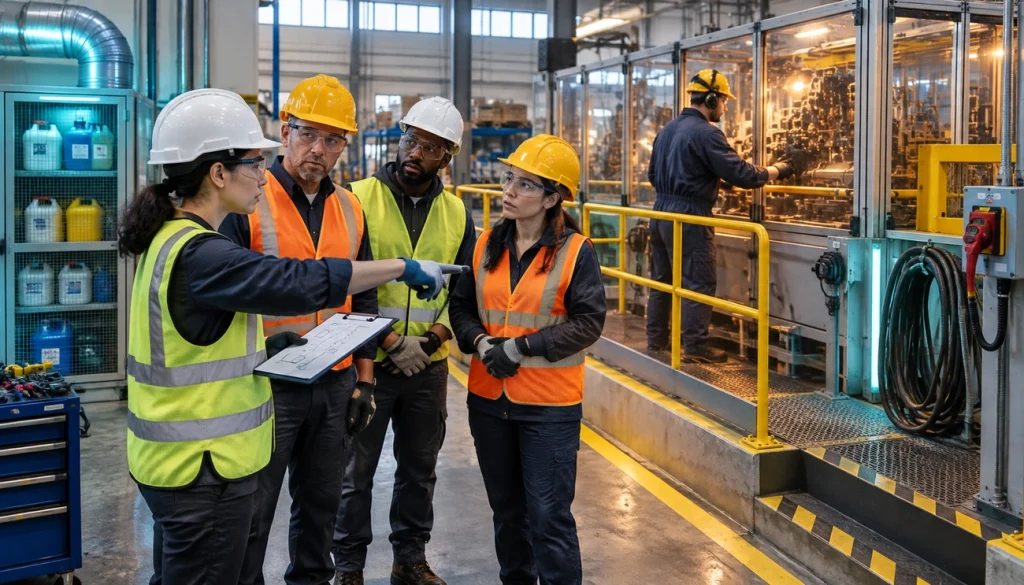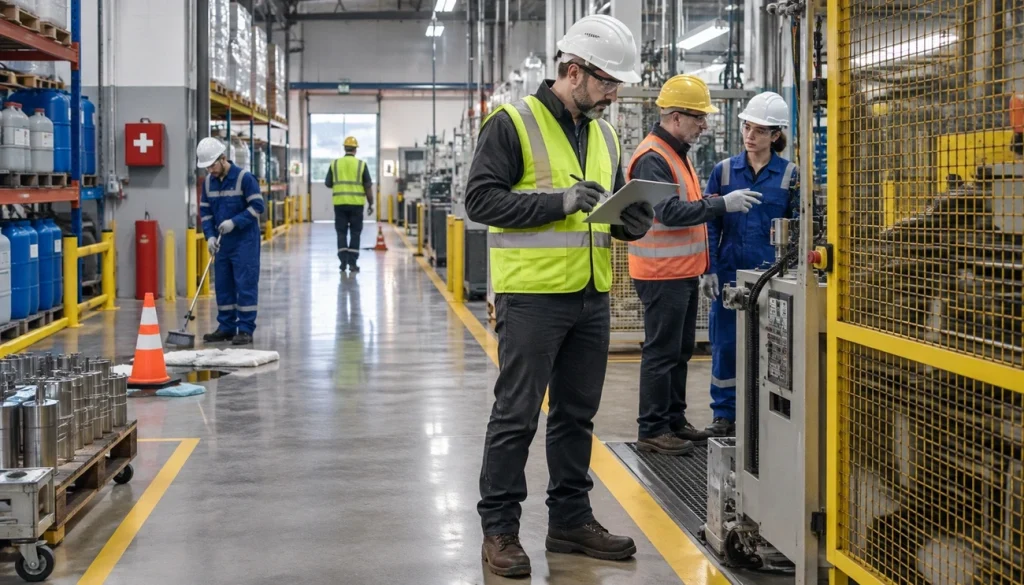
Industrial facilities need more than a basic first aid box in the breakroom. Workers may face cuts, burns, eye injuries, chemical exposure, heat stress, slips, strains, crush injuries, respiratory irritation, and equipment-related incidents during normal operations. When an injury happens, the first few minutes matter.

First aid and emergency response supplies should be organized, accessible, stocked, and matched to the hazards in the facility. A cabinet that is empty, expired, blocked, or stocked with the wrong items can slow response when workers need help quickly.

For manufacturers, warehouses, utilities, chemical plants, fabrication shops, and other high-risk workplaces, first aid readiness should be part of the full safety program. It connects PPE, training, emergency planning, compliance, documentation, and supply management into one practical system.

For companies building safer industrial workplaces, Arbill supports teams with PPE, first aid solutions, safety services, and practical resources designed around real workplace hazards.

Why First Aid Readiness Matters in Industrial Facilities

Industrial work creates injury risks that can happen suddenly. A worker may cut a hand on metal, get debris in the eye, suffer a minor burn, strain a muscle, or experience heat-related symptoms during a demanding shift.

Emergency Supplies Must Be Ready Before the Incident

First aid supplies are only useful when workers can access them quickly. If supplies are missing, scattered, expired, or stored too far from the work area, response slows down.

A strong first aid program makes supplies visible, organized, and easy to locate across departments and shifts. Workers should know where supplies are, what they are used for, and who to contact when an incident needs escalation.

Industrial Hazards Require Task-Based Stocking

A light office first aid kit may not match the needs of a fabrication shop, chemical area, warehouse, loading dock, machine shop, or utility maintenance team. Industrial facilities often need supplies for cuts, burns, eye exposure, splinters, minor wounds, heat stress, and workplace-specific hazards.

The kit should reflect the work being performed, the number of employees, the distance to medical care, and the types of injuries most likely to occur.

First Aid Supports Confidence and Control

When workers know supplies are available and response procedures are clear, incidents can be handled with more confidence. First aid readiness does not replace prevention, but it helps reduce confusion after an injury occurs.

Core First Aid Supplies for Industrial Workplaces

A strong first aid program begins with the basics, then adds supplies based on facility hazards.

Wound Care and Bandaging

Cuts, scrapes, punctures, and abrasions are common in industrial environments. Workers may handle sharp materials, tools, packaging, metal edges, pallets, parts, and equipment.

Facilities should maintain bandages, gauze, wound dressings, adhesive tape, antiseptic products, and related supplies in organized locations. These items should be easy to find and restocked before shortages occur.

Burn and Eye Care Supplies

Burn exposure can occur around hot surfaces, welding, steam, chemicals, heated materials, and equipment. Depending on the facility, burn dressings, cooling products, and related first aid items may be needed.

Eye exposure is also common where dust, debris, splashes, chips, or chemicals are present. Eye wash supplies and emergency flushing facilities should be evaluated based on the hazards in each work area.

Emergency and Personal Care Items

Industrial facilities may also need cold packs, splinter removal supplies, gloves, CPR barriers, trauma dressings, and personal care items. Heat-related supplies may be important for outdoor crews, warehouses, foundries, utility work, and hot production areas.

For workplace supplies beyond basic kits, Arbill’s first aid, emergency, and personal care category can support teams looking to stock practical items for industrial environments.


Explore Our Solutions!
First Aid Cabinet Management By Team

SmartCompliance First Aid Cabinets

First aid cabinets should be easy to manage. In busy facilities, supplies can disappear quickly, expire unnoticed, or become disorganized after repeated use.

Why Cabinet Organization Matters

A disorganized cabinet slows response. Workers may waste time searching for the right item, or they may discover that a needed supply is missing when an injury has already occurred.

Organized cabinets help workers quickly identify what is available and what needs restocking. They also help safety managers maintain visibility into supply levels.

Stocking and Refill Control

First aid cabinets should be checked on a regular schedule. Restocking should not depend only on someone noticing an empty slot after an incident.

Arbill’s First Aid SmartCompliance Program helps facilities keep first aid supplies organized, stocked, and easier to manage. For industrial operations with multiple departments, shifts, or locations, this type of system can reduce the risk of missing supplies during actual response situations.

Multi-Location Consistency

Facilities with multiple work zones often need more than one first aid station. Cabinets may be needed near production areas, docks, maintenance shops, warehouses, chemical rooms, break areas, and remote work zones.

Standardized cabinets help create consistency so workers are not dealing with different supply layouts in every department.

Emergency Response Supplies Beyond the Cabinet

First aid cabinets are important, but they may not cover every emergency response need in an industrial facility.

Eyewash and Drenching Equipment

Where workers may be exposed to injurious corrosive materials, emergency flushing or drenching facilities must be close enough for immediate use. This may include plumbed eyewash stations, emergency showers, or portable units depending on the work area.

These stations must be accessible, clearly marked, and maintained. A blocked eyewash station can become a serious response failure.

Spill and Exposure Response Supplies

Chemical, oil, coolant, or hazardous material releases may require spill kits, absorbents, gloves, eye protection, disposal materials, and response procedures. These supplies should be matched to the substances in the facility.

Emergency supplies should be located where exposures may occur, not stored only in a central office.

Heat Stress and Outdoor Response Items

Industrial facilities with outdoor work, hot production zones, or physically demanding tasks should also plan for heat stress. Hydration supplies, cooling products, shade access, and first aid response for heat illness may be needed during warmer months or high-heat operations.

Heat-related response should be included in training so workers recognize early warning signs and know when to escalate.

Training Workers for First Aid and Emergency Response

Supplies alone are not enough. Workers need to know how to respond, where supplies are located, and when professional medical help is required.

First Aid Awareness and Trained Responders

Not every employee needs to be a first aid responder, but workers should know how to report injuries, locate supplies, and contact trained personnel. Facilities should identify trained responders and make that information easy to find.

When a clinic, infirmary, or hospital is not near enough for timely treatment, trained first aid personnel become especially important.

Emergency Procedures by Work Area

Emergency response should be specific to the hazards in each area. A chemical room, welding area, warehouse dock, machine shop, and maintenance bay may all require different response steps.

Procedures should explain how to report incidents, where to find supplies, when to use eyewash or emergency showers, how to contact emergency services, and how to preserve the scene for investigation when needed.

Refreshers and Drills

Training should not happen once and then disappear. Workers should receive refreshers when procedures change, new hazards are introduced, or incidents reveal gaps.

Short drills can help workers practice locating cabinets, eyewash stations, emergency exits, spill supplies, and communication points.

As long as people go to work, we have an opportunity to help protect them.

Julie Copeland
Arbill CEO

Julie Copeland Arbill CEO

First Aid Readiness for Warehouses and Industrial Operations

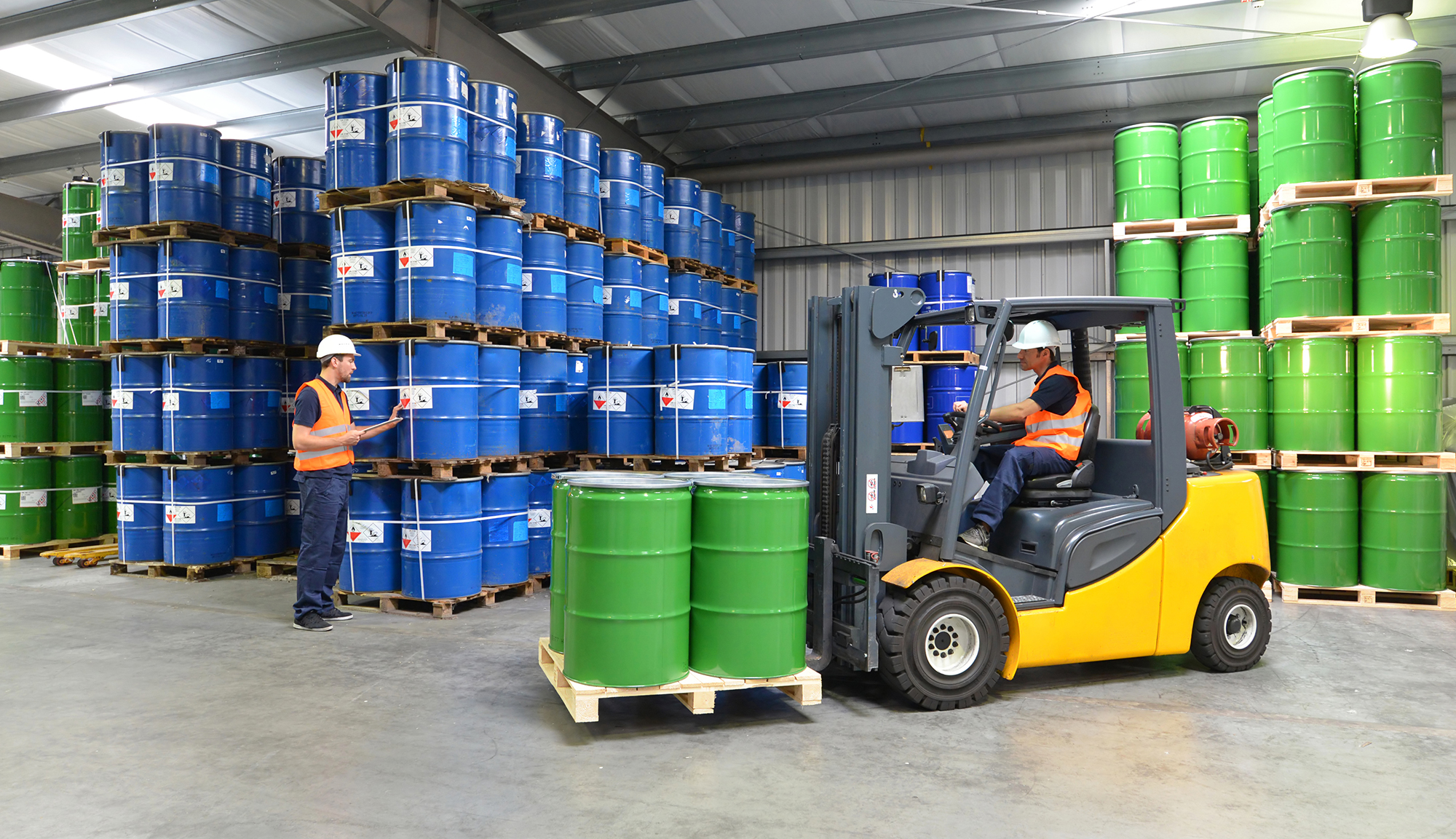
Warehouses, distribution centers, and industrial facilities often share many of the same first aid challenges. Workers may face repetitive motion, lifting, material handling, forklifts, packaging, sharp edges, and dock hazards.

Common Warehouse and Facility Injuries

Cuts, strains, eye irritation, minor burns, slips, and struck-by incidents can occur in busy facilities. First aid supplies should be positioned near active work areas where injuries are most likely to happen.

Arbill’s article on SmartCompliance first aid cabinets for warehouse safety explains how organized cabinets can support faster access, better stocking, and stronger first aid readiness in high-traffic operations.

Accessibility Across Shifts

Industrial facilities may run multiple shifts. First aid supplies must be accessible to night crews, weekend teams, temporary workers, maintenance teams, and supervisors, not only office staff during daytime hours.

Cabinets should not be locked away from the workers who need them.

Visibility and Signage

First aid stations, eyewash stations, emergency showers, AEDs, and spill kits should be clearly marked. Workers should be able to locate supplies quickly even if they are new to the area or responding under stress.

Good signage reduces confusion during emergencies.

Managing Inspections, Restocking, and Documentation

First aid readiness depends on routine management. Supplies must be inspected, replaced, and documented.

Regular Cabinet Checks

Cabinets should be checked for missing, expired, damaged, or contaminated supplies. Restocking should happen before an item is completely gone.

Inspection frequency should reflect how often supplies are used and how high-risk the area is.

Expiration and Product Control

Some first aid supplies have expiration dates or condition limits. Items that are expired, damaged, opened, wet, dirty, or contaminated should be replaced.

A clean, organized cabinet makes these checks easier.

Recordkeeping and Continuous Improvement

Documentation can show when cabinets were inspected, what was restocked, and where supplies are being used most often. Usage patterns may reveal where more training, PPE, or hazard controls are needed.

If one area repeatedly uses wound care supplies, safety teams should investigate whether the underlying hazard can be reduced.

See Our Safety Services!
First Aid SmartCompliance

Building a Stronger First Aid and Emergency Response Program

A complete program connects supplies, people, procedures, and facility hazards.

Start With a Hazard Review

Safety teams should review injury history, first aid logs, work areas, chemical exposures, equipment hazards, and distance to medical care. This helps determine what supplies are needed and where they should be placed.

Match Supplies to Real Work

The right supplies for a machine shop may differ from the right supplies for a chemical area, warehouse dock, welding bay, or utility maintenance crew. Each work area should be evaluated based on actual exposure.

Keep Response Practical

Emergency response must be simple enough to work under pressure. Workers should not have to guess where supplies are, who to call, or what steps to follow.

The strongest programs are easy to understand, easy to access, and easy to maintain.

Conclusion

First aid and emergency response supplies for industrial facilities must be ready before an incident happens.

Industrial workers may face cuts, burns, eye exposure, chemical contact, heat stress, strains, and equipment-related injuries during daily operations. A strong first aid program makes sure supplies are accessible, organized, stocked, inspected, and matched to the hazards in each work area.

Smart cabinets, emergency eyewash access, spill response supplies, trained responders, clear procedures, signage, and consistent documentation all help create a safer response system.

First aid readiness does not replace prevention, but it supports faster action when injuries occur. When facilities connect first aid supplies with training, hazard review, and routine inspection, they build a practical emergency response program that protects workers across every shift.

Request a Safety Assessment

Recent Posts

Oil and gas teams often work across multiple sites
OSHA Compliance Guide for Oil & Gas Operations

OSHA Compliance Guide for Oil & Gas Operations

Industrial manufacturing safety in action
OSHA Compliance Guide for Heavy Industrial Manufacturing

OSHA Compliance Guide for Heavy Industrial Manufacturing

Automated safety in warehouse operation
TruSense Safety Technology for Warehouse & Distribution Centers

TruSense Safety Technology for Warehouse & Distribution Centers

First Aid Cabinet Management By Team
First Aid & Emergency Response Supplies for Industrial Facilities

First Aid & Emergency Response Supplies for Industrial Facilities

Hearing Protection for Heavy Manufacturing Environments

Hearing Protection for Heavy Manufacturing Environments

  • Previous ProjectTruSense Safety Technology for Warehouse & Distribution Centers

  • Next ProjectHearing Protection for Heavy Manufacturing Environments

CUSTOMER SERVICE

800-523-5367

CONTACT US

Complete the short form below and an Arbill representative will get back to you within 24 hours.
* Required Fields

    ARBILL RESPECTS YOUR PRIVACY AND YOUR INFORMATION: By submitting the form above you agree to receiving emails from Arbill. Your submitted information is NEVER shared. You may unsubscribe at any time via the "unsubscribe" link in our emails. You can view our Privacy Policy HERE.