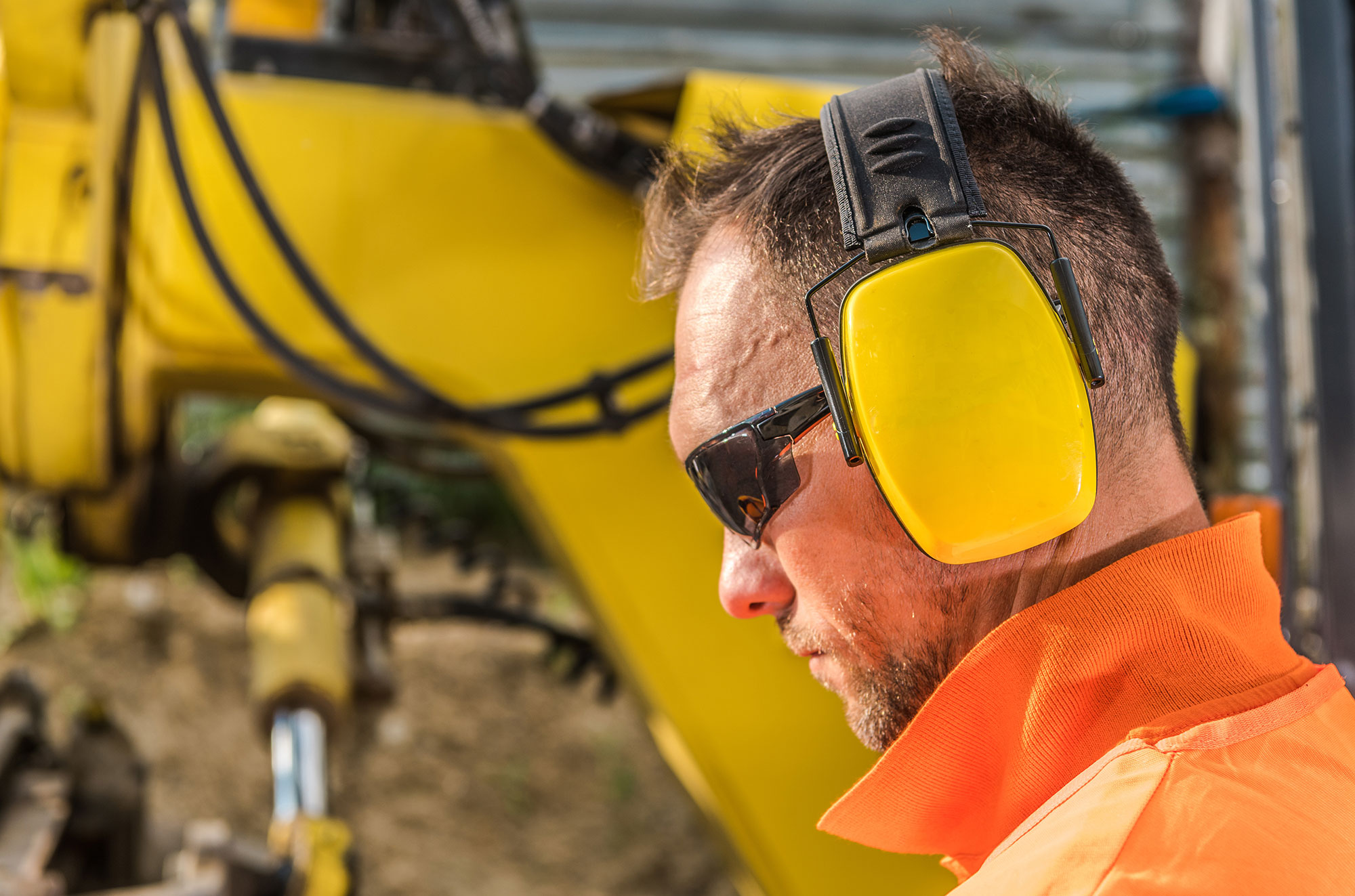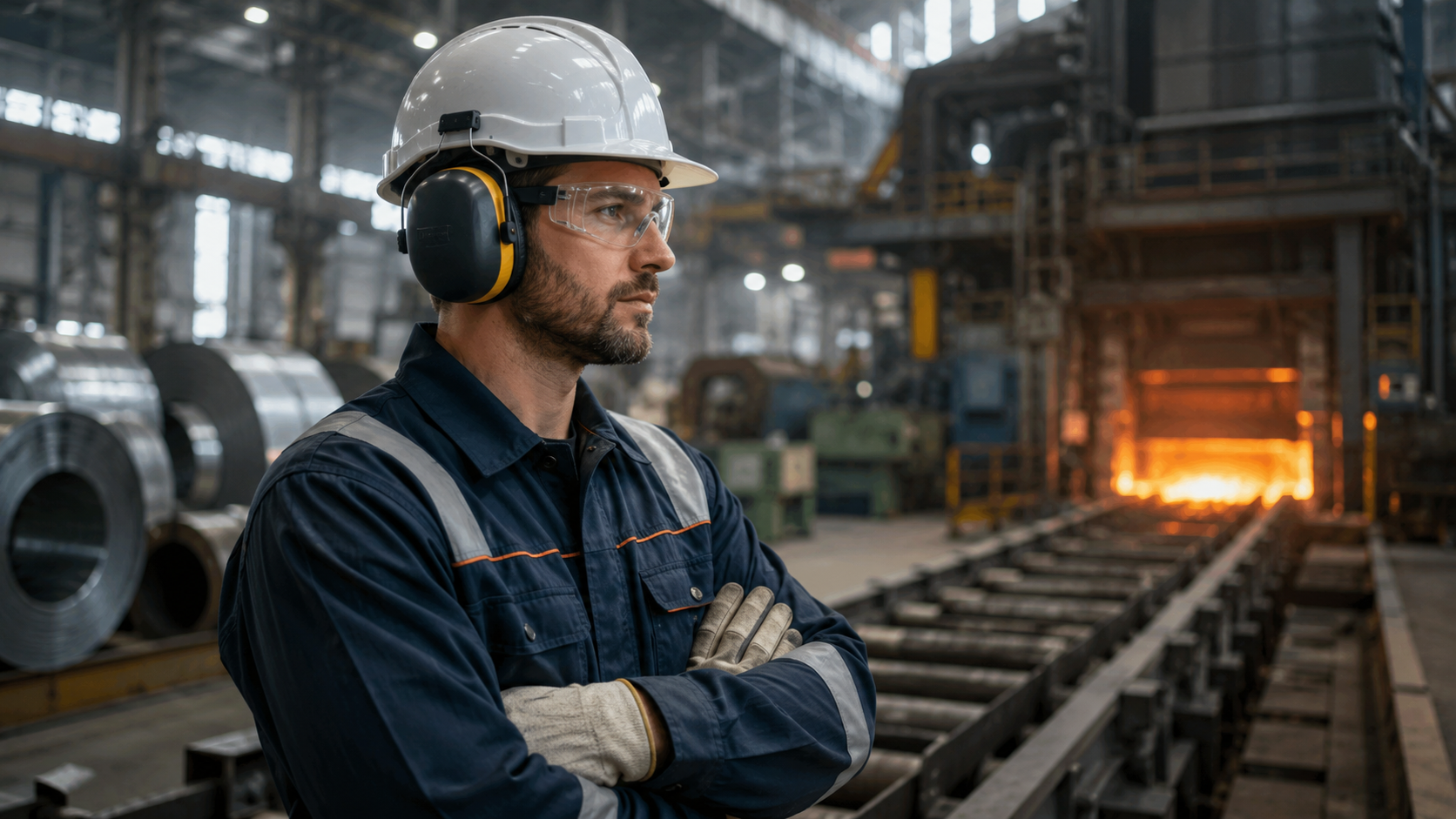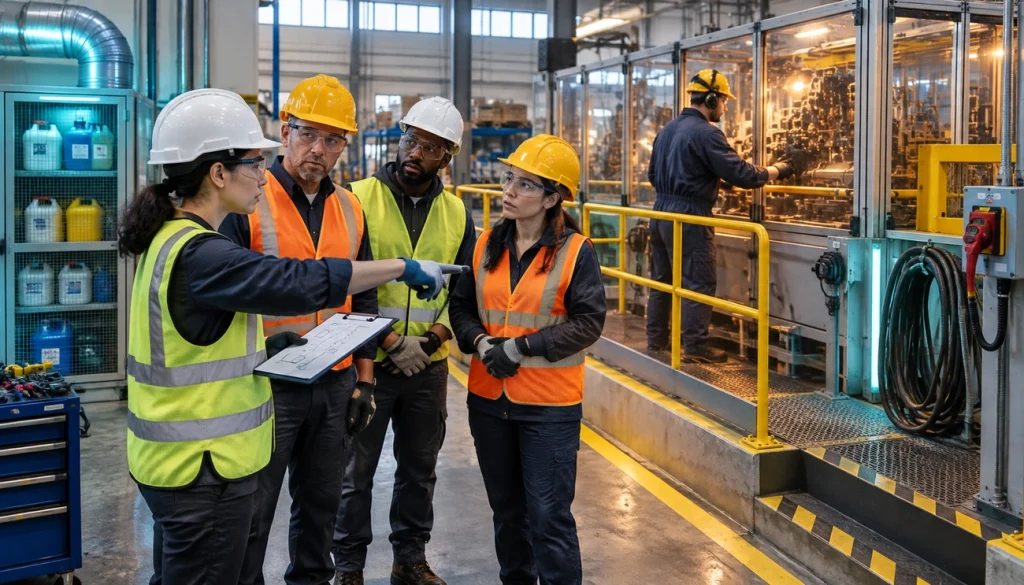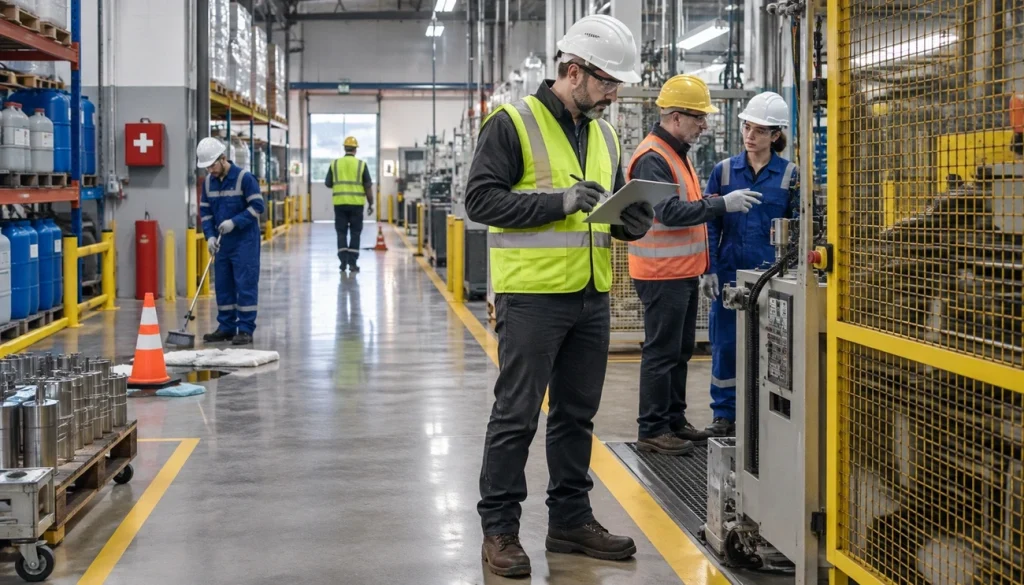
Heavy manufacturing environments are rarely quiet. Metal fabrication, steel processing, machining, stamping, grinding, welding, forging, material handling, compressed air systems, conveyors, motors, and heavy equipment can all create noise levels that threaten worker hearing over time.
The danger is that noise-induced hearing loss often develops gradually. A worker may not notice the damage during one shift, one week, or even one year. By the time hearing loss becomes obvious, the damage may be permanent.
That is why hearing protection in heavy manufacturing must be treated as part of a complete safety program. Earplugs and earmuffs matter, but they are only one piece of the solution. Employers need noise monitoring, hazard assessment, proper protector selection, worker training, fit, comfort, maintenance, and follow-up testing.
For companies managing demanding production environments, Arbill supports safety teams with PPE, training, assessments, and practical solutions designed around real workplace hazards.
Why Hearing Protection Matters in Heavy Manufacturing
Noise is one of the most common hazards in heavy industrial workplaces. Unlike a cut, burn, or impact injury, hearing damage may not be immediately visible. Workers may leave a shift thinking everything is fine, while repeated exposure slowly damages hearing.
Noise Exposure Builds Over Time
Manufacturing workers may be exposed to noise from multiple sources throughout the day. A grinder may be loud for a short period, while a press line, conveyor, or compressor may create steady background noise for hours. When these exposures combine, the total dose can become significant.
Heavy manufacturing teams often work long shifts, rotate between areas, and move around equipment with different sound levels. A hearing protection program should reflect those changing exposures instead of assuming every worker faces the same noise level.
Common Noise Sources
Noise in heavy manufacturing may come from stamping presses, grinders, saws, welding support equipment, pneumatic tools, forklifts, cranes, conveyors, compressors, blowers, motors, cutting operations, and impact tools.
In metal, steel, and fabrication environments, these hazards are often layered with heat, sparks, sharp edges, moving equipment, and production pressure. Arbill’s heavy industrial, metal, steel, and fabrication safety solutions can help safety teams connect hearing protection with the broader PPE and safety needs of these operations.
Hearing Loss Affects Safety and Communication
Hearing loss does more than reduce quality of life. It can also affect workplace safety. Workers may miss alarms, backup signals, shouted warnings, equipment changes, or instructions from nearby team members.
In high-risk environments, communication matters. A hearing protection program should reduce harmful noise exposure while still allowing workers to recognize important sounds and communicate safely.
Understanding OSHA Hearing Conservation Requirements
Hearing protection decisions should be based on measured exposure, not guesswork. OSHA’s occupational noise standard establishes when employers must monitor noise and create a hearing conservation program.
The 85 dBA Action Level
OSHA requires a hearing conservation program when employee noise exposure equals or exceeds an 8-hour time-weighted average of 85 dBA. This is known as the action level.
Once workers are included in the program, employers must address monitoring, audiometric testing, hearing protectors, training, and records. This helps identify workers at risk and ensures protection is selected and used correctly.
Noise Monitoring and Exposure Assessment
Noise monitoring helps determine which workers need to be included in the hearing conservation program and what level of protection is needed. In heavy manufacturing, noise can vary by machine, process, shift, production volume, maintenance condition, and worker location.
Monitoring should be repeated when equipment, production, process changes, or controls increase noise exposure or may make existing hearing protection inadequate.
Audiometric Testing
Audiometric testing helps track whether workers are experiencing changes in hearing over time. Baseline and follow-up testing can identify early signs of hearing loss and show whether the hearing conservation program is working.
Testing also helps safety teams respond when a worker experiences a standard threshold shift. That may require reviewing hearing protector adequacy, retraining, refitting, or improving noise controls.