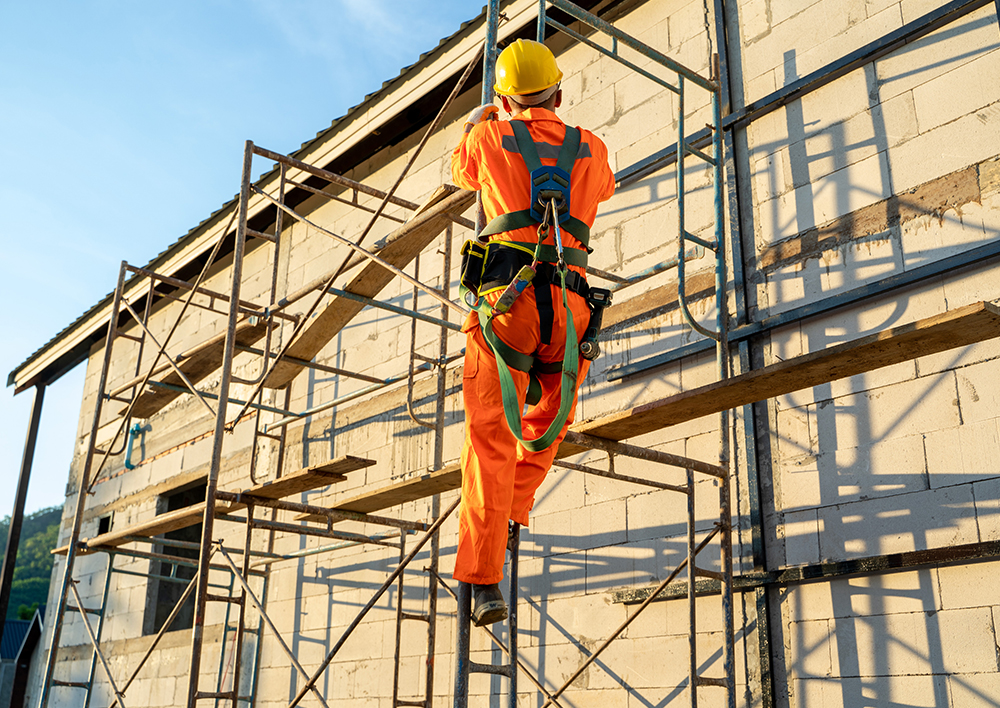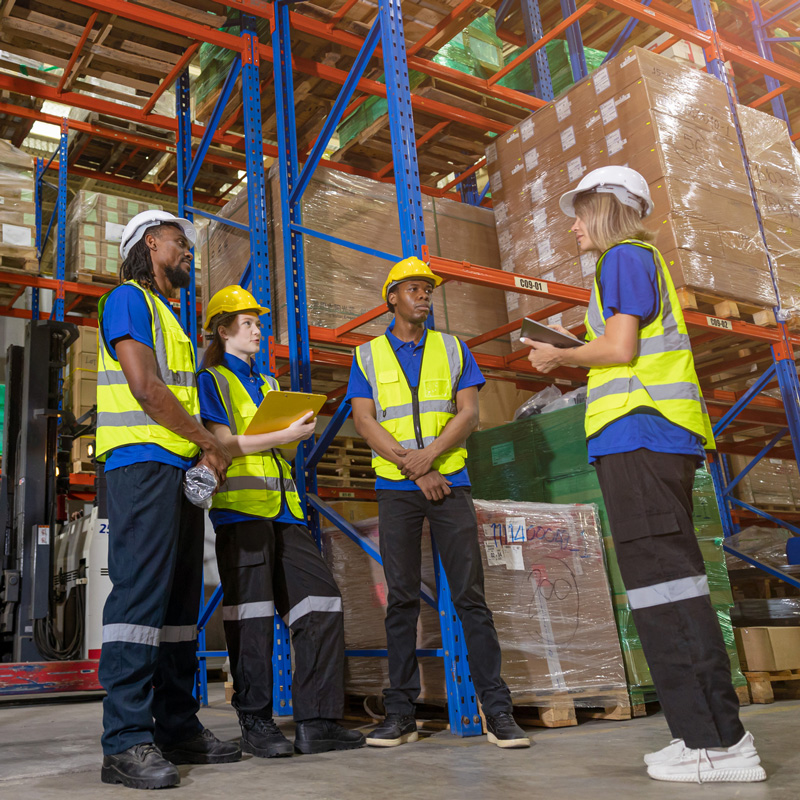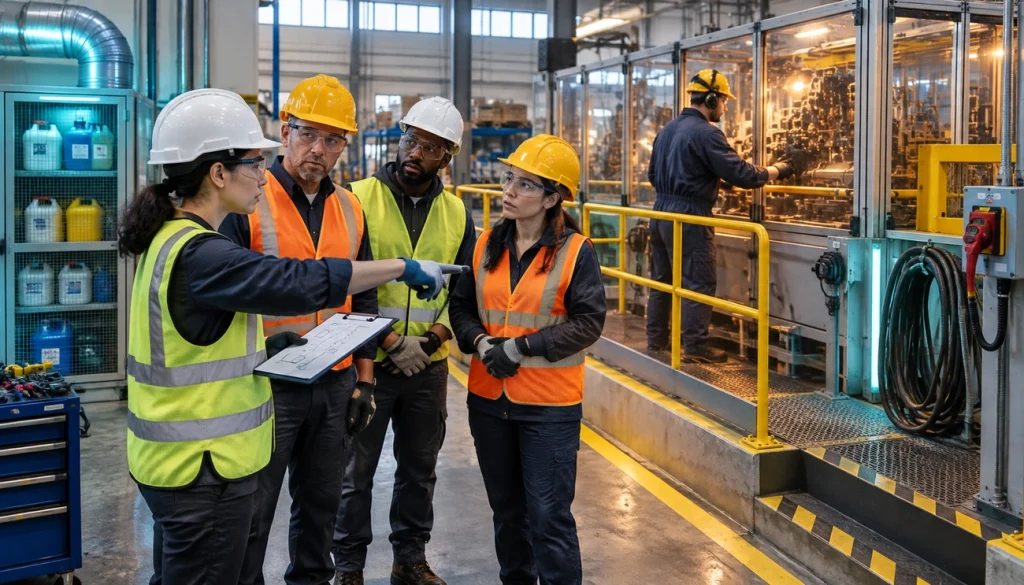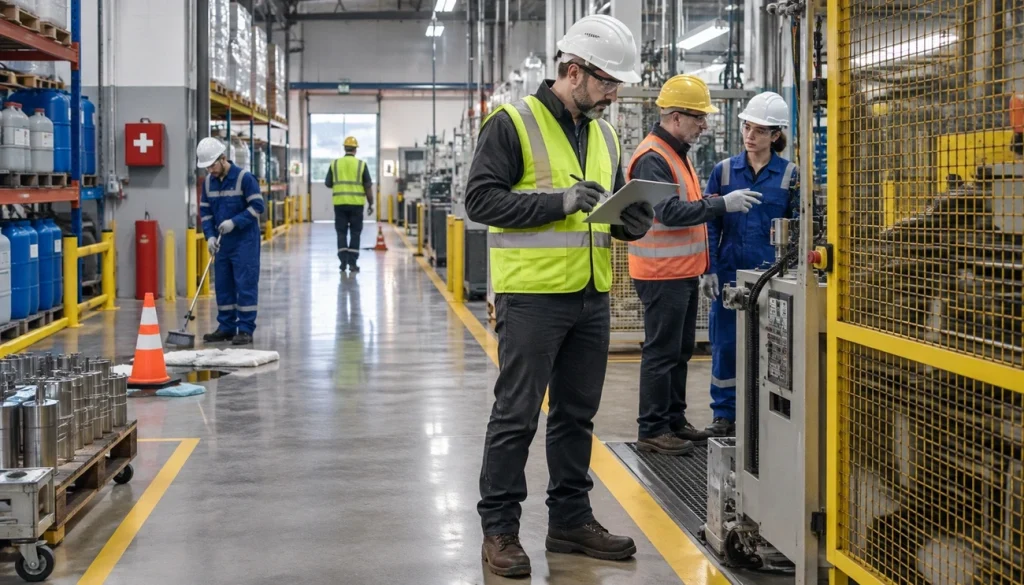
Fall hazards are one of the most serious risks in industrial environments. Workers may perform tasks on platforms, ladders, mezzanines, rooftops, loading areas, elevated equipment, scaffolds, tanks, rigs, silos, catwalks, and other raised surfaces where one missed step can lead to a severe injury.
Industrial and elevated work also creates risks beyond the fall itself. A worker may be exposed to falling tools, sharp edges, weather, moving equipment, confined access, awkward body positioning, or rescue delays after a fall arrest event. That is why fall protection cannot be treated as a single harness purchase.
A strong fall protection program includes hazard assessment, proper equipment selection, worker training, anchorage planning, inspection, rescue procedures, and supporting PPE that protects workers before, during, and after elevated work. For companies managing these risks, Arbill supports safety teams with PPE, services, and practical solutions built around real workplace hazards.
Why Fall Protection Matters in Industrial Work
Falls can happen in many parts of an industrial facility, not only on construction sites. Maintenance crews, operators, contractors, technicians, inspectors, and repair teams may all work at height during normal operations.
Elevated Work Is Often Routine
The danger with industrial fall hazards is that many elevated tasks feel routine. Workers may climb the same ladder, access the same platform, or inspect the same equipment every week. Familiarity can reduce caution, especially when the job is short or when workers believe they are “only going up for a minute.”
That short exposure can still be enough for a serious fall.
Common elevated work areas include:
- Fixed ladders and platforms
- Mezzanines and catwalks
- Loading docks and trailer areas
- Rooftops and roof edges
- Tanks, vessels, and silos
- Elevated machinery
- Racking and storage areas
- Utility and maintenance structures
The right fall protection solution depends on the surface, height, task, anchor location, movement required, and rescue plan.
Falling Objects Add More Risk
Elevated work also creates falling-object hazards for workers below. Tools, hardware, parts, and materials can drop from platforms or work areas if they are not secured.
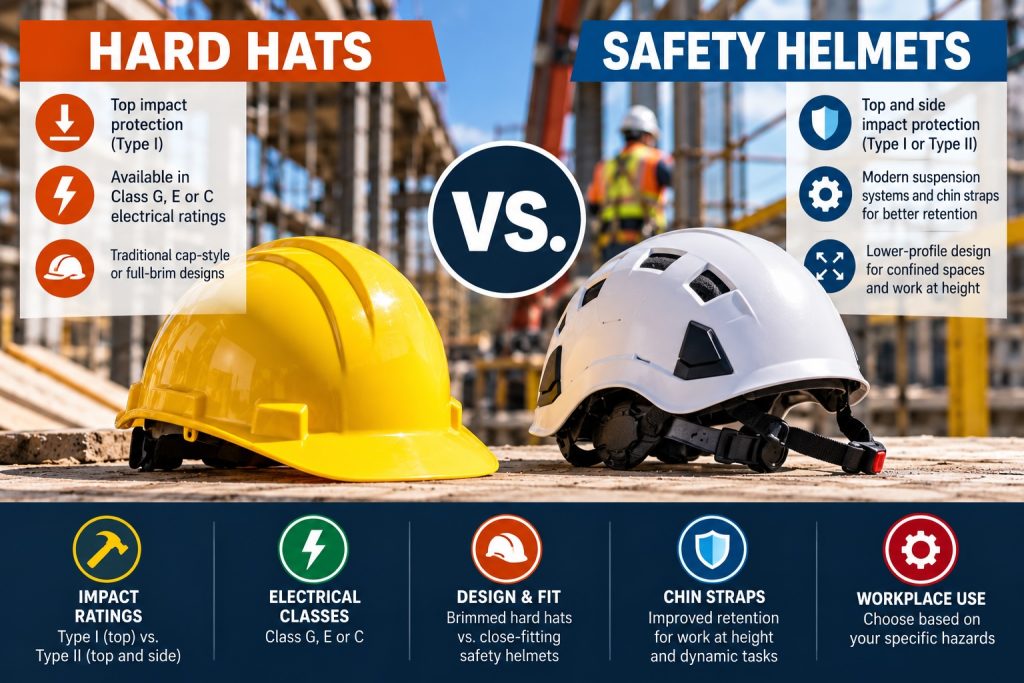
This is why fall protection planning should include head protection, tool control, barricades, and restricted access below elevated work. A harness may protect the worker at height, but the full work area needs controls.
Fall Protection Must Fit the Task
A personal fall arrest system may be appropriate for one task, while guardrails, travel restraint, positioning systems, or engineered access may be better for another. The goal is to prevent the fall when possible and reduce injury severity when fall arrest is required.
For equipment selection, Arbill’s fall protection category can support teams looking for harnesses, lanyards, lifelines, anchors, and related elevated-work safety products.
Common Industrial Fall Hazards
Industrial fall hazards vary by facility and task. A program should start by identifying where workers are exposed and what type of protection fits the work.
Platforms, Mezzanines, and Catwalks
Platforms and mezzanines are common in manufacturing, warehousing, utilities, processing facilities, and maintenance environments. Workers may access elevated controls, conveyors, tanks, storage areas, or equipment rooms.
If guardrails are missing, damaged, removed for access, or incomplete near openings, workers can be exposed to fall hazards. Even when guardrails are present, gates, stairs, ladders, and transition points may create exposure.
Ladders and Access Points
Fixed and portable ladders create hazards during climbing, carrying tools, transitioning on and off the ladder, or working from the ladder instead of a stable platform. Workers may also climb in wet, dusty, oily, cold, or windy conditions that affect grip and balance.
Ladder safety should include the condition of the ladder, the angle or installation, the worker’s footwear, the task duration, and whether a safer access method is available.
Rooftops and Equipment Areas
Industrial rooftops may include HVAC units, vents, piping, access hatches, skylights, parapets, and unprotected edges. Workers may visit these areas for inspection, repair, installation, or emergency maintenance.
Roof work requires edge awareness, safe access, proper anchorage, walking path planning, weather review, and rescue planning. Skylights and roof openings should also be treated as fall hazards.