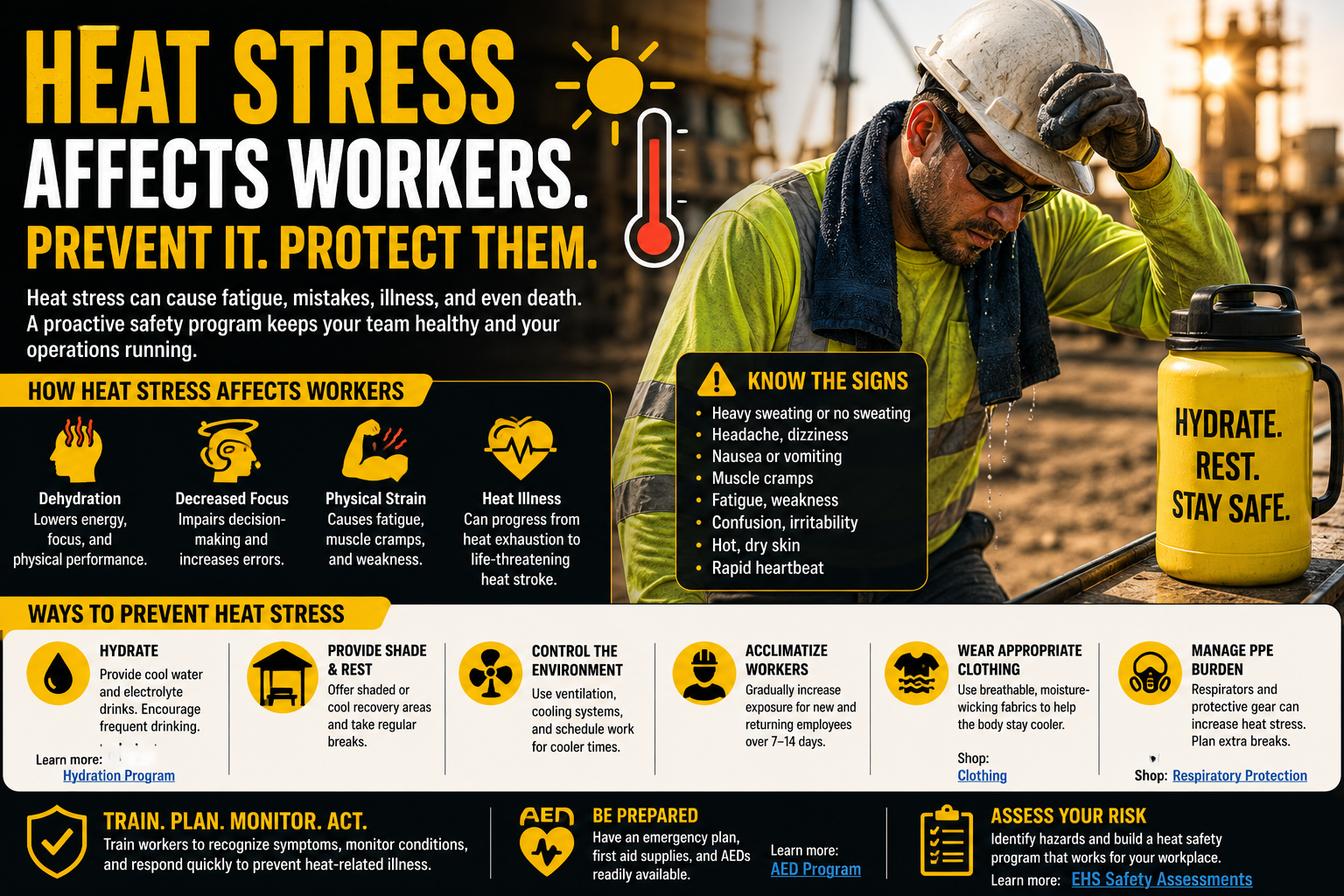
Heat stress can affect workers long before a medical emergency becomes obvious.

Employees working outdoors, inside warehouses, around furnaces or processing equipment, in confined areas, or while wearing heavy protective equipment may accumulate heat faster than their bodies can release it. Physical exertion adds even more internal heat, while humidity reduces the effectiveness of sweating.

As heat strain increases, workers may lose strength, concentration, coordination, and judgment. Those effects can increase the likelihood of mistakes, dropped tools, vehicle incidents, equipment errors, and other injuries even before the worker develops a recognized heat illness.

Preventing heat stress therefore requires more than responding when someone becomes sick. Employers need to evaluate heat exposure, provide hydration and recovery opportunities, control heat where practical, acclimatize workers, train supervisors, and prepare for emergencies.

What Happens to the Body During Heat Stress?

The human body continuously produces heat through metabolism and physical activity.

Under normal conditions, it releases excess heat through mechanisms such as sweating and increased blood flow to the skin. When workplace conditions overwhelm these cooling systems, internal heat begins to accumulate.

The Cardiovascular System Works Harder

As body temperature rises, blood vessels near the skin expand so more heat can escape.

The heart must pump harder to maintain circulation while supporting both the muscles and the body’s cooling process.

For employees performing strenuous work, this additional demand can contribute to fatigue and reduced physical performance.

Sweating Causes Fluid and Electrolyte Loss

Sweating is one of the body’s primary cooling mechanisms.

The process removes water and electrolytes. If those losses are not replaced, dehydration can develop and make it more difficult for the body to continue cooling itself effectively.

Workers should not wait until they are very thirsty before drinking. OSHA recommends frequent fluid intake throughout hot work. For work lasting more than two hours, electrolyte-containing beverages should also be available because sweating removes salts that water alone does not replace.

A structured workplace hydration program can help organizations plan fluid availability around heat exposure, workload, PPE, and job conditions.

Cognitive Performance Can Decline

Heat strain does not affect only physical strength.

Workers may become slower to react, less attentive, more irritable, or more likely to make poor decisions.

Those effects can be especially dangerous around forklifts, moving machinery, electrical systems, work at height, or other operations where concentration is critical.

A heat illness therefore can become an additional safety hazard even before obvious medical symptoms appear.

Early Signs of Heat Stress

Supervisors and employees need to recognize symptoms before the condition progresses.

Early warning signs may include headache, dizziness, weakness, nausea, heavy sweating, thirst, cramps, fatigue, irritability, or difficulty concentrating.

A worker who suddenly moves more slowly, appears confused, makes unusual mistakes, or struggles with a familiar task may also be experiencing heat strain.

OSHA recommends training workers and supervisors to recognize heat-related illnesses, understand prevention measures, provide first aid, and know how to contact emergency medical services.

Heat symptoms should not be dismissed as a normal part of working in summer conditions.

Heat Exhaustion vs. Heat Stroke

Heat exhaustion and heat stroke require different levels of response, although both should be taken seriously.

Heat Exhaustion

Heat exhaustion occurs when the body is struggling to manage heat and fluid loss.

A worker may experience heavy sweating, weakness, headache, dizziness, nausea, thirst, cramps, or cool and clammy skin.

The employee should stop working, move to a cooler area, receive appropriate fluids if able to drink, and be monitored.

Symptoms that worsen or fail to improve require medical attention.

Heat Stroke

Heat stroke is a medical emergency.

It occurs when the body’s temperature-regulation system fails and internal temperature rises to dangerous levels.

OSHA identifies symptoms such as confusion, irrational behavior, seizures, loss of consciousness, and very high body temperature as signs of possible heat stroke. Sweating may be absent, but it can also continue in some cases.

Emergency medical services should be contacted immediately.

While help is arriving, move the worker to a cooler area, remove unnecessary outer clothing, and begin active cooling.

Do not leave a worker experiencing severe heat illness alone.

Explore Our Solutions!
Heat stress and Hydration

Who Is Most at Risk?

Heat exposure does not affect every worker in the same way.

New and Returning Workers

Employees who are not accustomed to hot conditions face greater risk because their bodies have not yet adapted.

This includes new hires as well as experienced workers returning after vacation, illness, seasonal layoffs, or a period of cooler weather.

OSHA recommends increased precautions for approximately the first one to two weeks, including lighter exposure, more frequent rest, close supervision, heat-stress training, and a buddy system.

Employees Performing Heavy Physical Work

Lifting, carrying, climbing, pushing, pulling, digging, loading, and other strenuous tasks generate substantial metabolic heat.

A moderate outdoor temperature may therefore create serious heat stress when work intensity is high.

Employers should evaluate workload alongside environmental conditions rather than relying only on the air temperature.

Workers Wearing PPE

Protective equipment can add heat burden.

OSHA specifically notes that certain respirators, impermeable clothing, and head coverings can increase the risk of heat-related illness.

Employees wearing chemical suits, flame-resistant garments, respirators, or multiple layers may therefore require additional controls and more frequent recovery.

Arbill’s respiratory protection options can support airborne-hazard programs, but employers should also evaluate the thermal load created by the complete PPE ensemble.

Workers Exposed to Radiant Heat

Industrial heat does not come only from weather.

Furnaces, ovens, kilns, hot pipes, molten material, engines, boilers, and industrial processes can radiate significant heat into the work area.

Employees may face heat stress indoors throughout the year.

This is why heat prevention programs should address both outdoor and indoor environments.

Humidity Makes Heat More Dangerous

High humidity reduces the body’s ability to cool through evaporation.

A worker may continue sweating heavily while receiving much less cooling benefit.

This is one reason temperature alone is not always a reliable indicator of heat stress.

Environmental assessment may need to consider humidity, radiant heat, air movement, workload, clothing, and PPE together.

OSHA recommends evaluating total heat stress throughout the workday rather than looking at a single weather measurement.

Provide Easy Access to Hydration

Hydration should be built into normal work rather than treated as something employees manage on their own.

Provide Cool Drinking Water

Workers should have cool potable water near the work and in sufficient quantity for the entire shift.

OSHA recommends frequent drinking rather than waiting for thirst.

Access matters.

If water is located far away, behind locked doors, or only inside a break room, workers may skip drinking because leaving the job disrupts production.

Use Electrolytes for Longer Hot Work

For work lasting two hours or more, OSHA recommends access to additional fluids containing electrolytes.

These fluids help replace salts lost through prolonged sweating.

Electrolyte beverages should complement—not replace—water and other heat controls.

Workers should not be encouraged to push through unsafe conditions simply because hydration products are available.

As long as people go to work, we have an opportunity to help protect them.

Julie Copeland
Arbill CEO

Julie Copeland Arbill CEO

Increase Rest as Heat Stress Rises

Rest gives the body time to release accumulated heat.

Provide Cooler Recovery Areas

Workers should take heat recovery breaks somewhere cooler than the active work area.

Outdoors, that might be shade, an air-conditioned vehicle, a nearby building, or another cooled location.

Indoors, recovery should occur away from furnaces, ovens, hot equipment, or other heat sources.

OSHA notes that workers recover more quickly when rest occurs in a genuinely cooler environment.

Do Not Let Workers Skip Necessary Breaks

Employees may skip heat breaks because they want to finish a task, meet production expectations, or avoid appearing less productive.

In high heat, skipping recovery can be dangerous.

Supervisors should reinforce that rest periods are part of the safety procedure.

The frequency and duration of breaks should increase as heat stress rises.

Use Engineering Controls Where Practical

Hydration and rest are important, but employers should also reduce the heat at its source when possible.

Improve Ventilation and Air Movement

General ventilation, local exhaust, air conditioning, spot cooling, fans, or other systems may reduce environmental heat.

The correct method depends on the workplace and heat source.

Isolate Radiant Heat

Reflective barriers, insulation, shielding, and process isolation may help reduce exposure around furnaces, piping, kilns, or other hot equipment.

This can reduce the thermal load on employees before PPE becomes necessary.

Mechanize Heavy Tasks

Mechanical lifting, conveyors, powered carts, and other equipment can reduce physical exertion.

Lowering workload reduces the amount of metabolic heat workers generate.

OSHA specifically recommends reducing physical demands where possible as part of heat prevention.

Adjust Work Practices During High Heat

Administrative controls can reduce both exposure duration and workload.

Schedule Demanding Work During Cooler Periods

When operations allow, move the most strenuous work to early morning, evening, or other cooler portions of the shift.

This can be particularly useful for outdoor work.

Rotate Workers Carefully

Job rotation may reduce how long one person remains exposed to severe heat.

However, it should not simply spread unsafe exposure across more employees.

Each worker still needs adequate protection, hydration, acclimatization, and rest.

Reduce Pace When Conditions Require It

Production goals should account for environmental conditions.

Attempting to maintain the same work intensity during extreme heat can increase risk significantly.

Supervisors should have authority to reduce workload or suspend work when controls are insufficient.

Acclimatization Is a Critical Control

The body can gradually adapt to hot work, but this process takes time.

New Employees Need Gradual Exposure

New workers should not immediately perform a full workload in extreme heat.

Instead, exposure and workload should increase gradually while supervisors watch for symptoms.

OSHA recommends additional protections for approximately one to two weeks while workers build heat tolerance.

Returning Employees May Need the Same Protection

Heat tolerance can decline after an extended absence or cooler season.

An experienced employee may therefore become temporarily unacclimatized.

The program should consider recent exposure rather than assuming years of experience automatically provide protection.

Choose Clothing With Heat in Mind

Clothing influences how easily workers can release body heat.

Loose, breathable garments may improve cooling when hazards permit.

However, employees should never remove required PPE simply because conditions are hot.

Arbill’s industrial clothing options can support different workplace environments, but garment selection should consider both the primary hazard and thermal burden.

When protective clothing is heavy, impermeable, flame-resistant, or multi-layered, the heat program may need additional rest and cooling controls.

Heat and Respiratory Protection

Respirators can increase physiological workload and make hot conditions more difficult.

A worker wearing a tight-fitting respirator may experience added breathing resistance, facial heat, and reduced evaporation around the covered area.

If the respirator is required for an airborne hazard, employees should not remove it to become cooler.

Instead, the employer should address heat through engineering controls, workload adjustments, recovery areas, hydration, and appropriate work/rest schedules.

Heat and respiratory protection programs should therefore be coordinated instead of managed independently.

See Our Safety Services!
Heat Stress Safety at Work

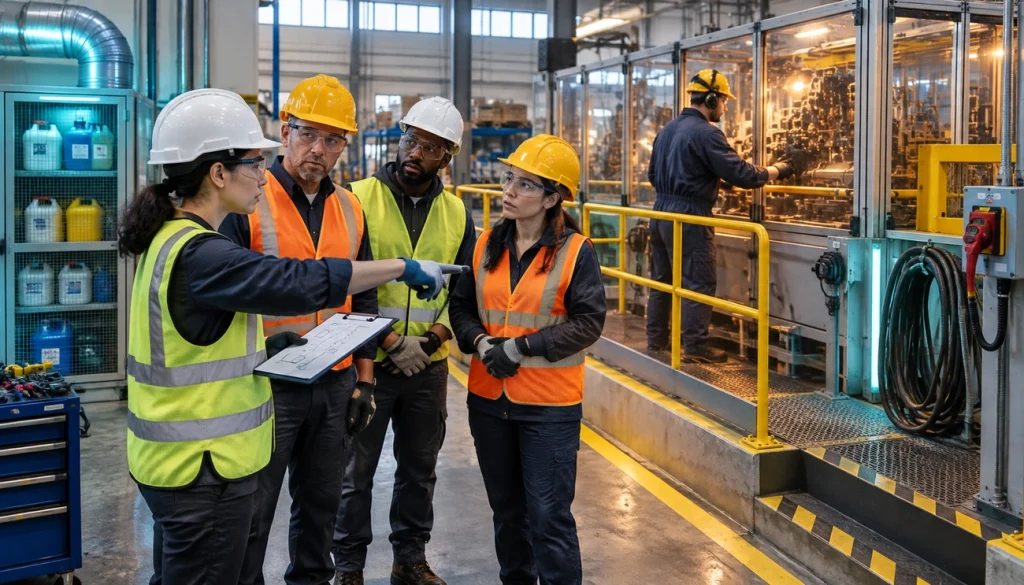
Train Supervisors to Recognize Behavioral Changes

Supervisors play an important role because heat illness can impair a worker’s judgment about their own condition.

A worker may insist that they are fine while showing confusion, unusual irritability, poor coordination, or unsafe behavior.

Supervisors should know when to stop the task and begin first aid.

Training should also make clear that workers should be encouraged to report symptoms without fear of discipline or criticism.

Use a Buddy System

Workers can help recognize symptoms in one another.

A buddy system is particularly useful for new workers and high-heat operations.

OSHA recommends that workers watch each other for signs of heat illness and be prepared to initiate first aid.

Employees should know that confusion, unusual behavior, collapse, seizures, or severe symptoms require immediate escalation.

Develop a Heat Emergency Response Plan

Every heat prevention program should include a specific emergency procedure.

The plan should identify who contacts emergency medical services, who provides initial first aid, where cooling supplies are located, and how responders will reach the worker.

It should also address remote or outdoor sites where emergency access may be delayed.

Employees must understand that severe heat illness can progress rapidly.

Waiting to see whether a confused or unconscious worker “feels better” can be dangerous.

Fire and Emergency Training Can Reinforce Preparedness

High-temperature industrial environments often present multiple hazards at once.

Facilities may need to prepare employees for fire, evacuation, heat exposure, and medical response.

Arbill’s Pyrosoft fire simulation training provides a controlled approach to fire extinguisher training without relying on live fire, helping organizations strengthen emergency readiness alongside heat illness planning.

Heat stress and fire safety are different hazards, but both require employees to recognize conditions quickly and respond according to practiced procedures.

Monitor Conditions Throughout the Shift

Heat exposure changes during the day.

Temperature, humidity, sunlight, equipment operation, workload, and ventilation can all vary.

A heat program should therefore include ongoing monitoring rather than relying only on a morning weather forecast.

Employers may use weather information, heat index, or more comprehensive workplace measurements such as wet bulb globe temperature where appropriate.

When conditions change, controls should change too.

Review Incidents and Near Misses

Heat symptoms should be documented and investigated even when the employee recovers quickly.

Look for patterns involving work areas, time of day, job tasks, PPE, hydration access, staffing, and new employees.

A recurring pattern may show that existing controls are insufficient.

Near misses also matter.

A forklift operator becoming dizzy or a worker nearly dropping a load because of heat fatigue may reveal serious risk even when no medical treatment is required.

Common Heat Stress Prevention Mistakes

One common mistake is relying only on bottled water.

Hydration is essential, but it cannot replace rest, acclimatization, cooling, engineering controls, training, or emergency planning.

Another mistake is using one break schedule for every employee regardless of workload, PPE, or heat exposure.

Employers may also underestimate indoor heat because employees are not working in direct sunlight.

Facilities with ovens, furnaces, processing equipment, limited ventilation, or heavy PPE can create severe heat exposure indoors.

Finally, some programs focus on experienced employees while overlooking new and returning workers, even though these groups may be particularly vulnerable.

Build a Practical Heat Safety Program

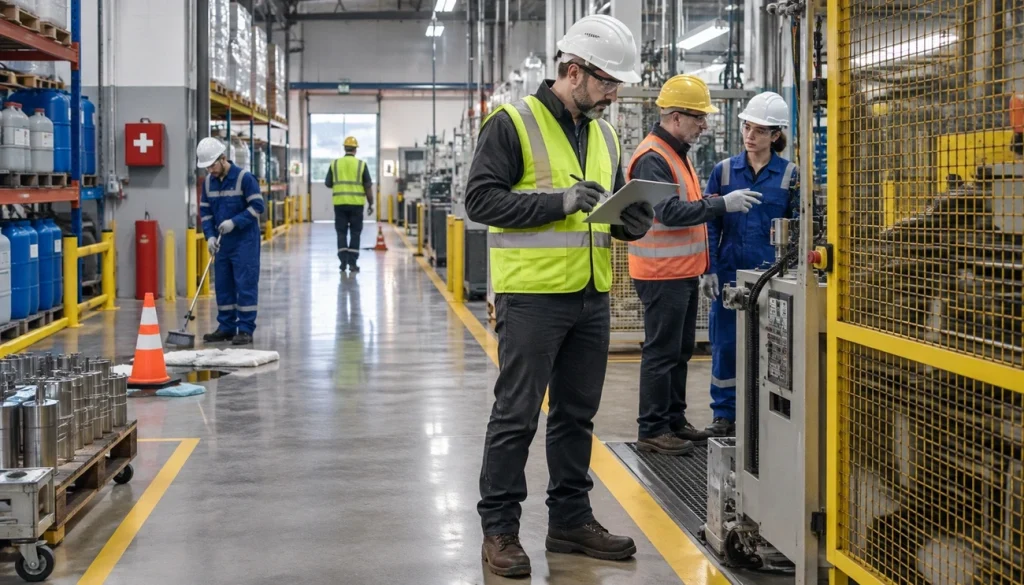
An effective program should begin with a heat-risk assessment.

Identify hot work areas, high-exertion tasks, radiant heat sources, PPE burden, humidity, outdoor exposure, and groups of workers who may require additional protection.

Then establish clear procedures for hydration, recovery breaks, acclimatization, workload changes, training, supervision, and medical response.

OSHA recommends a complete heat illness prevention program for workers exposed to conditions that can cause heat illness, including water, rest, shade or cooler recovery, acclimatization, schedule modification, emergency planning, training, and symptom monitoring.

The program should be reviewed when processes, PPE, staffing, weather, or work conditions change.

Conclusion

Heat stress affects much more than worker comfort.

As body temperature rises and dehydration develops, employees can lose strength, coordination, concentration, and judgment. These effects can increase the risk of both heat illness and secondary workplace accidents.

Employers should respond with a complete prevention strategy.

Provide cool water and electrolyte-containing fluids when appropriate. Increase rest as conditions become more severe. Give workers a cooler place to recover, acclimatize new and returning employees, reduce workload where practical, and train supervisors to recognize early symptoms.

Engineering controls, work scheduling, suitable clothing, and emergency planning should support these measures.

Employers should also recognize that some necessary PPE—including respiratory protection and impermeable clothing—can increase heat burden and require additional precautions.

When heat safety becomes part of everyday work planning rather than a seasonal reminder, organizations can better protect workers while reducing heat-related emergencies, errors, and operational disruption.

Request a Safety Assessment

Recent Posts

Workplace Safety Programs
How to Improve Safety Culture in Industrial Workplaces

How to Improve Safety Culture in Industrial Workplaces

Essential Guide to Preventing Workplace Eye Injuries
Workplace Eye Injuries: Causes, Prevention, and PPE Solutions

Workplace Eye Injuries: Causes, Prevention, and PPE Solutions

First Aid SmartCompliance
How Often Should First Aid Kits Be Inspected and Restocked?

How Often Should First Aid Kits Be Inspected and Restocked?

How to Implement Lockout Tagout Procedures in Manufacturing
Lockout/Tagout Best Practices for Manufacturing Facilities

Lockout/Tagout Best Practices for Manufacturing Facilities

Safety Glasses Side Sheilds
How to Select the Best Safety Glasses for Different Job Sites

How to Select the Best Safety Glasses for Different Job Sites

  • Previous ProjectCommon Respirator Mistakes That Put Workers at Risk

  • Next ProjectFall Protection Requirements Every Employer Should Know

CUSTOMER SERVICE

800-523-5367

CONTACT US

Complete the short form below and an Arbill representative will get back to you within 24 hours.
* Required Fields

    ARBILL RESPECTS YOUR PRIVACY AND YOUR INFORMATION: By submitting the form above you agree to receiving emails from Arbill. Your submitted information is NEVER shared. You may unsubscribe at any time via the "unsubscribe" link in our emails. You can view our Privacy Policy HERE.