A chemical splash to the eyes can become a serious medical emergency within seconds.

In workplaces where employees handle corrosive chemicals, cleaning agents, process fluids, battery electrolyte, laboratory materials, or other hazardous substances, emergency eyewash stations provide an immediate way to begin flushing contaminants from the eyes before professional medical treatment is available.

That immediate response can make a significant difference.

Eyewash stations are not simply another piece of first aid equipment. In some workplaces, they are a required emergency control that must remain accessible, functional, and ready for use at all times.

Employers need to understand when eyewash stations are required, where they should be located, how they should be maintained, and how they fit into a broader eye protection and emergency-response program.

What Is an Emergency Eyewash Station?

An emergency eyewash station is a device designed to deliver flushing fluid to the eyes after exposure to a hazardous substance.

The objective is to begin rinsing contaminants away as quickly as possible.

Depending on the workplace, emergency equipment may include:

  • Plumbed eyewash stations
  • Self-contained eyewash units
  • Eye/face wash equipment
  • Emergency showers
  • Combination shower and eyewash units
  • Supplemental personal wash bottles

The correct equipment depends on the hazard.

A small portable bottle may provide useful supplemental flushing, but it should not automatically be assumed to replace a compliant emergency eyewash where a full station is required.

When Does OSHA Require Emergency Eyewash Equipment?

OSHA’s general-industry first aid standard addresses emergency flushing facilities in 29 CFR 1910.151(c).

It requires suitable facilities for quick drenching or flushing of the eyes and body within the work area where employees may be exposed to injurious corrosive materials. (osha.gov)

This means the requirement is driven by the exposure.

If employees can reasonably be exposed to a corrosive substance that could injure the eyes or body, employers should evaluate whether emergency eyewash, shower equipment, or both are necessary.

Corrosive Chemicals Are a Key Trigger

One of the most important questions is whether employees are working with injurious corrosive materials.

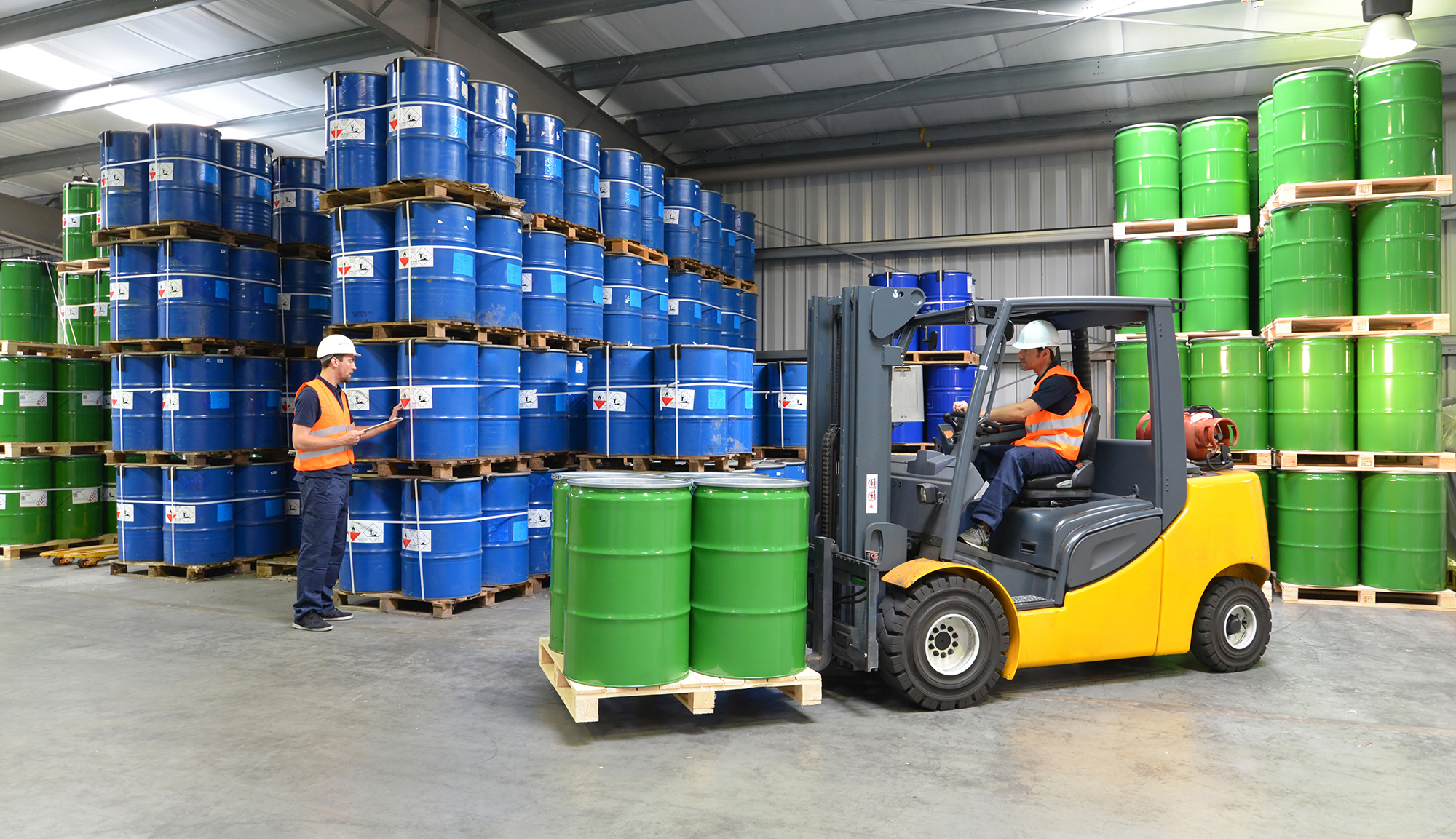
Examples may include certain acids, caustics, battery electrolyte, industrial cleaners, and process chemicals.

The Safety Data Sheet should be reviewed as part of the hazard assessment.

If a chemical presents serious eye or skin corrosion hazards, emergency flushing equipment may be required.

Do Not Base the Decision Only on Quantity

A relatively small amount of highly corrosive material can still create a serious eye hazard.

The evaluation should consider:

  • Chemical properties
  • Concentration
  • Quantity
  • How the material is handled
  • Likelihood of splash
  • Number of exposed employees
  • Potential injury severity

The goal is to determine whether an employee could realistically need immediate flushing after an exposure.


Explore Our Solutions!
Choosing proper eye protection

Where Emergency Eyewash Stations Are Commonly Needed

Several workplace environments frequently require closer evaluation.

Chemical Manufacturing and Processing

Employees may transfer, mix, sample, clean, or maintain equipment containing corrosive substances.

Pumps, hoses, valves, tanks, and piping can create splash risks during both routine and maintenance work.

Industrial Maintenance

Maintenance technicians often open process equipment, disconnect chemical lines, clean machinery, or work with batteries and cleaning chemicals.

These non-routine tasks can create exposure even when the normal production process is enclosed.

Laboratories

Laboratory workers may handle acids, bases, reagents, and other hazardous chemicals at relatively close proximity to the face.

Battery Charging Areas

Battery electrolyte can present corrosive exposure hazards.

Employers should evaluate charging and maintenance areas carefully to determine what emergency flushing capability is necessary.

Cleaning and Sanitation Operations

Industrial cleaning can involve concentrated chemicals that are substantially more hazardous than ordinary household products.

Mixing, dispensing, or transferring these products can create splash exposure.

Why Fast Access Matters

An eyewash station is only useful if an exposed employee can reach it immediately.

Chemical injuries can progress quickly.

A worker who must travel across a large production area, find a key, climb stairs, or move through locked doors may lose valuable flushing time.

OSHA’s rule requires suitable facilities within the work area for immediate emergency use.

ANSI/ISEA Z358.1-2014 (R2020), which OSHA frequently references as useful industry guidance, provides more detailed recommendations for location and emergency equipment performance. (webstore.ansi.org)

The 10-Second Accessibility Guideline

ANSI/ISEA guidance calls for emergency eyewash and shower equipment to be located so it can generally be reached in no more than approximately 10 seconds.

The station should also be on the same level as the hazard and located along an unobstructed path.

This is particularly important because an employee with chemicals in their eyes may not be able to see clearly.

They should not need to navigate stairs, doors, equipment, pallets, or complex routes while injured.

Keep the Path Clear

One of the easiest eyewash failures to prevent is blocked access.

Warehouses, laboratories, and manufacturing facilities constantly change.

Boxes, pallets, carts, temporary equipment, maintenance tools, or stored materials can gradually encroach on emergency equipment.

Eyewash stations should remain visible and unobstructed at all times.

Floor markings or designated clearance areas can help prevent employees from storing materials around the station.

Emergency Eyewash Stations Need Enough Flushing Time

Proper flushing is not a quick splash of water.

ANSI/ISEA emergency eyewash guidance is built around the ability to provide continuous flushing for an extended period, commonly at least 15 minutes for compliant eyewash equipment.

That duration allows an exposed worker to continue rinsing contaminants rather than stopping after a few seconds because the supply runs out.

The exact response for a particular substance should also consider the product’s Safety Data Sheet and medical guidance.

Why Tepid Flushing Fluid Matters

Emergency flushing fluid should not create another hazard.

Water that is extremely cold may make it difficult for an injured employee to continue flushing.

Excessively hot water may create additional injury.

ANSI/ISEA Z358.1 defines tepid flushing fluid within a temperature range intended to support sustained emergency use.

Facilities in extreme hot or cold environments should pay particular attention to water temperature, freeze protection, and station location.

Eyewash Stations Must Allow Hands-Free Operation

During an emergency, an injured employee may need both hands to hold their eyelids open.

That is why emergency eyewash equipment is designed to remain operating once activated without requiring the user to continuously hold a control.

The activation mechanism should also be easy to operate quickly.

A complicated valve or difficult cover wastes time when the employee may already be panicking or unable to see clearly.

An Eyewash Bottle Is Not Always a Substitute

Portable eyewash bottles can be useful.

They may provide immediate supplemental flushing while an employee moves toward a full eyewash station.

However, their limited volume means they generally cannot provide the same continuous flushing capability as a compliant eyewash unit.

Facilities should not assume that placing a small bottle beside a corrosive chemical automatically satisfies emergency eyewash requirements.

The required equipment should be determined from the hazard assessment.

Eyewash Stations and Emergency Showers Serve Different Purposes

Eye exposure and full-body exposure are not always the same hazard.

An eyewash station primarily flushes the eyes.

A safety shower is designed to rinse larger areas of the body.

If a corrosive material could splash across an employee’s face, torso, arms, or other body areas, a shower or combination unit may be necessary.

Some processes justify both eye and body emergency flushing capability.

Inspect Eyewash Stations Regularly

Emergency equipment cannot be allowed to sit untouched for years.

Sediment, corrosion, blocked nozzles, stagnant water, broken valves, low flow, plumbing problems, or storage obstructions can make equipment unreliable when an emergency occurs.

Facilities should establish a routine inspection and activation program.

Check Accessibility

Confirm that nothing blocks the path to the unit.

Check Activation

Make sure the valve activates easily and remains operating as intended.

Check Flow

Both eyes should receive appropriate flushing flow.

Check Condition

Look for corrosion, contamination, damaged caps, leaking plumbing, broken signs, or other defects.

Check Self-Contained Units

Portable or self-contained equipment may require fluid replacement, inspection, or maintenance according to manufacturer instructions.

”As long as people go to work, we have an opportunity to help protect them.

Julie Copeland
Arbill CEO

Julie Copeland Arbill CEO

Weekly Activation Is an Important Practice

ANSI/ISEA guidance calls for plumbed eyewash equipment to be activated weekly.

This helps verify operation and flush sediment or stagnant water from supply lines.

Weekly activation can also identify maintenance problems before an actual emergency exposes them.

A facility may include eyewash checks in its normal EHS, maintenance, or first aid inspection schedule.

Conduct a More Detailed Annual Review

In addition to routine activation, emergency equipment should receive a more comprehensive inspection to verify that it continues to meet applicable performance requirements.

The review can evaluate:

  • Location
  • Accessibility
  • Flow
  • Temperature
  • Activation
  • Signage
  • Equipment condition
  • Required flushing capability

Facility changes should also trigger reevaluation.

An eyewash station that was correctly positioned years ago may no longer be suitable after a production line or chemical storage area is relocated.

Train Employees Before an Emergency

Workers should not see the eyewash station for the first time after chemical exposure.

Training should explain:

  • Where stations are located
  • Which tasks can create eye exposure
  • How to activate the unit
  • How to hold the eyelids open while flushing
  • Why contact lenses may complicate exposure
  • How long flushing may need to continue
  • How to obtain medical assistance

Practical demonstration can make the response much faster during a real emergency.

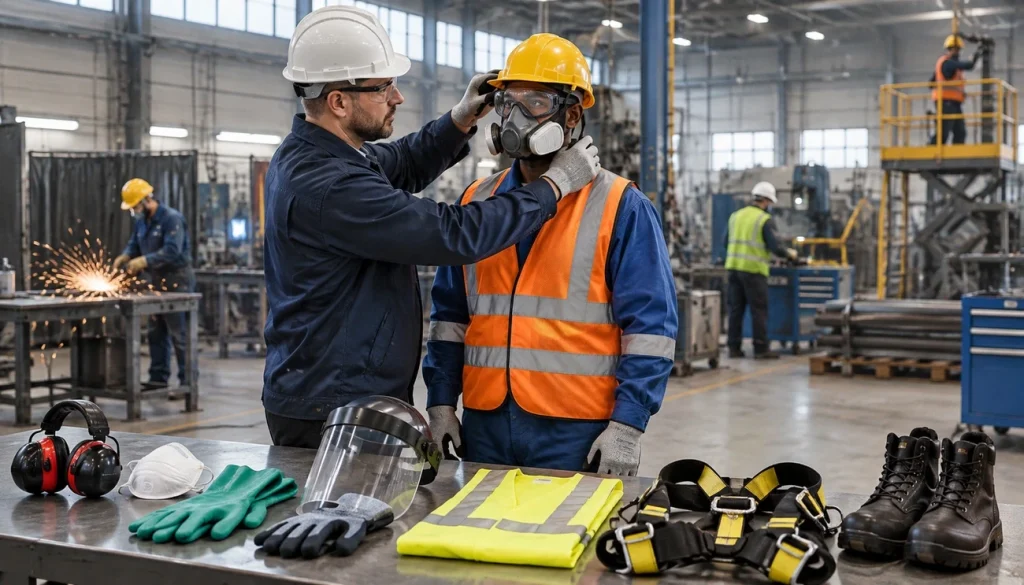
PPE Does Not Replace an Eyewash Station

Chemical goggles, safety glasses, and face shields are essential preventive controls.

But PPE does not make exposure impossible.

A seal can shift.

A splash can approach from an unexpected direction.

An employee may remove PPE during cleanup.

Equipment can fail.

Where emergency eyewash requirements apply, protective eyewear and emergency flushing equipment serve different purposes.

Arbill’s eye and face protection solutions can help employers match protective eyewear to chemical splash, impact, dust, and other workplace hazards.

Select Eye Protection for the Chemical Hazard

Ordinary safety glasses may not provide adequate protection from a liquid chemical splash.

Where splash exposure exists, employers may need appropriately rated goggles.

Higher-volume splash hazards may also require a face shield over primary eye protection.

Arbill’s guide to workplace eye injuries, causes, prevention, and PPE solutions explains how different eye hazards require different types of protective equipment.

Emergency eyewash planning should be connected to that PPE assessment.

Eyewash Equipment Should Be Part of the First Aid Program

Emergency eyewash stations are one part of broader emergency preparedness.

First aid supplies, trained responders, emergency communication, medical arrangements, spill response, and PPE should work together.

Arbill’s First Aid SmartCompliance solution can help organizations keep essential first aid products organized and easier to replenish.

A workplace should not discover during an emergency that its first aid cabinet is empty while its eyewash station is blocked or nonfunctional.

Both systems require active maintenance.

Keep Supplemental Eye Care Supplies Available

Depending on the workplace, first aid supplies may include sterile eyewash products, eye pads, gloves, dressings, or other emergency care items.

Arbill’s first aid, emergency, and personal care supplies can support broader workplace preparedness alongside installed emergency equipment.

Supplemental products should support—not replace—required emergency eyewash facilities.

Use Safety Data Sheets to Guide Planning

The Safety Data Sheet can provide important information regarding eye hazards, first aid measures, and recommended emergency response.

Employees who handle chemicals should know how to access SDS information quickly.

During a hazard assessment, review whether the substance:

  • Causes serious eye damage
  • Is corrosive
  • Requires prolonged flushing
  • Presents skin exposure hazards
  • Requires immediate medical evaluation

Those details help determine the emergency equipment and response plan.

Pay Attention to Temporary and Non-Routine Work

Permanent production areas are not the only places where eye hazards occur.

Maintenance shutdowns, tank cleaning, chemical line opening, construction, temporary laboratories, battery replacement, and contractor work can create short-term exposure.

If the hazard moves, emergency flushing capability may also need to move.

Employers should include eyewash access in job planning before temporary work begins.

Outdoor Eyewash Stations Require Additional Planning

Outdoor facilities can create unique challenges.

Freezing temperatures may disable plumbing or create dangerously cold flushing fluid.

Hot climates may cause exposed water lines to produce dangerously warm water.

Dust and weather can contaminate equipment.

Outdoor stations may therefore need freeze protection, insulation, temperature control, covers, or other design features suited to the environment.

Signage Should Make Stations Easy to Find

Emergency eyewash equipment should be clearly identified.

Workers and visitors need to recognize the station quickly from the surrounding work area.

Good visibility becomes even more important in large industrial facilities where an employee may be working outside their normal department.

Signs should remain visible and should not be obscured by equipment, shelving, or temporary storage.

See Our Safety Services!
Eye Safety and Eye Protection

Lighting Matters

An eyewash station located in a dark corner is more difficult to identify and use.

The surrounding area should have adequate lighting.

Emergency lighting may also be important in facilities where a chemical incident could occur during power loss or shutdown conditions.

Do Not Install Obstructions Around the Station

A station can technically be only a few feet away yet still be difficult to reach.

Examples of problematic obstructions include:

  • Locked doors
  • Stairways
  • Turnstiles
  • Pallets
  • Equipment
  • Storage racks
  • Temporary construction barriers

The actual travel path matters more than the straight-line distance.

Include Contractors and Temporary Employees

Contractors, temporary workers, and visitors may encounter the same chemicals as permanent employees.

Before work begins, they should know where emergency eyewash equipment is located and how to use it.

Contractors should also coordinate with the host employer when their work introduces corrosive chemicals into an area that previously did not require emergency flushing equipment.

Investigate Every Eyewash Use

When an employee activates an emergency eyewash because of actual exposure, investigate what happened.

Determine:

What chemical was involved?

Was the correct PPE being used?

How did the splash occur?

Did the eyewash work properly?

Was access immediate?

Did the employee know what to do?

Was enough flushing fluid available?

The event may reveal a PPE problem, procedural weakness, equipment failure, or training gap.

Common Emergency Eyewash Mistakes

Several problems appear repeatedly in workplaces.

One is installing an eyewash station and then forgetting about it.

Another is blocking access with stored materials.

Facilities may also rely on portable bottles where a full station is necessary, allow nozzles to become contaminated, fail to activate plumbed equipment regularly, or position the unit too far from the hazard.

Other mistakes include:

  • Using water that is excessively hot or cold
  • Failing to train employees
  • Assuming safety glasses eliminate the need for flushing facilities
  • Ignoring temporary chemical work
  • Allowing outdated chemical assessments to determine current equipment needs

Most of these problems are preventable through routine inspection and hazard review.

A Practical Emergency Eyewash Program

Start by identifying all corrosive and serious eye hazards in the facility.

Map where those substances are stored, transferred, mixed, used, and maintained.

Determine whether employees need eyewash equipment, emergency showers, or combination units.

Then verify that stations are accessible, clearly marked, properly maintained, and suitable for immediate use.

Train employees before exposure occurs.

Finally, connect eyewash inspection with the broader first aid and PPE program so the facility reviews emergency readiness as a complete system rather than as individual pieces of equipment.

Conclusion

Emergency eyewash stations provide one of the most important immediate-response controls for workplaces where employees may be exposed to injurious corrosive materials.

OSHA requires suitable quick-drenching or flushing facilities within the work area where that exposure can occur.

But simply installing a station is not enough.

The unit must remain accessible, functional, properly maintained, clearly identified, and appropriate for the hazard.

Industry guidance under ANSI/ISEA Z358.1 also emphasizes prompt access, continuous flushing capability, appropriate flushing-fluid conditions, regular activation, inspection, and employee training.

Eye protection remains the first line of defense against chemical splash.

Emergency eyewash equipment provides critical backup when prevention fails.

When both systems are supported by proper first aid supplies, training, hazard assessment, and routine inspection, employers are far better prepared to respond when seconds matter.

Request a Safety Assessment

Recent Posts

How to Choose Personal Protective Equipment for Your Employees
How to Choose the Right Workplace Safety Equipment for Your Employees

How to Choose the Right Workplace Safety Equipment for Your Employees

How Smart Sensors Are Changing Warehouse Operations
Forklift Safety Technology: How Smart Sensors Are Changing Warehouse Operations

Forklift Safety Technology: How Smart Sensors Are Changing Warehouse Operations

The Ultimate Warehouse Safety Guide for Busy Operations
Forklift Pedestrian Safety: How to Reduce Collisions in Busy Warehouses

Forklift Pedestrian Safety: How to Reduce Collisions in Busy Warehouses

How Forklift Proximity Detection Systems Help Prevent Workplace Accidents

How Forklift Proximity Detection Systems Help Prevent Workplace Accidents

Safety Training
Leading vs. Lagging Safety Indicators: What Should You Track?

Leading vs. Lagging Safety Indicators: What Should You Track?

  • Previous ProjectHow Winter Weather Impacts Job Site Safety

  • Next ProjectA Buyer's Guide to Disposable vs. Reusable Respirators

CUSTOMER SERVICE

800-523-5367

CONTACT US

Complete the short form below and an Arbill representative will get back to you within 24 hours.
* Required Fields

    ARBILL RESPECTS YOUR PRIVACY AND YOUR INFORMATION: By submitting the form above you agree to receiving emails from Arbill. Your submitted information is NEVER shared. You may unsubscribe at any time via the "unsubscribe" link in our emails. You can view our Privacy Policy HERE.