Managing personal protective equipment at one industrial facility can be challenging. Managing it across several plants, warehouses, service yards, distribution centers, laboratories, or field locations creates a much more complex responsibility.
Each site may perform different work, operate different equipment, handle different chemicals, and employ workers with different experience levels. Regional climate, local regulations, staffing patterns, and purchasing practices may also vary.
Without a coordinated PPE program, these differences can create inconsistent protection.
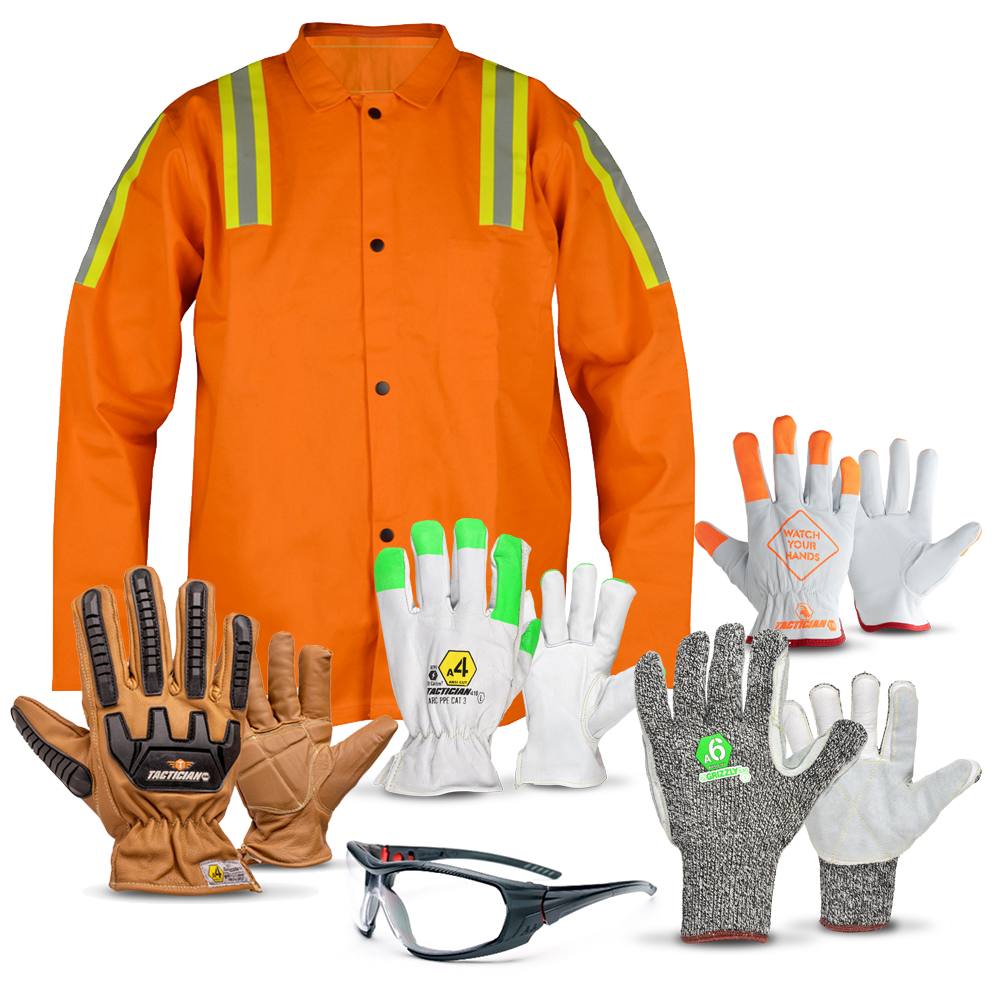
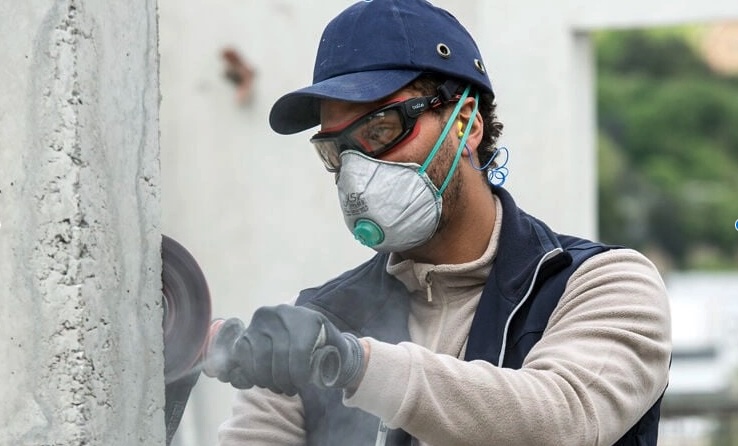
One facility may issue high-quality task-specific gloves while another purchases whatever is available. Respirator models may vary between locations, making fit testing and replacement parts harder to manage. Workers may receive different eye protection for identical hazards. Some sites may keep excessive inventory while others regularly run out of essential equipment.
A multi-site PPE management program creates a consistent protection framework while preserving enough flexibility to address local hazards. It connects hazard assessments, product selection, worker fit, training, inventory control, compliance documentation, replacement, and performance measurement across the entire organization.
For companies managing protection across complex operations, Arbill supports industrial teams with PPE products, vending technology, assessments, training, and program-management solutions built around real workplace risks.
Why Multi-Site PPE Programs Become Inconsistent
PPE programs often develop independently as facilities respond to local needs. Over time, those individual decisions can create unnecessary variation across the organization.
Different Sites Purchase Different Products
Local purchasing teams may select products according to price, supplier availability, employee requests, or previous habits. Even when facilities face similar hazards, they may issue different gloves, safety glasses, respirators, hard hats, or protective clothing.
This variation creates several problems:
- Workers transferred between sites encounter unfamiliar PPE.
- Training must cover more products and models.
- Replacement parts are harder to standardize.
- Fit-testing programs become more complicated.
- Purchasing leverage is reduced.
- Inventory duplication increases.
- Safety leaders have less visibility into what workers use.
Standardization can simplify the program, but it must begin with hazard assessment rather than product preference.
Local Hazards Are Not Identical
Complete uniformity is not always practical or safe.
A coastal facility may experience corrosion that shortens PPE service life. A chemical-processing location may need splash-resistant garments and specialized gloves. A fabrication plant may require cut, heat, and impact protection. A warehouse may focus more heavily on visibility, foot protection, and material-handling hazards.
The objective is not to issue identical PPE everywhere. It is to establish consistent decision-making standards while allowing justified site-level adaptations.
PPE Decisions Are Poorly Documented
Facilities may know which equipment workers use without maintaining a clear record of why it was selected.
When hazard assessments, product specifications, approvals, and replacement requirements are not documented, the organization may struggle to verify that protection remains appropriate.
This also makes it harder to evaluate proposed product substitutions or respond when a supplier discontinues an item.
Inventory Is Managed Separately
One location may overstock frequently used products while another experiences shortages. Supplies may be locked in central storage, making them difficult to access during nights, weekends, or emergency work.
Without centralized usage data, corporate safety and purchasing teams cannot easily compare consumption, waste, or availability across locations.