Most industrial facilities think they have hydration covered: a water cooler, cases of bottled water, and reminders in toolbox talks. Still, workers experience heat-related symptoms and productivity drops that a stronger hydration strategy could have prevented.
The gap between having water available and having a real hydration program is wider than most safety leaders realize. Understanding that gap is the first step toward closing it.
Why Water Alone Is Not Enough
The physiological demands of industrial work in hot environments create a hydration challenge that water alone cannot fully address. When workers sweat heavily, they lose more than fluid. They lose electrolytes, including sodium, potassium, and magnesium, which are essential for muscle function, neural transmission, and thermoregulation. Replacing lost fluid with only water, without replacing electrolytes, can cause hyponatremia, a condition in which blood sodium drops too low, producing symptoms that are even more serious than those of mild dehydration.
Workers who rely on high-sugar sports drinks face a different problem. The sugar load produces an initial energy response followed by a crash, leaving workers in a worse metabolic state than before.Research shows that a 3 to 4 percent decrease in hydration can result in a 25 to 50 percent decline in performance, and even a 1 percent drop has been linked to a 12 percent decrease in productivity. When the replenishment option workers reach for spikes, then crash blood sugar, performance, and safety still decline. The beverage matters as much as the access to it.
The Problem With Reactive Hydration
One of the most persistent myths in workplace hydration is that thirst is a reliable signal for when workers need to drink. By the time a worker feels thirsty, they are already dehydrated at a level that impairs performance. Research shows that 3 percent dehydration slows reaction time to the equivalent of a 0.08 blood alcohol content, meaning a worker waiting until they feel thirsty is already compromised in decision-making and physical tasks.
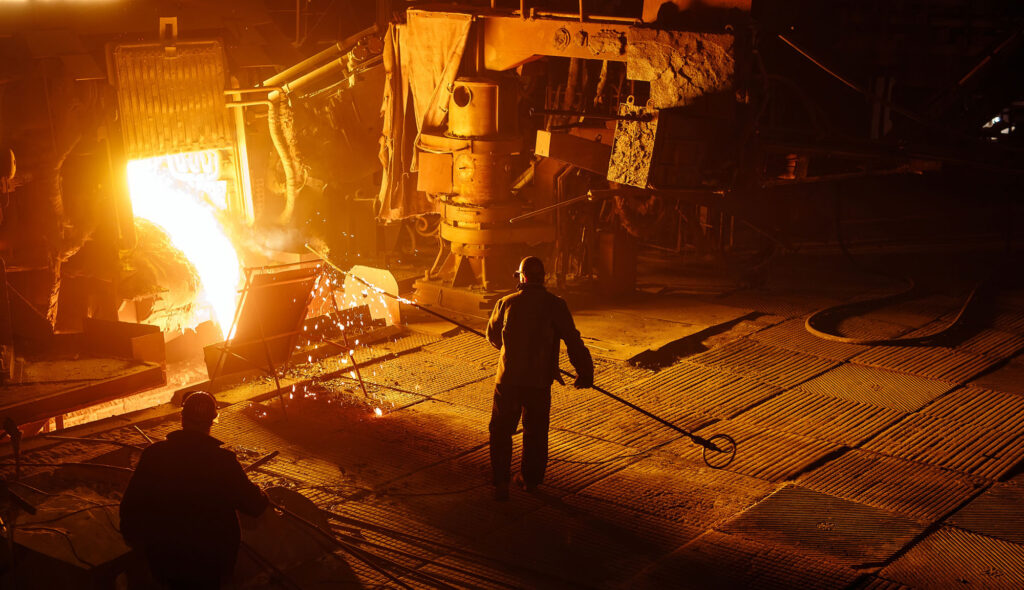
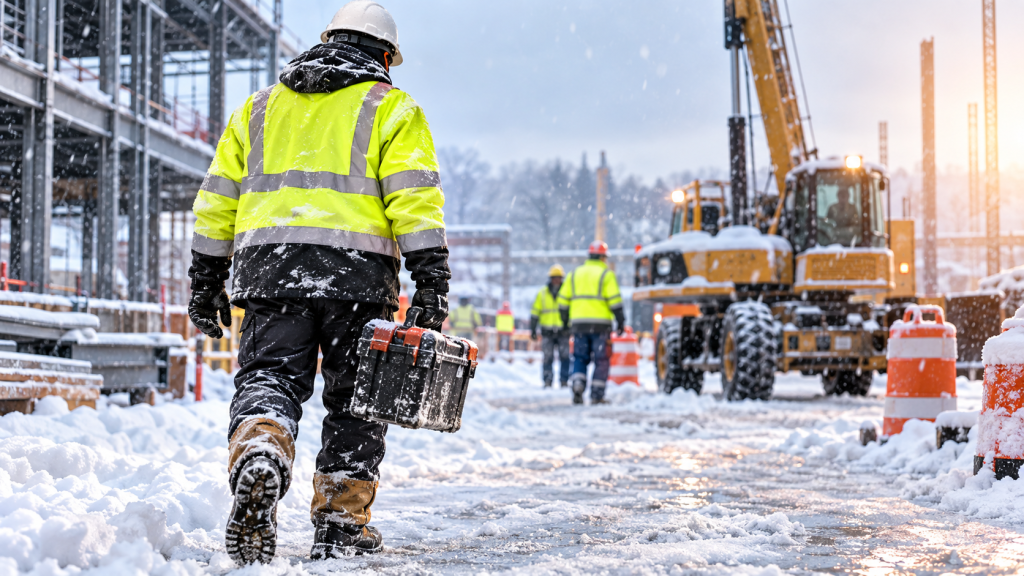
This matters enormously in environments where fine motor control, situational awareness, and physical coordination are constant demands. A worker in a steel foundry, on a construction site, or operating powered industrial equipment who is running while even slightly dehydrated has narrower safety margins than they appear to have. The resulting incidents are rarely labeled as hydration-related. They show up as trips, equipment errors, lapses in judgment, and near misses that few people connect to the worker’s fluid intake that morning.
A proactive hydration program builds structured drinking into the work schedule before dehydration occurs, rather than relying on workers to self-regulate when they are focused on production.
What Sword and Shield Were Built to Solve
The reason Sword and Shield exists as a hydration product is rooted directly in the industrial workplace. Foundries, steel mills, and other high-heat environments were generating unexplained injuries, headaches, and productivity problems with a common root cause: workers were chronically dehydrated, and the available options were either insufficient or counterproductive.
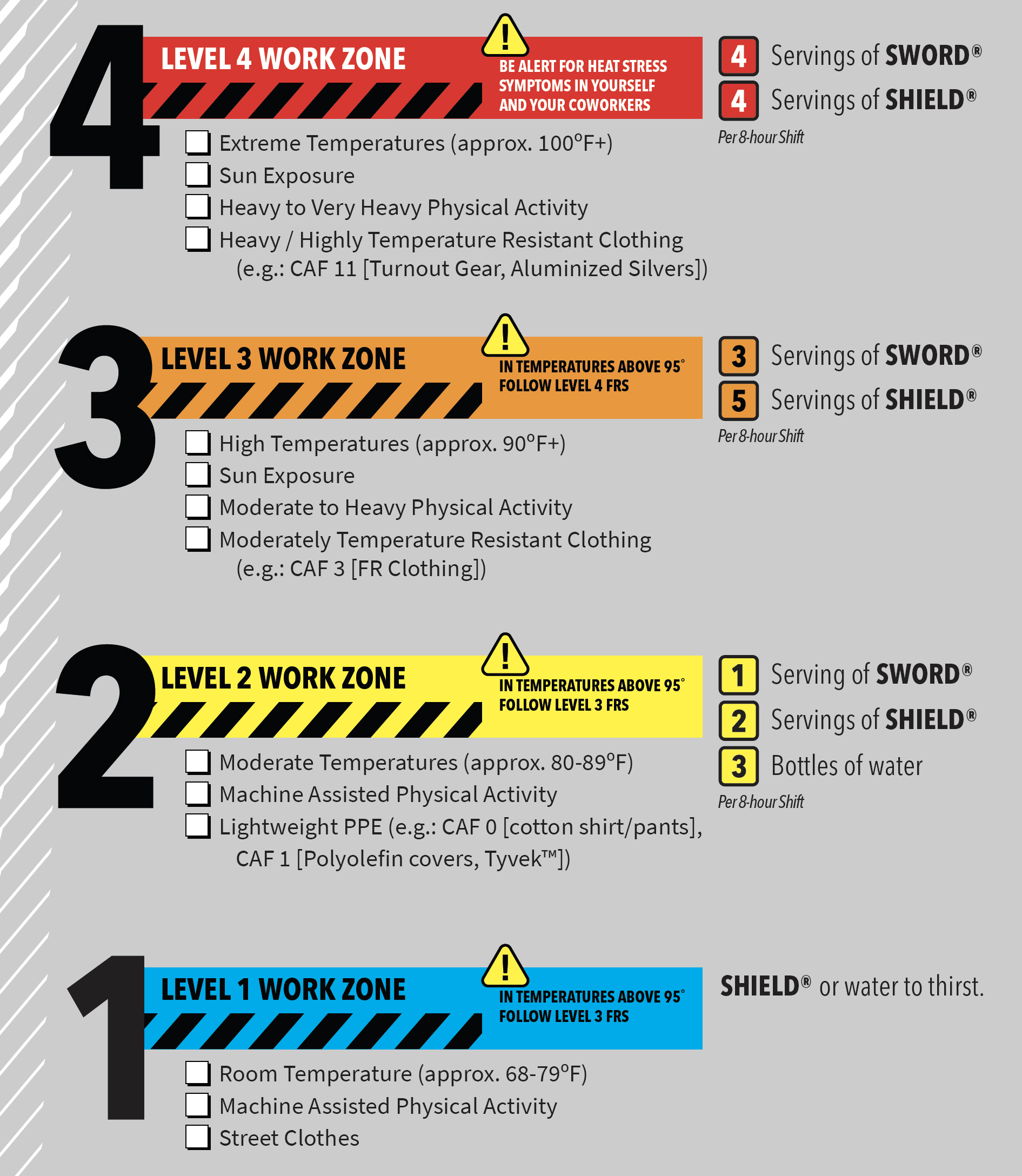
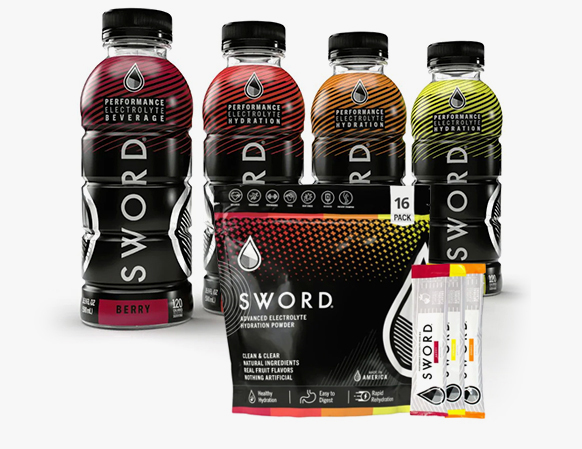
Sword is formulated at an IV level of electrolyte and fluid replacement, designed for workers facing the highest thermal loads, including those wearing multiple layers of PPE, working long shifts in extreme heat, or returning from heavy exertion. It replenishes what the body loses at the cellular level rather than simply topping off fluid volume. The shield is calibrated at a standard electrolyte replacement level, appropriate for workers in moderate heat conditions who need consistent replenishment throughout a shift without the sugar load of conventional sports drinks.
Both products are lightly flavored and clean-tasting by design, because a hydration product workers find unpleasant will not be used consistently. Adoption rates matter as much as formulation, and Sword and Shield were designed with that reality in mind.