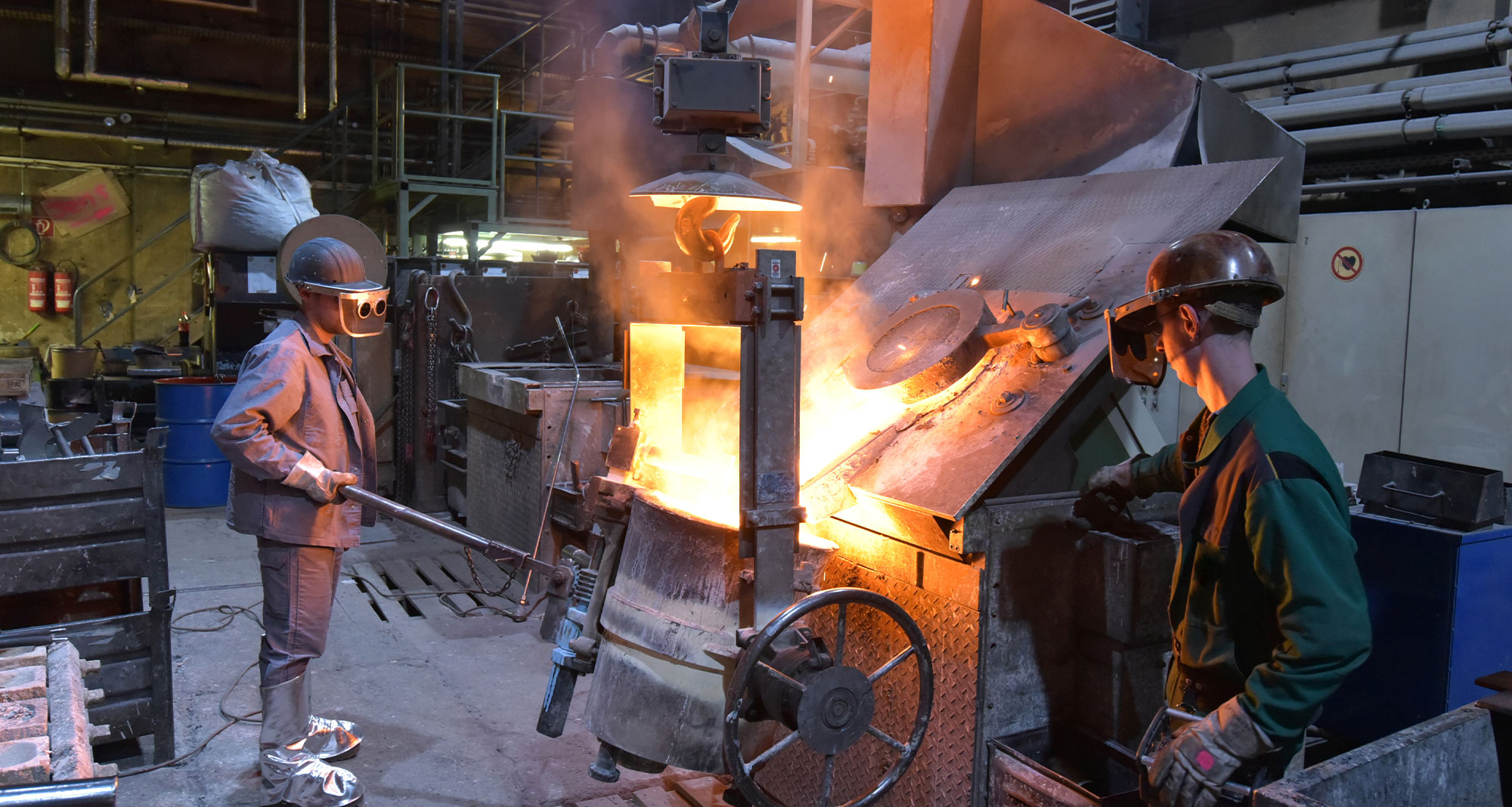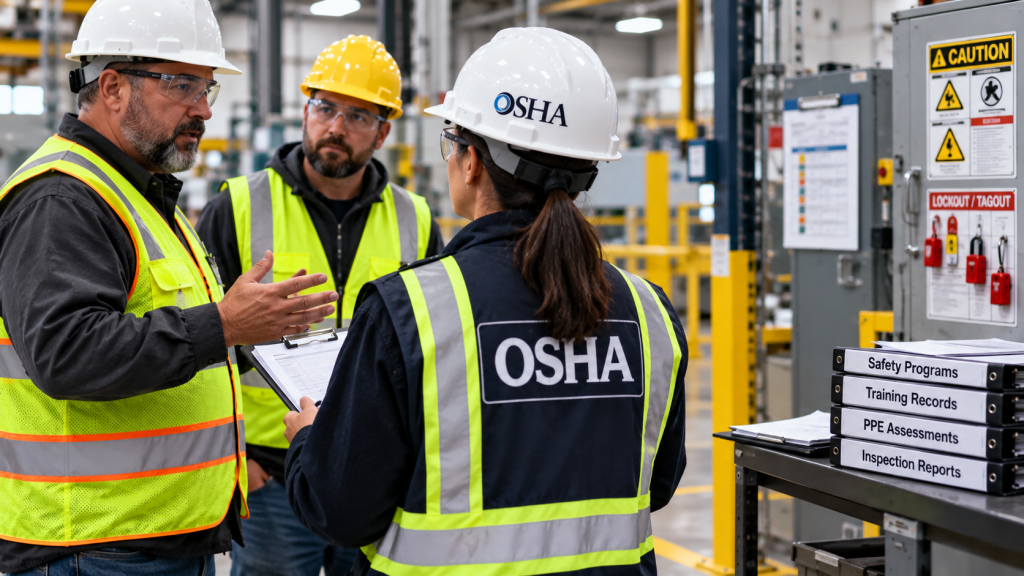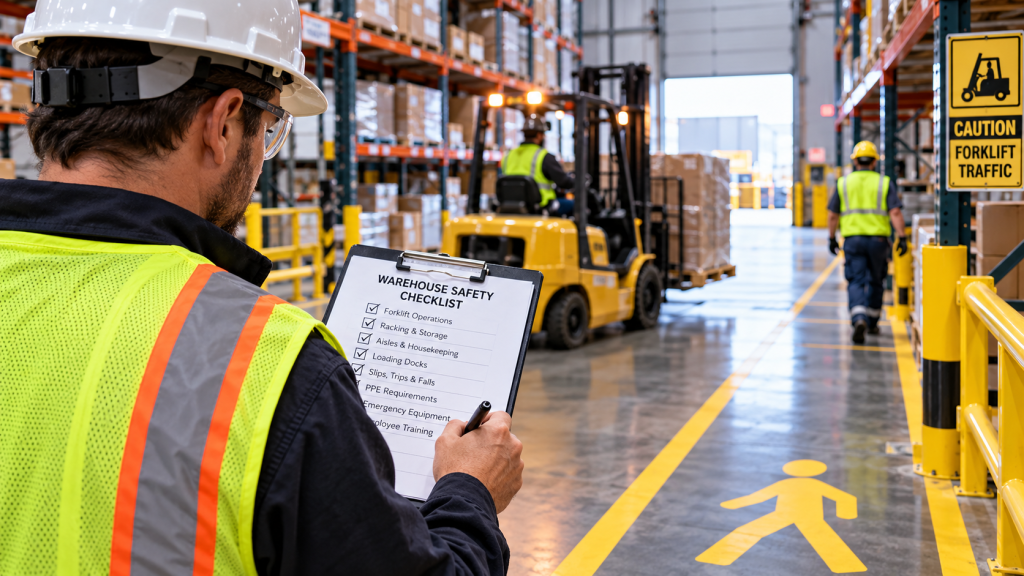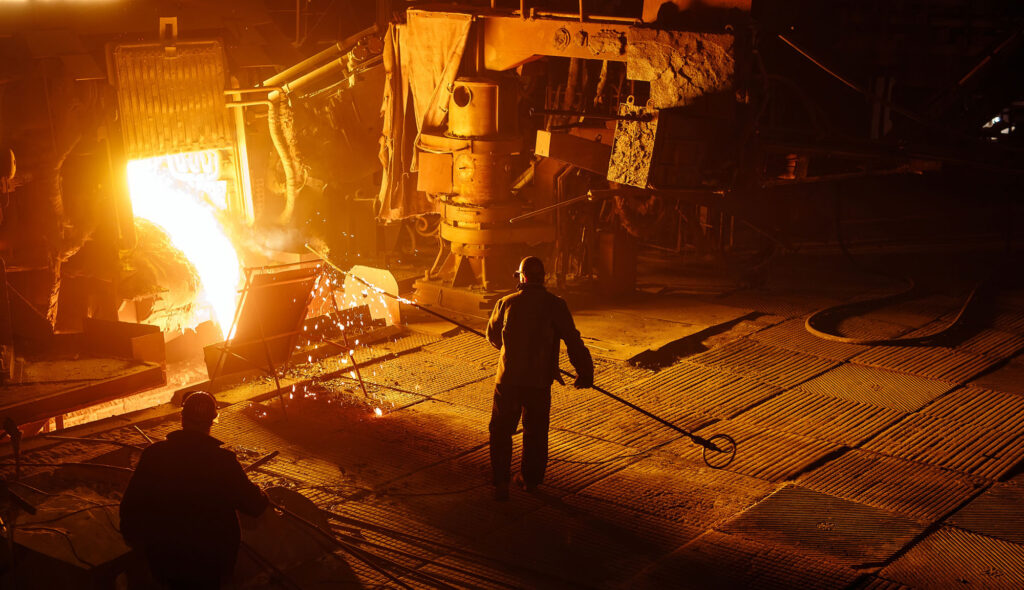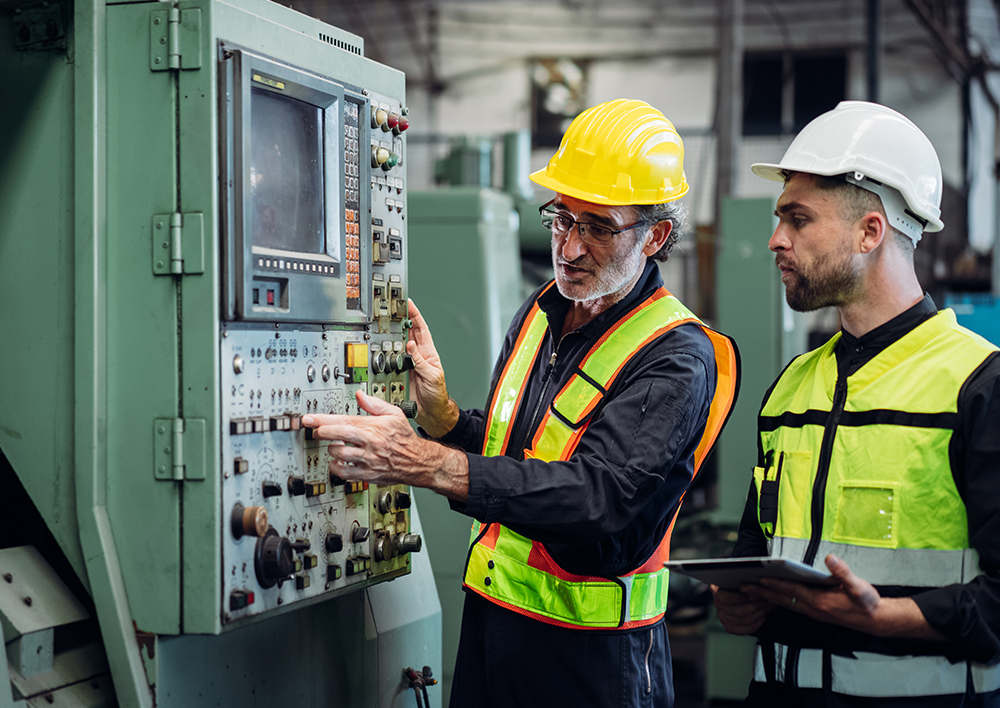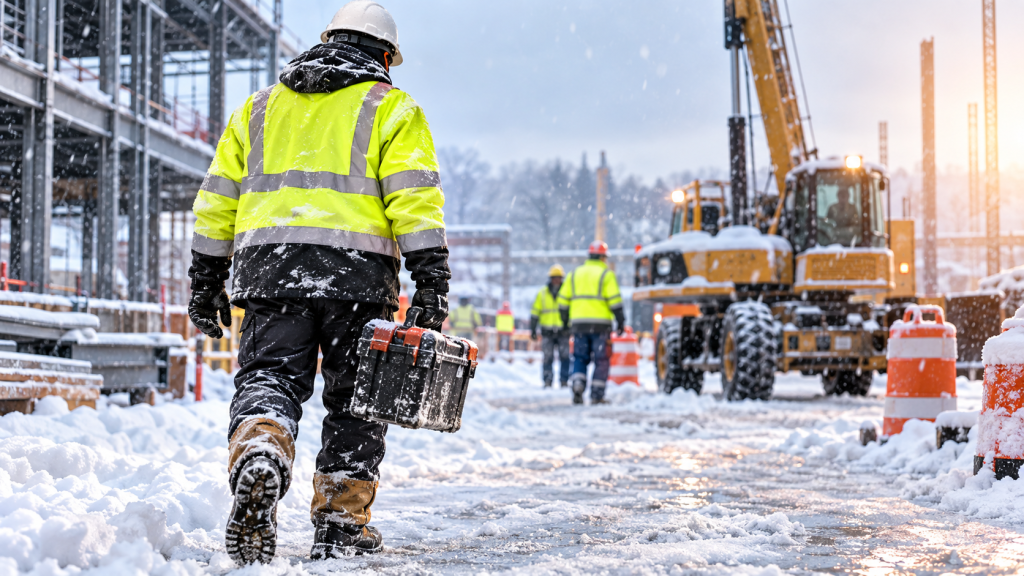
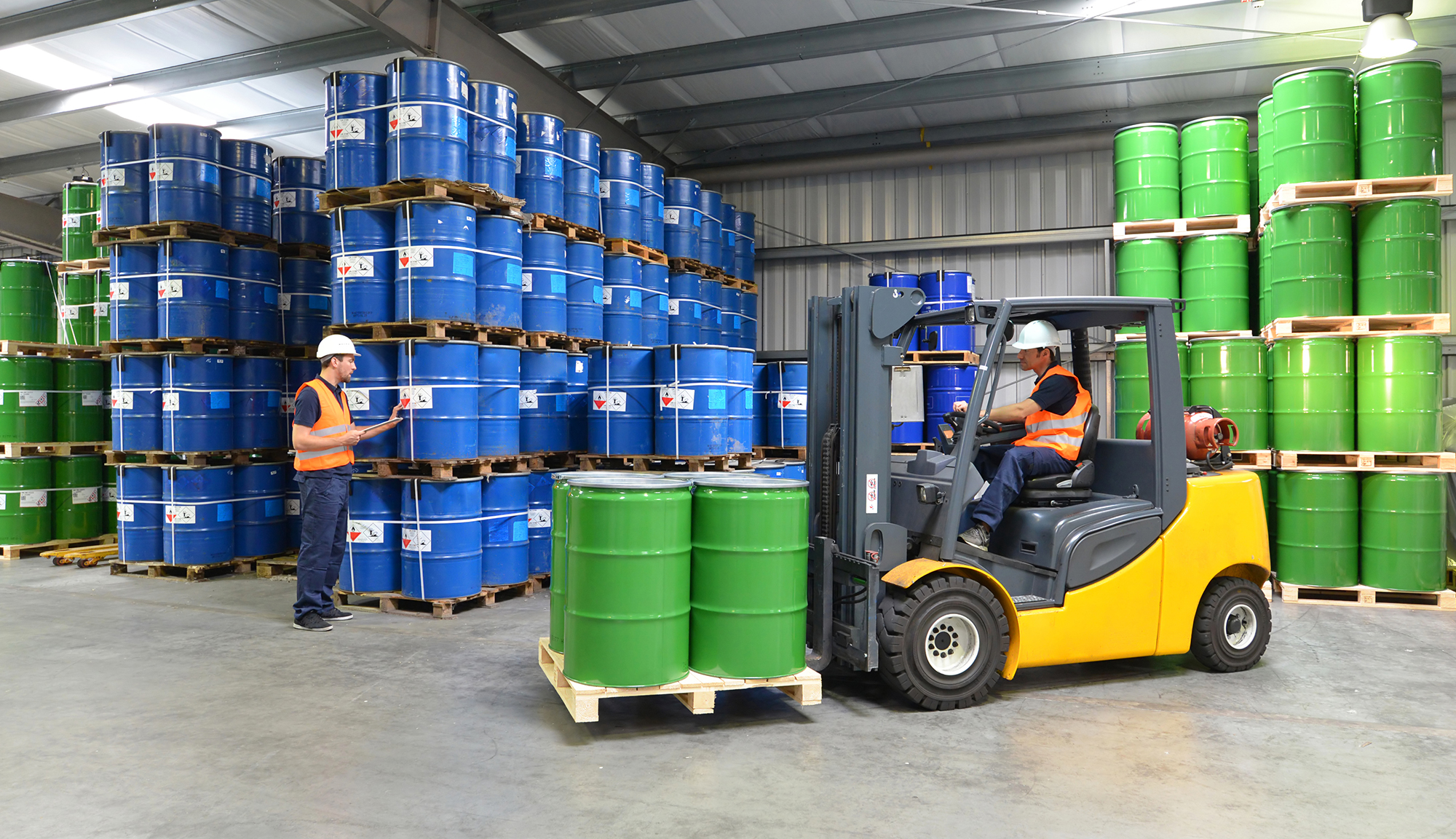
Plastics processing exposes workers to more than one hazard at a time.

A worker may handle hot molded parts, stand near heated equipment, trim sharp edges, work around moving machinery, respond to a resin spill, or perform maintenance near surfaces that remain hot long after shutdown. In these environments, PPE cannot be selected by job title alone.

The right protection depends on the task, the material, the temperature, the equipment, the exposure duration, and the way workers move through the process.

That is why heat-resistant gloves, face shields, protective clothing, and the right footwear matter so much in plastics operations. They are not add-ons. They are core controls that help protect workers from burns, impact, splash, cuts, slips, and other production-floor hazards.

For facilities managing these risks, chemical, petrochemical, and plastics safety solutions can help align PPE selection, safety programs, and worker protection with the real hazards found in plastics processing environments.

Why Plastics Processing Requires Task-Specific PPE

Plastics processing environments combine heat, machinery, chemicals, moving parts, and repetitive handling.

Injection molding, extrusion, compounding, trimming, grinding, conveying, packaging, and maintenance work all create different exposure profiles. A glove that works for handling warm finished parts may not be enough for die changes. Safety glasses that work for basic impact protection may not be enough when splash or flying debris is possible. A standard work shoe may not protect workers from hot material, impact, wet floors, or chemical exposure.

The uploaded draft highlights that plastics manufacturing and petrochemical processing often involve heat, extrusion equipment, molding machines, conveyors, cutting tools, rotating parts, and maintenance around energized systems. It also notes that workers may need protection against burns, cuts, abrasions, impact, noise, and mechanical hazards while maintaining dexterity and mobility.

That is the key point: PPE must protect workers without making the task harder to perform safely.

Heat Hazards in Injection Molding

Injection molding creates repeated contact with heated surfaces and hot materials.

Workers may remove parts, inspect quality, clear blockages, adjust components, or perform changeovers near hot molds, barrels, nozzles, and machine surfaces. Even routine inspection work can create burn exposure when heat releases suddenly after molds open.

The uploaded draft notes that mold surfaces remain hot between cycles, nozzles and barrel sections maintain elevated temperatures for material flow, and freshly molded parts may retain heat after removal.

PPE for injection molding may include:

  • Heat-resistant gloves
  • Safety glasses or goggles
  • Face shields for splash or debris risk
  • Arm protection
  • Protective clothing
  • Slip-resistant footwear
  • Hearing protection where needed
  • Cut-resistant protection for trimming or finishing

The right PPE should match the specific task. A worker handling warm parts may need dexterity and moderate heat protection. A worker clearing a blockage or working near a hot nozzle may need higher heat protection and additional face or arm coverage.

Explore Our Solutions!
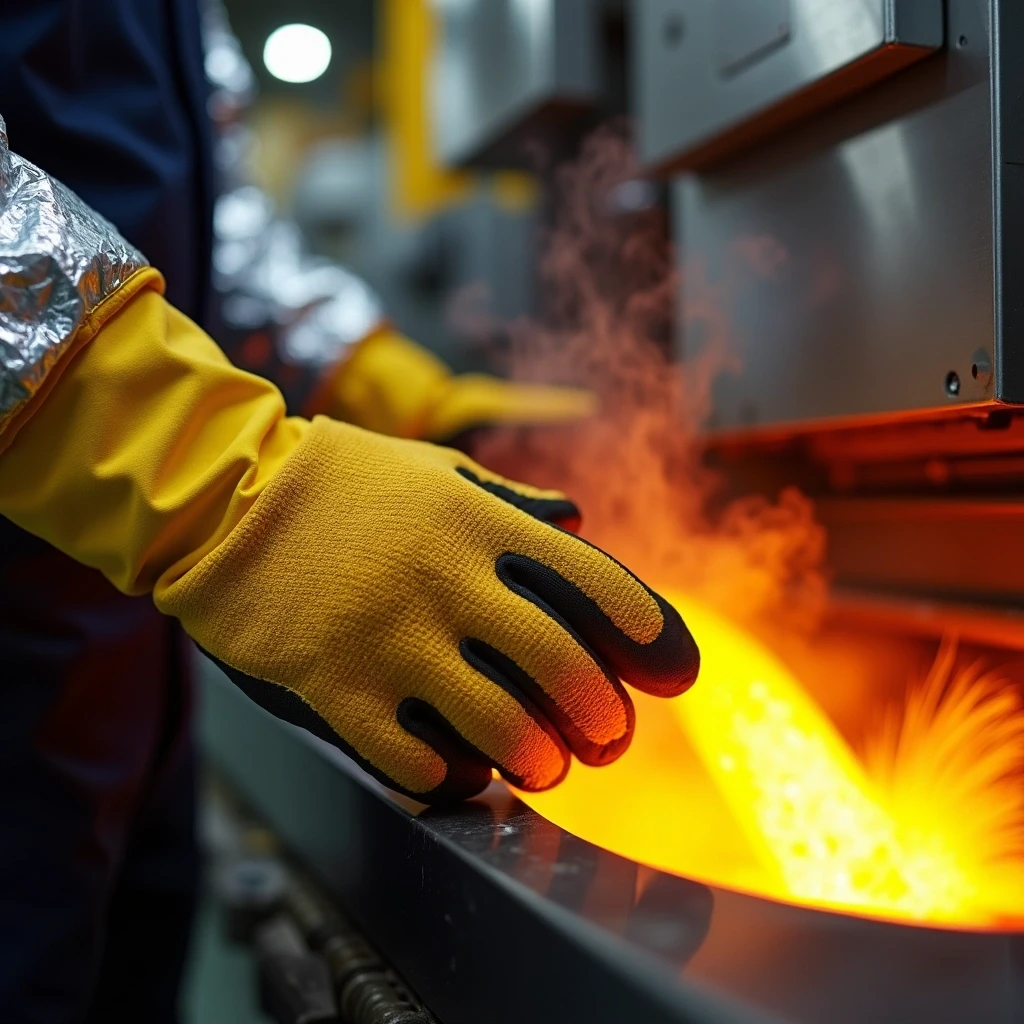
Heat-Resistant Gloves and PPE for Plastics Processing

Heat Hazards in Extrusion

Extrusion lines create sustained heat exposure.

Workers may work near barrel heaters, die heads, emerging product, cooling systems, cutting stations, pullers, and downstream handling areas. Die changes and maintenance tasks can be especially high-risk because workers may grip or work near surfaces that have been heated for long periods.

The uploaded draft identifies die changes as one of the highest-risk activities in extrusion operations because workers may handle hot dies that have been heating for hours. It also notes that downstream equipment can still present burn risks from residual heat in the product.

Extrusion PPE planning should consider:

  • Contact heat
  • Radiant heat
  • Sharp edges
  • Moving equipment
  • Fumes or vapors
  • Slip hazards
  • Eye and face exposure
  • Foot impact risks
  • Maintenance access

A worker near an extrusion die may need different PPE than a worker packaging cooled material downstream. The program should recognize those differences.

Heat-Resistant Gloves Are the First Line of Defense

Hands are often the closest body part to the hazard.

Workers use their hands to remove parts, guide material, adjust equipment, handle tools, move containers, clean residue, and perform maintenance. When hot material or heated equipment is involved, the wrong glove can leave workers vulnerable.

The uploaded draft explains that heat-resistant gloves are the first line of defense against thermal injuries in plastics processing, but selecting the wrong type can leave hands exposed or reduce the dexterity needed for precise work.

Hand protection should be selected based on:

  • Surface temperature
  • Contact duration
  • Radiant heat exposure
  • Grip needs
  • Dexterity requirements
  • Cut or abrasion hazards
  • Chemical exposure
  • Glove thickness
  • Worker comfort
  • Task frequency

For facilities selecting gloves, hand and arm protection should be matched to real task exposure, not chosen from a generic glove category.

Common Heat-Resistant Glove Options

Different glove materials perform differently in plastics processing.

The uploaded draft outlines several glove types used for heat protection, including aramid fiber, leather, aluminized, terry cloth lined, Kevlar, and silicone-coated heat gloves. Each material offers different strengths depending on the task.

Common options include:

  • Aramid fiber gloves for heat and cut resistance with useful flexibility
  • Leather heat-resistant gloves for durable handling of warm containers or parts
  • Aluminized gloves for radiant heat near high-temperature equipment
  • Terry cloth lined gloves for comfort and insulation during repeated handling
  • Kevlar gloves for combined heat and cut protection
  • Silicone-coated gloves for grip on hot or smooth surfaces

The best glove is not always the thickest glove. If workers lose dexterity, grip, or control, the glove can introduce new risk. The goal is the right balance of heat protection, grip, comfort, and task performance.

Contact Heat and Radiant Heat Are Different

Heat exposure is not always the same.

Contact heat happens when a worker touches a hot surface or material. Radiant heat comes from nearby hot equipment or material without direct contact. Plastics processing can involve both.

The uploaded draft explains that contact heat protection is needed for molds, dies, heated materials, and equipment adjustment, while radiant heat protection is needed near barrel heaters, heated platens, and extrusion dies.

This distinction matters because different PPE designs address different heat sources.

A glove designed for brief contact may not be ideal for prolonged radiant heat exposure. A reflective glove may help near a hot die but may not provide the dexterity needed for part inspection. Safety teams should evaluate the exposure type before choosing PPE.

As long as people go to work, we have an opportunity to help protect them.

Julie Copeland
Arbill CEO

Julie Copeland Arbill CEO

Face Shields and Eye Protection Protect Against More Than Impact

Plastics processing can expose workers to impact, particles, splash, molten material, and maintenance hazards.

Safety glasses may be enough for some low-risk tasks, but they may not provide enough coverage for splash, flying debris, hot material, or pressurized release risks. In higher-risk tasks, workers may need goggles, face shields, or both.

OSHA requires employers to ensure appropriate eye or face protection when workers are exposed to hazards from flying particles, molten metal, liquid chemicals, acids or caustic liquids, chemical gases or vapors, or potentially injurious light radiation.

The uploaded draft notes that chemical splash, pressurized lines, particles, dust, impact risks, and maintenance tasks threaten worker vision throughout plastics facilities.

For plastics processing, eye and face protection may include:

  • Safety glasses with side protection
  • Chemical splash goggles
  • Face shields
  • Anti-fog lenses
  • Impact-rated lenses
  • Prescription safety eyewear
  • Task-specific combinations of goggles and face shields

A face shield should not be treated as a replacement for goggles when splash exposure is present. The protection should match the hazard and expected direction of exposure.

Protective Clothing Helps Cover the Gaps

Heat-resistant gloves protect the hands, but burns and splash exposure can affect the arms, torso, and legs.

Workers may reach near hot zones, guide materials, remove parts, clear jams, or perform maintenance where exposed skin could contact hot surfaces or material. Protective clothing helps reduce those exposure gaps.

The uploaded draft notes that heat-resistant sleeves protect forearms during tasks near heated zones and that aprons can help shield the torso from radiant heat and molten material splash.

Protective clothing may include:

  • Heat-resistant sleeves
  • Aprons
  • Jackets
  • Coveralls
  • Chemical-resistant garments
  • Cut-resistant sleeves
  • Flame-resistant clothing where required
  • Task-specific clothing for maintenance or cleanup

For plastics operations, protective clothing should be evaluated alongside gloves and face protection so workers have more complete coverage.

Footwear Matters More Than Many Facilities Realize

Foot and leg protection is easy to underestimate until an incident happens.

Plastics processing floors can expose workers to hot material, heavy molds, moving carts, wet areas, resin pellets, oils, cleaning fluids, sharp scrap, and impact hazards. The wrong footwear can increase the chance of slips, burns, punctures, or crush injuries.

OSHA requires protective footwear when employees face foot injury hazards from falling or rolling objects, objects piercing the sole, or electrical hazards, and OSHA’s foot protection standard identifies consensus standards for protective footwear.

The uploaded draft notes that chemical-resistant boots with slip-resistant outsoles can protect against spills, hot liquids, and contaminated surfaces, while steel toe construction adds impact protection where workers handle heavy molds, dies, or finished products.

For production floors, foot and leg protection may need to address:

  • Impact protection
  • Slip resistance
  • Heat exposure
  • Chemical resistance
  • Puncture protection
  • Wet floors
  • Resin pellet slip hazards
  • Comfort for long shifts
  • Compatibility with other PPE

Footwear should be selected based on the floor, task, chemicals, and equipment movement in the area.

First Aid Readiness Supports PPE Programs

Even strong PPE programs need emergency readiness.

Burns, eye exposures, cuts, and minor injuries can still happen when workers handle hot materials or work around production equipment. First aid supplies, eyewash access, burn care items, and emergency response procedures should be ready before an incident occurs.

The uploaded draft emphasizes the need for complete PPE coverage, and plastics processing environments make first aid readiness especially important because workers may face burns, cuts, splash, and impact hazards during the same shift.

For supporting supplies, first aid, emergency, and personal care products can help facilities prepare for common production-floor needs such as burn response, wound care, and emergency support.

First aid readiness should include:

  • Burn treatment supplies
  • Bandages and wound care
  • Eyewash access
  • Safety showers where required
  • Emergency communication
  • Incident reporting procedures
  • Trained responders
  • Stocked and inspected first aid cabinets

PPE helps prevent injuries. First aid readiness helps respond when something still goes wrong.

See Our Safety Services!
PPE Injury Reduction

How to Select PPE for Plastics Processing

The right PPE starts with a task-based hazard assessment.

Do not begin with the product catalog. Begin with the work.

Observe how workers handle materials, remove parts, clear jams, change dies, inspect products, clean equipment, trim edges, work near heated surfaces, and move through the facility. Then match PPE to the exposure.

A practical PPE review should consider:

  • Actual surface temperatures
  • Contact duration
  • Radiant heat levels
  • Sharp edges
  • Chemical exposure
  • Splash potential
  • Impact hazards
  • Slip hazards
  • Worker dexterity needs
  • Grip requirements
  • Maintenance tasks
  • Emergency response tasks
  • Comfort during long shifts

The uploaded draft recommends measuring temperatures at contact points, assessing dexterity needs for each task, and verifying chemical resistance before selecting gloves.

This same approach applies to face shields, clothing, footwear, and other PPE.

PPE Must Be Comfortable Enough to Wear Correctly

Protection that workers cannot wear correctly will not work.

Gloves that are too bulky may cause poor grip. Face shields that fog may be lifted. Footwear that is uncomfortable may be avoided. Clothing that traps too much heat may cause fatigue or inconsistent use.

PPE selection should involve workers who perform the task. Their feedback can reveal issues that do not show up on a specification sheet.

Ask workers:

  • Can you grip safely?
  • Can you see clearly?
  • Can you move comfortably?
  • Can you perform the task without removing PPE?
  • Does the PPE create heat stress?
  • Does the footwear support the full shift?
  • Does the glove fit correctly?
  • Does the face shield fog?
  • Does clothing interfere with movement?

The goal is not just compliant PPE. The goal is PPE that workers can use correctly in real production conditions.

Training Makes PPE Selection Work

Workers need to understand what each PPE item protects against and where its limits are.

Training should not only say, “wear gloves.” It should explain which gloves, for which task, for how long, and what to do if the glove becomes damaged, contaminated, or too hot.

Training should cover:

  • Heat hazards in processing areas
  • Contact vs radiant heat
  • Glove selection and limitations
  • Face shield and goggle use
  • Protective clothing requirements
  • Footwear requirements
  • Burn prevention
  • Chemical and splash hazards
  • Proper donning and doffing
  • Inspection before use
  • Replacement rules
  • First aid and incident reporting
  • Stop-work authority

OSHA’s general PPE requirements also include training expectations so employees understand when PPE is necessary, what PPE is necessary, how to properly use it, and its limitations.

Training helps workers make safer decisions when conditions change.

Keeping PPE Programs Current

Plastics processing operations change over time.

New materials arrive. Equipment changes. Temperatures shift. Production speed increases. Maintenance tasks change. Workers report near misses. PPE wears out. A glove that worked for one process may not work for another.

A strong PPE program should be reviewed regularly.

Review:

  • Injury and near-miss reports
  • Worker feedback
  • PPE failure reports
  • New materials
  • Temperature measurements
  • Chemical compatibility
  • Equipment changes
  • Maintenance tasks
  • First aid usage trends
  • Training records
  • Inventory availability

PPE should be updated when the work changes. A program that is not reviewed can quickly fall behind the hazards on the floor.

Conclusion

PPE for plastics processing has to do more than meet a basic requirement.

Workers face heat, molten material, sharp edges, splash, fumes, impact, slips, and moving equipment. Heat-resistant gloves, face shields, protective clothing, and the right footwear all play a role in reducing those risks.

The safest programs begin with the task. They measure temperatures, review exposure, select PPE by hazard, involve workers in fit and comfort decisions, and train employees on proper use and limitations.

When PPE matches real plastics processing conditions, workers can handle hot materials, operate near heated equipment, and move through production areas with better protection and confidence.

That is what makes PPE essential.

Request a Safety Assessment

Recent Posts

Material Handling Equipment That Cuts Warehouse Injuries and Insurance Costs
Warehouse Ergonomics: How the Right Material Handling Equipment Reduces Injuries and Insurance Costs

Warehouse Ergonomics: How the Right Material Handling Equipment Reduces Injuries and Insurance Costs

Why OSHA Lockout Tagout Failures Still Cause Serious Injuries in Utilities
Lockout/Tagout in Utilities: Why LOTO Failures Are Still One of the Leading Causes of Serious Injuries

Lockout/Tagout in Utilities: Why LOTO Failures Are Still One of the Leading Causes of Serious Injuries

How to Build a Confined Space Training Program That Meets OSHA Standards and Protects Your Team
Confined Space Entry in Chemical Plants: Building a Program That Satisfies OSHA and Keeps Workers Safe

Confined Space Entry in Chemical Plants: Building a Program That Satisfies OSHA and Keeps Workers Safe

Emergency Response Planning for Data Centers and Why IT and Facilities Teams Must Work Together
Data Center Safety: Why IT and Facilities Teams Need a Coordinated PPE and Emergency Response Plan

Data Center Safety: Why IT and Facilities Teams Need a Coordinated PPE and Emergency Response Plan

The Real Cost of Recordable Incidents in Oil & Gas
The True Cost of a Recordable Incident in Oil & Gas — and How Managed Safety Services Change the Math

The True Cost of a Recordable Incident in Oil & Gas — and How Managed Safety Services Change the Math