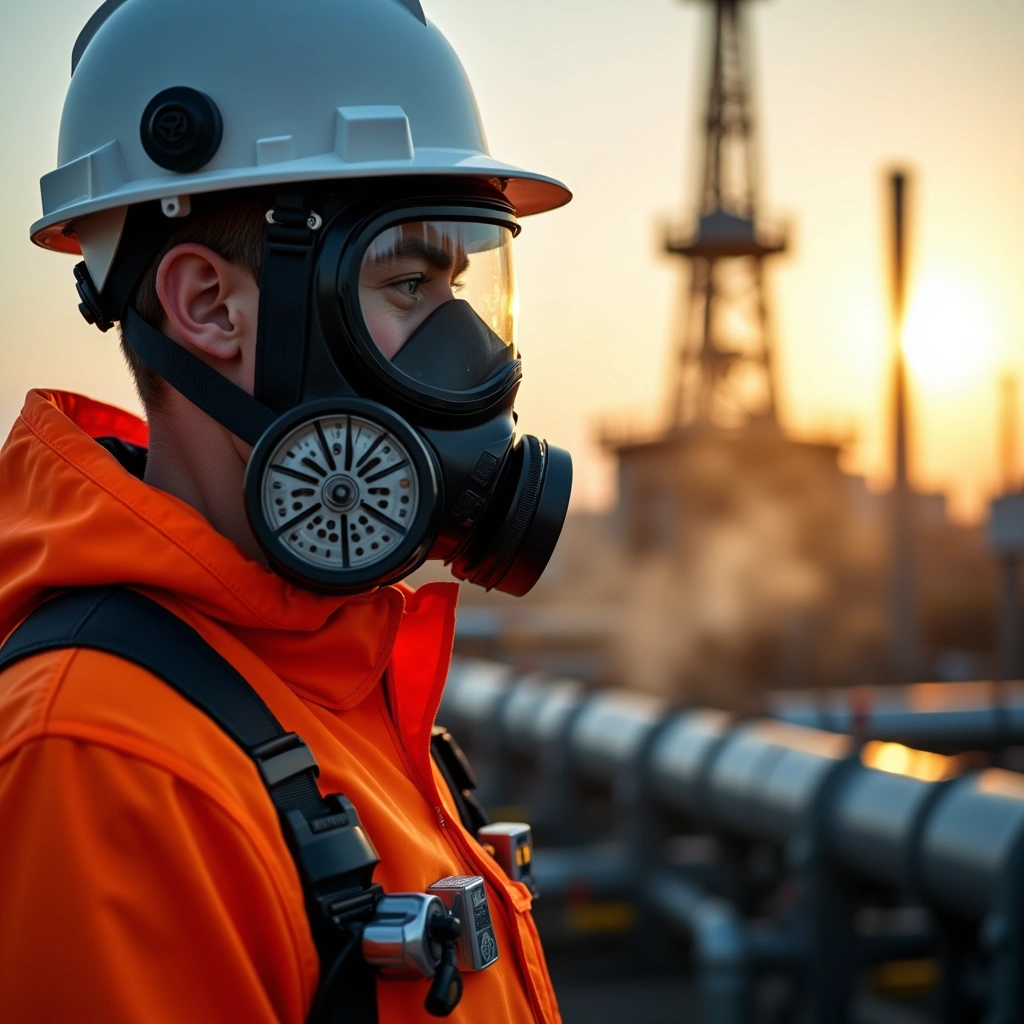
Respiratory protection in oil and gas operations can mean the difference between a controlled job and a life-threatening exposure. Workers may encounter hydrogen sulfide (H2S), oxygen-deficient atmospheres, flammable vapors, silica dust, fumes, grinding debris, and other airborne hazards during drilling, production, refining, tank work, pipeline maintenance, confined space entry, and emergency response.

H2S is one of the most recognized hazards in oil and gas work. It is a colorless gas often associated with a rotten egg smell at low concentrations, but workers cannot rely on smell as a warning system. At dangerous levels, H2S can quickly overwhelm the senses, incapacitate workers, and create conditions where self-rescue may not be possible.

That is why respiratory protection cannot be handled casually. Oil and gas teams need a complete program built around hazard assessment, air monitoring, proper respirator selection, fit testing, training, maintenance, and emergency planning.

For companies working in high-risk field environments, Arbill supports safety teams with PPE, respiratory protection, gas detection, training resources, vending solutions, and safety services designed around real workplace hazards.

Understanding H2S and Toxic Gas Hazards in Oil and Gas Operations

Oil and gas workers face atmospheric hazards that can change without warning. During drilling, production, refining, tank work, confined space entry, pipeline work, and maintenance activities, a work area that appears safe can become hazardous because of a release, equipment failure, process upset, or disturbance of trapped material.

Toxic gases are especially dangerous because workers may not see them, and in some cases they may not smell them before symptoms begin. Human senses are not reliable protection. Atmospheric monitoring and a respiratory protection program are necessary because exposure effects can occur quickly, leaving little time to react.

Gas detection equipment identifies hazards before workers enter or continue working in an area. Respiratory protection then provides a controlled layer of protection when engineering controls, ventilation, or work practices cannot fully remove the exposure.

Common Sources of H2S Exposure on Job Sites

Confined spaces are among the highest-risk areas for H2S and toxic gas exposure in oil and gas operations. Tanks, vessels, pits, vaults, manholes, process areas, and enclosed equipment can trap hazardous atmospheres. These spaces may contain toxic gases, low oxygen, flammable vapors, engulfment hazards, or limited exit access.

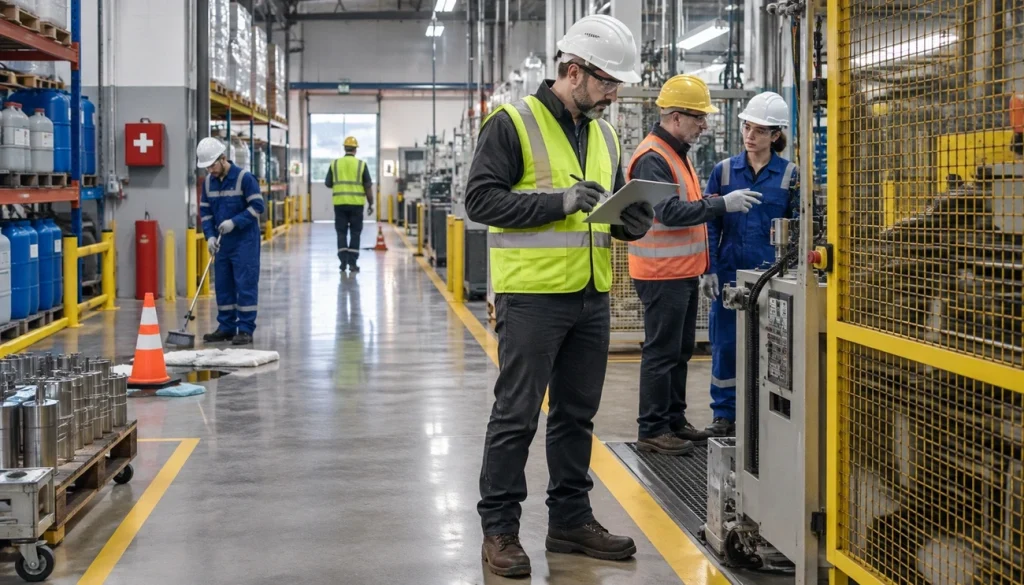
Production facilities, refineries, terminals, maintenance yards, and field operations also create exposure risks. Workers may service equipment that has contained hydrocarbons, open lines during repair, clean tanks, respond to spills, or disturb settled materials that release vapors back into the breathing zone.

Respiratory protection must be based on the task and the expected exposure, not only the location. A job that begins as routine maintenance can become higher-risk when workers open equipment, enter enclosed spaces, or encounter changing air conditions.

Other Respiratory Hazards in Oil and Gas Environments

Oil and gas operations can expose workers to more than H2S. Depending on the site and task, workers may face hydrocarbon vapors, fumes, dust, silica, grinding debris, chemical vapors, oxygen deficiency, or flammable gases. These hazards may appear alone or together.

Drilling sites may create different airborne hazards than refineries or terminals. Pipeline work may release accumulated gases during repairs. Maintenance tasks may involve fumes from hot work, cleaning chemicals, coatings, or residue inside process equipment. Transportation and warehousing areas may introduce exposure during loading, unloading, spill response, or equipment service.

For teams dealing with dust, fumes, or debris exposure, Arbill’s guide on respiratory protection programs for silica dust, fumes, and grinding debris can help connect respiratory planning with real task-based hazards.

Explore Our Solutions!
Respiratory Protection for Oil & Gas Operations

Health Effects of Short-Term and Long-Term Exposure

Atmospheric hazards in oil and gas work can create immediate and delayed health risks. High-concentration exposures may incapacitate workers within minutes. Lower-level exposures repeated over time can also create health concerns that develop gradually.

Short-term exposure to toxic gases may cause irritation, dizziness, breathing difficulty, confusion, loss of consciousness, or worse depending on the substance and concentration. Oxygen-deficient atmospheres can impair judgment and coordination before workers realize they are in danger.

This unpredictability is why respiratory protection programs must account for both expected and emergency exposure scenarios. Workers need to know when respiratory protection is required, what type to use, when to leave the area, and how to respond when alarms or symptoms appear.

Types of Respirators Used for Oil and Gas Protection

Selecting the right respirator depends on the hazard, exposure level, oxygen concentration, work duration, and whether the atmosphere is known or unknown. The wrong equipment can create a false sense of protection.

Air-purifying respirators filter contaminants from the surrounding air, but they do not supply oxygen. They are only appropriate when the atmosphere has enough oxygen, the contaminant is known, and concentrations remain within the respirator’s rated protection capacity. In oil and gas work, that limitation matters because confined spaces and process areas can contain oxygen-deficient or rapidly changing atmospheres.

Supplied-air respirators deliver clean breathing air from a remote source through a hose. They can support work in contaminated atmospheres where air-purifying respirators are not enough. These systems are often used for tank work, vessel entry, or process areas where workers need a reliable air source, although hose management and mobility limitations must be considered.

Self-contained breathing apparatus, or SCBA, provides a portable breathing air supply. It is commonly used for emergency response, unknown atmospheres, IDLH conditions, and situations where workers cannot rely on ambient air. SCBA offers a high level of protection, but air supply duration is limited, so planning and training are essential.

For equipment selection, respiratory protection should be matched to the actual exposure profile, not chosen as a generic PPE item.

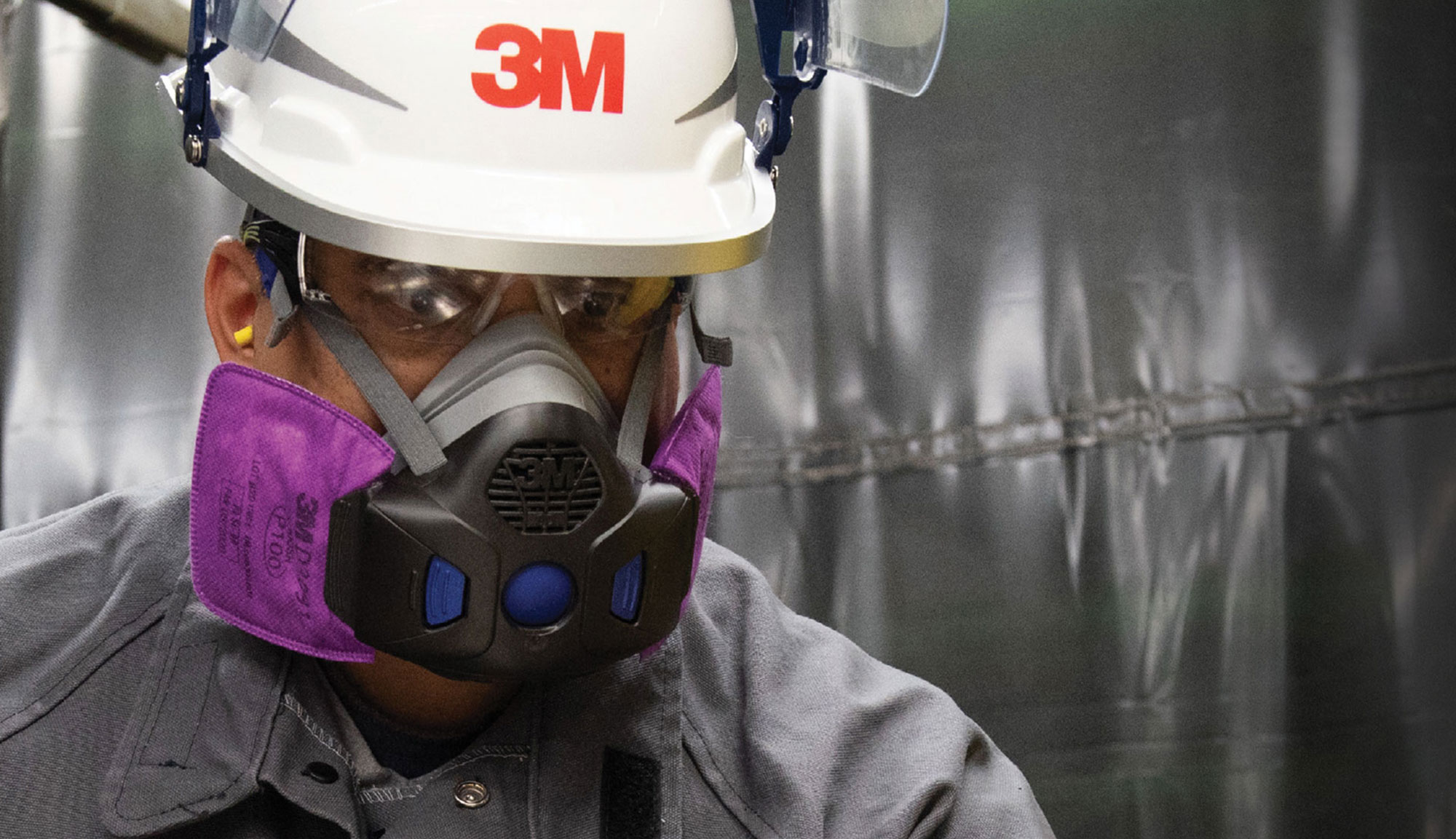
Half-Mask vs. Full-Face Respirator Selection

Half-mask respirators cover the nose and mouth. Full-face respirators cover the eyes as well. The difference matters when workers may face vapors, chemical splash, pressurized releases, or eye irritation along with respiratory exposure.

Full-face respirators can provide higher protection factors and protect the eyes from certain airborne or splash hazards. They may be more appropriate for tasks where eye exposure and respiratory exposure happen together. Half-mask respirators may be suitable for lower-risk, well-characterized exposures where separate eye protection is adequate.

Selection should be based on the hazard assessment. Comfort and fit also matter because workers must be able to wear the respirator correctly for the full task duration.

When Respiratory Protection Is Required

Respiratory protection is required when workers may be exposed to airborne hazards that cannot be adequately controlled through engineering controls, ventilation, or safer work practices. In oil and gas operations, this can include confined space entry, tank cleaning, process equipment maintenance, spill response, drilling or production work, refining tasks, pipeline work, and emergency response.

Atmospheric testing should guide the decision. If gas detection or air monitoring shows hazardous concentrations, unknown conditions, oxygen deficiency, or potential IDLH conditions, the respiratory protection level must match the hazard.

Confined spaces require special attention. Before workers enter tanks, vessels, pits, vaults, manholes, or enclosed equipment, the atmosphere must be tested and monitored. If conditions are unsafe or can change during the task, respiratory protection and rescue planning must be part of the entry program.

As long as people go to work, we have an opportunity to help protect them.

Julie Copeland
Arbill CEO

Julie Copeland Arbill CEO

Building a Respiratory Protection Program for Oil and Gas Teams

A strong respiratory protection program does more than issue respirators. It explains who needs protection, what hazards are present, which respirators are required, how equipment is selected, how workers are trained, and how the program is reviewed.

The program should begin with hazard assessment and air monitoring. Safety teams need to identify where toxic gases, vapors, dust, fumes, oxygen deficiency, or other respiratory hazards may occur. This assessment should include normal operations, maintenance tasks, confined space work, emergency scenarios, and cleanup activities.

Written procedures should define respirator selection, medical evaluations, fit testing, training, inspection, cleaning, storage, maintenance, cartridge change schedules, and emergency use. For companies with multiple sites, crews, or contractors, written procedures also create consistency across different locations and work groups.

For oil and gas teams, PPE vending solutions can also support access and accountability by helping keep respiratory protection and related PPE available where workers need it.

Fit Testing, Training, and Program Compliance

Respirators only protect workers when they fit correctly and are used properly. Fit testing confirms that the selected respirator forms an adequate seal on the worker’s face. Testing is required before initial use, at least annually, and whenever facial changes may affect fit.

Training should explain how to put on and remove the respirator, how to perform seal checks, what the respirator can and cannot protect against, when cartridges need replacement, how to recognize equipment problems, and when to leave a hazardous area. Workers should understand that air-purifying respirators have limitations and cannot be used in oxygen-deficient or unknown atmospheres.

Medical evaluations are also required before respirator use because respirators can place physical demands on workers. SCBA, in particular, adds weight and breathing resistance that may not be suitable for every worker without medical clearance.

Records should be maintained for fit testing, training, medical evaluations, equipment inspections, and program updates. Good documentation supports compliance, but the real goal is consistent protection in the field.

Storage, Inspection, and Maintenance

Respiratory equipment must be stored and maintained properly to remain reliable. Damaged facepieces, worn straps, expired cartridges, dirty valves, or poorly stored equipment can reduce protection.

Respirators should be inspected before use and after use. Workers should check the facepiece, straps, valves, cartridges, filters, seals, and connections. Equipment should be cleaned, disinfected, stored away from contamination, and protected from heat, moisture, chemicals, dust, and physical damage.

A respiratory protection program should also define who is responsible for inspection, maintenance, repair, and replacement. If workers cannot trust the equipment, the program is already weakened.

See Our Safety Services!
OSHA respiratory standard, 3M SecureClick Respirator, Arbill Respiratory PPE

Respiratory Protection as Part of a Larger Oil and Gas Safety Program

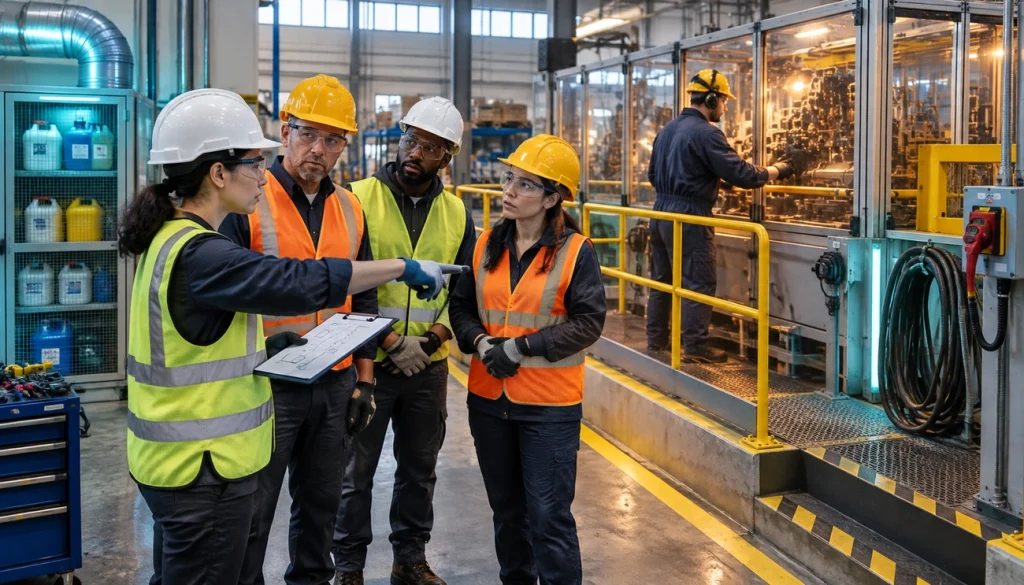
Respiratory protection should not operate alone. It must connect with gas detection, confined space entry, emergency response, PPE planning, training, and site safety procedures.

For oil and gas operations, respiratory hazards often appear alongside fall hazards, fire risks, heat, chemical exposure, pressurized systems, moving equipment, and remote work conditions. A worker entering a tank may need respiratory protection, gas detection, retrieval planning, protective clothing, gloves, eye protection, and rescue coordination at the same time.

Arbill’s oil and gas safety solutions are designed to support these high-risk environments with PPE, safety services, gas detection, training support, and practical solutions for field and facility teams.

Conclusion

Respiratory protection for oil and gas operations is about more than meeting a standard. It is about protecting workers from atmospheres that can become dangerous quickly and may not be detected by sight or smell.

H2S, toxic gases, oxygen deficiency, fumes, vapors, silica dust, and grinding debris all require careful assessment. The right protection depends on the hazard, exposure level, work task, oxygen availability, and emergency conditions.

A strong program includes air monitoring, proper respirator selection, medical evaluations, fit testing, training, inspection, maintenance, documentation, and continuous improvement. When these elements work together, workers are better prepared for drilling, production, maintenance, confined space entry, and emergency response without sacrificing their health or safety.

Request a Safety Assessment

Recent Posts

Warehouse Safety Equipment & PPE for 3PL Operations

Warehouse Safety Equipment & PPE for 3PL Operations

Chemical-Resistant PPE for Petrochemical & Plastics Plants

Chemical-Resistant PPE for Petrochemical & Plastics Plants

Safety Vests for Waste Management & Roadside Workers
High-Visibility Gear for Waste Management & Roadside Workers

High-Visibility Gear for Waste Management & Roadside Workers

Arc Flash PPE for Utilities & Power Companies

Arc Flash PPE for Utilities & Power Companies

Respiratory Protection for Oil & Gas Operations

Respiratory Protection for Oil & Gas Operations

  • Previous ProjectArc Flash PPE for Utilities & Power Companies

  • Next ProjectCut-Resistant Gloves for Metal Fabrication & Welding

CUSTOMER SERVICE

800-523-5367

CONTACT US

Complete the short form below and an Arbill representative will get back to you within 24 hours.
* Required Fields

    ARBILL RESPECTS YOUR PRIVACY AND YOUR INFORMATION: By submitting the form above you agree to receiving emails from Arbill. Your submitted information is NEVER shared. You may unsubscribe at any time via the "unsubscribe" link in our emails. You can view our Privacy Policy HERE.