High-visibility gear is not just a compliance item for waste management teams. It is a daily line of defense for workers who operate near moving vehicles, backing trucks, heavy equipment, low-light conditions, and unpredictable roadside environments.
Collection crews may begin before sunrise. Transfer station workers may move through areas with loaders, compactors, trucks, conveyors, and forklifts. Roadside workers may step in and out of traffic zones while drivers are distracted, impatient, or unable to see them clearly. In these conditions, visibility can determine whether a driver or equipment operator has enough time to react.
That is why choosing the right safety vest or high-visibility apparel matters. Workers need gear that meets the right ANSI/ISEA class, fits the job environment, supports movement, stands up to washing and contamination, and remains wearable during heat, cold, rain, and long physically demanding shifts.
For safety teams managing these risks, Arbill provides practical PPE support through workplace safety solutions, product access, and industry-focused guidance for high-risk operations.
Why High-Visibility Gear Matters in Waste Management
Waste management workers often operate in environments where visibility can change from minute to minute.
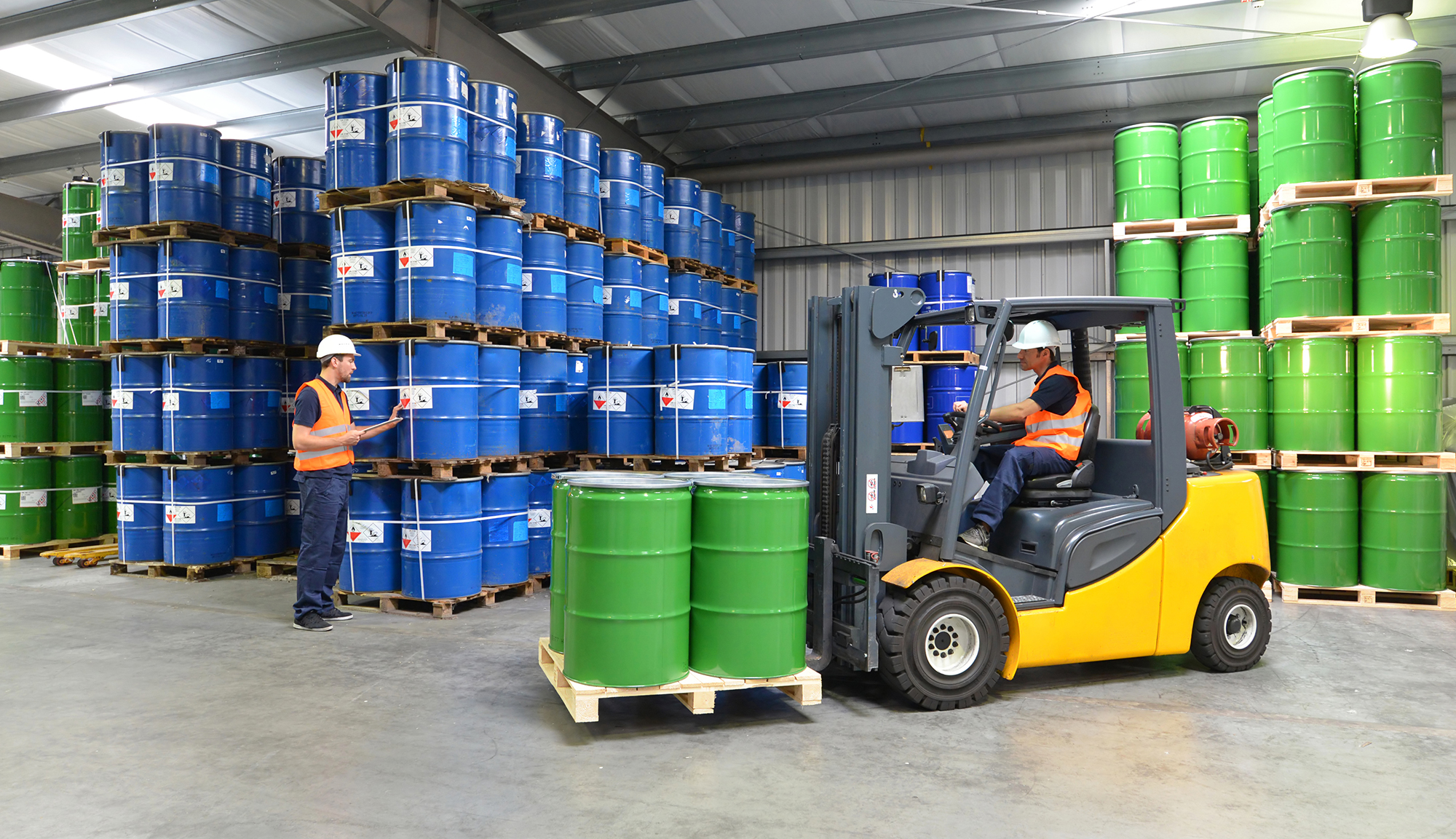
A worker may be clearly visible beside a truck one moment and hidden by parked cars, shadows, glare, containers, or traffic the next. On collection routes, workers bend, lift, walk between vehicles, move around the rear of trucks, and step into roadways repeatedly. In transfer stations and processing facilities, they may work around equipment that has limited sightlines and constant movement.
High-visibility apparel helps drivers and equipment operators identify workers sooner. That extra visibility gives others more time to slow down, stop, change direction, or communicate before an incident occurs.
For waste operations, Arbill’s waste management safety solutions can help teams think through PPE, visibility, worker protection, and operational safety needs across collection routes, sorting areas, facilities, and roadside work.
Roadside Collection Hazards and Traffic Risks
Roadside collection is one of the clearest examples of why visibility matters.
Workers often operate within feet of moving vehicles. They may walk from house to house, lift containers, guide carts, step between parked cars, or work near the back of collection trucks. Drivers may be focused on getting around the truck, watching oncoming traffic, or checking for gaps in the road, not scanning for workers around the vehicle.
Backing trucks create another major hazard. A worker can disappear into a blind spot in seconds, especially when the route is busy or visibility is limited. Reflective striping, bright background fabric, and 360-degree visibility help workers stand out from the surrounding road, buildings, parked cars, and street infrastructure.
High-visibility gear is especially important when workers move quickly between collection points. The more often workers change position, the more important it becomes for drivers to detect them from multiple angles.
Low-Light, Dawn, and Weather Conditions
Many collection routes begin before sunrise to avoid traffic and complete routes earlier in the day. That creates low-light exposure during some of the most active parts of the shift.
Dawn and dusk can be dangerous because glare, shadows, and changing light conditions make workers harder to distinguish. Fog, rain, overcast skies, and wet reflective surfaces can reduce visibility even more. Standard clothing may blend into the background, especially when workers are near dark vehicles, shaded areas, or road surfaces.
High-visibility apparel should help workers remain visible in these changing conditions. Reflective tape supports visibility when headlights or equipment lights hit the garment. Bright background materials help workers stand out during daylight and transitional light.
For early morning routes, foggy conditions, or emergency response work, some teams may also consider LED-enhanced options when reflective tape alone may not provide enough active visibility.