3PL warehouses run on speed, accuracy, and constant movement. Workers pick, pack, receive, stage, load, inspect, wrap, label, and move products while forklifts, pallet jacks, conveyors, and other equipment operate across the same floor space.
That combination creates risk.
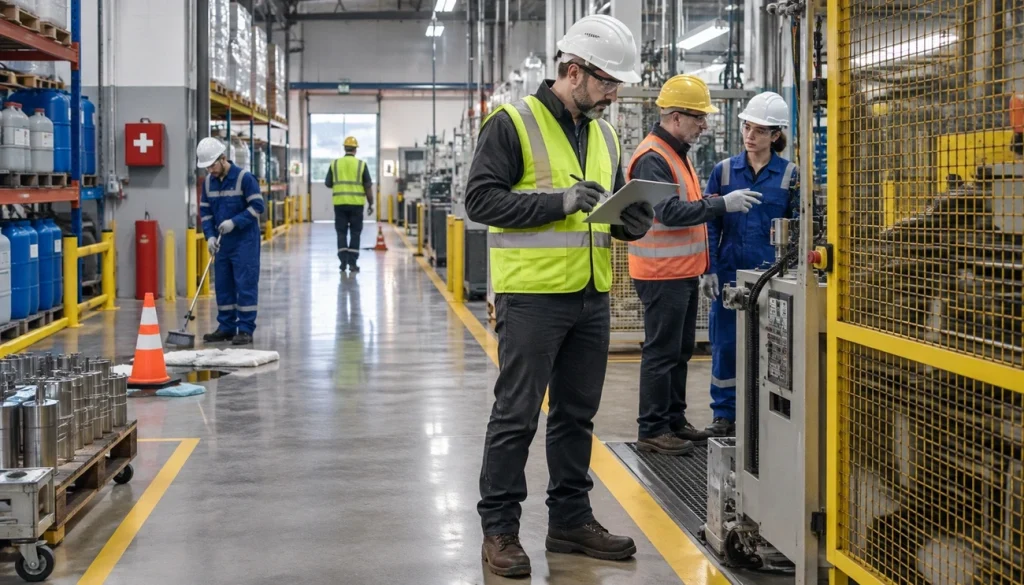
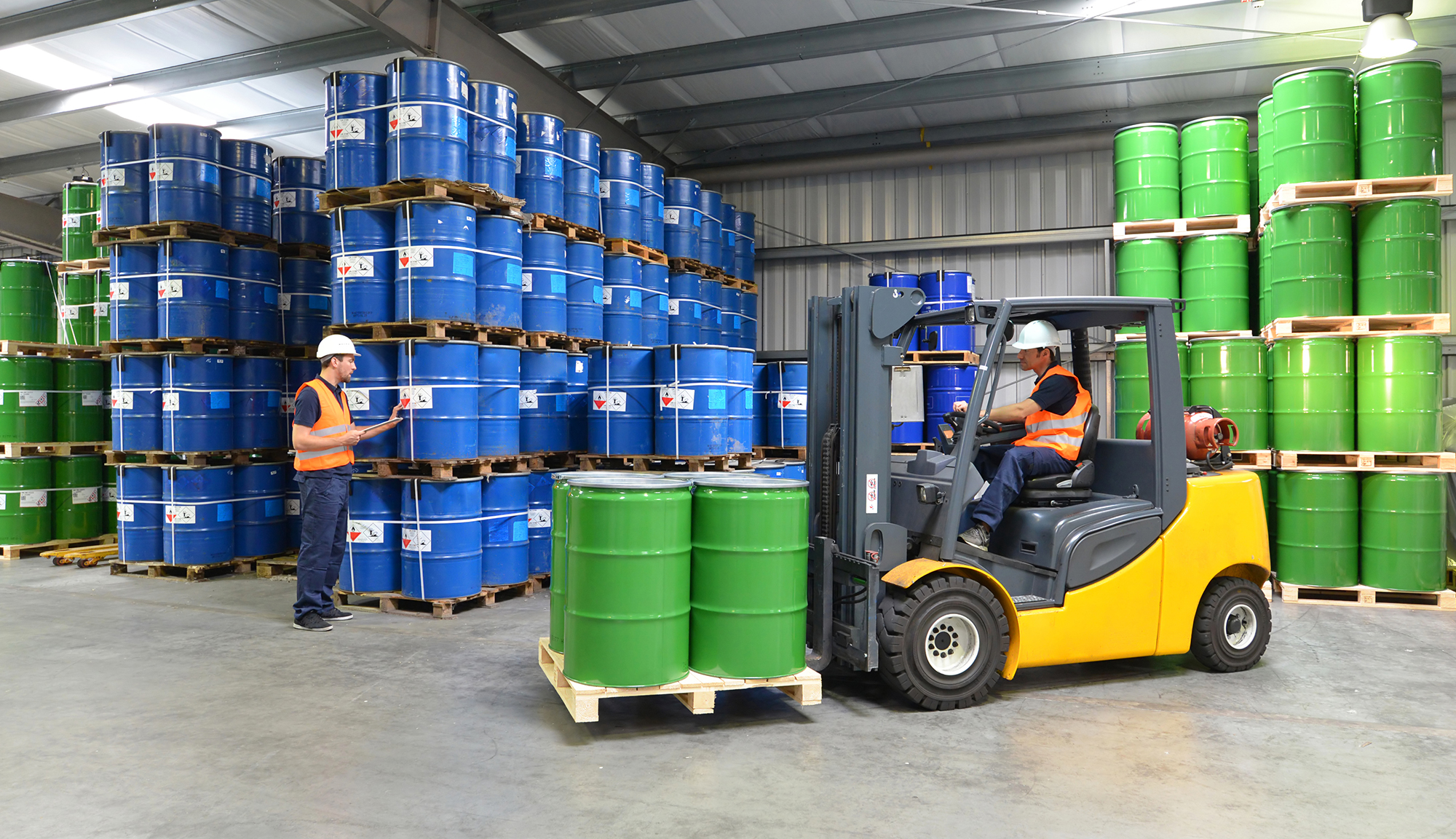
Forklifts move through receiving areas, storage aisles, dock doors, cross-aisles, packing zones, and shipping lanes. Pedestrian workers cross many of those same areas to access inventory, complete orders, handle returns, verify freight, and support facility operations. When traffic patterns are crowded or visibility is limited, one missed signal or one distracted moment can lead to a serious incident.
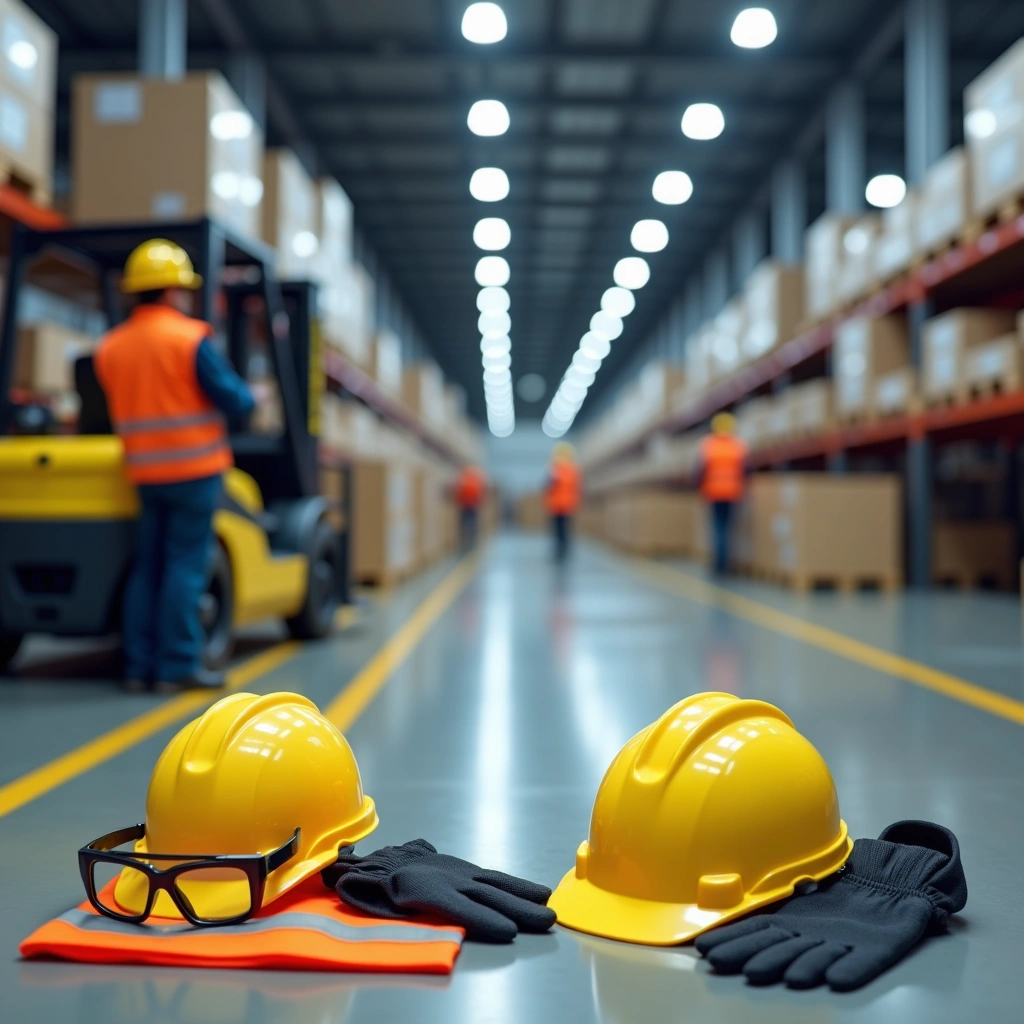
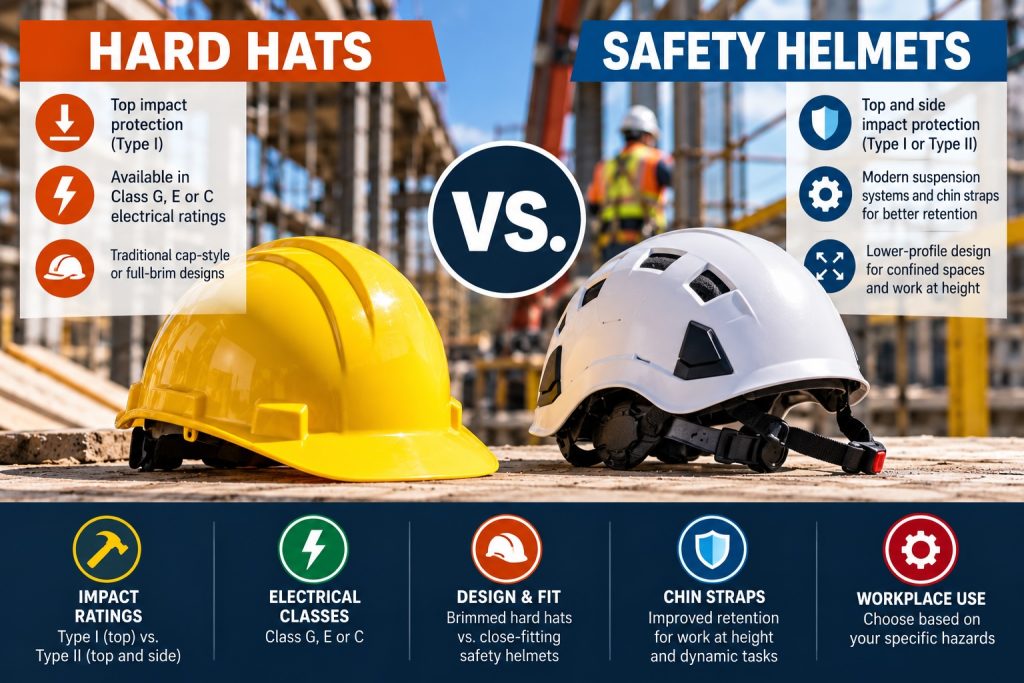
Warehouse safety equipment and PPE help create a safer system for both operators and pedestrians. The right program combines personal protective equipment, forklift safety technology, training, signage, floor marking, first aid readiness, and consistent safety standards across locations.
For 3PL teams managing high-volume movement, Arbill supports workplace safety with PPE, services, training resources, and solutions built around real operational hazards.
Understanding Safety Risks in 3PL Warehouses
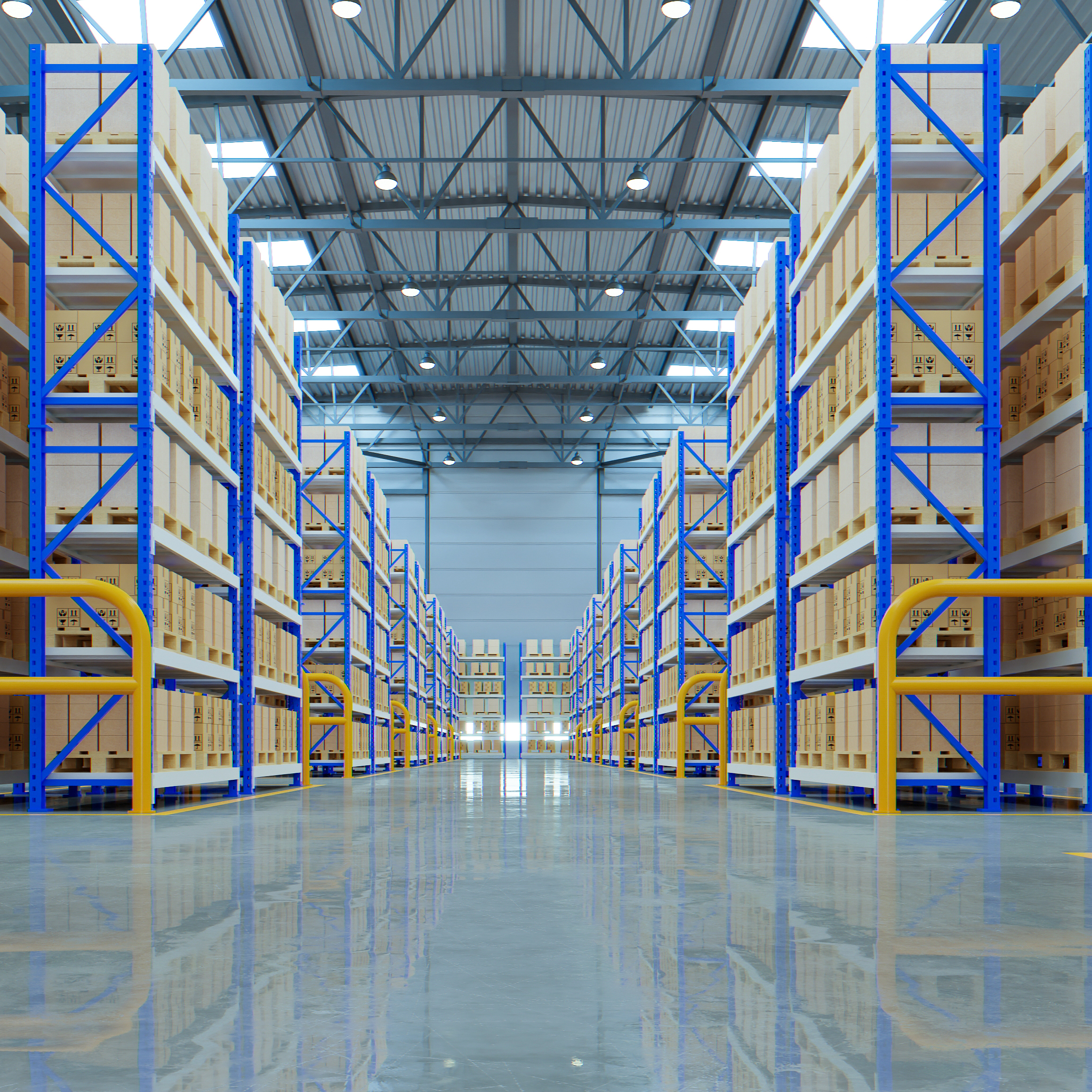
3PL operations often involve multiple customers, changing inventory, seasonal surges, tight shipping windows, and shifting floor layouts. These conditions can create hazards that change throughout the day.
High-Traffic Work Zones
The uploaded draft explains that 3PL warehouses operate under constant movement and pressure. Workers pick, pack, receive, stage, and load products while forklifts move pallets across the same floor space.
High-traffic zones often include receiving docks, outbound staging areas, storage aisles, cross-aisles, returns areas, and packing stations. When pedestrians and powered equipment share space, safety depends on visibility, separation, communication, and predictable movement.
Seasonal demand spikes can add pressure. During peak periods, workers may move faster, equipment traffic may increase, and temporary staging areas may appear in spaces that are usually clear. PPE and safety systems must be strong enough to support these changing conditions.
Blind Spots and Limited Visibility
Forklift operators have visibility limitations. Mast structures, overhead guards, pallets, stacked loads, racking, and tight corners can block sightlines. A pedestrian may be hidden until the forklift is already close.
The uploaded draft notes that stacked inventory, racking systems, equipment staging areas, and temporary material placements create visual barriers. This can make intersections especially dangerous when operators and pedestrians approach from different directions.
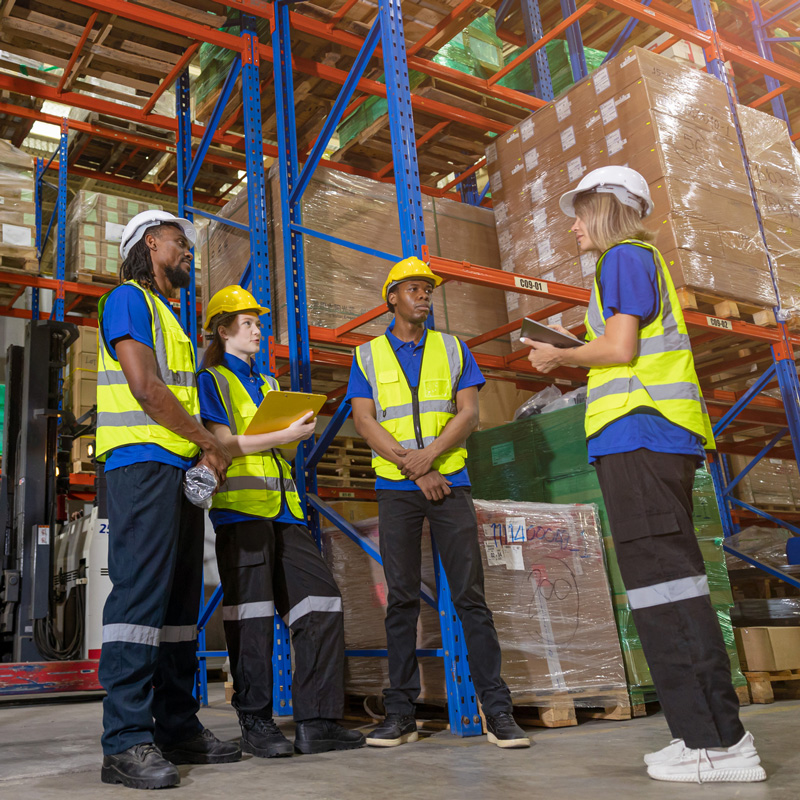
High-visibility apparel, mirrors, floor markings, warning lights, and proximity detection can help reduce this risk. Still, technology should support training and traffic design, not replace them.
Loading Dock Hazards
Dock areas concentrate risk. Trailers, dock plates, forklifts, pallet jacks, pedestrians, staged freight, battery charging areas, and maintenance zones often overlap in a limited space.
The uploaded draft explains that dock operations involve elevation changes, uneven surfaces, trailer movement, and multiple work activities happening near each other.
Dock safety equipment and PPE should account for foot protection, visibility, hand protection, slip resistance, traffic separation, and emergency response. A dock is not just a shipping area. It is one of the most active safety zones in the warehouse.