Fall hazards are one of the most serious risks in industrial environments. Workers may perform tasks on platforms, ladders, mezzanines, rooftops, loading areas, elevated equipment, scaffolds, tanks, rigs, silos, catwalks, and other raised surfaces where one missed step can lead to a severe injury.

Industrial and elevated work also creates risks beyond the fall itself. A worker may be exposed to falling tools, sharp edges, weather, moving equipment, confined access, awkward body positioning, or rescue delays after a fall arrest event. That is why fall protection cannot be treated as a single harness purchase.

A strong fall protection program includes hazard assessment, proper equipment selection, worker training, anchorage planning, inspection, rescue procedures, and supporting PPE that protects workers before, during, and after elevated work. For companies managing these risks, Arbill supports safety teams with PPE, services, and practical solutions built around real workplace hazards.

Why Fall Protection Matters in Industrial Work

Falls can happen in many parts of an industrial facility, not only on construction sites. Maintenance crews, operators, contractors, technicians, inspectors, and repair teams may all work at height during normal operations.

Elevated Work Is Often Routine

The danger with industrial fall hazards is that many elevated tasks feel routine. Workers may climb the same ladder, access the same platform, or inspect the same equipment every week. Familiarity can reduce caution, especially when the job is short or when workers believe they are “only going up for a minute.”

That short exposure can still be enough for a serious fall.

Common elevated work areas include:

  • Fixed ladders and platforms
  • Mezzanines and catwalks
  • Loading docks and trailer areas
  • Rooftops and roof edges
  • Tanks, vessels, and silos
  • Elevated machinery
  • Racking and storage areas
  • Utility and maintenance structures

The right fall protection solution depends on the surface, height, task, anchor location, movement required, and rescue plan.

Falling Objects Add More Risk

Elevated work also creates falling-object hazards for workers below. Tools, hardware, parts, and materials can drop from platforms or work areas if they are not secured.

This is why fall protection planning should include head protection, tool control, barricades, and restricted access below elevated work. A harness may protect the worker at height, but the full work area needs controls.

Fall Protection Must Fit the Task

A personal fall arrest system may be appropriate for one task, while guardrails, travel restraint, positioning systems, or engineered access may be better for another. The goal is to prevent the fall when possible and reduce injury severity when fall arrest is required.

For equipment selection, Arbill’s fall protection category can support teams looking for harnesses, lanyards, lifelines, anchors, and related elevated-work safety products.

Common Industrial Fall Hazards

Industrial fall hazards vary by facility and task. A program should start by identifying where workers are exposed and what type of protection fits the work.

Platforms, Mezzanines, and Catwalks

Platforms and mezzanines are common in manufacturing, warehousing, utilities, processing facilities, and maintenance environments. Workers may access elevated controls, conveyors, tanks, storage areas, or equipment rooms.

If guardrails are missing, damaged, removed for access, or incomplete near openings, workers can be exposed to fall hazards. Even when guardrails are present, gates, stairs, ladders, and transition points may create exposure.

Ladders and Access Points

Fixed and portable ladders create hazards during climbing, carrying tools, transitioning on and off the ladder, or working from the ladder instead of a stable platform. Workers may also climb in wet, dusty, oily, cold, or windy conditions that affect grip and balance.

Ladder safety should include the condition of the ladder, the angle or installation, the worker’s footwear, the task duration, and whether a safer access method is available.

Rooftops and Equipment Areas

Industrial rooftops may include HVAC units, vents, piping, access hatches, skylights, parapets, and unprotected edges. Workers may visit these areas for inspection, repair, installation, or emergency maintenance.

Roof work requires edge awareness, safe access, proper anchorage, walking path planning, weather review, and rescue planning. Skylights and roof openings should also be treated as fall hazards.

Explore Our Solutions!
Fall Prevention Consulting

Essential Fall Protection Equipment

Fall protection equipment should be chosen based on the hazard assessment, not simply stocked as a generic supply item. Each component plays a specific role in either preventing a fall or reducing injury if a fall occurs.

Harnesses

A full-body harness distributes fall arrest forces across the body when properly fitted and used with compatible equipment. Harness selection should account for worker size, comfort, task type, dorsal D-ring placement, leg strap design, and connection points.

A poorly fitted harness can increase injury risk and reduce worker compliance. Workers should know how to inspect, adjust, and wear the harness correctly before they begin elevated work.

Lanyards, Lifelines, and Connectors

Lanyards, self-retracting lifelines, vertical lifelines, horizontal lifelines, and connectors must match the task and fall clearance. The wrong connection can allow excessive free fall, swing fall, or contact with a lower level.

Before work begins, safety teams should confirm anchorage location, working distance, edge exposure, fall clearance, and compatibility between components.

Anchors and Engineered Systems

Anchorage is one of the most important parts of fall protection. Workers need a secure connection point that is rated for the intended system and positioned to reduce fall distance and swing hazards.

Some facilities rely on temporary anchors for maintenance tasks, while others need engineered systems for repeated elevated work. Permanent solutions can reduce guesswork and make safe work easier for crews who access the same elevated areas regularly.

Supporting PPE for Elevated Work

Fall protection is not only about harnesses and lifelines. Workers at height may also need PPE that protects against impact, cuts, dropped objects, grip hazards, and environmental conditions.

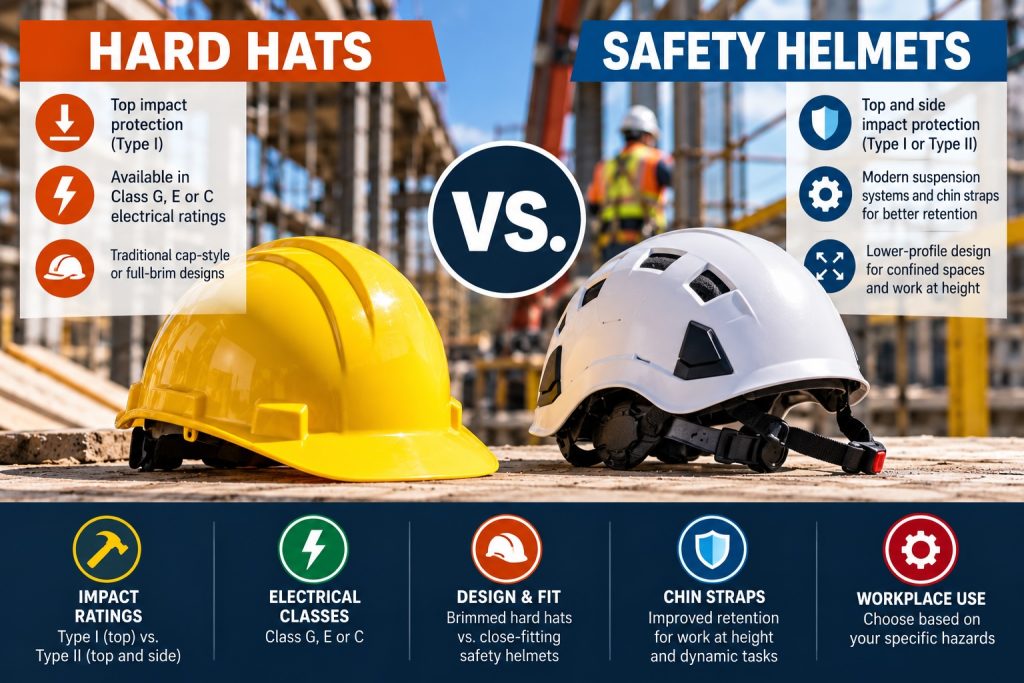
Head Protection

Head protection matters for both workers at height and workers below. Elevated tasks may expose workers to overhead structures, low-clearance equipment, dropped tools, and falling materials.

Arbill’s head protection category can support teams selecting hard hats, bump caps, and related head protection for industrial environments where falling objects or impact hazards are present.

Hand and Arm Protection

Workers climbing, handling tools, moving materials, or working around sharp edges need reliable grip and hand protection. Cuts, abrasions, pinch points, and poor grip can all contribute to unsafe elevated work.

Arbill’s hand and arm protection category can help teams evaluate gloves and sleeves for grip, cut resistance, abrasion resistance, dexterity, and task-specific protection.

Footwear, Visibility, and Weather Gear

Footwear should support slip resistance, stability, and comfort during climbing or standing at height. High-visibility apparel may be needed in areas with moving equipment or traffic. Weather gear may be required for outdoor elevated work, but it should not interfere with harness fit, connectors, or safe movement.

Supporting PPE should work with the fall protection system, not against it.

As long as people go to work, we have an opportunity to help protect them.

Julie Copeland
Arbill CEO

Julie Copeland Arbill CEO

Planning for Fall Clearance and Rescue

A fall protection system must be planned before the worker leaves the ground. The equipment may be rated correctly, but if clearance or rescue is not considered, the worker can still be seriously injured.

Fall Clearance

Fall clearance is the distance needed to stop a fall before the worker contacts a lower level, equipment, structure, or obstruction. Clearance depends on the lanyard or lifeline, deceleration distance, worker height, anchor location, and safety margin.

Low-clearance environments require special attention. A standard lanyard may not be appropriate if the worker could strike a lower level before the system fully arrests the fall.

Swing Fall Hazards

Swing fall occurs when a worker is connected to an anchor point that is not directly above the work area. If the worker falls, they may swing into equipment, walls, columns, or other structures.

Anchorage placement should reduce swing potential whenever possible. Horizontal movement should be evaluated before work begins.

Rescue Planning

Rescue cannot be an afterthought. After a fall arrest event, a worker may be suspended and unable to self-rescue. The team needs a practical plan to retrieve the worker quickly and safely.

The rescue plan should identify trained responders, equipment, communication methods, access routes, and backup options. A plan that depends on improvisation is not enough.

Fall Protection for Rigs, Platforms, and Industrial Structures

Some elevated work areas create more complex fall protection challenges. Rigs, platforms, towers, tanks, utility structures, and industrial equipment may involve limited anchorage, changing work positions, and exposure to weather or moving operations.

Task-Specific Hazards

Work on elevated platforms often requires climbing, positioning, reaching, tool handling, and movement around structural members. The fall protection system must support the worker’s movement without creating excessive slack, trip hazards, or interference.

Arbill’s article on fall protection for rigs and elevated platforms provides additional guidance for work environments where elevation, access, and rescue planning need to be evaluated together.

Equipment Compatibility

Harnesses, lanyards, connectors, anchors, and lifelines must be compatible. Mixing components without review can create hazards, especially if connectors do not align properly or if anchor locations increase fall distance.

Safety teams should standardize approved equipment combinations where possible so workers are not forced to make technical decisions in the field.

Environmental Conditions

Wind, rain, heat, cold, dust, oil, chemicals, and poor lighting can all affect elevated work. These conditions may change how workers move, grip, see, and communicate.

Fall protection procedures should account for weather holds, work stoppage criteria, and PPE adjustments when conditions change.

See Our Safety Services!
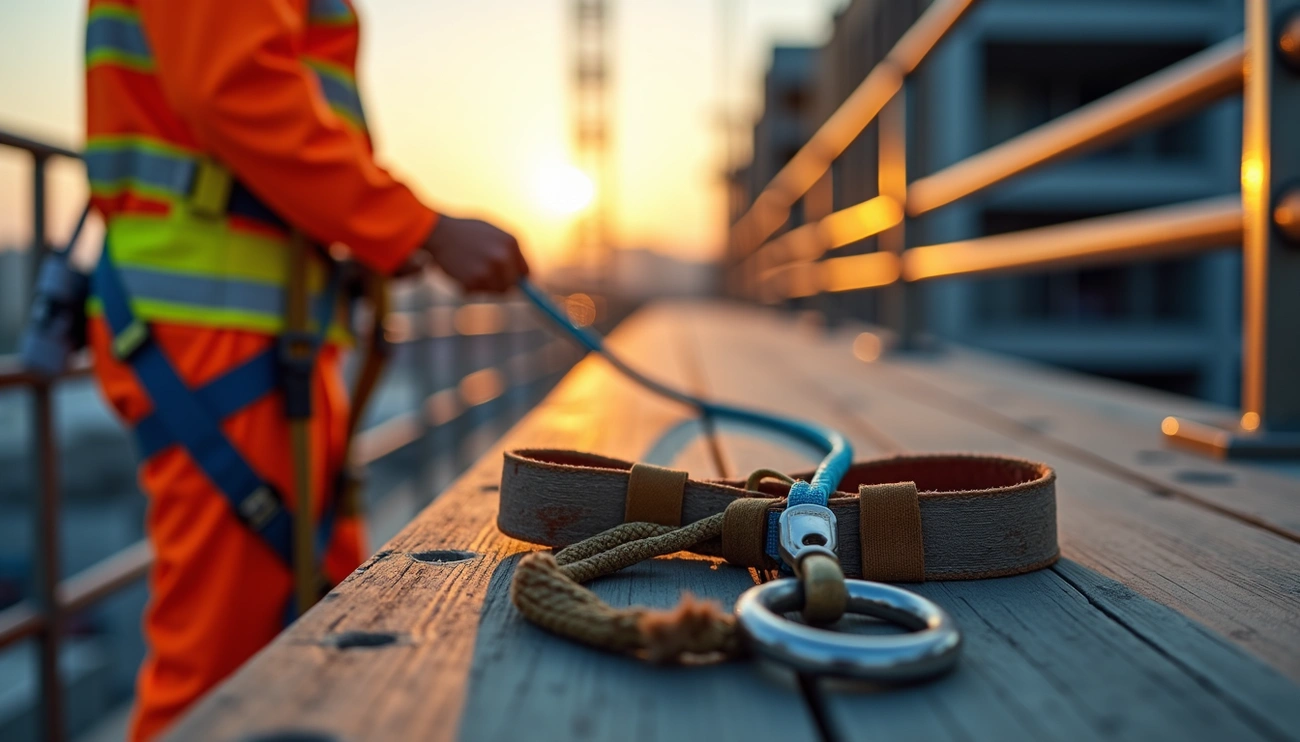
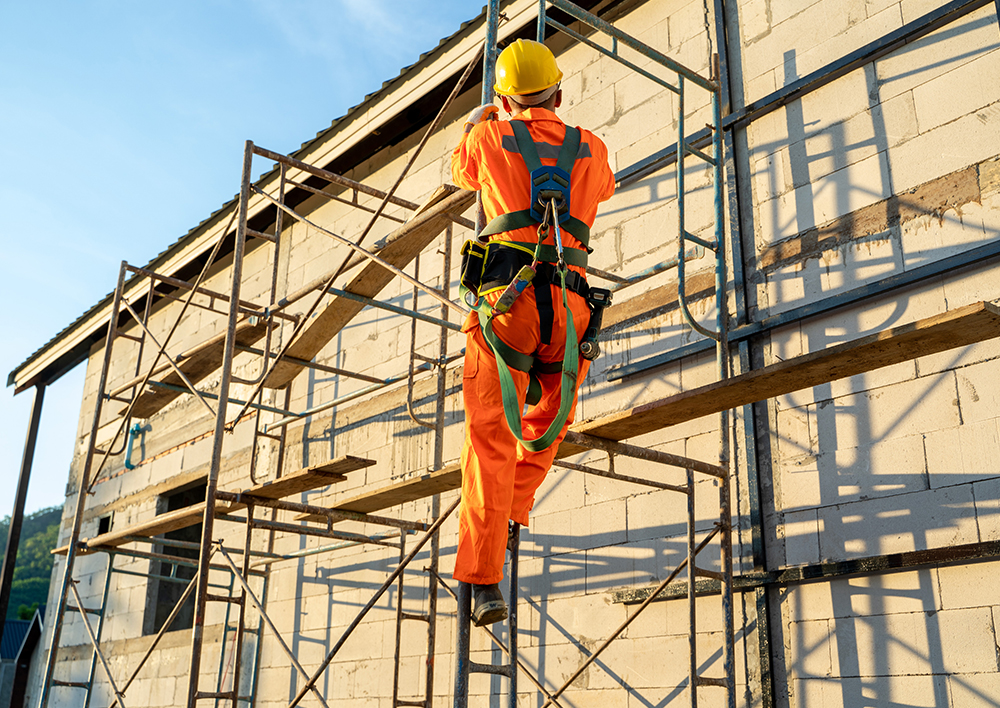
Worker with Fall Protection Equipment

Training and Program Management

Fall protection equipment only works when workers understand how to use it correctly. Training should be practical, task-specific, and reinforced over time.

Worker Training

Workers should know how to recognize fall hazards, select equipment, inspect components, connect properly, calculate clearance, avoid swing falls, and follow rescue procedures. Training should also cover what not to do, such as tying off to unapproved anchors or using damaged equipment.

Supervisors should verify that training is applied in the field, not only completed on paper.

Inspection and Replacement

Fall protection equipment should be inspected before use and according to manufacturer guidance. Workers should look for cuts, burns, fraying, chemical damage, missing labels, damaged stitching, corrosion, deformation, or malfunctioning hardware.

Damaged equipment should be removed from service immediately. A harness or lanyard involved in a fall arrest event should not be reused unless evaluated according to manufacturer and program requirements.

Documentation and Continuous Improvement

A strong program documents hazard assessments, equipment inspections, training, rescue plans, incidents, near misses, and corrective actions. Documentation helps verify compliance and identify recurring issues.

If workers repeatedly struggle with the same elevated task, the solution may be better access, an engineered system, different PPE, or a revised procedure.

Conclusion

Fall protection solutions for industrial and elevated work must be built around the actual task, not a generic equipment list.

Workers may face hazards on platforms, ladders, mezzanines, rooftops, loading areas, tanks, rigs, silos, catwalks, and elevated machinery. They may also face falling objects, sharp edges, poor grip, weather, low clearance, swing hazards, and rescue challenges.

A complete program includes hazard assessment, proper fall protection equipment, supporting PPE, anchorage planning, clearance evaluation, rescue procedures, training, inspection, and documentation. When these elements work together, companies can better protect workers at height and reduce the serious consequences of elevated work incidents.

Request a Safety Assessment

Recent Posts

Oil and gas teams often work across multiple sites
OSHA Compliance Guide for Oil & Gas Operations

OSHA Compliance Guide for Oil & Gas Operations

Industrial manufacturing safety in action
OSHA Compliance Guide for Heavy Industrial Manufacturing

OSHA Compliance Guide for Heavy Industrial Manufacturing

Automated safety in warehouse operation
TruSense Safety Technology for Warehouse & Distribution Centers

TruSense Safety Technology for Warehouse & Distribution Centers

First Aid Cabinet Management By Team
First Aid & Emergency Response Supplies for Industrial Facilities

First Aid & Emergency Response Supplies for Industrial Facilities

Hearing Protection for Heavy Manufacturing Environments

Hearing Protection for Heavy Manufacturing Environments

  • Previous ProjectHearing Protection for Heavy Manufacturing Environments

  • Next ProjectWarehouse Safety Equipment & PPE for 3PL Operations

CUSTOMER SERVICE

800-523-5367

CONTACT US

Complete the short form below and an Arbill representative will get back to you within 24 hours.
* Required Fields

    ARBILL RESPECTS YOUR PRIVACY AND YOUR INFORMATION: By submitting the form above you agree to receiving emails from Arbill. Your submitted information is NEVER shared. You may unsubscribe at any time via the "unsubscribe" link in our emails. You can view our Privacy Policy HERE.