Waste management companies operate in environments where safety, environmental compliance, and operational pressure intersect every day. Collection crews work near traffic and moving vehicles. Processing facilities handle mixed materials and heavy equipment. Hazardous waste teams manage chemicals, damaged containers, vapors, contaminated materials, and emergency releases.
These hazards do not remain isolated within one department.
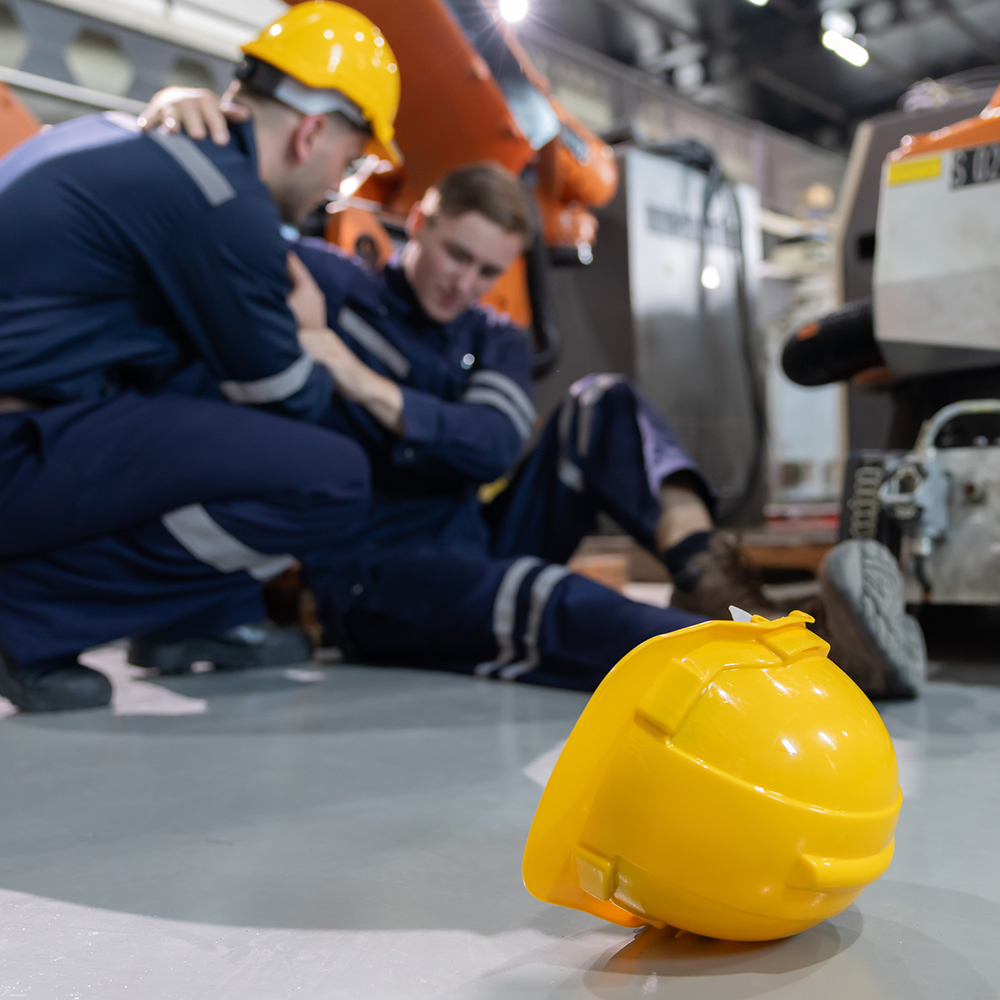
A labeling problem can affect receiving, storage, transportation, and emergency response. Poor PPE access can expose workers during transfers or spill cleanup. An incomplete training record may indicate that employees do not understand the materials they handle. A damaged container can quickly become a worker exposure, fire hazard, or environmental release.
EHS managed services help waste management companies coordinate these responsibilities through one structured system. Instead of reacting after an incident, citation, or customer concern, companies receive ongoing support for hazard assessment, training, documentation, PPE, emergency planning, audits, and program improvement.
For organizations strengthening safety across complex operations, Arbill provides EHS expertise, PPE, technology, training, and practical support built around real workplace risks.
Why Waste Management Companies Need Structured EHS Support
Waste operations face hazards that change by material, location, task, and time. A residential collection route presents different risks than a transfer station. A recycling line differs from a hazardous waste accumulation area. Maintenance workers may encounter exposures that operators never see during normal production.
Safety Responsibilities Cross Multiple Operations
Waste companies may manage collection, sorting, transfer, processing, storage, recycling, transportation, maintenance, and disposal activities. Each part of the operation can introduce different OSHA, EPA, transportation, and internal safety requirements.
A strong EHS program connects those responsibilities rather than allowing each department to manage hazards independently.
Arbill’s waste management safety solutions support the varied needs of collection crews, processing employees, facility teams, maintenance workers, and hazardous waste operations.
Reactive Safety Creates Preventable Risk
Many organizations update procedures only after something goes wrong. A spill triggers a storage review. A near miss leads to new training. An inspection finding causes missing documents to be created. An injury reveals that workers were using the wrong PPE.
Managed EHS services change that pattern by evaluating programs before gaps become incidents.
Internal Teams May Need Specialized Support
Waste management safety programs can involve hazard communication, respiratory protection, emergency planning, PPE selection, hazardous waste rules, training, documentation, environmental records, and contractor oversight.
Internal safety teams may understand the operation well but lack enough time or specialized resources to manage every obligation consistently. Managed support adds expertise and capacity without separating safety decisions from actual work conditions.
Common EHS Challenges in Waste Management
Waste companies need programs that address both routine hazards and less predictable materials entering the operation.
Chemical Exposure and Contamination
Workers may encounter spent solvents, oils, aerosols, batteries, corrosive liquids, contaminated absorbents, paint waste, sludge, laboratory chemicals, process residue, and unidentified materials.
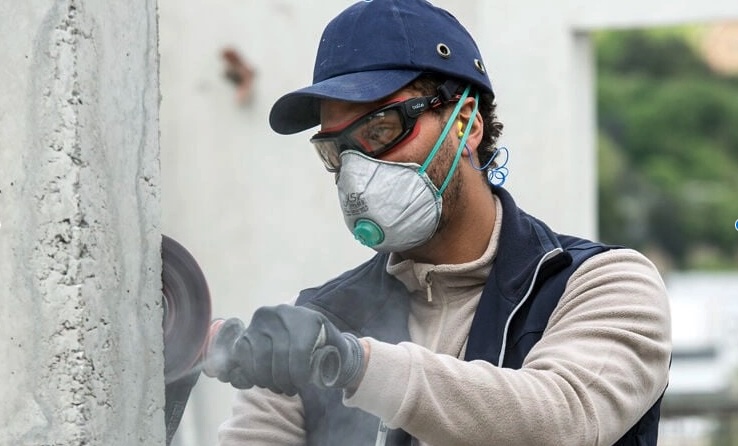
Exposure may happen through inhalation, skin contact, chemical splash, puncture, contaminated surfaces, or accidental mixing. Workers cleaning a spill may face much higher exposure than employees who normally move sealed containers.
Storage and Container Problems
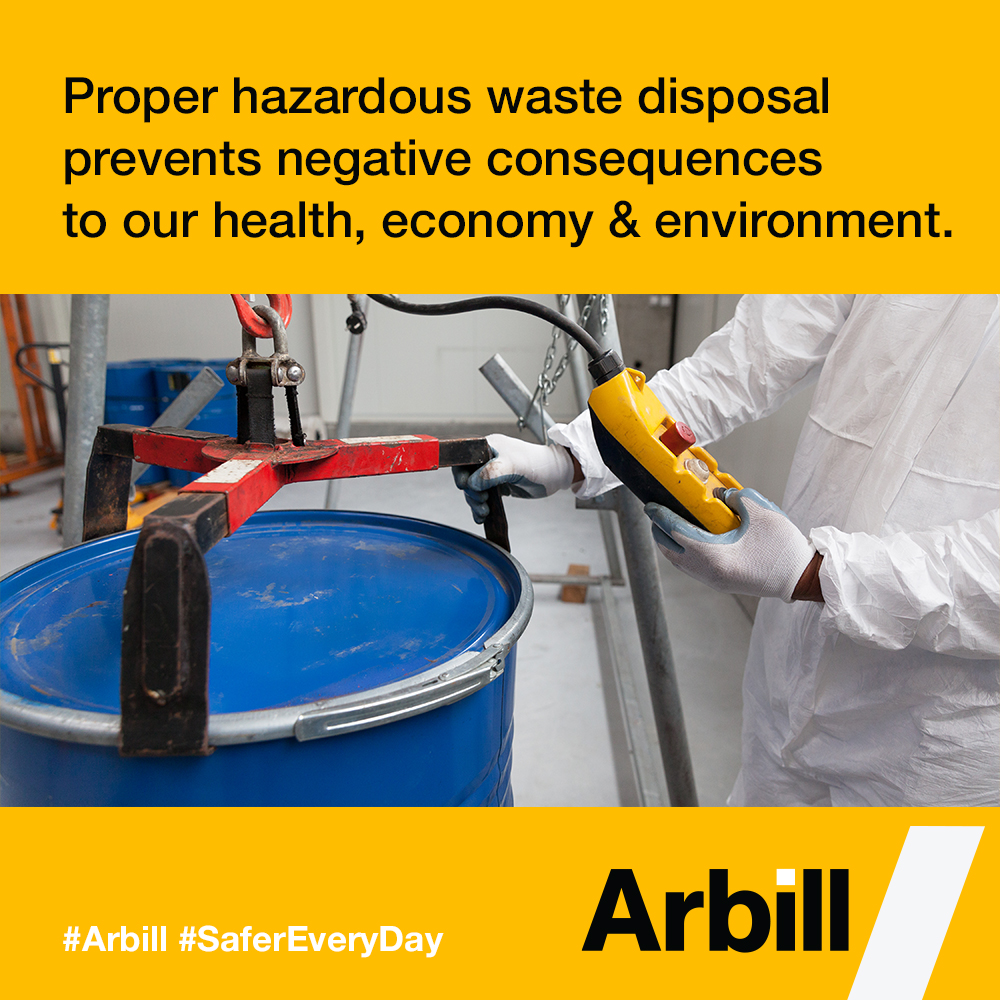
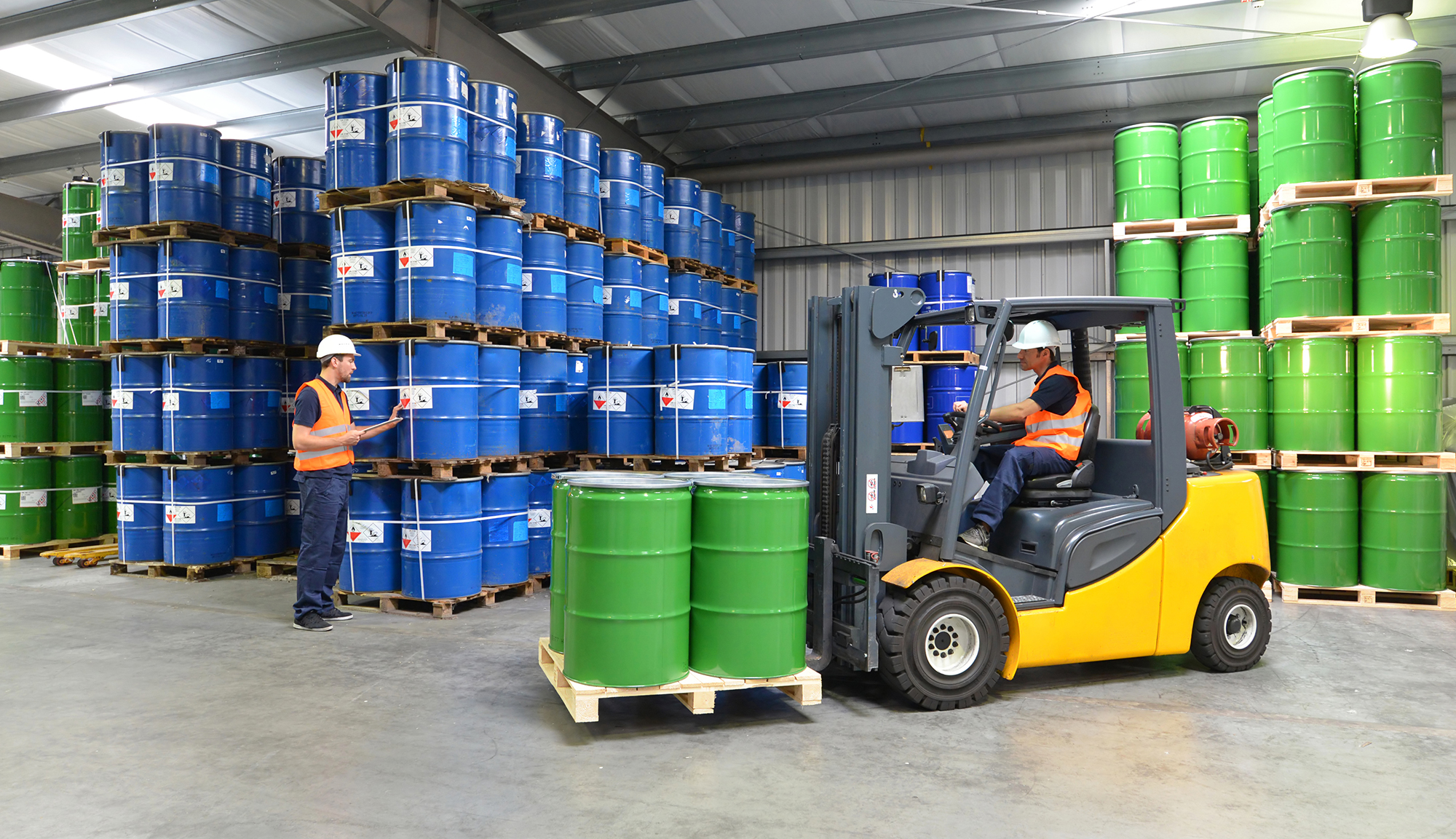
Container condition can change the risk quickly. A properly sealed and labeled drum may be manageable, while a corroded or leaking container can create immediate exposure and environmental concerns.
Storage problems may include:
- Missing or damaged labels
- Incompatible materials stored together
- Deteriorated containers
- Inadequate secondary containment
- Blocked access or emergency equipment
- Poor aisle spacing
- Accumulation-time violations
- Materials stored near drains or ignition sources
Managed EHS support helps facilities build inspections and corrective actions around these recurring risks.
Training and Documentation Gaps
Waste management programs often weaken when procedures are not understood consistently across shifts and locations. Employees may make different decisions about labeling, storage, container selection, PPE, spill response, or waste accumulation.
Documentation gaps make the problem harder to detect. Missing training records, outdated procedures, incomplete inspection forms, and inconsistent waste records can expose companies during an audit and indicate broader program weaknesses.
Emergency Response Readiness
Spill kits alone do not create an emergency response program. Workers must know whether they should contain a release, evacuate, notify a supervisor, isolate an area, or contact an emergency response team.
Plans should also address nights, weekends, remote locations, and shifts when fewer trained personnel are available.