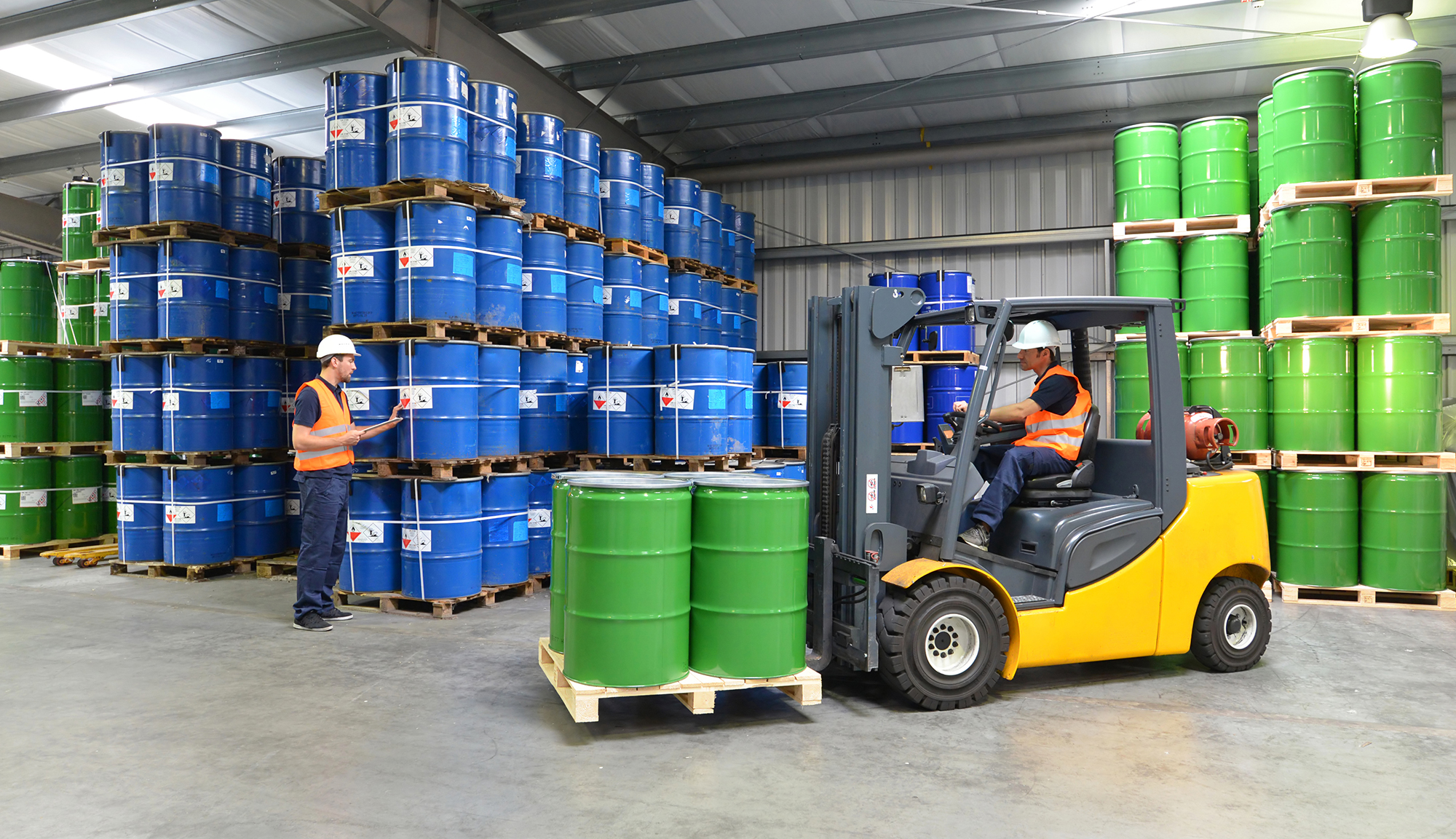
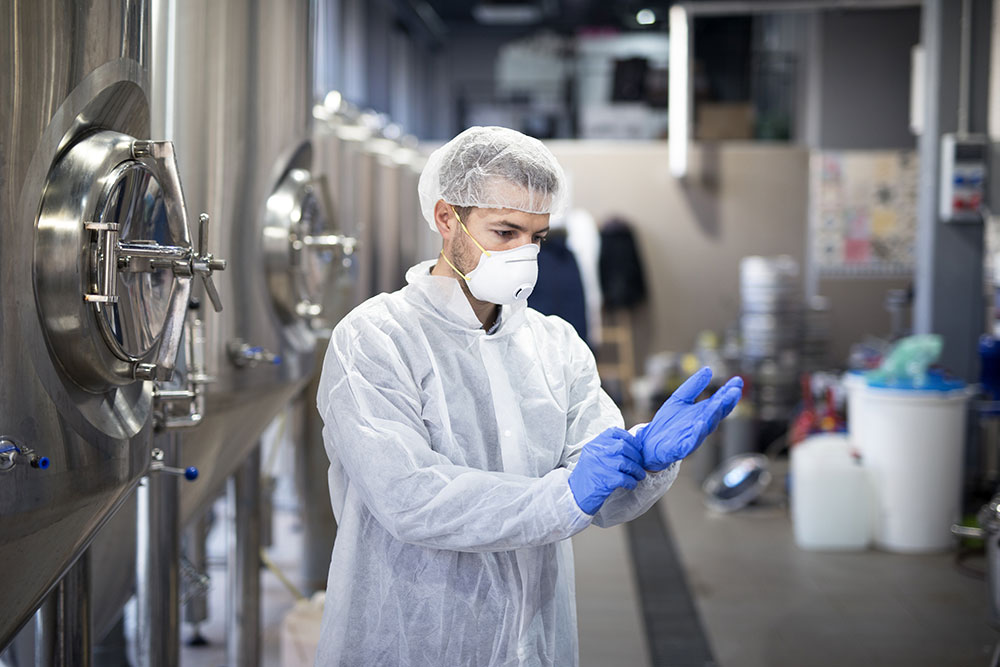
Personal protective equipment is often the most visible part of a workplace safety program. Workers wear safety glasses, gloves, hard hats, respirators, hearing protection, protective clothing, and safety footwear every day.

However, distributing PPE does not automatically create an effective program.

Workers may receive equipment that does not match the hazard, fit correctly, work comfortably with other protection, or remain accessible when replacements are needed. Products may be selected according to price or habit rather than a documented hazard assessment. Employees may complete general training without understanding the limitations of the equipment they use.

A workplace PPE program creates a structured system for assessing hazards, selecting protection, training workers, managing inventory, inspecting equipment, and improving performance over time.

For organizations strengthening worker protection, Arbill provides PPE, training, assessments, vending technology, and safety support designed around real workplace conditions.

What Is a Workplace PPE Program?

A PPE program explains how an employer identifies workplace hazards and protects employees when those hazards cannot be eliminated or sufficiently controlled through other methods.

PPE Is Part of a Larger Control System

Personal protective equipment should not be the first or only response to a hazard.

Where practical, employers should first consider whether the exposure can be eliminated, substituted, isolated, enclosed, ventilated, guarded, or reduced through changes in equipment and work practices.

For example, local exhaust ventilation may reduce welding fumes. A machine guard may prevent contact with moving parts. Noise controls may lower employee exposure. Automated handling may reduce direct contact with hazardous materials.

PPE provides another protection layer when these controls cannot fully remove the risk.

The Program Connects Several Responsibilities

A complete program should address the hazards present, the equipment selected, employee fit, training, maintenance, replacement, accessibility, documentation, and performance monitoring.

These responsibilities are connected. The hazard assessment determines what PPE is necessary. Product selection affects training and inventory. Worker feedback influences fit and acceptance. Inspection findings determine when equipment must be replaced.

When these elements are managed separately, gaps can develop.

Begin With a Workplace Hazard Assessment

A documented hazard assessment is the foundation of the PPE program.

Observe Work Under Real Conditions

Safety teams should examine how employees actually perform their tasks—not only how written procedures say the work should happen.

Walk through production areas, warehouses, laboratories, loading docks, maintenance shops, outdoor work zones, utility spaces, and other locations where employees may be exposed.

Look at routine operations as well as cleaning, maintenance, setup, material transfer, spill response, shutdowns, and emergency work.

The assessment should consider potential exposure to impact, penetration, compression, chemicals, heat, electrical energy, noise, respiratory contaminants, falling objects, and other workplace hazards.

Arbill’s EHS safety assessments can help facilities evaluate work practices, PPE selection, written programs, records, compliance gaps, and workplace conditions through structured professional reviews.

Evaluate the Task, Not Just the Job Title

PPE requirements should be connected to the task and exposure rather than assigned only by job title.

A maintenance technician may perform electrical work, chemical handling, elevated access, grinding, and confined space tasks during the same week. Each activity may require a different combination of protection.

Similarly, two employees with the same title may work in different departments with significantly different hazards.

A task-based assessment creates more accurate protection requirements.

Review Incidents and Near Misses

Past incidents can show where existing controls or PPE failed.

Look for patterns involving injury type, body part, location, task, department, shift, and equipment. Near misses can reveal exposure before an injury occurs.

If workers repeatedly experience eye irritation, hand cuts, heat symptoms, or damaged PPE, the program should determine whether the product, training, procedure, or engineering controls need improvement.

Involve Employees

Workers understand practical conditions that may not be obvious during a short inspection.

They can explain where equipment interferes with the task, where PPE becomes uncomfortable, which supplies are difficult to access, and which products fail prematurely.

Employee involvement improves both protection and acceptance. Workers are more likely to use equipment consistently when they understand the selection process and have an opportunity to provide meaningful feedback.

Explore Our Solutions!
Choosing the proper PPE

Create a PPE Hazard Assessment and Selection Matrix

After hazards are identified, the organization needs a clear method for documenting what protection applies.

Connect Hazards With Required Protection

A PPE matrix can organize tasks, exposures, work areas, and required equipment in one reference document.

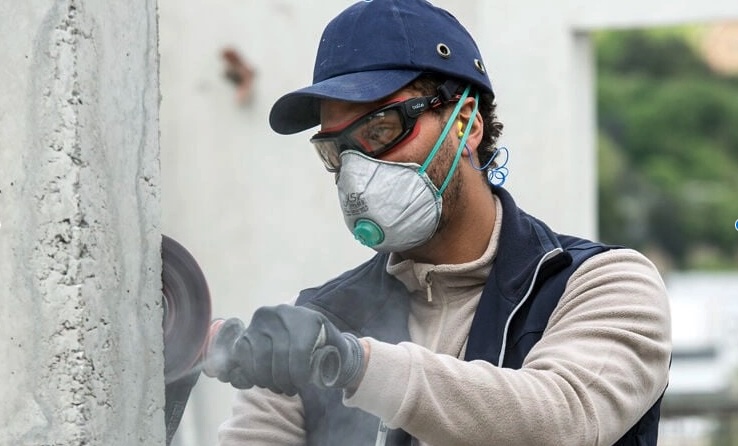
For example, a grinding task may require safety glasses, a face shield, hearing protection, gloves, protective clothing, and respiratory protection depending on the material and exposure.

Chemical transfer may require splash goggles, a face shield, chemical-resistant gloves, protective clothing, and appropriate footwear.

The matrix should be specific enough to guide supervisors and employees without becoming so complex that workers cannot use it.

Document Selection Decisions

The program should explain why a particular product or protection level was selected.

Documentation may include hazard-assessment findings, applicable standards, manufacturer information, chemical compatibility, protection ratings, fit considerations, and equipment limitations.

This record helps the organization evaluate future substitutions and explain its decisions during audits or incident investigations.

Standardize Where Practical

Standardization can simplify purchasing, training, inventory, and compliance.

Facilities may reduce the number of glove, eyewear, hard-hat, or respirator models while still providing options for different hazards and employee fit.

However, standardization should never force workers to use unsuitable equipment. The purpose is to remove unnecessary variation, not to ignore task-specific protection needs.

Select PPE That Fits the Hazard and the Worker

A technically compliant product can still fail when it does not fit properly or work with the rest of the protective system.

Eye and Face Protection

Employees may face flying particles, dust, chemical splash, molten materials, gases, vapors, or harmful light radiation.

Safety glasses may provide protection for certain impact hazards, while goggles may be necessary for splash, dust, or exposure from multiple directions. Face shields provide additional facial coverage but generally should be worn with appropriate primary eye protection.

Arbill’s eye and face protection options can help facilities match glasses, goggles, face shields, welding protection, and accessories to specific industrial exposures.

Prescription-lens users also need suitable protection that allows them to see clearly without relying on ordinary eyewear that may not provide adequate impact or splash resistance.

Hand and Arm Protection

Selecting gloves requires more than deciding whether workers need general hand protection.

Facilities should consider cut, abrasion, puncture, chemical, heat, cold, vibration, electrical, and impact hazards. Dexterity and grip are also important because poorly selected gloves may create additional risk around tools or machinery.

Arbill’s hand and arm protection category supports task-specific selection for industrial handling, fabrication, chemicals, heat, cutting, and other workplace hazards.

Chemical gloves should be evaluated against the substance, concentration, contact duration, temperature, and manufacturer compatibility information. No single glove protects against every chemical.

Head, Foot, Hearing, and Body Protection

Head protection should match impact and electrical exposure. Footwear should address compression, puncture, metatarsal, electrical, chemical, and slip risks where applicable.

Hearing protection should be selected according to workplace noise exposure and the amount of attenuation required. Too little protection leaves workers exposed, while excessive protection may interfere with communication and hazard awareness.

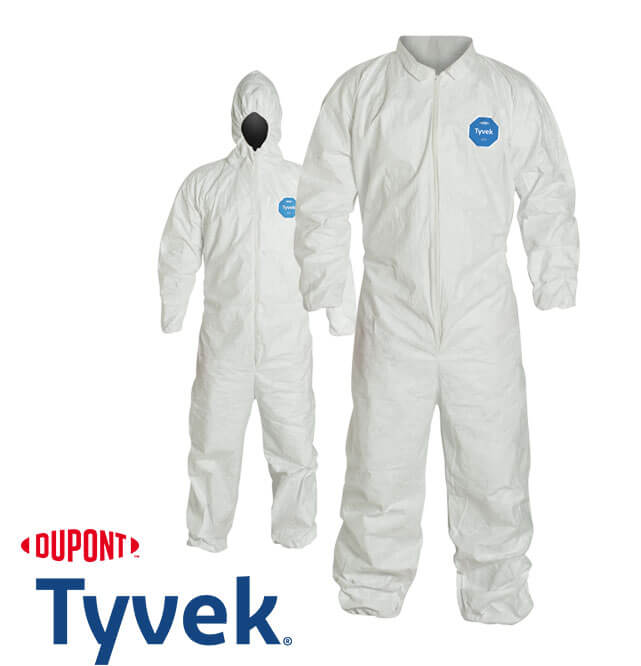
Protective clothing may need to address flame, heat, arc flash, chemicals, visibility, contamination, weather, or general industrial exposure.

The full PPE combination should be evaluated together. One item should not interfere with another.

Build a Compliant Respiratory Protection Program

Respiratory protection requires more extensive program management than many other forms of PPE.

Assess the Airborne Hazard

Before selecting a respirator, determine what contaminant is present, its concentration, physical form, exposure duration, oxygen conditions, and whether an emergency atmosphere could develop.

Dust, fumes, mists, gases, and vapors require different control and filtration approaches.

Respirators should not be selected based only on appearance, availability, or employee preference.

Create a Worksite-Specific Written Program

When respirators are required, the written program should address selection, medical evaluations, fit testing, use, cleaning, inspection, storage, maintenance, cartridge replacement, training, and program evaluation.

A qualified program administrator should oversee these responsibilities.

Arbill’s respiratory protection options include equipment for particulate, gas, vapor, and industrial exposure applications, but product selection should always follow a proper exposure assessment.

Complete Medical Evaluations and Fit Testing

Employees must be medically able to wear the selected respirator before required use.

Workers using tight-fitting facepieces should be fit-tested on the exact make, model, style, and size they will wear. Facial hair, significant weight changes, dental changes, facial surgery, or different equipment may affect the seal and require additional evaluation.

Workers should also perform the required user seal check whenever they put on a tight-fitting respirator.

Manage Cartridges and Replacement Parts

The program should specify which cartridge or filter applies to each hazard and when it must be changed.

Employees should not rely only on smell or taste to determine whether a cartridge remains protective.

Replacement components should remain readily accessible and compatible with the approved respirator system.

As long as people go to work, we have an opportunity to help protect them.

Julie Copeland
Arbill CEO

Julie Copeland Arbill CEO

Address Fit, Comfort, and Worker Acceptance

Workers are less likely to use PPE consistently when it creates discomfort, poor visibility, restricted movement, excessive heat, or difficulty completing the task.

Offer Appropriate Sizes and Models

One size or design may not fit every employee.

Facilities should provide suitable size ranges and, where practical, several approved models that meet the same protection requirements. This is particularly important for eyewear, gloves, footwear, hard hats, harnesses, and respirators.

Proper fit improves both protection and employee acceptance.

Test Equipment in Real Work

Before making a large purchase, allow representative employees to evaluate approved options during actual work.

A trial may reveal problems involving fogging, grip, dexterity, pressure points, visibility, weight, communication, or compatibility that are not obvious from product specifications.

The safety team should document feedback and compare product performance before finalizing the standard.

Consider Environmental Conditions

Heat, humidity, rain, cold, sunlight, contamination, and outdoor exposure can affect both the worker and the equipment.

Arbill’s guidance on PPE mistakes in hot weather explains how heat, moisture, UV exposure, poor fit, and inadequate inspection can reduce protection and worker compliance.

Facilities should not encourage workers to remove PPE because conditions are hot. Instead, they should consider appropriate equipment, hydration, cooling, ventilation, rest schedules, and other heat controls.

Write Clear PPE Policies and Procedures

The written program should explain responsibilities in language employees and supervisors can understand.

Define When PPE Is Required

Workers should know which tasks, work areas, materials, and conditions require specific protection.

Signage, work instructions, permits, PPE matrices, and training materials should communicate the same requirements.

Conflicting instructions create uncertainty and inconsistent use.

Clarify Employer and Employee Responsibilities

The program should identify who completes assessments, approves products, maintains inventory, delivers training, inspects equipment, and monitors compliance.

Employees should understand their responsibility to use equipment properly, inspect it before use, report damage, and request replacements.

Supervisors should understand their role in reinforcing requirements and addressing repeated noncompliance.

Explain Inspection and Replacement

Procedures should describe how workers identify damage, contamination, wear, deterioration, and expiration.

Equipment should be removed from service when it no longer provides reliable protection. Replacement criteria should reflect manufacturer guidance, workplace conditions, exposure, and regulatory requirements.

Workers should not continue using damaged equipment because obtaining a replacement is difficult.

Provide Practical PPE Training

Training should prepare workers to use the equipment correctly under actual workplace conditions.

Explain Why the PPE Is Necessary

Employees are more likely to use PPE consistently when they understand the hazard and the consequences of exposure.

Training should connect the equipment to the work rather than simply stating that company policy requires it.

For example, workers should understand how flying particles can enter around ordinary glasses, how glove material affects chemical protection, or how facial hair interferes with a respirator seal.

Demonstrate Use and Inspection

Workers should practice putting on, adjusting, inspecting, removing, cleaning, and storing the equipment they will use.

The training should cover product limitations. Employees need to know what the equipment does not protect against and when they must stop work.

Arbill’s EHS safety training can support PPE instruction along with respiratory protection, fall prevention, electrical safety, confined spaces, hazardous materials, emergency response, and other workplace topics.

Verify Understanding

A signed attendance sheet confirms that an employee attended a session. It does not confirm that the worker can use the equipment correctly.

Supervisors or instructors should observe practical demonstrations and correct mistakes before employees work independently.

Retraining may be needed when equipment changes, workplace conditions change, or an employee shows that they do not understand or follow the procedure.

See Our Safety Services!
Dupont Tyvek PPE Protective Coveralls

Make PPE Readily Accessible

Employees cannot use protection that is unavailable, locked away, or located far from the work.

Place Supplies Near the Point of Use

Frequently replaced items such as gloves, safety glasses, hearing protection, filters, cartridges, and disposable clothing should be positioned where workers can obtain them efficiently.

Access should remain available across all shifts, including nights, weekends, and emergency operations.

Use Vending to Improve Visibility

PPE vending solutions can place approved products closer to employees while tracking inventory and distribution by worker, department, shift, or location.

Usage data can help safety and purchasing teams identify unusual consumption, low stock, product waste, or departments that may need additional review.

Controls should not prevent employees from replacing damaged or contaminated protection. The goal is to improve availability and accountability—not discourage necessary use.

Keep Emergency and Specialized PPE Available

Facilities may need emergency supplies, replacement respirators, chemical protection, arc-rated garments, fall protection, or other specialized equipment that is not used every day.

The program should identify where this equipment is stored, who can access it, how it is inspected, and how quickly replacements can be obtained.

Inspect, Clean, Store, and Replace PPE

PPE performance changes over time.

Establish Inspection Requirements

Some equipment needs inspection before every use, while other products may also require formal periodic reviews.

Workers should look for cracks, cuts, contamination, deformation, worn straps, damaged lenses, broken fasteners, deteriorated seals, missing labels, and other defects.

The inspection process should be simple enough to follow consistently.

Maintain Reusable Equipment

Reusable PPE should be cleaned, disinfected, dried, and stored according to manufacturer instructions.

Storage areas should protect equipment from sunlight, heat, chemicals, moisture, crushing, and contamination.

Sharing equipment may require additional sanitation controls.

Remove Defective Equipment Immediately

Damaged PPE should not be returned to storage where another worker may use it.

Facilities should establish a clear method for tagging, collecting, disposing of, or repairing defective equipment.

Replacement should be straightforward and prompt.

Monitor PPE Use and Program Performance

A PPE program should evolve as the workplace changes.

Conduct Workplace Observations

Safety professionals and supervisors should observe whether workers use the required equipment correctly.

Repeated misuse may indicate weak training, poor fit, inaccessible replacements, unsuitable products, or procedures that conflict with the task.

Observation should be used for coaching and improvement rather than relying only on punishment.

Review Incidents and Near Misses

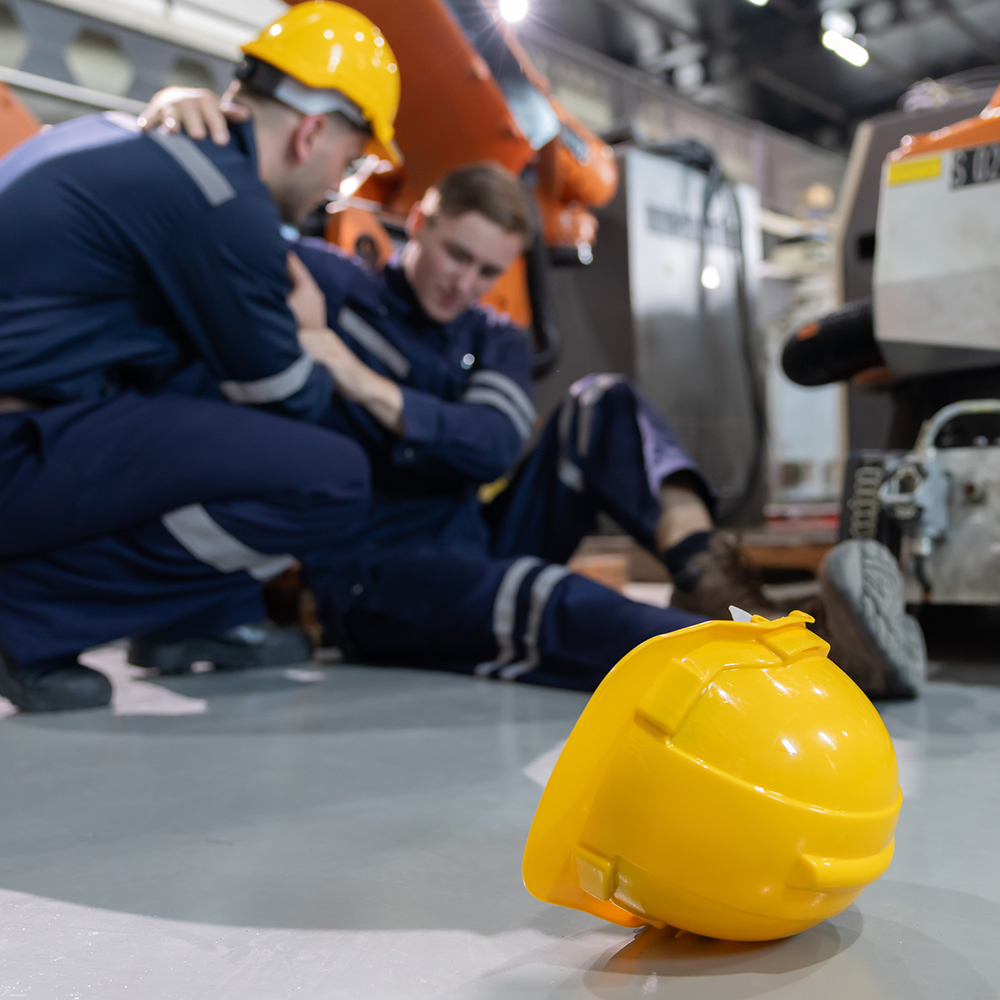
When an injury or exposure occurs, determine whether PPE was required, available, suitable, correctly worn, and in acceptable condition.

The investigation should also consider whether stronger engineering or administrative controls could have prevented the exposure.

PPE should not become the only focus when the underlying hazard remains uncontrolled.

Analyze Inventory and Replacement Data

Consumption patterns can reveal useful information.

High glove use may indicate premature product failure or a process creating damage. Increased safety-glass distribution may point to breakage, fogging, or poor storage. Low respirator-filter usage may suggest that employees are not following the replacement schedule.

Data should help identify questions and guide further assessment.

Gather Worker Feedback

Employees should have a clear way to report fit, comfort, performance, access, and compatibility issues.

Their feedback should be reviewed alongside incident, inspection, and inventory data.

When workers repeatedly raise the same concern, the program should investigate rather than assume they are simply resistant to PPE.

Review and Update the Program

The PPE program should be reviewed whenever workplace conditions change.

Changes that may require reassessment include new equipment, chemicals, processes, materials, layouts, tasks, PPE products, or regulatory requirements.

Incidents, near misses, employee feedback, and inspection findings may also show that existing protection is no longer adequate.

An annual review can help confirm that documentation remains current, but the program should not wait for the calendar when a significant change occurs.

Common PPE Program Mistakes

Many program weaknesses develop because the organization focuses on purchasing equipment rather than managing protection.

Common problems include selecting products before completing the hazard assessment, using one type of PPE for several different exposures, failing to provide appropriate sizes, and offering training that does not cover the actual equipment workers use.

Facilities may also keep PPE in remote storerooms, allow unauthorized product substitutions, rely on expired assessments, or treat repeated noncompliance only as an employee-discipline issue.

A strong program looks at the entire system: hazard control, product suitability, fit, worker understanding, access, supervision, and continuous improvement.

Building the Program Step by Step

A workplace can begin by assessing tasks and documenting hazards. Safety teams can then create a PPE matrix, select suitable products, involve workers in fit and usability evaluations, and develop clear written requirements.

Training should occur before employees use the equipment independently. Products and replacement parts should be placed where workers can access them, and supervisors should reinforce the program during daily operations.

Finally, the organization should monitor incidents, observations, inventory, and employee feedback. Findings should lead to updates in the assessment, equipment, training, or work controls.

The goal is not to create a perfect document before taking action. The goal is to build a reliable system and improve it as new information becomes available.

Conclusion

A complete workplace PPE program involves much more than purchasing gloves, safety glasses, hard hats, and respirators.

It begins with identifying the hazards employees face and determining whether those hazards can be eliminated or reduced through stronger controls. When PPE remains necessary, the employer must select protection that matches the task, fits the worker, works with other equipment, and remains available throughout the shift.

The program should also include clear policies, practical training, inspections, maintenance, replacement, accessible distribution, documentation, and ongoing evaluation.

When these elements work together, PPE becomes more than a compliance requirement. It becomes a dependable protection system that workers understand, supervisors can manage, and safety teams can improve over time.

Request a Safety Assessment

Recent Posts

The Hidden Costs of Poor Workplace Safety

The Hidden Costs of Poor Workplace Safety

ANSI Standards vs. OSHA - Which Applies to Your Workplace
ANSI vs. OSHA: What’s the Difference?

ANSI vs. OSHA: What’s the Difference?

Head Protection Webinar with MSA
When Should You Replace Your Safety Helmet?

When Should You Replace Your Safety Helmet?

Choosing the proper PPE
A Complete Guide to Building a Workplace PPE Program

A Complete Guide to Building a Workplace PPE Program

OSHA's Top 10 Most Frequently Cited Violations and How to Avoid Them
OSHA’s Top 10 Most Frequently Cited Violations and How to Avoid Them

OSHA’s Top 10 Most Frequently Cited Violations and How to Avoid Them

  • Previous ProjectWhen Should You Replace Your Safety Helmet?

  • Next ProjectOSHA's Top 10 Most Frequently Cited Violations and How to Avoid Them

CUSTOMER SERVICE

800-523-5367

CONTACT US

Complete the short form below and an Arbill representative will get back to you within 24 hours.
* Required Fields

    ARBILL RESPECTS YOUR PRIVACY AND YOUR INFORMATION: By submitting the form above you agree to receiving emails from Arbill. Your submitted information is NEVER shared. You may unsubscribe at any time via the "unsubscribe" link in our emails. You can view our Privacy Policy HERE.