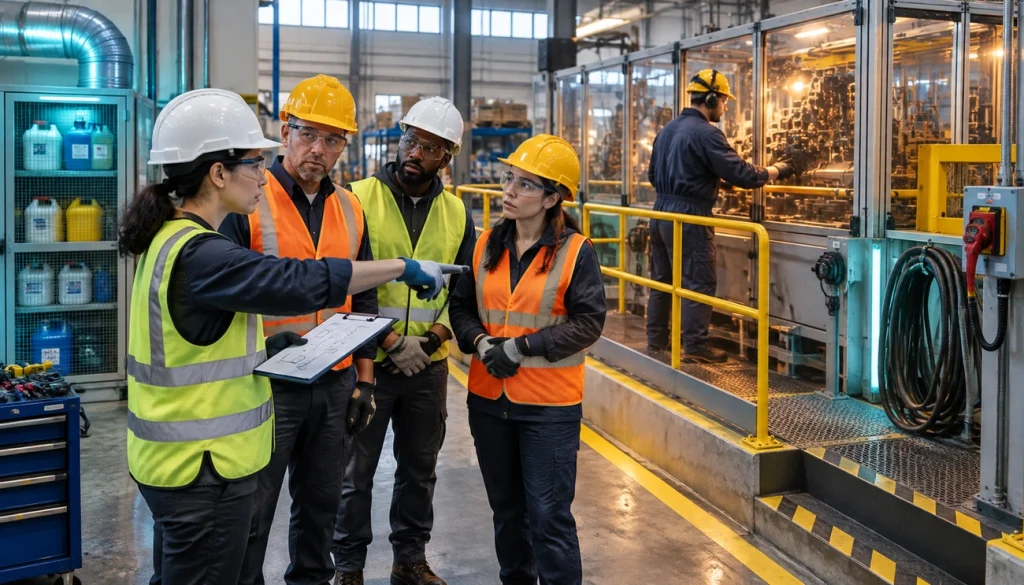
High-visibility clothing is designed to make workers easier to see when they perform tasks near traffic, mobile equipment, machinery, or in environments where lighting and background conditions can make a person difficult to distinguish.

The familiar fluorescent yellow-green or orange garment is only part of the system.

High-visibility safety apparel typically combines bright fluorescent background material for daytime conspicuity with retroreflective material that returns light toward its source, helping workers remain visible when illuminated by headlights or work lights.

For road crews, warehouse employees, construction workers, utility personnel, emergency responders, airport workers, and employees working around heavy equipment, that added visibility can be a critical part of the overall PPE program.

But not every bright vest provides the same level of protection.

Employers need to understand when high-visibility clothing is required, which ANSI/ISEA classification applies, and how work environment, traffic exposure, lighting, and job duties affect garment selection.

What Is High-Visibility Safety Apparel?

High-visibility safety apparel, often abbreviated HVSA, is clothing specifically designed to make the wearer conspicuous against the surrounding environment.

ANSI/ISEA 107-2020 establishes performance requirements for this type of apparel, including background material, retroreflective material, garment design, testing, and labeling.

High-visibility clothing can include more than traditional safety vests.

Depending on the job, workers may wear:

  • Vests
  • Shirts
  • Jackets
  • Coats
  • Rainwear
  • Coveralls
  • Pants or bibs

The appropriate garment depends on the level and direction of exposure.

How High-Visibility Clothing Works

High-visibility apparel relies on two primary visual characteristics.

Fluorescent Background Material

Fluorescent material helps a worker stand out during daylight and other well-lit conditions.

ANSI/ISEA high-visibility garments commonly use fluorescent yellow-green, fluorescent orange-red, or fluorescent red.

The bright background creates contrast between the worker and surrounding equipment, structures, vegetation, or traffic.

Retroreflective Material

Retroreflective striping works differently.

Instead of simply appearing bright, it reflects light toward the source.

When vehicle headlights illuminate retroreflective material at night, the driver can recognize the worker more quickly than they could if the employee were wearing ordinary clothing.

The combination of fluorescent and retroreflective material supports visibility across changing lighting conditions.


Explore Our Solutions!
Flame Resistant Clothing

When Is High-Visibility Clothing Required?

There is no single OSHA rule saying that every industrial worker must wear a high-visibility vest at all times.

Requirements depend on the workplace, task, regulatory standard, traffic exposure, contract requirements, and the results of the hazard assessment.

Roadway and Highway Work

One of the clearest high-visibility requirements applies to roadway work.

The Federal Highway Administration states that workers within highway rights-of-way who are exposed to traffic or construction vehicles must wear high-visibility safety apparel.

This commonly includes road construction workers, flaggers, survey crews, maintenance personnel, utility workers, and other employees whose duties place them near moving traffic.

Work Around Construction Vehicles and Equipment

Workers may also require high-visibility clothing when mobile construction equipment creates struck-by exposure.

Bulldozers, loaders, excavators, cranes, haul trucks, forklifts, and similar machines can create blind spots that make workers difficult for operators to see.

The hazard assessment should consider how close employees work to the equipment, traffic direction, equipment speed, sight lines, lighting, and whether workers can be separated from vehicle travel paths.

Warehouses and Distribution Centers

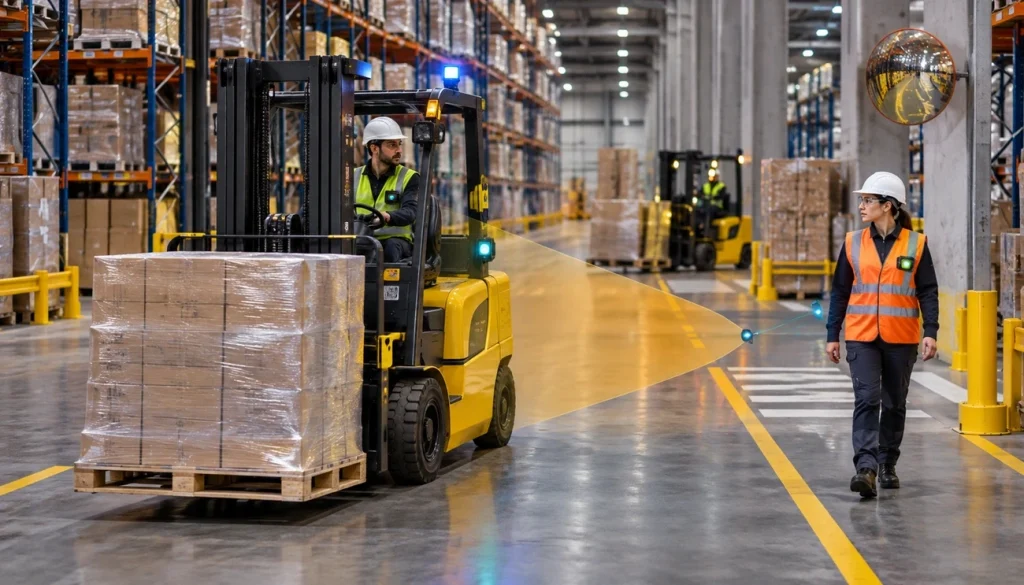
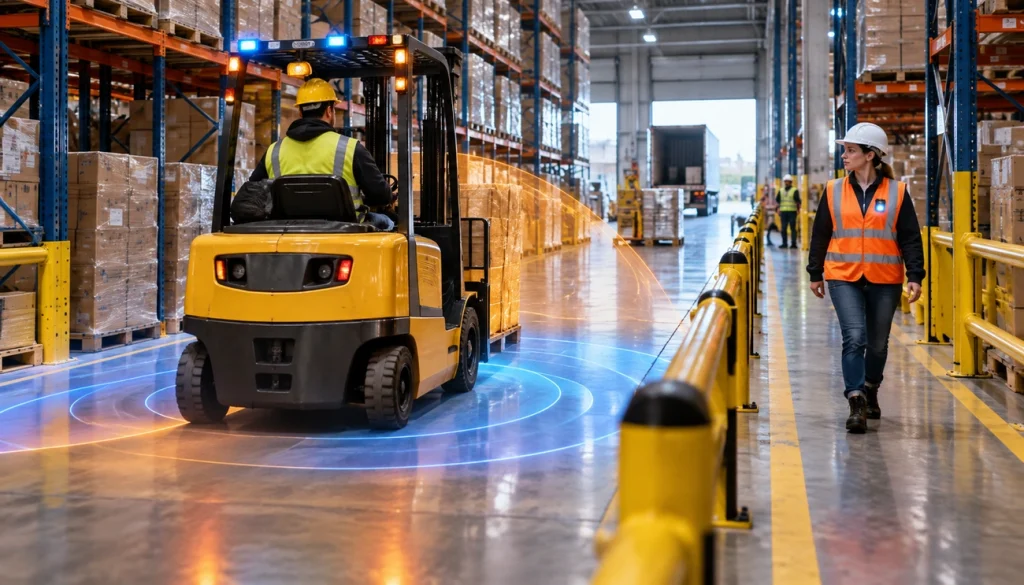
High-visibility clothing is common in warehouses even when roadway regulations do not apply.

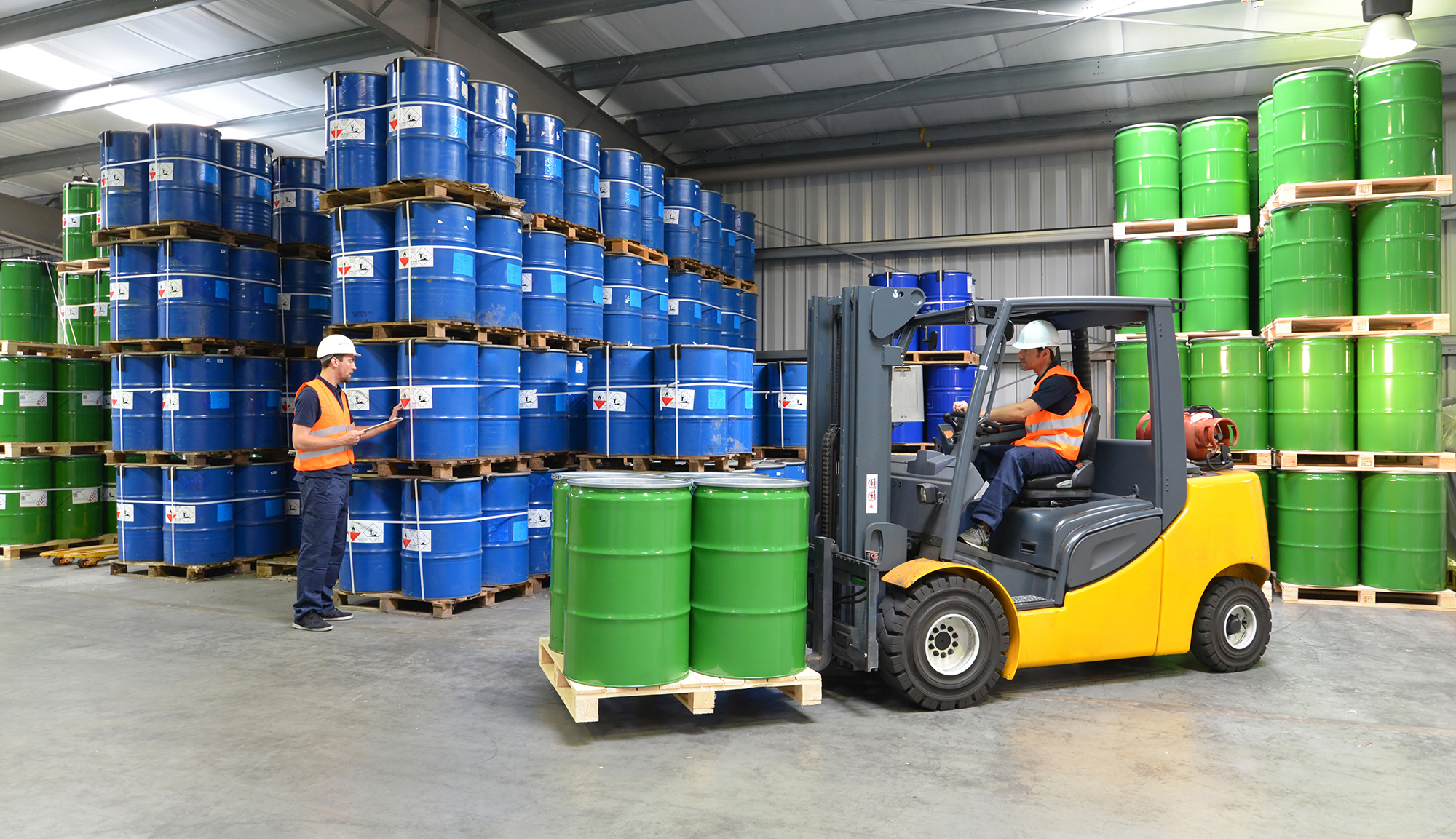
Forklifts, pallet trucks, yard tractors, delivery vehicles, and trailers create frequent interaction between pedestrians and moving equipment.

A high-visibility vest or shirt can make employees easier to recognize against racks, pallets, docks, and other visual distractions.

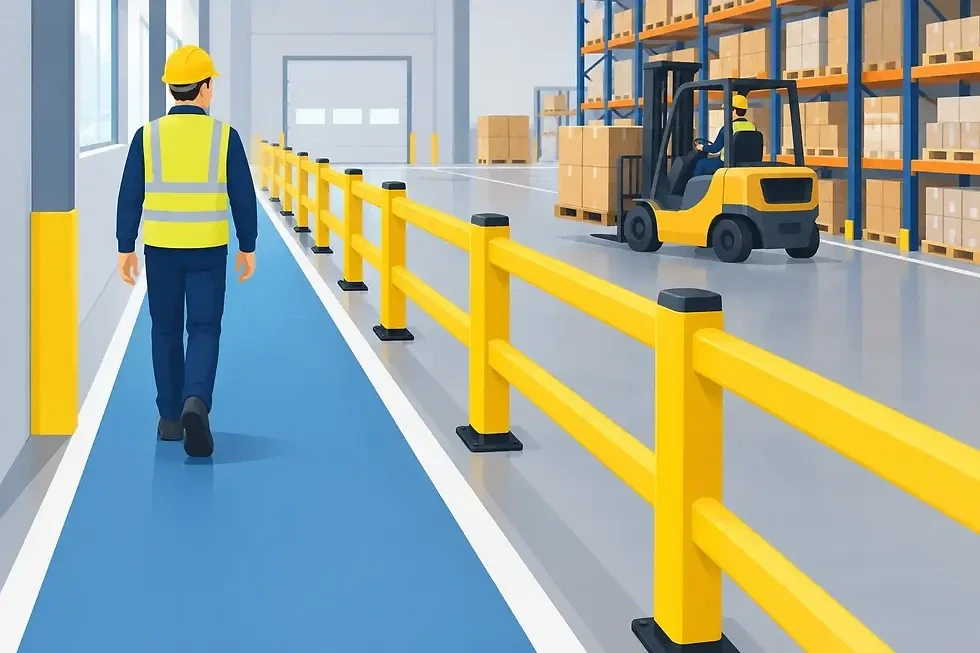
However, high-visibility clothing should complement—not replace—traffic controls such as marked pedestrian lanes, barriers, mirrors, lighting, and equipment procedures.

Manufacturing Facilities

Manufacturing plants can also have visibility hazards.

Employees may work around forklifts, overhead cranes, powered industrial trucks, mobile carts, heavy machinery, or vehicles moving through production and loading areas.

Arbill’s heavy industrial manufacturing, metal, steel, and fabrication safety solutions address the broader PPE and workplace hazards common in these environments.

Where visibility is part of the risk, high-visibility clothing should be included in the PPE assessment.

Utility Work

Utility personnel may work along roads, in substations, around bucket trucks, or near excavation and construction equipment.

High-visibility clothing can help drivers and equipment operators identify workers sooner.

However, utilities may also have electrical arc-flash or flame hazards.

A basic polyester high-visibility vest may not be appropriate when the employee faces thermal or electrical exposure.

The garment must be selected for all applicable hazards, not visibility alone.

Emergency Response

Police, fire, EMS, towing personnel, and other responders often operate around moving traffic.

ANSI/ISEA 107 recognizes a specific garment Type P for public-safety applications.

The appropriate garment may depend on the emergency environment and whether workers face additional hazards such as fire, heat, or hazardous materials.

Understanding ANSI/ISEA 107-2020

ANSI/ISEA 107-2020 is the current American National Standard for High-Visibility Safety Apparel.

The standard classifies garments according to both Type and Performance Class.

The Type identifies the work environment.

The Performance Class identifies the amount of visible material and other design characteristics.

”As long as people go to work, we have an opportunity to help protect them.

Julie Copeland
Arbill CEO

Julie Copeland Arbill CEO

Type O: Off-Road

Type O garments are intended for workers who are not exposed to public roadway traffic but still need enhanced visibility.

Typical environments may include:

  • Warehouses
  • Mines
  • Oil and gas operations
  • Parking facilities
  • Equipment yards
  • Industrial facilities

Type O is associated with Performance Class 1.

It provides a lower amount of high-visibility material than Classes 2 and 3 because the exposure environment is different.

Type R: Roadway

Type R applies to workers exposed to roadway traffic.

Examples may include road construction crews, flaggers, survey workers, and utility personnel working near public traffic.

Type R garments can be Performance Class 2 or Class 3 depending on the level of visibility needed.

Type P: Public Safety

Type P applies to emergency and incident responders such as law-enforcement, fire, EMS, and other public-safety personnel.

These garments are designed to accommodate the unique needs of emergency-response environments.

Type P apparel may be Performance Class 2 or Class 3.

What Is Performance Class 1?

Performance Class 1 provides the minimum amount of high-visibility material within the ANSI/ISEA 107 system.

It is associated with Type O off-road applications.

Class 1 may be appropriate where workers are separated from public traffic and where vehicle or equipment movement occurs in a more controlled environment.

Examples can include certain warehouse, parking, and industrial operations.

The hazard assessment should still determine whether Class 1 provides sufficient conspicuity.

What Is Performance Class 2?

Performance Class 2 provides greater visible material and body coverage.

It is commonly used for workers who need enhanced visibility around roadway traffic or in public-safety applications.

Examples can include:

  • Road construction workers
  • Survey crews
  • Utility workers
  • Airport ground personnel
  • Certain emergency responders

Class 2 is common because it provides increased conspicuity without requiring the amount of coverage found in Class 3.

What Is Performance Class 3?

Performance Class 3 provides the greatest body coverage in the ANSI/ISEA classification structure.

This helps workers remain recognizable as a human form at greater distances and in more challenging visibility conditions.

Class 3 may be appropriate where workers face higher-speed traffic, complex backgrounds, poor weather, limited lighting, or situations where early recognition is particularly important.

Sleeved garments are often necessary to achieve the required Class 3 coverage.

Why Garment Type Matters as Much as Class

A common PPE mistake is asking only:

“Do we need Class 2 or Class 3?”

The better question is:

“What Type and Performance Class match this work environment?”

A Class 1 garment is not simply a cheaper version of Class 2.

Type O, R, and P classifications correspond to different operating environments.

Employers should therefore select garments based on actual exposure rather than choosing a class number in isolation.

Conduct a High-Visibility Hazard Assessment

High-visibility clothing selection should begin with the same approach used for other PPE: assess the hazard first.

Arbill’s guide on how to perform a PPE hazard assessment explains how employers can connect specific workplace exposures to appropriate protective equipment.

For visibility hazards, consider several factors.

Vehicle Speed

The faster a vehicle moves, the less time its operator has to recognize and react to a worker.

Higher-speed environments may require greater worker conspicuity.

Distance From Traffic

Workers directly beside moving vehicles face different exposure than employees separated by physical barriers or considerable distance.

Lighting Conditions

Daylight, dawn, dusk, nighttime work, indoor lighting, shadows, and vehicle headlights can all affect visibility.

The garment should remain effective under the conditions employees actually encounter.

Background

Color contrast matters.

A fluorescent yellow-green garment may provide strong contrast in one environment while another approved color performs better against the local background.

Weather

Rain, snow, fog, dust, and other environmental conditions can reduce visibility.

Additional garment coverage or stronger conspicuity may be appropriate when weather frequently limits sight distance.

See Our Safety Services!
arc flash electrical protective clothing and gloves

High-Visibility Clothing and OSHA PPE Assessments

Even when an OSHA rule does not explicitly prescribe a particular ANSI high-visibility class, employers still need to evaluate workplace hazards and provide appropriate protection where PPE is necessary.

High-visibility clothing should therefore fit into the broader PPE selection process rather than being treated as a separate purchasing decision.

A comprehensive workplace PPE program can establish consistent processes for hazard assessment, product selection, employee training, inspection, replacement, and documentation.

High-Visibility Vests vs. High-Visibility Shirts and Jackets

A vest is often the first product people think of when discussing high-visibility PPE.

But it is not always the best solution.

Safety Vests

Vests provide visibility while remaining lightweight and easy to put on over normal work clothing.

They are common in warehouses, roadway operations, construction, and temporary visitor applications.

High-Visibility Shirts

A high-visibility shirt can provide more consistent coverage because it becomes part of the worker’s normal clothing instead of an additional garment that may be removed.

Jackets and Coats

Cold, wet, or windy environments may require high-visibility outerwear.

If employees put a normal jacket over a compliant vest, the visibility benefit can disappear.

High-visibility jackets or coats allow the required conspicuity to remain on the outermost layer.

High-Visibility Rainwear

Road crews, utility employees, and outdoor personnel frequently work during rain.

Rainwear should maintain the required high-visibility characteristics while also providing appropriate weather protection.

Selecting Clothing for the Whole Job

Visibility may be only one hazard.

For example, a worker may need to be visible while also facing:

  • Arc flash
  • Flash fire
  • Heat
  • Chemical splash
  • Cold weather
  • Rain
  • Cuts or abrasions

The selected garment should not introduce a new hazard or compromise another PPE requirement.

This is particularly important in electrical, utility, chemical, and industrial operations.

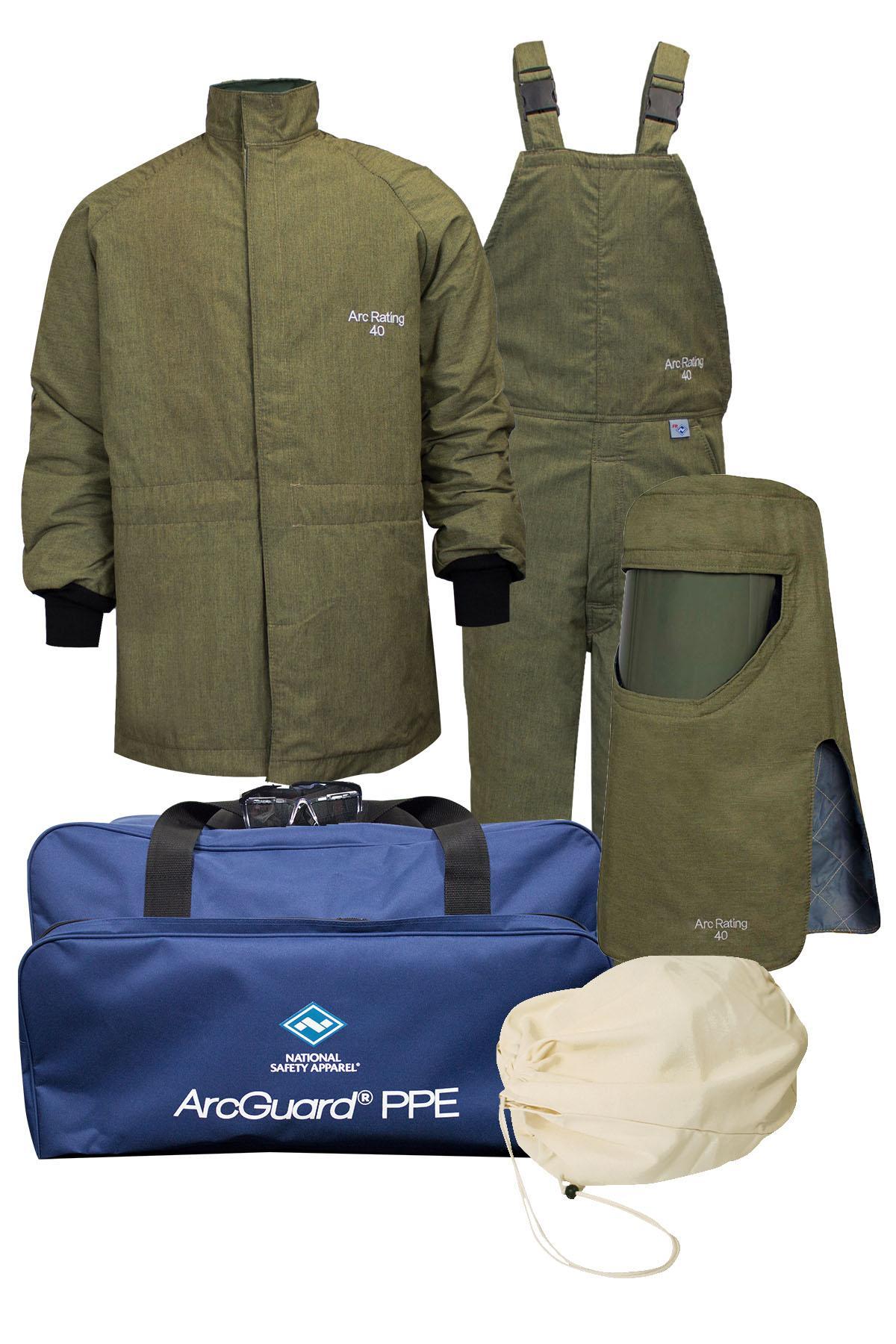
High-Visibility Clothing Around Arc Flash Hazards

Electrical workers may need both high visibility and arc-rated protection.

An ordinary synthetic vest can present problems when exposed to arc-flash thermal energy.

If employees perform work where arc-rated clothing is required, any high-visibility garment worn as part of the ensemble should be evaluated for compatibility with that hazard.

Arbill’s guide to arc flash PPE requirements provides additional guidance on arc-rated clothing and electrical PPE selection.

Choosing the Right High-Visibility Color

ANSI/ISEA 107 recognizes approved fluorescent colors including yellow-green, orange-red, and red.

The correct choice can depend on the environment.

High-visibility clothing works partly because the employee contrasts with the surrounding background.

A color that blends with equipment, signs, foliage, barriers, or other elements may provide less practical conspicuity than another approved option.

Employers should evaluate real work conditions instead of assuming one color is automatically best everywhere.

Do Reflective Stripes Work During the Day?

Retroreflective material is most valuable when illuminated by a light source, particularly in low-light or nighttime conditions.

During daylight, fluorescent background material provides much of the visual contrast.

The two materials work together.

That combination helps high-visibility garments perform under changing conditions rather than relying on one visibility method alone.

Does More Reflective Tape Always Mean Better Protection?

Not necessarily.

ANSI/ISEA compliance involves specific design, material, placement, and performance requirements.

Simply adding random reflective tape to an ordinary shirt does not automatically create an ANSI-compliant garment.

Employers should look for proper garment labeling and manufacturer information confirming the Type and Performance Class.

Check the Garment Label

A compliant garment should contain labeling that identifies applicable ANSI/ISEA information.

Before purchasing large quantities, verify that the garment is actually designed to the required standard and classification.

Do not rely solely on online product descriptions such as “reflective,” “bright,” or “safety vest.”

Those terms do not necessarily indicate ANSI/ISEA compliance.

Fit Matters

High-visibility clothing needs to remain visible during actual work.

Garments that are extremely loose may snag on machinery.

Garments that are too small can restrict movement or reduce intended coverage.

The fit should also accommodate other required PPE and seasonal clothing without covering important fluorescent or retroreflective areas.

Keep High-Visibility Clothing Visible

A compliant garment can become ineffective when it is heavily contaminated.

Mud, grease, dust, paint, concrete, or other materials may cover fluorescent fabric and reflective striping.

Employees should inspect garments regularly and clean them according to manufacturer instructions.

If contamination cannot be removed and visibility is significantly reduced, replacement may be necessary.

When Should High-Visibility Clothing Be Replaced?

There is no single replacement schedule that applies to every garment.

Service life depends on use, laundering, sunlight, contamination, abrasion, and working conditions.

Replace apparel when fluorescent material has significantly faded, retroreflective material is damaged or no longer performs adequately, seams or closures fail, or the garment can no longer provide the intended coverage.

Manufacturer instructions should guide inspection and replacement decisions.

Do Not Cover High-Visibility PPE

A common problem occurs when workers put jackets, backpacks, harnesses, equipment, or other clothing over a high-visibility vest.

That may significantly reduce the amount of visible material.

The complete work configuration should therefore be evaluated.

Workers must remain conspicuous while performing the job—not merely while standing in the locker room wearing the garment correctly.

High-Visibility Clothing Is Not a Substitute for Traffic Controls

Visibility helps vehicle and equipment operators recognize workers.

It does not eliminate struck-by hazards.

Facilities should still use appropriate controls such as:

  • Physical barriers
  • Pedestrian routes
  • Traffic plans
  • Spotters
  • Lighting
  • Warning systems
  • Speed limits
  • Equipment controls

PPE remains one component of a broader hazard-control strategy.

Train Employees on High-Visibility PPE

Employees should understand why a specific garment has been selected.

Training should cover when the garment is required, how it should be worn, how to recognize damage or contamination, cleaning and storage requirements, and when replacement is necessary.

Workers should also understand that removing the vest or covering reflective material can reduce its effectiveness.

Building High-Visibility Clothing Into a PPE Program

High-visibility garments are easier to manage when they are part of a structured PPE program.

Employers can standardize approved products by job function, establish replacement procedures, train employees, and monitor whether garments remain suitable as workplace conditions change.

Arbill’s protective clothing selection can support industrial workplaces that need high-visibility apparel and other protective clothing matched to specific working environments.

The correct garment should always be chosen according to the hazard assessment and applicable regulatory or contract requirements.

Common High-Visibility Clothing Mistakes

One mistake is assuming every fluorescent vest is ANSI-compliant.

Another is selecting a garment solely by class number without identifying whether the application is Type O, R, or P.

Employers may also issue insufficient coverage for nighttime work, continue using heavily faded garments, or allow employees to cover high-visibility material with ordinary outerwear.

Other mistakes include ignoring arc-flash or flame hazards and relying on high visibility as a replacement for effective vehicle and pedestrian controls.

A more reliable program evaluates the entire work environment.

A Practical Selection Process

Start by identifying where and why employees need to be seen.

Determine whether they face public roadway traffic, mobile industrial equipment, construction vehicles, emergency-response exposure, or off-road operations.

Evaluate traffic speed, distance, lighting, weather, background contrast, and required body coverage.

Next, determine the appropriate ANSI/ISEA garment Type and Performance Class.

Check whether other hazards—such as electrical arcs, heat, weather, or chemical exposure—require additional clothing performance.

Finally, verify labeling, fit, compatibility, employee training, inspection, and replacement procedures.

Conclusion

High-visibility clothing is designed to make workers easier to recognize when poor visibility or moving vehicles and equipment create struck-by risks.

Effective garments combine fluorescent background material with retroreflective components to improve conspicuity during both daylight and low-light conditions.

ANSI/ISEA 107-2020 provides the current U.S. framework for high-visibility safety apparel, using Type O, Type R, and Type P classifications together with Performance Classes 1, 2, and 3.

In roadway work, high-visibility apparel may be specifically required for workers exposed to traffic and construction vehicles.

In industrial facilities, warehouses, utilities, and other workplaces, the need and protection level should be determined through a hazard assessment and any applicable regulatory, contract, or site requirements.

The best high-visibility garment is not simply the brightest vest available.

It is the garment that provides the right level of conspicuity, matches the actual work environment, remains compatible with other hazards and PPE, and stays visible throughout the task.

Request a Safety Assessment

Recent Posts

How Smart Sensors Are Changing Warehouse Operations
Forklift Safety Technology: How Smart Sensors Are Changing Warehouse Operations

Forklift Safety Technology: How Smart Sensors Are Changing Warehouse Operations

The Ultimate Warehouse Safety Guide for Busy Operations
Forklift Pedestrian Safety: How to Reduce Collisions in Busy Warehouses

Forklift Pedestrian Safety: How to Reduce Collisions in Busy Warehouses

How Forklift Proximity Detection Systems Help Prevent Workplace Accidents

How Forklift Proximity Detection Systems Help Prevent Workplace Accidents

Safety Training
Leading vs. Lagging Safety Indicators: What Should You Track?

Leading vs. Lagging Safety Indicators: What Should You Track?

How to Conduct a Job Hazard Analysis - Your Complete Risk Assessment
What Is a Job Hazard Analysis (JHA) and How Do You Conduct One?

What Is a Job Hazard Analysis (JHA) and How Do You Conduct One?

  • Previous ProjectSigns Your Workplace Needs Better Hearing Protection

  • Next ProjectArc Flash PPE Requirements Explained

CUSTOMER SERVICE

800-523-5367

CONTACT US

Complete the short form below and an Arbill representative will get back to you within 24 hours.
* Required Fields

    ARBILL RESPECTS YOUR PRIVACY AND YOUR INFORMATION: By submitting the form above you agree to receiving emails from Arbill. Your submitted information is NEVER shared. You may unsubscribe at any time via the "unsubscribe" link in our emails. You can view our Privacy Policy HERE.