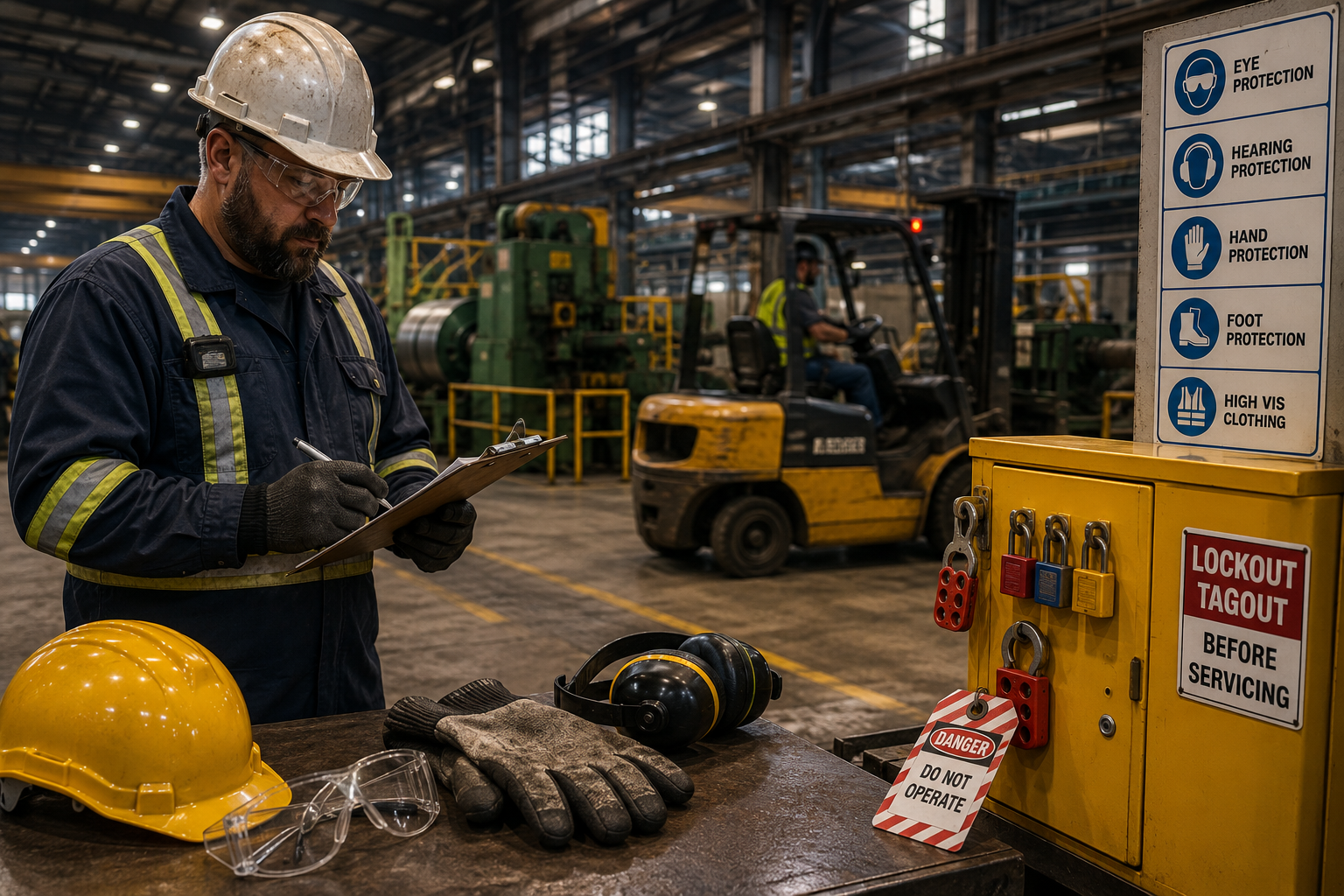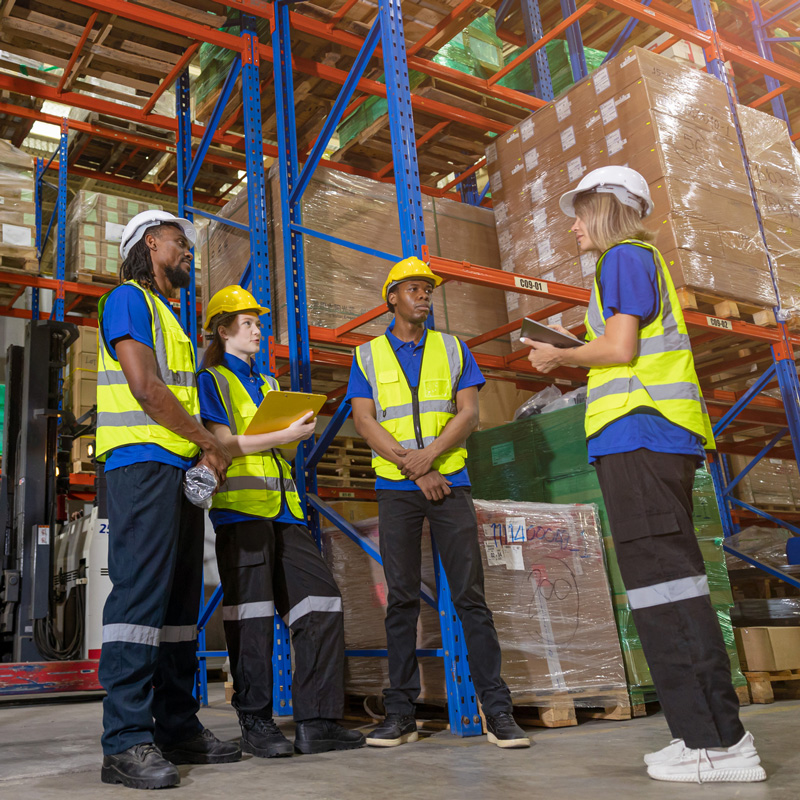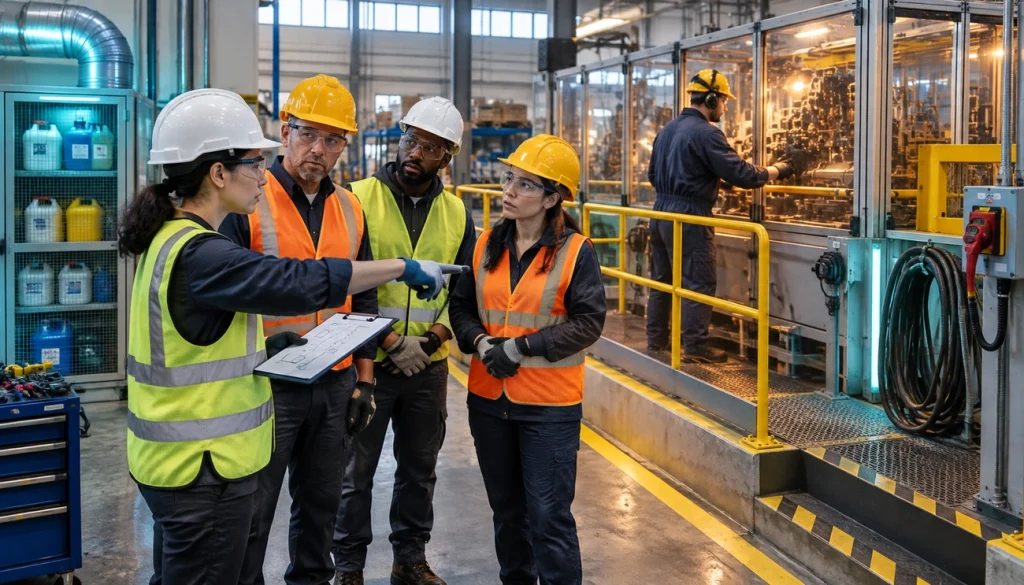
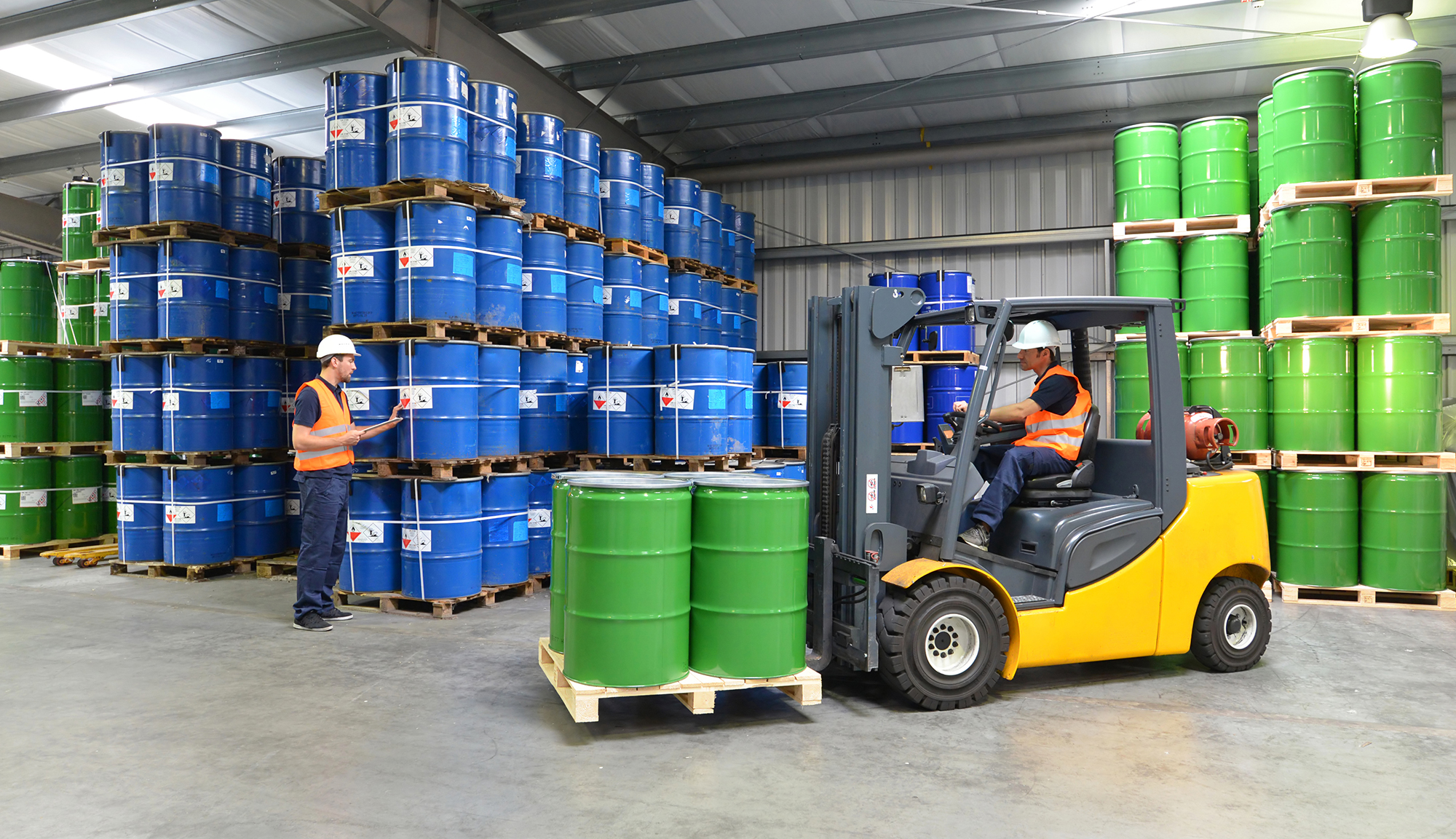
Industrial safety is becoming more connected, more task-specific, and increasingly focused on preventing problems before an injury occurs.

For years, many facilities managed workplace safety as a collection of separate programs. Gloves were purchased by one department, respiratory protection by another, hydration supplies appeared during summer, and forklift safety often depended heavily on painted walkways, mirrors, horns, and operator awareness. That approach is beginning to change.

In 2026, industrial employers are looking more closely at how hazards overlap and how safety data can be used to improve decisions. Personal protective equipment is becoming more closely matched to individual tasks. Heat stress management is moving beyond simply providing water. Forklift safety technology is adding real-time awareness, while EHS assessments are helping employers identify risks before an inspection or incident exposes them.

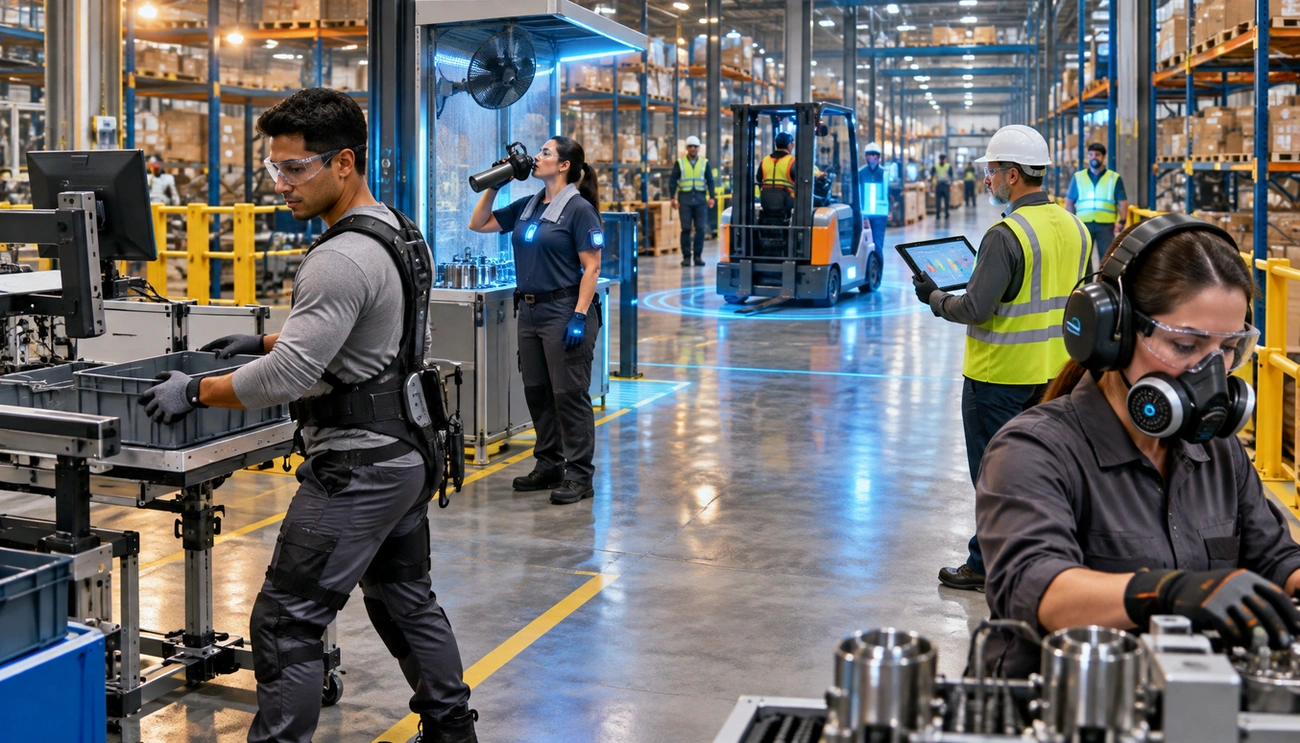
These trends do not eliminate traditional safety practices. Instead, they connect PPE, technology, training, accessibility, and hazard assessment into a more proactive safety system.

1. Task-Specific Ergonomic PPE

One of the clearest safety trends for 2026 is the move away from one-size-fits-all PPE.

Industrial workers rarely perform identical tasks throughout an entire facility. A welder handling hot material faces different risks than a machinist working with sharp edges, a maintenance technician repairing equipment, or a shipping employee moving finished products.

Issuing the same glove, sleeve, or protective garment to all of those workers may simplify purchasing, but it does not necessarily provide the best combination of protection and usability.

PPE Is Becoming More Task-Specific

Metal handling, fabrication, stamping, machining, cutting, and material processing expose employees to a combination of sharp edges, abrasion, hot surfaces, tools, moving equipment, and pinch points.

Hand protection is a good example of why task-specific PPE matters.

A heavily cut-resistant glove may provide excellent protection against sharp material but offer too little dexterity for precision work. A thinner glove may improve tactile control but provide insufficient protection for handling unfinished sheet metal. Heat exposure, grip conditions, abrasion, chemical contact, and work duration can further change what the worker needs.

The strongest PPE programs therefore begin with the task rather than the product.

Employers are increasingly evaluating which hazards exist during each activity and then selecting equipment that provides the necessary protection without making the job unnecessarily difficult.

Ergonomics and PPE Are Becoming More Connected

Ergonomics is no longer limited to workstation height, lifting technique, or office furniture.

PPE can also influence fatigue and movement.

Heavy gloves may increase grip effort. Poorly fitting eyewear can require repeated adjustment. Protective clothing that restricts movement can make climbing or material handling more difficult. Equipment that workers find uncomfortable may also be removed or worn incorrectly during long shifts.

The 2026 trend is toward evaluating protection and usability together.

Employers should consider whether the PPE fits the worker, supports normal movement, provides enough dexterity, and remains comfortable enough for the duration of the task.

Point-of-Use PPE Is Growing in Importance

Selecting the right PPE is only useful when workers can actually access it.

A facility may establish excellent glove standards but still experience inconsistent compliance if employees need to walk across a large plant every time a pair needs replacement.

Point-of-use distribution helps close that gap.

Arbill’s PPE vending solutions can place frequently used items such as gloves, glasses, sleeves, and other protective equipment closer to the employee’s work area.

This approach can also provide better visibility into product usage. Safety and procurement teams can identify where PPE is being consumed rapidly, where unusual demand appears, and whether certain products need to be reassessed.

The broader trend is clear: PPE access is becoming part of the safety program rather than simply an inventory issue.

2. Integrated Respiratory and Hearing Protection

Industrial hazards rarely occur one at a time.

A worker grinding metal may encounter airborne particles and significant noise simultaneously. A welder may face fumes, heat, sparks, and noise during the same task. Maintenance employees may move between locations with very different respiratory and hearing exposures throughout a single shift.

Because of this, industrial employers are increasingly moving away from evaluating respiratory and hearing protection as completely separate programs.

Employers Are Looking at Combined Exposure

Respiratory hazards can include welding fumes, metal dust, grinding particles, chemical vapors, coatings, and other airborne contaminants.

Noise exposure may come from presses, grinders, cutting equipment, compressors, material handling equipment, and production machinery.

Historically, a facility might conduct a respiratory assessment and a noise assessment at different times. In 2026, safety teams are increasingly viewing the work area as a complete exposure environment.

That means asking whether the worker can comfortably wear hearing protection with a respirator, safety glasses, hard hat, and other required PPE without one device interfering with another.

Compatibility becomes especially important when employees wear multiple forms of protection for long periods.

Respirator Comfort and Fit Remain Critical

Respiratory protection depends heavily on proper selection and fit.

A respirator that provides the correct filtration but fits poorly may not provide the intended protection. A worker who constantly adjusts or loosens an uncomfortable respirator can create additional exposure risk.

Facilities therefore need to consider the complete respiratory protection process: hazard evaluation, respirator selection, fit testing where required, training, storage, filter or cartridge management, and worker acceptance.

Arbill’s respiratory protection solutions can support facilities evaluating disposable and reusable respiratory PPE for different industrial hazards.

Hearing Protection Is Also Becoming More Task-Based

Hearing protection should reflect actual noise exposure rather than simply being issued because a department is considered noisy.

Different areas within one facility can have very different sound levels. Workers may also move between quiet zones and high-noise production areas.

Comfort matters here as well.

If hearing protection is difficult to insert correctly, incompatible with other PPE, or uncomfortable throughout the shift, consistent use may decline.

The 2026 direction is toward better coordination between exposure assessment, product selection, worker training, and accessibility instead of treating earplugs or respirators as independent purchasing items.

Explore Our Solutions!
Ergonomics and Safety Trends Reshaping Industrial Workplaces

3. Connected Hydration and Heat Stress Management

Heat stress is becoming a larger part of industrial safety planning.

Manufacturing, metal processing, utilities, warehousing, construction, foundries, and other industrial operations can expose workers to high temperatures from both the environment and the process itself.

Radiant heat, hot surfaces, PPE, physical workload, humidity, and limited air movement can combine to increase heat strain.

NIOSH recommends that employers manage heat through a combination of engineering controls and work practices, including reducing heat exposure and providing adequate recovery opportunities rather than relying on worker endurance alone. (NIOSH Heat Stress Recommendations)

Hydration Is Becoming a Managed Safety Program

Traditional hydration programs often amount to placing water coolers around the facility.

That is changing.

Employers are paying more attention to whether hydration supplies are actually accessible, whether workers are using them consistently, and whether high-heat areas require additional support.

Arbill’s workplace hydration program provides a structured approach to supplying hydration and supporting heat-stress prevention across different work areas and shifts.

The important shift is that hydration is becoming part of planned safety management rather than a seasonal purchasing decision.

Data Can Help Identify Gaps

Connected safety tools can give employers greater visibility into supply usage and worker access.

If hydration consumption drops during a period of high heat, safety teams may have an opportunity to investigate before symptoms become incidents. If one production area consistently uses far more hydration supplies than another, that information may point to differences in heat exposure or workload.

Data alone does not prevent heat illness.

It becomes useful when supervisors and EHS teams use it alongside temperature conditions, employee feedback, work-rest schedules, PPE demands, and observed symptoms.

Heat Stress Planning Is Expanding Beyond Summer

Indoor industrial heat does not always follow the outdoor season.

Furnaces, welding operations, process equipment, enclosed production areas, and heavy PPE can expose workers to heat even when outdoor temperatures are moderate.

For that reason, facilities are increasingly treating heat stress as an operational hazard that may require year-round planning rather than as a summer-only concern.

A stronger program connects hydration, work scheduling, recovery areas, acclimatization, supervision, first aid preparedness, and employee training.

4. Real-Time Forklift and Pedestrian Safety Technology

Forklift safety remains a major concern in warehouses, manufacturing plants, distribution centers, and heavy industrial facilities.

Traditional controls such as mirrors, warning signs, horns, marked walkways, barriers, operator training, and speed rules remain essential. However, industrial workplaces are also beginning to supplement those controls with technology that can identify risks in real time.

Blind Spots Remain Difficult to Eliminate

Forklifts often operate around storage racks, equipment, loading areas, stacked material, production lines, and blind intersections.

Even a well-designed traffic plan can change temporarily when products, pallets, machinery, or maintenance activity alter visibility.

Pedestrians may also be focused on their own tasks and fail to recognize that equipment is approaching.

This makes proximity awareness particularly valuable in high-traffic environments.

Real-Time Detection Adds Another Layer

Arbill’s TruSense™ Forklift technology is designed to increase awareness around moving forklifts and nearby pedestrians.

Rather than relying exclusively on static signs or a worker’s ability to hear a horn, proximity technology can provide alerts based on actual conditions.

The goal is not to replace forklift training, pedestrian separation, speed control, mirrors, or barriers.

Instead, real-time sensing becomes another layer within the existing traffic safety system.

Forklift Data Can Support Better Facility Decisions

The value of connected forklift technology extends beyond individual alerts.

Information about repeated proximity events can help safety teams identify where the facility itself may need improvement.

If alerts repeatedly occur around one intersection, the problem may involve rack placement, traffic flow, visibility, or pedestrian routing.

That information can guide decisions about barriers, walkway changes, mirrors, signage, or equipment routes.

This represents a broader 2026 safety trend: technology is becoming increasingly valuable not only because it responds to hazards, but because it helps employers understand where those hazards repeatedly occur.

5. Proactive EHS Assessments and Safety Roadmaps

Perhaps the most important trend shaping industrial workplaces in 2026 is the shift from reactive safety toward proactive safety management.

Traditional programs often respond after something goes wrong.

A worker gets injured, an OSHA inspection identifies a deficiency, an equipment failure occurs, or a near miss finally receives management attention.

More organizations are trying to identify those weaknesses earlier.

OSHA’s Recommended Practices for Safety and Health Programs emphasize a proactive approach that includes management leadership, worker participation, hazard identification, hazard control, education, training, and ongoing program evaluation rather than waiting for injuries or inspections to reveal problems. (OSHA Safety Management)

Assessments Are Becoming More Comprehensive

A modern safety assessment should examine more than visible workplace conditions.

A clean production floor can still have weaknesses in written procedures, training documentation, PPE selection, regulatory records, or safety responsibilities.

An effective review may therefore include:

  • Facility conditions
  • Written safety programs
  • Regulatory records
  • Training records
  • PPE selection
  • Employee practices
  • Previous incidents and near misses

This broader view helps employers understand whether their safety systems support what is actually happening on the floor.

Assessments Should Lead to Corrective Action

The value of an assessment is not the number of findings in the final report.

The value comes from what happens afterward.

Arbill’s EHS safety assessments can help organizations identify immediate concerns, compliance gaps, PPE needs, training issues, and broader program weaknesses.

The next step is prioritization.

A serious machine hazard may require immediate attention, while updating a written responsibility matrix may follow a longer timeline. Each finding should have an owner, expected completion date, and method for verifying that the corrective action was effective.

Long-Term Safety Roadmaps Are Replacing One-Time Audits

One-time assessments provide only a snapshot.

Industrial workplaces change constantly.

New equipment arrives. Production increases. Materials change. Employees move between departments. New contractors enter the facility. PPE products are replaced, and new regulations or standards may affect existing programs.

Facilities therefore need periodic reassessment.

The 2026 trend is toward developing a longer-term safety roadmap that connects current findings with future priorities rather than completing an audit and filing the report away.

”As long as people go to work, we have an opportunity to help protect them.

Julie Copeland
Arbill CEO

Julie Copeland Arbill CEO

Safety Technology Is Becoming More Connected

The five trends above may appear different, but they share an important theme.

Industrial safety systems are becoming increasingly connected.

PPE vending produces information about product usage. Hydration programs can identify supply patterns. Forklift sensing technology can highlight high-risk traffic areas. Safety assessments can bring those findings together with training, incident data, and compliance requirements.

The objective is not to collect data simply because technology makes it possible.

The objective is to turn information into action.

A safety team that discovers unusually high glove consumption should investigate whether the task, product, or work process needs improvement. A facility receiving repeated forklift proximity alerts at the same corner should evaluate the traffic layout. Heat-stress data should influence hydration availability and work-rest planning.

Connected systems become valuable when they help employers intervene earlier.

Worker Participation Remains Essential

Technology cannot replace worker knowledge.

Employees understand details about their work that may not be visible during a short management inspection.

They know which gloves lose grip quickly, where forklifts appear unexpectedly, which work zones become hottest, which respirators become uncomfortable during long jobs, and where PPE supplies regularly run out.

Safety programs should create practical ways for that knowledge to reach supervisors and EHS teams.

Worker feedback can improve PPE selection, equipment layout, training, and purchasing decisions.

In 2026, the strongest industrial safety systems will likely combine better technology with greater employee participation rather than choosing between the two.

Safety Metrics Are Moving Toward Leading Indicators

Another change is the increasing focus on what happens before an injury.

Traditional safety metrics often emphasize recordable incidents, lost-time cases, or injury rates.

Those numbers remain useful, but they measure outcomes that have already occurred.

Industrial employers can also monitor leading indicators such as completed hazard assessments, corrective actions, training participation, PPE usage, near-miss reports, equipment alerts, inspection findings, and employee safety participation.

These measures can provide an earlier indication of whether the safety system is improving.

A facility should not wait for the injury rate to increase before recognizing that unresolved hazards are accumulating.

Standardization Is Becoming More Strategic

Standardization remains important across multi-site organizations, but it is becoming more thoughtful.

The goal should not be to make every employee wear exactly the same PPE regardless of the task.

Instead, facilities can standardize the method used to assess hazards, select approved products, document requirements, and maintain supplies while still allowing task-specific protection.

This can reduce unnecessary inventory without sacrificing protection.

It may also make training easier because workers and supervisors understand which products correspond to specific hazard categories.

Training Must Keep Pace With Technology

As safety systems become more sophisticated, training needs to evolve with them.

Employees need to understand not only how to wear PPE but also how connected safety systems affect their work.

Forklift operators should know what proximity alerts mean and what action to take. Supervisors using hydration data should understand that technology supplements—not replaces—observation of heat-stress symptoms. Workers using PPE vending systems should know how product access and replacement work.

Technology that employees do not understand can create confusion rather than protection.

Every new safety tool should therefore include a clear training and communication plan.

See Our Safety Services!
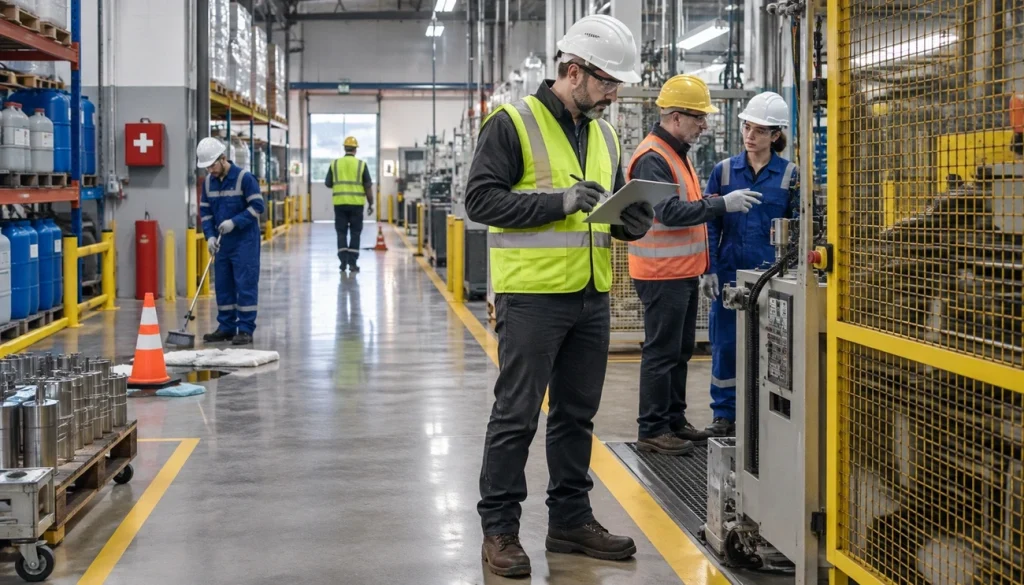
Industrial manufacturing safety in action

What Industrial Employers Should Prioritize in 2026

The safety trends shaping 2026 do not require employers to replace every existing program.

Instead, facilities can begin by reviewing where their current system has the largest gaps.

Examine whether PPE truly matches each task. Look at overlapping respiratory, hearing, heat, and visibility hazards rather than evaluating them separately. Determine whether employees can access required equipment easily. Review forklift and pedestrian interaction, and consider whether repeated risk areas could benefit from additional technology.

Most importantly, evaluate the safety program as a connected system.

An excellent PPE product cannot compensate for poor training. Technology cannot compensate for ignored hazards. A detailed assessment has little value if corrective actions are never completed.

The strongest improvements occur when selection, accessibility, training, worker participation, technology, and ongoing assessment reinforce one another.

Conclusion

The safety trends shaping industrial workplaces in 2026 reflect a larger change in how employers approach risk.

Task-specific ergonomic PPE is replacing overly broad product selection. Respiratory and hearing protection are increasingly being evaluated as part of combined workplace exposure. Heat stress and hydration are moving toward structured, connected programs. Forklift safety technology is adding real-time awareness, while proactive EHS assessments are helping employers identify hazards before incidents or inspections expose them.

Together, these trends point toward a more preventive model of workplace safety.

The future is not simply about buying more PPE or installing more technology. It is about using better information to make better decisions, giving workers protection that matches the task, and continuously reviewing whether safety systems are working as intended.

Industrial employers that build those habits in 2026 will be better positioned to reduce risk, strengthen compliance, improve worker participation, and create safer operations that can adapt as workplace conditions change.

Request a Safety Assessment

Recent Posts

Safety Training
Leading vs. Lagging Safety Indicators: What Should You Track?

Leading vs. Lagging Safety Indicators: What Should You Track?

How to Conduct a Job Hazard Analysis - Your Complete Risk Assessment
What Is a Job Hazard Analysis (JHA) and How Do You Conduct One?

What Is a Job Hazard Analysis (JHA) and How Do You Conduct One?

How to Conduct a Workplace Safety Audit

How to Conduct a Workplace Safety Audit

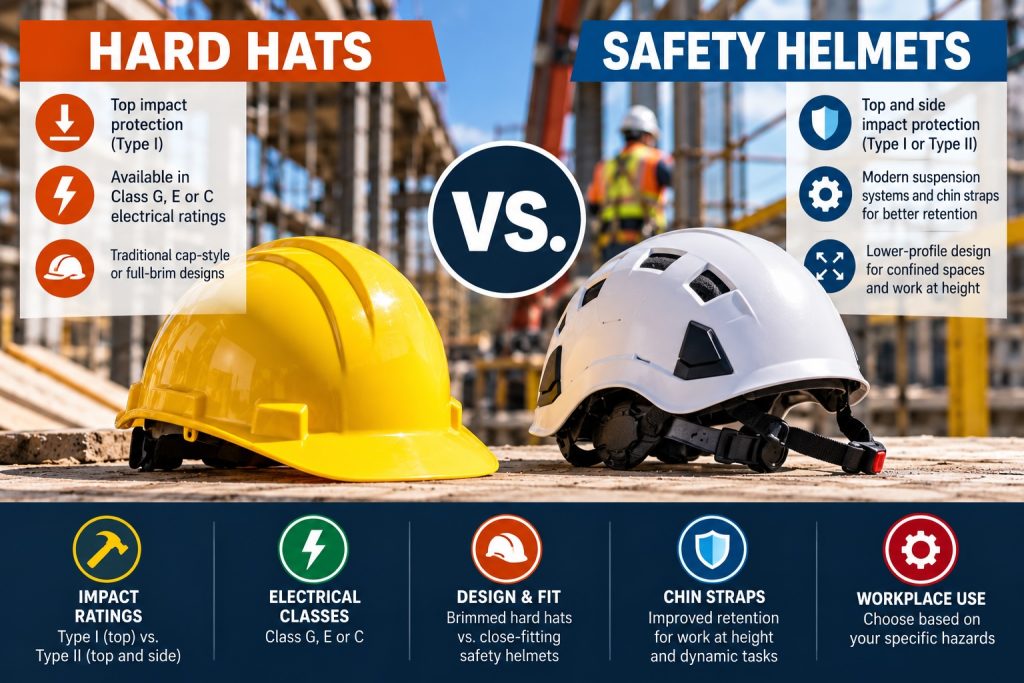
Hard Hats vs. Safety Helmets
Safety Helmets vs. Hard Hats: What Employers Need to Know

Safety Helmets vs. Hard Hats: What Employers Need to Know

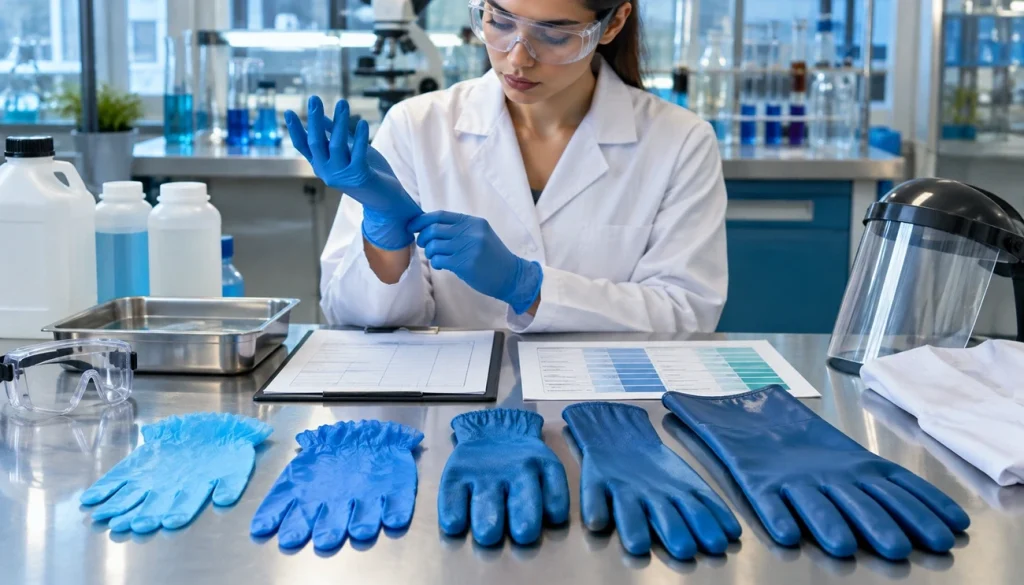
How to Choose the Right Chemical-Resistant Gloves for the Job

How to Choose the Right Chemical-Resistant Gloves for the Job

  • Previous ProjectHow Smart PPE Is Changing Workplace Safety

  • Next ProjectHow to Prepare for an OSHA Safety Inspection

CUSTOMER SERVICE

800-523-5367

CONTACT US

Complete the short form below and an Arbill representative will get back to you within 24 hours.
* Required Fields

    ARBILL RESPECTS YOUR PRIVACY AND YOUR INFORMATION: By submitting the form above you agree to receiving emails from Arbill. Your submitted information is NEVER shared. You may unsubscribe at any time via the "unsubscribe" link in our emails. You can view our Privacy Policy HERE.